



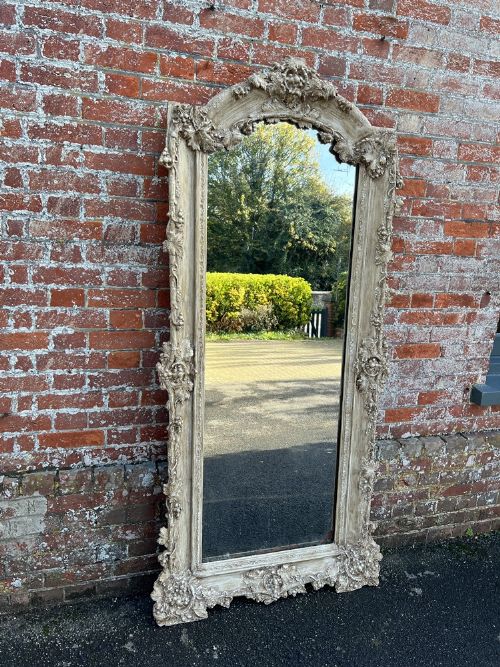


Ornate Gesso Pier Mirror
An ornate gesso pier mirror brings grand nineteenth-century proportion and reflected light to a room.
Ornate Gesso Pier Mirror
When you search for an ornate gesso pier mirror, you encounter imposing nineteenth-century wall pieces designed to hang between windows. These mirrors originate largely from French, Italian, and English workshops spanning the Victorian era and the decades around eighteen-eighty.
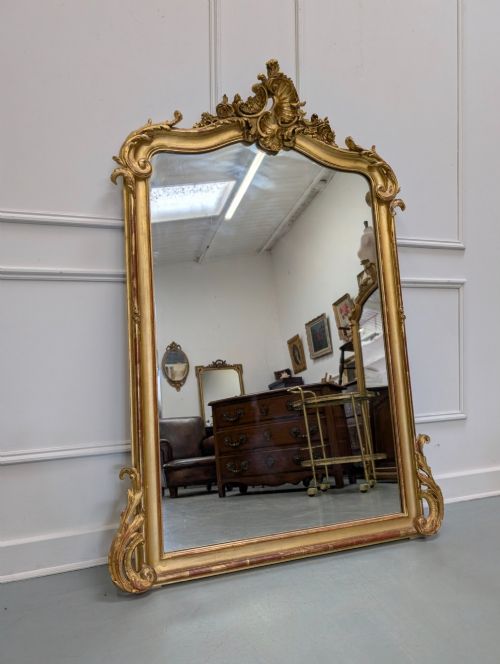
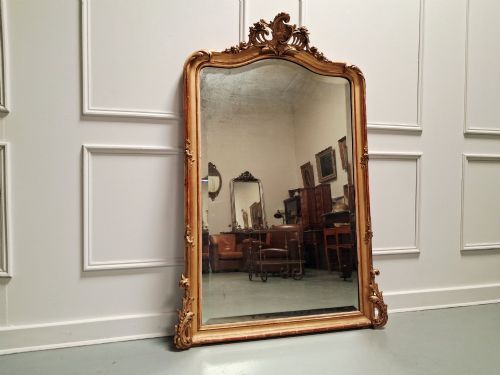
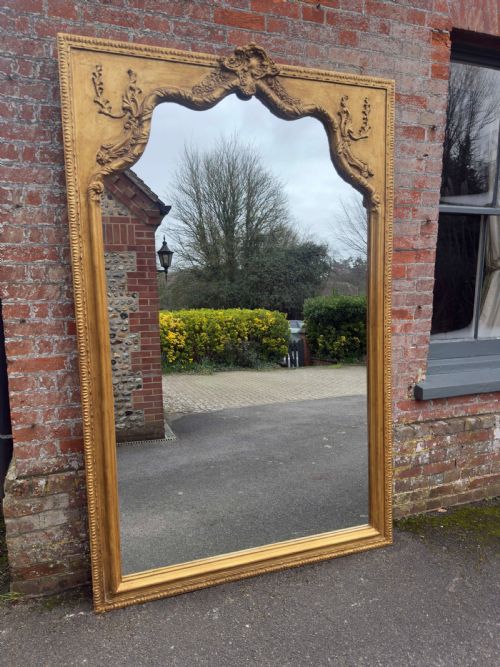
The version you are most likely to meet on this page is a large wall mirror featuring a shaped top and elaborate carving. French Rococo revival designs and Napoleon III cushion frames dominate the selections available here.
Makers fashioned these substantial items to anchor formal reception rooms. Their generous scale and reflective glass served to brighten dark Victorian interiors.
What varies in quality
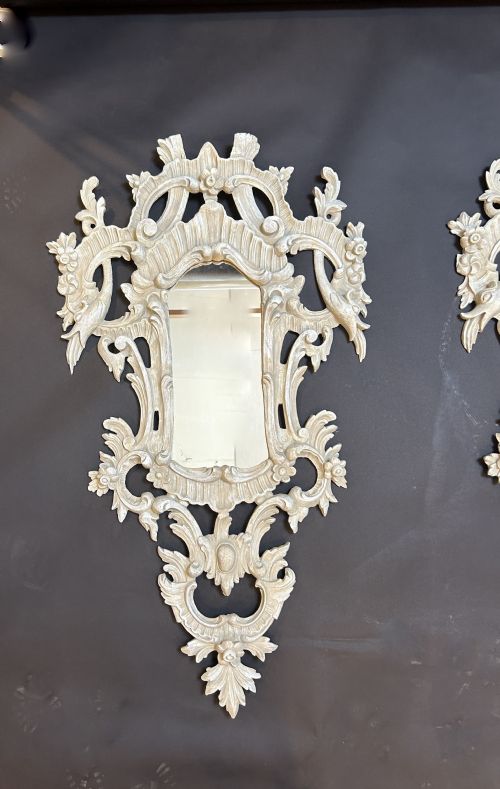
The crispness and depth of the gesso carving dictate the visual impact of the piece. Deeply modelled scrolls and foliage display greater sculptural ambition than shallow, flat ornamentation.
The preservation of original surface treatments marks the distinction between fine examples and heavily restored ones. Original giltwood and paint layers show authentic patination that chemical cleaning or modern re-gilding alters.
Proportion and scale also separate standard domestic mirrors from the exceptional large wall mirrors intended for grand salons. Substantial carved wooden frames maintain their structural integrity better over the centuries.
Several mirrors include original silver and gilt finishes, proving that nineteenth-century decorators enjoyed mixing their metals just as much as we do.
The Ornate Gesso Pier Mirror Glossary
- Gesso
- A plaster-like material applied to carved wood to create a smooth surface for gilding or painting. Artisans could model this mixture into complex relief ornaments.
- Pier mirror
- A tall mirror specifically designed to hang on the wall space between two windows. These pieces often sat above pier tables in nineteenth-century interiors.
- Giltwood
- Timber that has been coated with thin sheets of gold leaf. This finish provided a brilliant, reflective metallic surface popular in formal rooms.
- Rococo revival
- A nineteenth-century design style that revived the asymmetric scrolls, C-curves, and naturalistic motifs of the eighteenth century. This aesthetic heavily influenced French and Italian mirror frames.
- Napoleon III
- A French design period spanning the mid-nineteenth century, known for eclectic revivals and opulent decorative arts. Cushion mirrors from this era feature rounded, projecting frames.
Ornate Gesso Pier Mirror: Frequently Asked Questions
Where should I hang a pier mirror?
These large mirrors traditionally hung on the narrow wall between two windows to reflect natural light into the room. Placing one above a mantelpiece or console table achieves a similar balanced effect in modern spaces.
Ensure the wall structure can support the substantial weight of carved wood and gesso frames. Professional fixings are essential for secure installation.
How do I clean an antique gesso mirror?
Dust the carved gesso surface gently with a soft, dry brush to remove particles without disturbing delicate details. Avoid commercial liquid cleaners, which can damage original giltwood and painted finishes.
Clean the mirror glass sparingly using a cloth dampened slightly with water or a mild glass cleaner. Prevent any moisture from seeping behind the glass edges or into the gesso ground.
Are these mirrors original to the nineteenth century?
The pieces recorded here date from the nineteenth century, encompassing Victorian production as well as French and Italian regional workshops. Construction techniques such as layered gesso on carved wood align with this period.
Examining the backboards, fixings, and surface wear helps confirm the age of the frame. Original mirror glass often exhibits subtle foxing and minor imperfections consistent with age.