
French Credenza Side Cabinet
A french credenza side cabinet brings architectural presence and rich surface detail to a room, combining display space with concealed storage.
French Credenza Side Cabinet
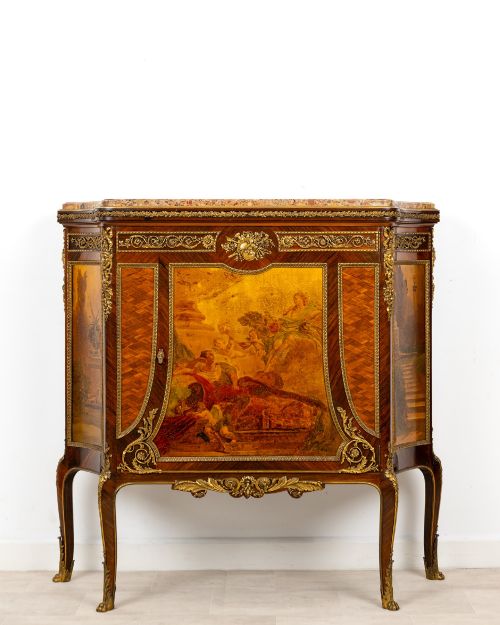
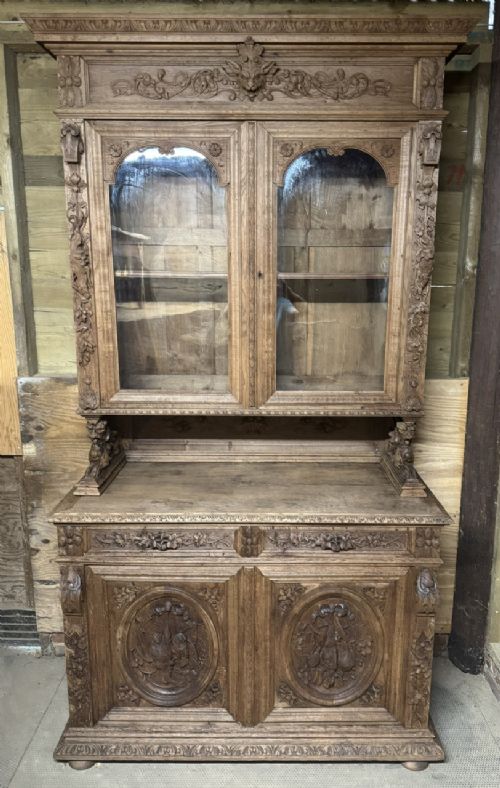
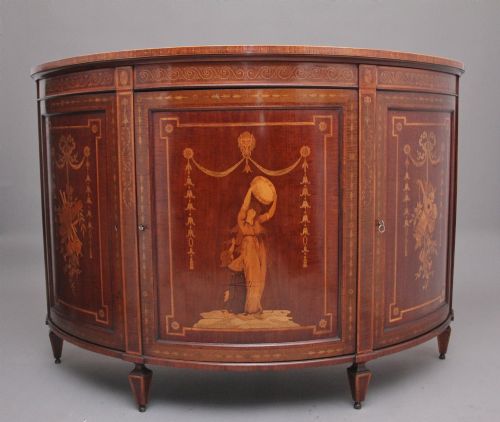
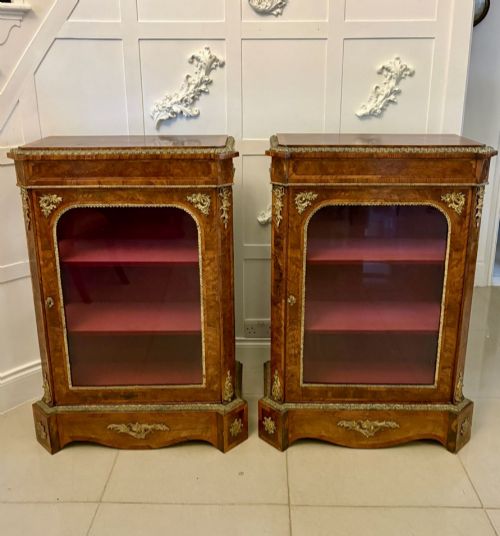
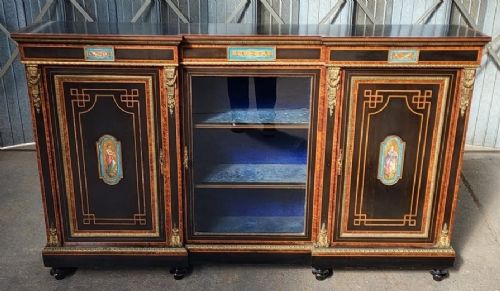
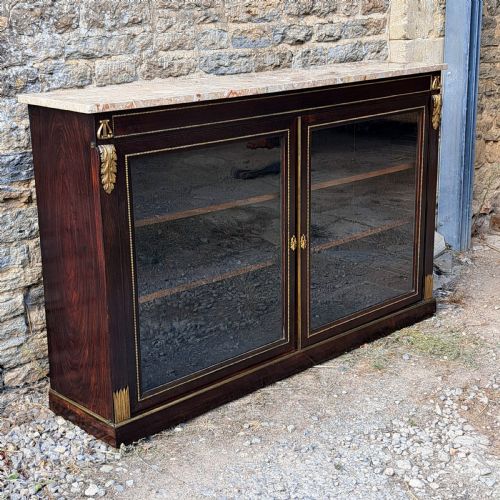
A french credenza side cabinet is a substantial low storage piece, often incorporating glazed doors or central cupboards flanked by curved display compartments. These items emerge primarily from nineteenth century workshops, drawing on revival idioms such as Napoleon III, Louis XV, and Louis XVI styles.
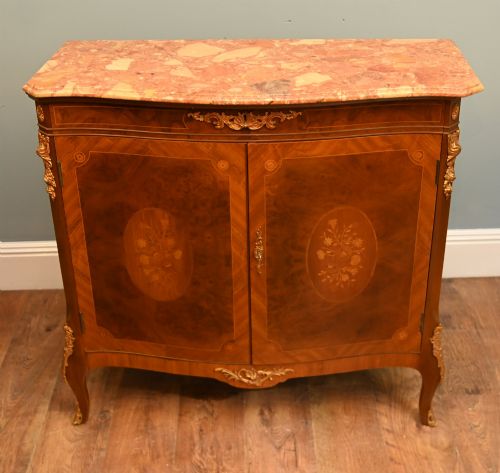
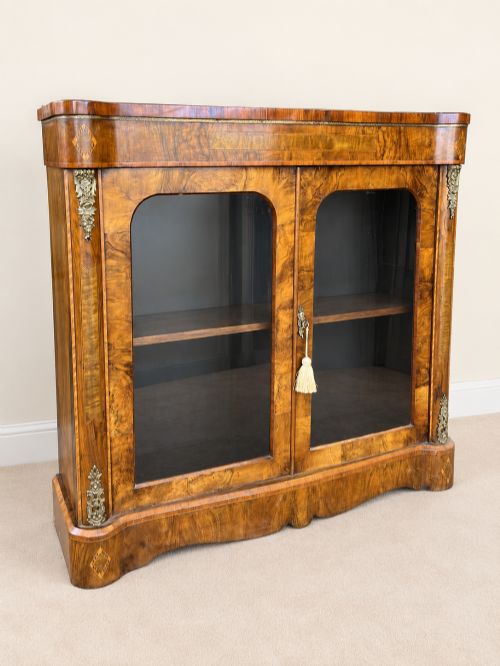
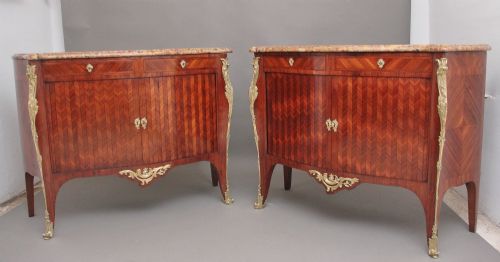
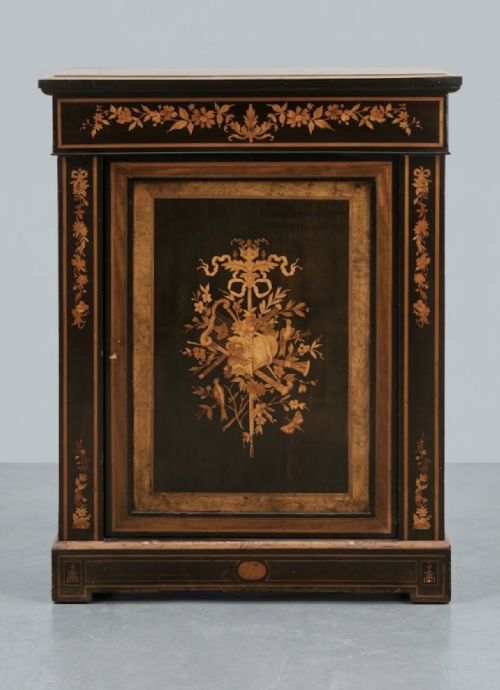
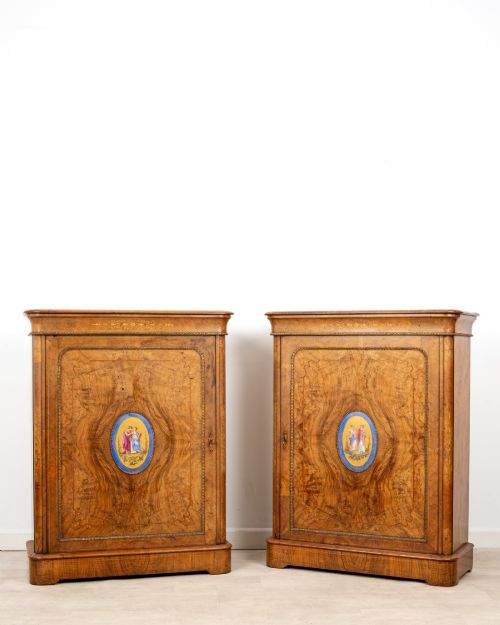
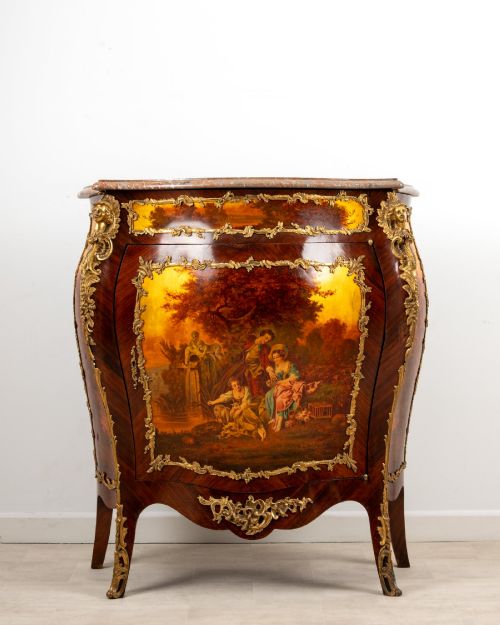
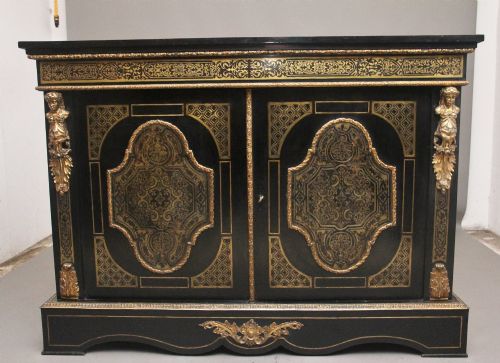
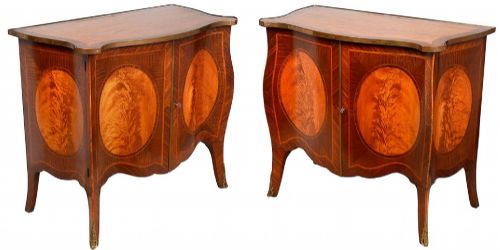
Buyers encounter numerous variations, from ebonised timber carcasses mounted with gilt bronze to burr walnut bodies enriched with marquetry. Pier cabinets and serpentine commodes also populate the selection, offering similar proportions and decorative surfaces tailored for formal reception rooms.
Materials and construction methods
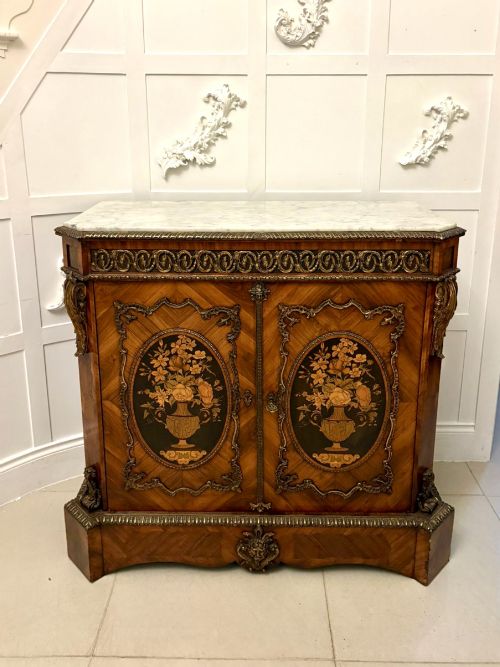
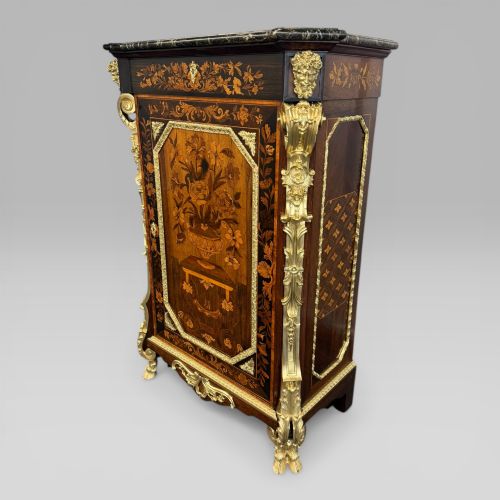
Cabinet makers utilised dense hardwoods including walnut, kingwood, rosewood, and ebonised timber as carcase foundations, often applying intricate floral marquetry or tortoiseshell and brass boullework across the primary facades. Surface enrichments frequently include cast ormolu mounts, marble slabs fitted to the upper surface, and hand-painted porcelain plaques.
Internal construction relies on cabinet grade secondary timbers supporting veneered exterior panels, while glass panels enclose display sections designed to showcase porcelain and decorative objects.
Listings feature pieces incorporating marble, ormolu, tortoiseshell, and Sevres style porcelain plaques across nineteenth century periods.
Assessing quality and execution
The distinction between standard utility and superior craftsmanship rests in the crispness of the cast ormolu mounts and the precision of the marquetry inlays. Finer examples display meticulous hand-chasing on gilt bronze elements and seamless alignment of delicate veneers across curved surfaces.
Consideration should also be given to the integration of inset materials, where genuine marble tops and intact porcelain plaques demonstrate the original ambition of the commission.
Edward Holmes Baldock
The French Credenza Side Cabinet Glossary
- Ormolu
- Gilded bronze mounts applied to the exterior of furniture for decorative emphasis. These elements are typically cast and hand-chased to achieve sharp relief.
- Marquetry
- Decorative patterns formed by fitting thin pieces of wood veneer and other materials onto a carcase. Craftsmen use contrasting timbers to create floral or geometric motifs.
- Boullework
- An elaborate marquetry technique using tortoiseshell and brass inlay, named after the cabinet maker André Charles Boulle. The resulting panels create a rich tortoiseshell and golden metallic contrast.
- Pier cabinet
- A narrow display cabinet designed specifically to fit against the wall space between windows. These pieces often feature glass doors and velvet-lined interior shelving.
- Serpentine
- A furniture front or surface shaped with a central concave curve flanked by convex sweeps. This undulating line requires advanced woodworking skill to execute accurately.
French Credenza Side Cabinet: Frequently Asked Questions
What is a french credenza side cabinet used for?
These cabinets serve as principal storage and display furniture within formal dining rooms or living spaces. The enclosed cupboards conceal tableware or documents while upper surfaces and glass compartments exhibit decorative objects.
Their substantial proportions anchor a room's interior scheme, offering a combination of horizontal surface area and internal shelving.
How do I identify a nineteenth century piece?
Nineteenth century examples typically exhibit revival aesthetics such as Napoleon III or Louis XV styling, utilising woods like burr walnut, ebonised timber, and kingwood. Examination of the carcase construction and interior secondary timbers confirms the period manufacturing techniques.
Cast ormolu mounts and hand-painted porcelain plaques further point toward nineteenth century revival workshops.
Are marble tops original to these cabinets?
Many nineteenth century side cabinets and commodes were designed with fitted marble slabs to provide a durable and luxurious upper surface. These stone tops are generally heavy and rest directly upon the timber framework.
Matching the contours of the marble to the serpentine or breakfront shape of the cabinet confirms its integration with the piece.