


French Country Storage Chest
These french country storage chest pieces are practical domestic items offering regional character and robust timber build, drawing buyers who appreciate provincial design.
French Country Storage Chest
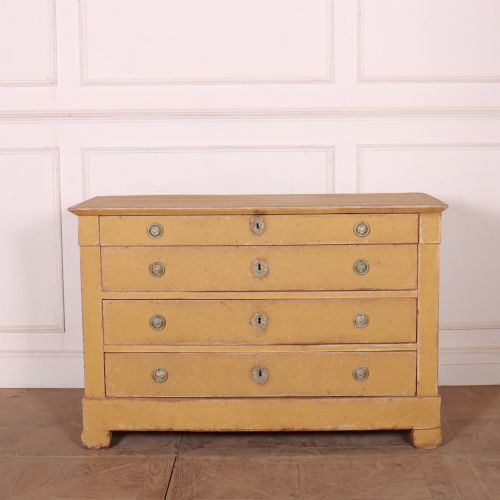
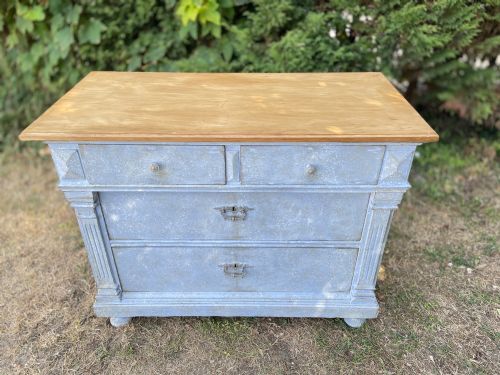
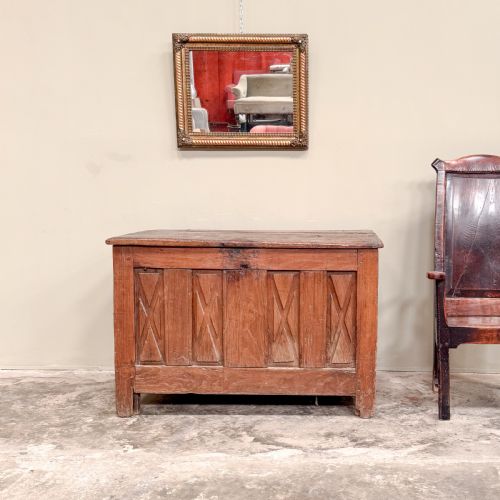
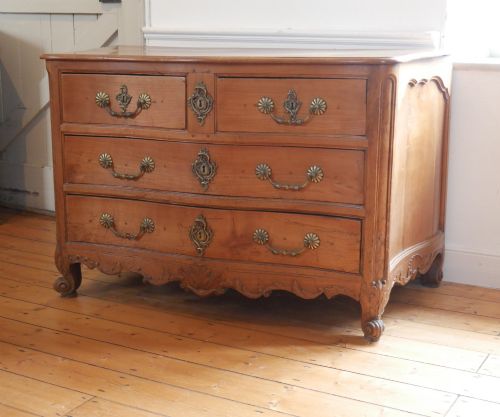
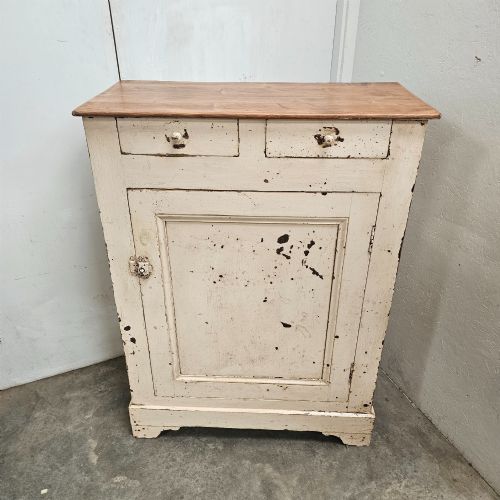
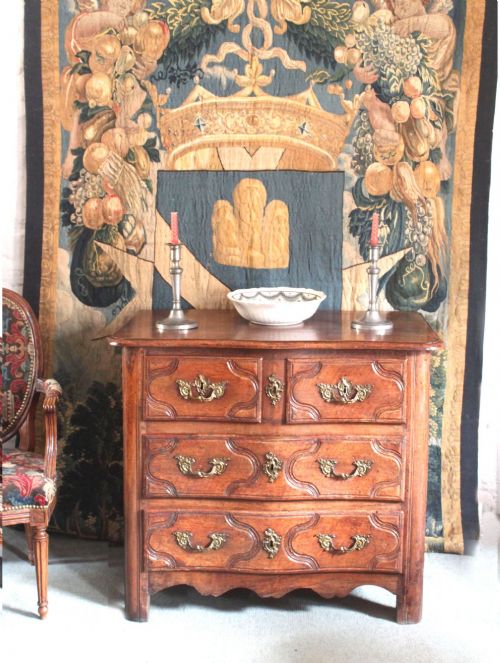
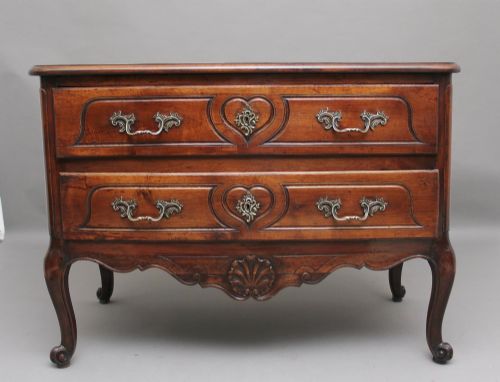
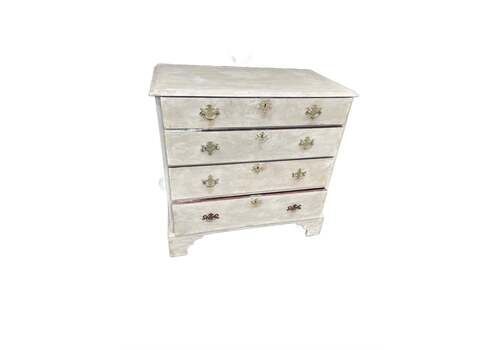
A french country storage chest encompasses a variety of provincial forms, including commodes, coffers, blanket boxes, and dough bins. These pieces originate primarily from the eighteenth and nineteenth centuries, reflecting domestic life in rural regions.
The most common version met on this page is the walnut or painted commode, alongside regional specialities such as dough bins and carved oak chests. They serve as functional storage furniture with distinct local character.
Origins span provincial workshops and chateaux, bringing together styles such as French Provincial, Louis XV, and Gustavian. Each piece demonstrates the utilitarian needs of historical French households.
Materials and construction
Timbers such as walnut, cherrywood, oak, pine, and elm form the structural foundation of these pieces, often shaped into serpentine or bow fronts. Carpenters utilised local woods available in their respective regions.
Surface finishes include painted treatments, limed oak, and natural waxed polishes that highlight the grain of the wood. Metal elements like iron hasps, brass handles, and marble tops complete the construction.
Some nineteenth century storage boxes feature iron cannonball ammunition inside, repurposing military surplus for domestic utility.
Differences in quality
The standard of carving and the selection of timber dictate the tier of a piece, with figured burr walnut or dense cherrywood sitting above standard pine. Regional detail and original painted finishes also influence the overall standard.
Joinery execution, such as dovetailed drawers and panel construction, separates standard utility items from finer workshop output. The presence of original marble tops or integrated brass hardware marks out superior examples.
Edwards and Roberts
The French Country Storage Chest Glossary
- Commode
- A low chest of drawers, typically standing on short legs and dating from the eighteenth or nineteenth century.
- Coffer
- A large wooden box or chest used for storage, often fitted with a hinged lid and heavy iron hasps.
- Dough bin
- A trough-like container used historically for proving bread dough, constructed in timber with a flat top.
- Serpentine
- A furniture front characterised by a wavy outline with a convex centre flanked by concave curves.
- Provincial
- Denoting style or manufacture originating from the regions outside Paris, reflecting local craftsmanship.
French Country Storage Chest: Frequently Asked Questions
What is a French commode?
A French commode is a low chest of drawers designed for domestic storage, often featuring decorative wood veneers or painted surfaces. These pieces frequently incorporate serpentine fronts and marble tops.
Historically placed in bedrooms and living spaces, they combine practical drawer capacity with regional stylistic details from the eighteenth and nineteenth centuries.
How were dough bins used?
Dough bins served as specialised wooden containers where bakers mixed and proved bread dough before baking. Their deep troughs kept ingredients secure and maintained consistent temperatures.
Today, these rustic timber boxes function as decorative storage furniture in country-style interiors, often retaining their original iron hasps and carrying hoops.
What distinguishes provincial furniture?
Provincial furniture displays simpler, sturdier construction methods compared to urban court pieces, using locally sourced timbers like cherrywood, elm, and walnut. Makers adapted high-style trends to suit regional preferences.
This approach results in charming imperfections, unique local carvings, and practical forms tailored to everyday rural life.
Are marble tops original?
Many eighteenth and nineteenth century commodes feature fitted marble tops designed to provide a durable, wipe-clean surface. These stones range in colour and thickness depending on the region.
When assessing a piece, the integration of the marble into the wooden frame helps determine its period authenticity.