





French Country Sofa
A French country sofa brings relaxed elegance to a room through curved wooden frames and traditional upholstery.

What a French country sofa is
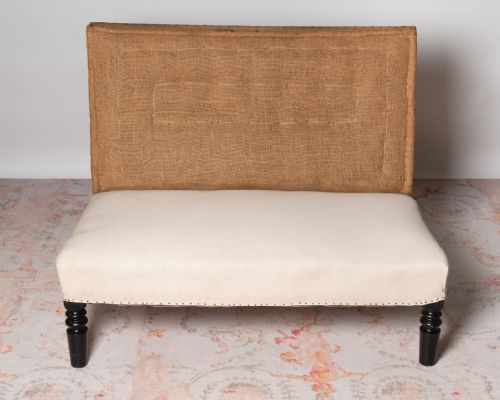
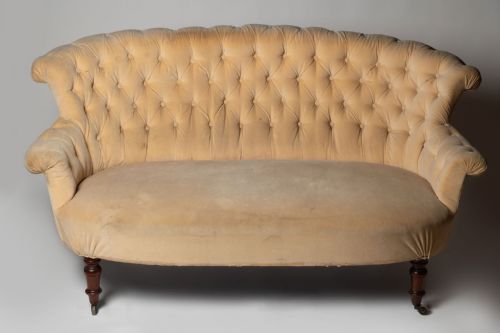
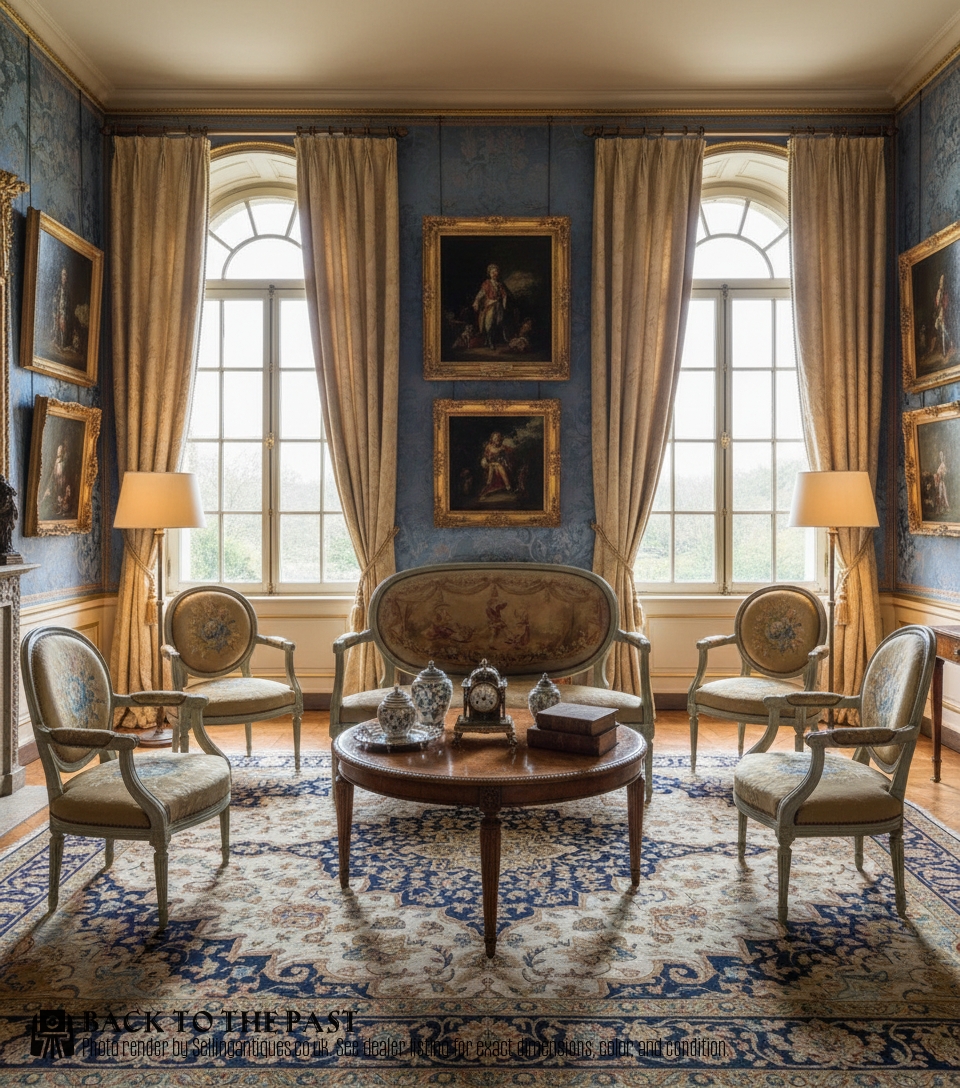
A French country sofa combines rustic charm with refined regional design, offering generous seating for everyday rooms. The pieces gathered under this phrase span the nineteenth century and the early twentieth century, showing styles from Louis XV and Louis XVI revivals to simpler chateau and country house designs.
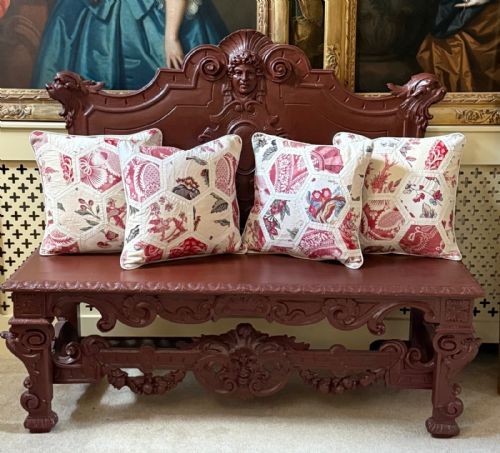
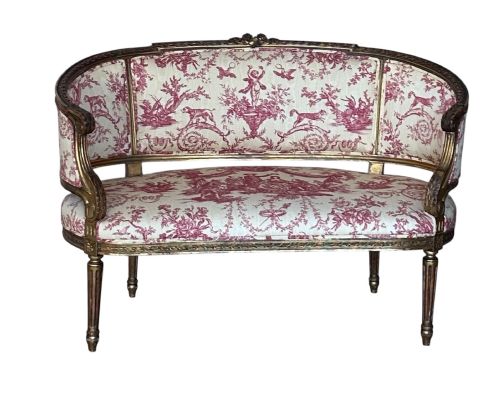
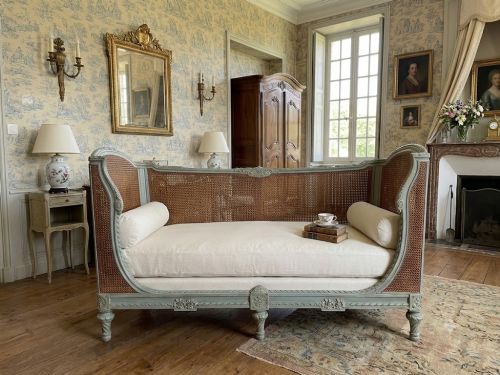
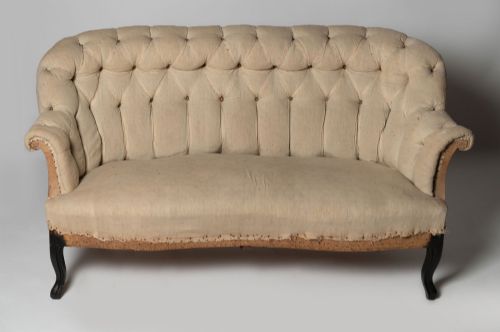
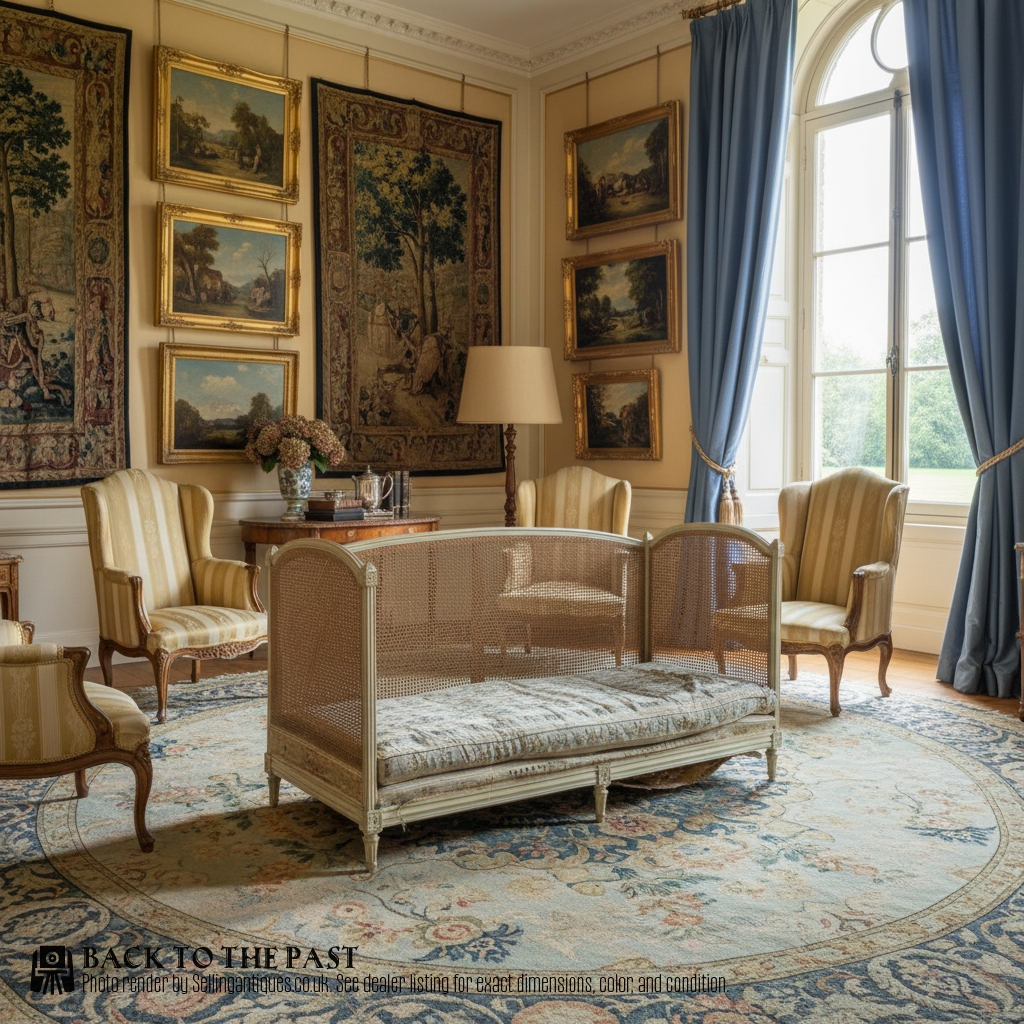
Most examples appear as wooden frame settees or larger sofas upholstered in materials such as linen, velvet, or fabric. Some feature exposed cane panels, while others display painted finishes or natural wood surfaces.
The forms range from triple-back settees and canapés to bergere sofas and low rustic seating. These variations reflect the diverse provincial workshops that produced furniture for country houses and rural residences.
How they were made
Frames are constructed predominantly from solid timbers including beech and walnut, chosen for their strength and suitability for carving. Artisans shaped these woods by hand to form the characteristic curved rails and cabriole legs seen across the period.
Upholstery techniques involve traditional stuffing methods finished with textiles like linen and velvet, secured directly to the frame or around caned backrests. Painted finishes are applied directly to the timber, often showing age and wear consistent with their history.
Retail Price Guide 2026
Typical UK retail prices for french country sofa, calculated from the Sellingantiques database of over a million retail prices indexed since 2003. This retail price guide relies exclusively on Sellingantiques data; no external sources or auction records are used, so the figures do not describe the wider market.
Listings feature pieces from the nineteenth century and the early twentieth century, constructed from walnut, beech, and pine.
What varies in quality
The distinction between standard provincial pieces and finer items rests in the crispness of the timber carving and the architectural balance of the frame. Superior examples display fluid lines and harmonious proportions that demonstrate the maker's skill.
The integrity of the structural joinery and the survival of original materials, such as early paint finishes or cane work, separate well-preserved seating from heavily restored or altered pieces.
The French Country Sofa Glossary
- Bergere
- An enclosed armchair or sofa with solid upholstered sides and a padded seat. The back and arms are often fitted with woven cane.
- Canapé
- A traditional French term for a decorative settee or sofa, typically featuring an exposed wooden frame and upholstered back.
- Louis XV Revival
- A style drawing on the curves and asymmetry of the mid-eighteenth century. It uses scrollwork and floral motifs.
- Louis XVI Revival
- A later style characterised by neoclassical restraint, straight tapered legs, and symmetrical geometric details.
- Cane
- Woven rattan material used for lightweight panels in backrests and seat bases. It provides flexibility and airflow.
Frequently Asked Questions
Where did French country sofas originate?
These sofas were made in provincial workshops across France for chateaux and country houses. Regional craftsmen adapted fashionable Parisian styles to suit local tastes and materials.
Designs evolved over decades, incorporating local woods like beech and walnut alongside traditional upholstery methods.
Are these sofas comfortable for daily use?
Most pieces offer deep seating and padded backs designed for relaxation in domestic spaces. The supportive frames and upholstered cushions provide a comfortable seat for everyday living.
Upholstery materials range from soft velvet to durable linen, suiting various household environments.
How do I identify a Louis XV style sofa?
Louis XV style pieces are defined by sweeping curved lines and asymmetric floral carvings. They typically feature cabriole legs and serpentine seat rails without harsh angles.
This style emphasises natural forms and fluid grace rather than rigid symmetry.
What wood was used for these frames?
Cabinetmakers primarily used hardwoods such as beech and walnut for structural stability and fine carving detail. These timbers allowed artisans to shape complex curves without splitting.
Some provincial pieces also utilised local softwoods or painted finishes to protect the underlying timber.