
French Country Seating
French country seating brings provincial character into a room, offering sturdy wooden forms and upholstered comfort shaped by centuries of tradition.
French Country Seating
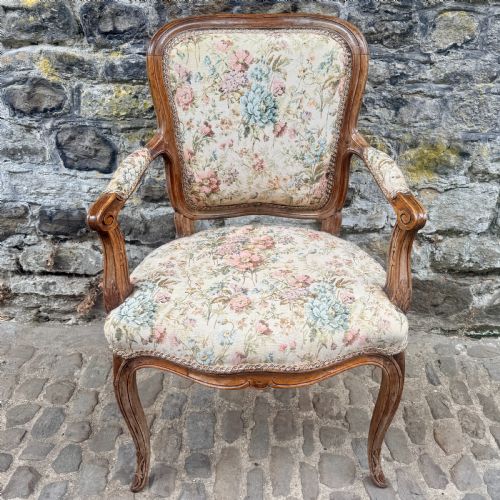
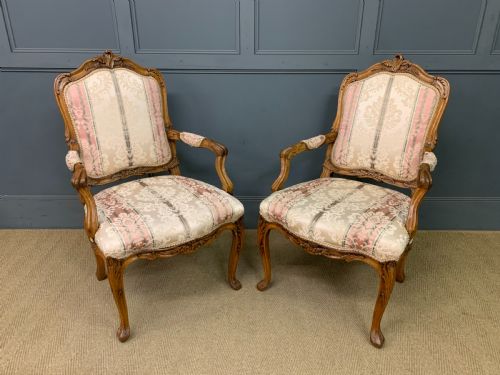
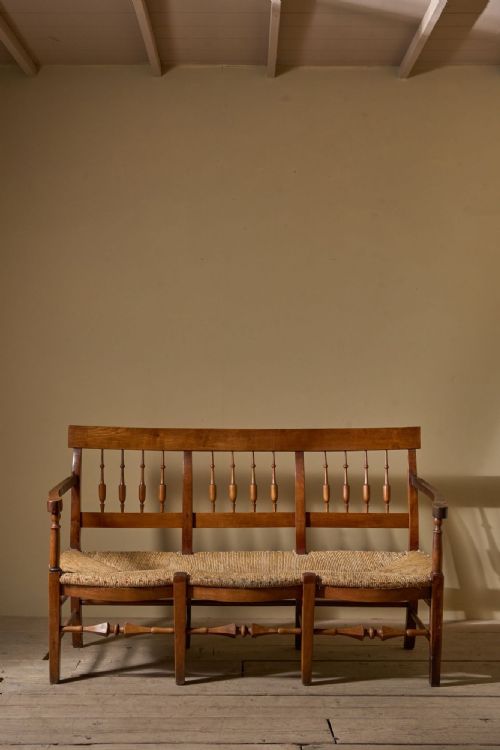
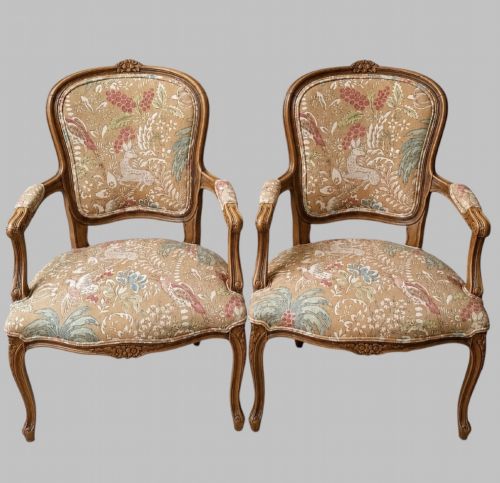
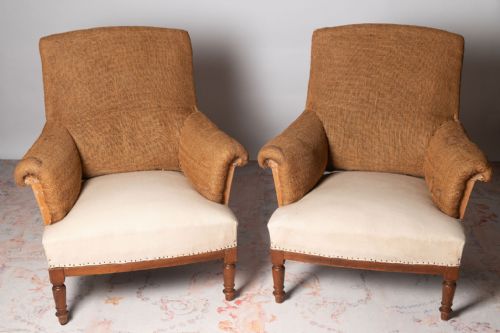
When you search for french country seating, you encounter a varied selection of antique chairs, benches, and sofas rooted in rural and provincial aesthetics. The pieces on this page span several centuries, with the nineteenth century heavily represented alongside eighteenth-century examples and twentieth-century revivals.
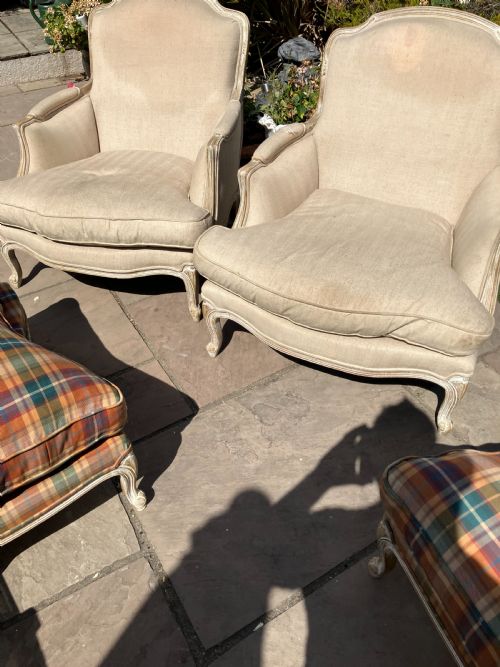
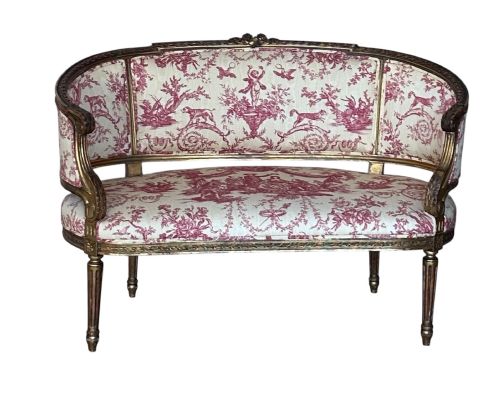
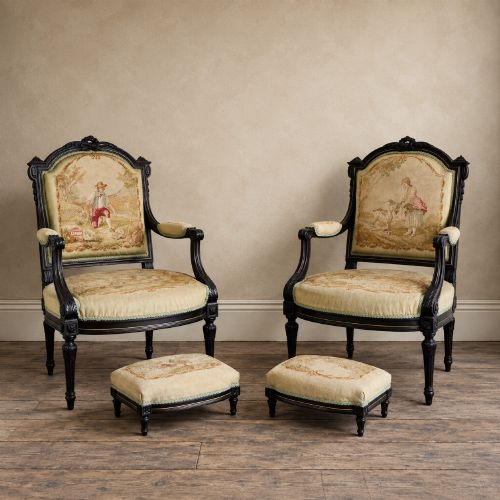
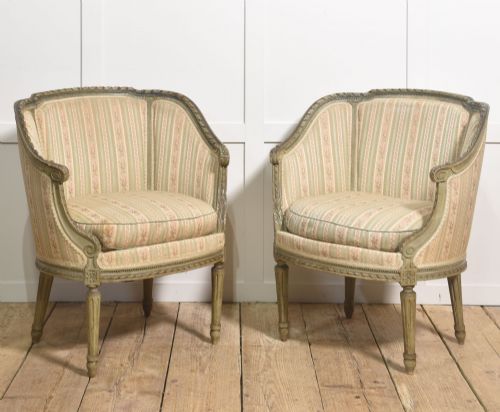
The category extends to larger items including settees, banquettes, and multi-piece seating suites upholstered in fabrics such as linen, velvet, and needlepoint. Garden benches in iron and faux bois also appear, alongside painted wood stools and tub chairs.
Materials and construction methods
Cabinetmakers and rural joiners utilised solid hardwoods such as walnut, oak, cherrywood, beech, and elm to build sturdy frames that endured daily use. Many pieces rely on traditional joinery techniques, while others incorporate carved walnut, giltwood, or painted wood finishes.
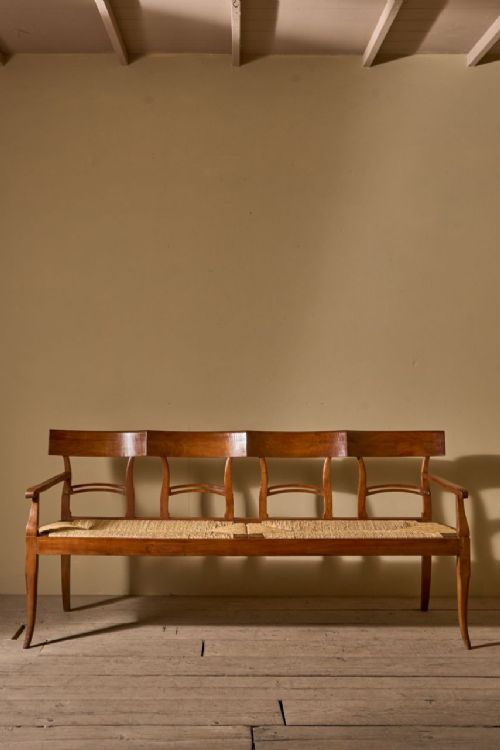
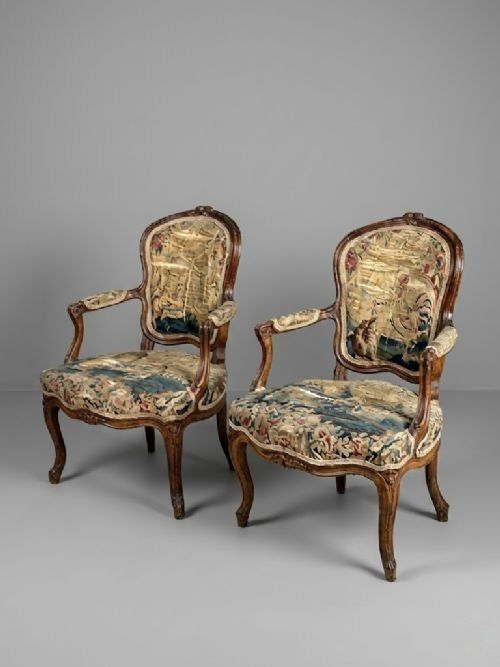
Upholstery and seating surfaces varied widely according to function, utilising woven rush, cane panels, or padded cushions covered in linen, velvet, leather, and Aubusson tapestry. Iron and faux bois construction also supported outdoor and garden seating designs.
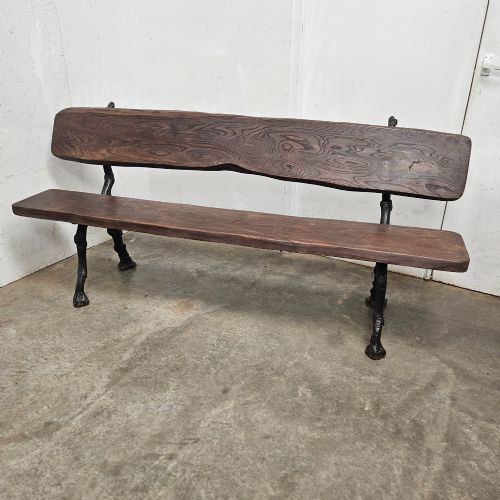
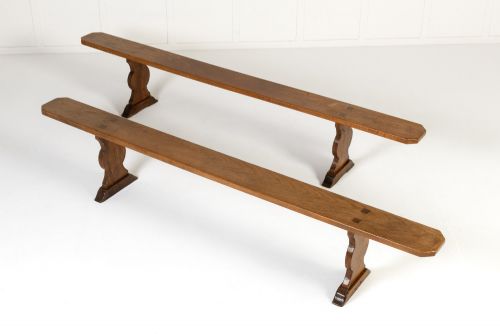
Scratch-built country pine benches demonstrate how rural makers improvised when standard workshop timber ran short.
Quality factors in provincial seating
Quality rests upon the integrity of the timber frame, the crispness of any hand-carved ornamentation, and the preservation of original finishes like paint or gilding. Pieces retaining their early or original upholstery textiles, needlepoint panels, or cane work command distinct attention.
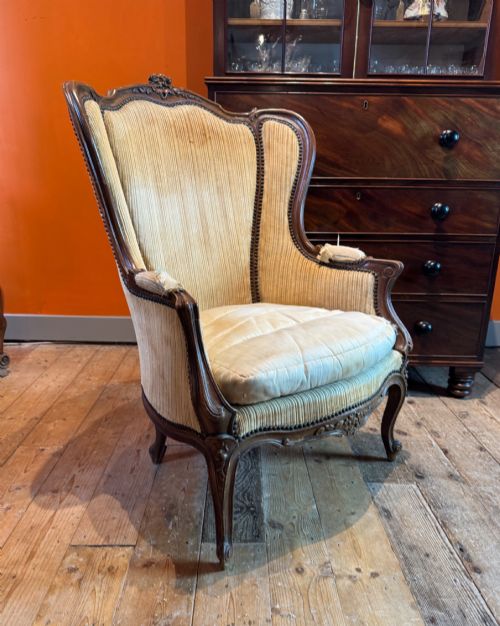
Proportion and structural balance separate standard utilitarian workshop pieces from finer regional interpretations influenced by court styles such as Louis XV and Louis XVI. The weight of the timber and the depth of the carving reveal the maker's hand.
The French Country Seating Glossary
- Bergere
- An enclosed upholstered armchair with wooden framing and a solid or upholstered back and sides. These pieces often feature cane work or padded panels.
- Fauteuil
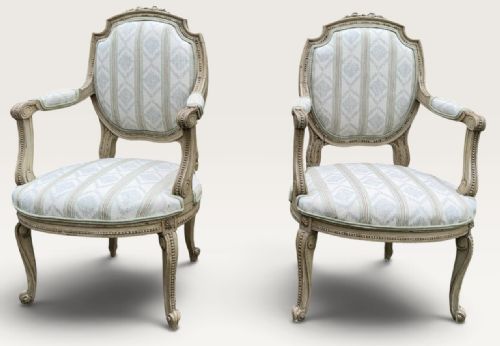
- An open-framed upholstered armchair with exposed wooden arms originating in France. The style developed through various royal periods.
- Canapé
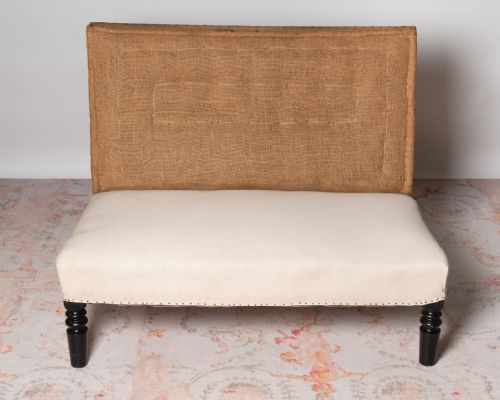
- A traditional French sofa or settee featuring an upholstered back and seat supported by a wooden frame. They appear in styles ranging from provincial rustic to giltwood elegance.
- Faux bois
- A technique where artisans shape concrete, metal, or plaster to imitate natural wood grain. It appears frequently on nineteenth-century garden benches.
- Banquette
- A long upholstered bench or stool without a backrest, designed for salons or window recesses. They often stand on cabriole legs.
French Country Seating: Frequently Asked Questions
What defines french country seating?
These pieces combine rustic provincial utility with refined regional design, utilising native hardwoods like cherry, elm, and walnut.
They encompass everything from simple rush-seated benches to carved armchairs influenced by Louis styles.
Are these benches suitable for dining?
Long wooden benches and settles historically served communal dining tables and halls in provincial French farmhouses.
Pairing antique elm or cherry benches with a farmhouse table creates an authentic rustic arrangement.
How do I care for antique upholstery?
Protect delicate textiles like velvet, linen, and needlepoint from direct sunlight to prevent fading and fibre degradation.
Gentle vacuuming with a soft brush attachment helps maintain fabric panels without stressing the antique frame.