
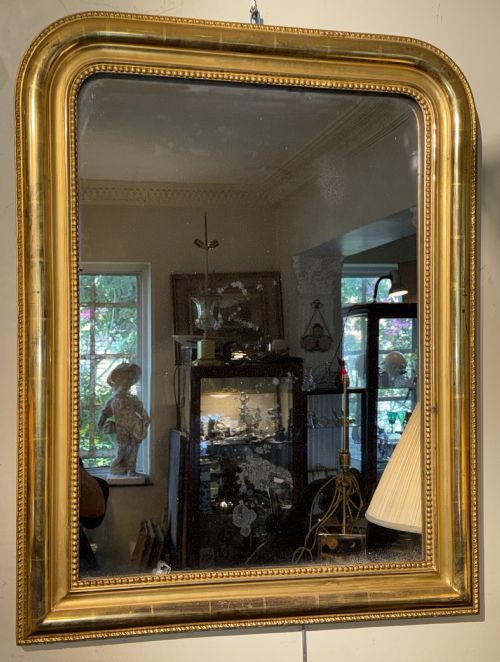


French Country Overmantel
A french country overmantel brings historic rustic character and light to a room through traditional carved wood and aged glass.
French Country Overmantel
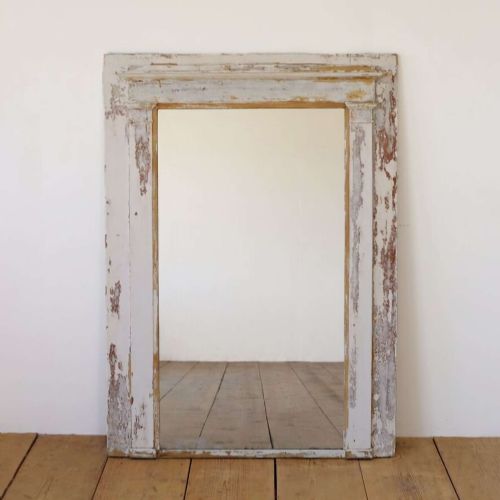
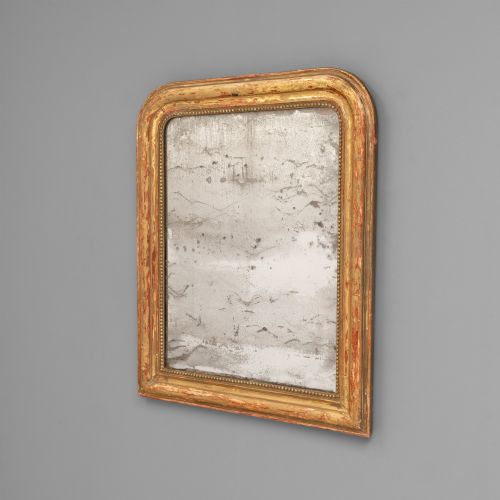
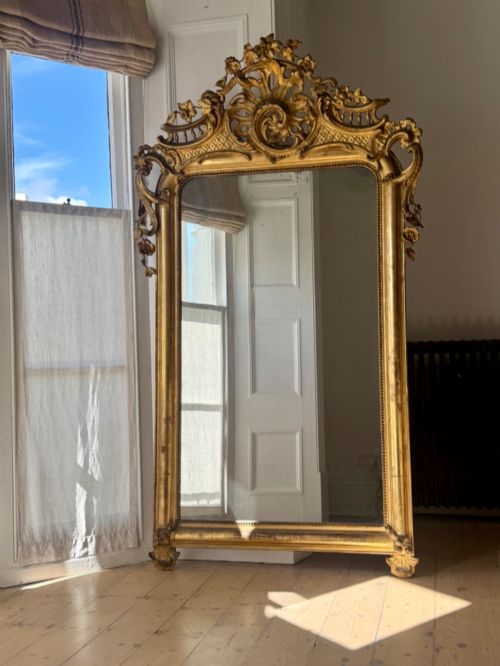
A french country overmantel sits above a fireplace to anchor the room, drawing the eye upward with generous proportions and decorative frames. These mirrors appear in various regional styles, including provincial interpretations and classical Louis Philippe formats.
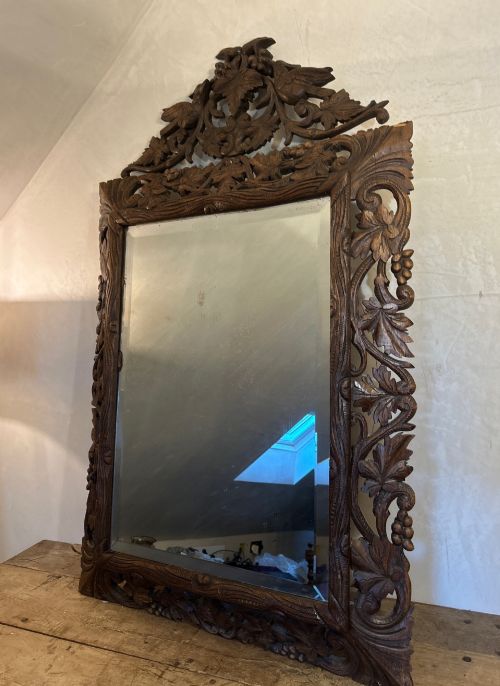
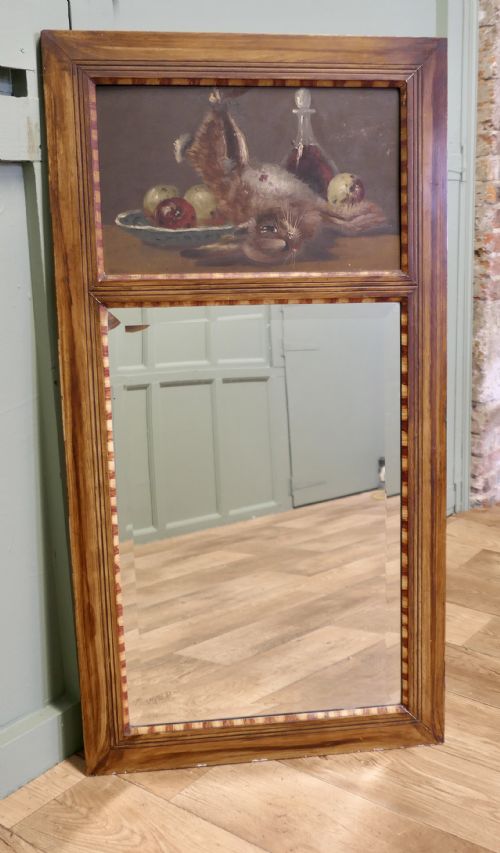
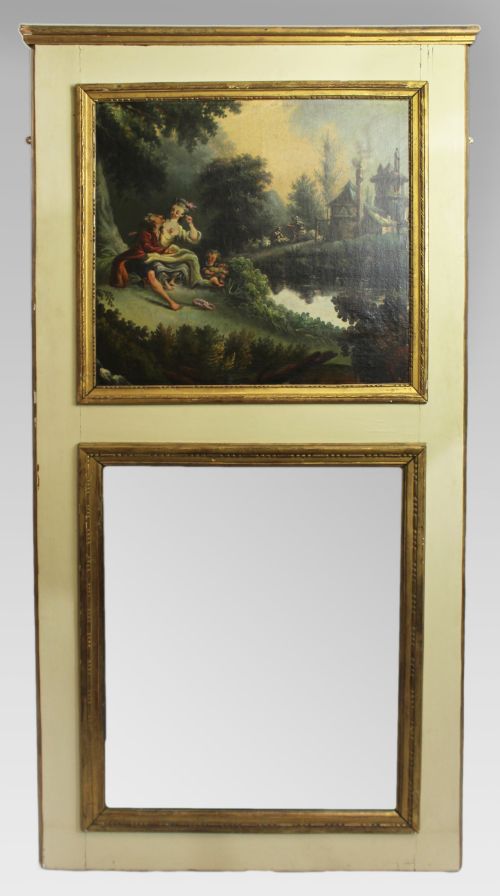
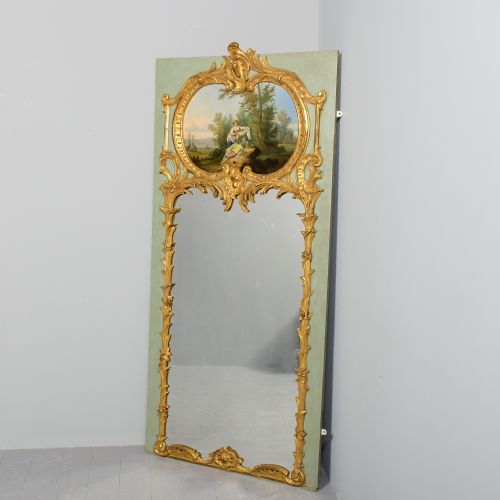
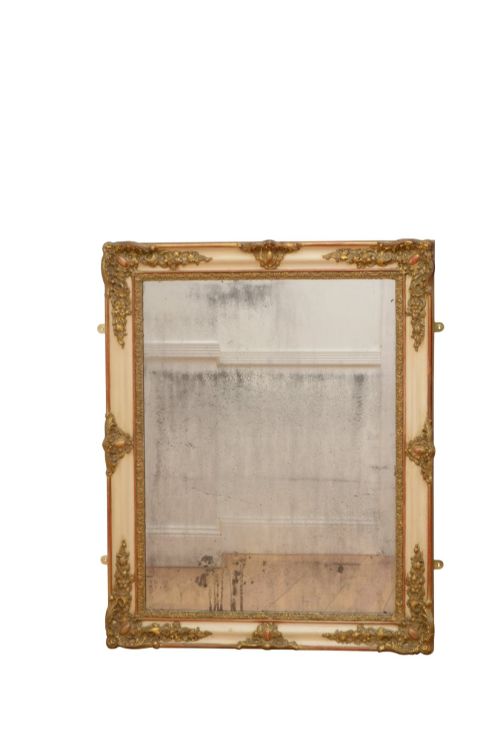
Most pieces date from the nineteenth century, utilising carved oak, painted finishes, and gesso details. Formats range from simple rectangular frames to tall trumeau panels incorporating pastoral oil paintings.
Makers designed these items for chateaux, country houses, and urban salons alike, resulting in formats that suit both grand chimneybreasts and lower domestic mantels. The selection here reflects these diverse domestic origins.
Materials and Construction
Frames rely on solid woods such as oak and pine, often finished with layers of paint or covered in gesso before applying gold or silver leaf. Artisans carved floral and scroll details directly into the timber or built up the ornamentation using moulded gesso relief.
Original plates consist of mercury glass or early mirror glass, which displays characteristic oxidation, speckling, and gentle distortion. Backing boards typically comprise thick timber secured with period fixings, supporting the heavy glass plates safely within the frame.
Judging Quality
The depth and crispness of the hand-carved ornamentation separate standard items from superior examples. Skilled artisans produced fluent foliage and balanced proportions that retain their harmony even on very large scales.
The survival of original surface treatments, whether giltwood, silver leaf, or aged paint, defines the integrity of a piece. Integrated elements like pastoral oil paintings or mercury glass plates add considerable distinction to trumeau formats.
The French Country Overmantel Glossary
- Trumeau
- A decorative wall mirror featuring an integrated painted panel or artwork above the glass plate. These panels frequently depict pastoral scenes or classical motifs.
- Gesso
- A plaster-like mixture applied to wood frames to create a smooth surface for gilding or painting. Artisans carved intricate relief details directly into this layered material.
- Mercury glass
- An early type of silvered mirror glass produced by pouring a mercury amalgam between two sheets of glass or coating the back. It creates a dark, mottled reflection with characteristic spotting.
- Pier mirror
- A tall mirror designed to hang on the wall space between windows. These pieces often share proportions and decorative styles with overmantels.
- Louis Philippe
- A nineteenth-century French style characterised by understated elegance, gently rounded top corners, and minimal ornamentation. It bridges the gap between earlier ornate designs and simpler domestic tastes.
French Country Overmantel: Frequently Asked Questions
Where should an overmantel mirror hang?
These large mirrors traditionally rest on a mantelpiece, anchored securely to the wall to support their considerable weight. They work equally well hung directly above a fireplace or low sideboard to reflect natural light.
Positioning the glass opposite a window maximises the illumination brought into the room, creating an illusion of greater spatial depth.
How do I clean antique mirror glass?
Cleaning requires a soft, dry cloth used gently across the surface to remove dust without disturbing the aged silvering. Avoid abrasive modern chemical cleaners that might damage vulnerable areas of the glass plate.
Take care around the edges where the original backing or mercury coating is often fragile and prone to further oxidation if moisture seeps behind.
What is a trumeau mirror?
A trumeau combines a vertical mirror plate with a decorative painted panel housed in a single integrated frame. Originating in eighteenth- and nineteenth-century interiors, they served as permanent architectural wall decorations.
The upper panels frequently display pastoral oil paintings or decorative motifs suited to formal salons and country residences.