




French Country Oak Cabinet
A French country oak cabinet brings the grounded utility and honest timber of rural European homes straight into a modern interior.
French Country Oak Cabinet
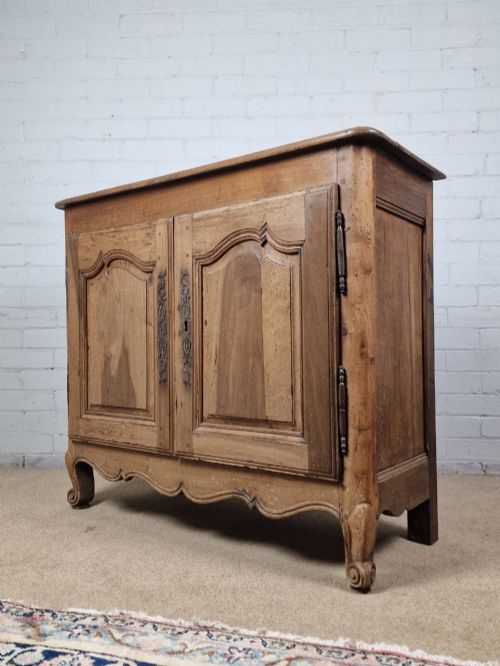
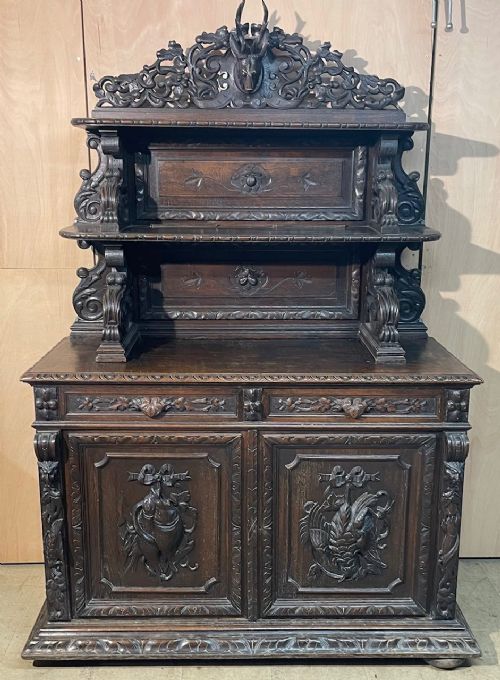
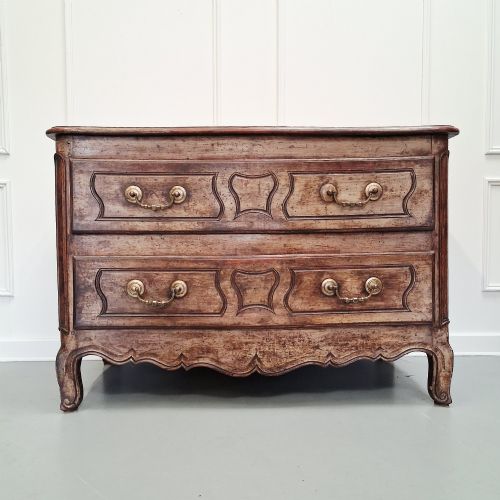
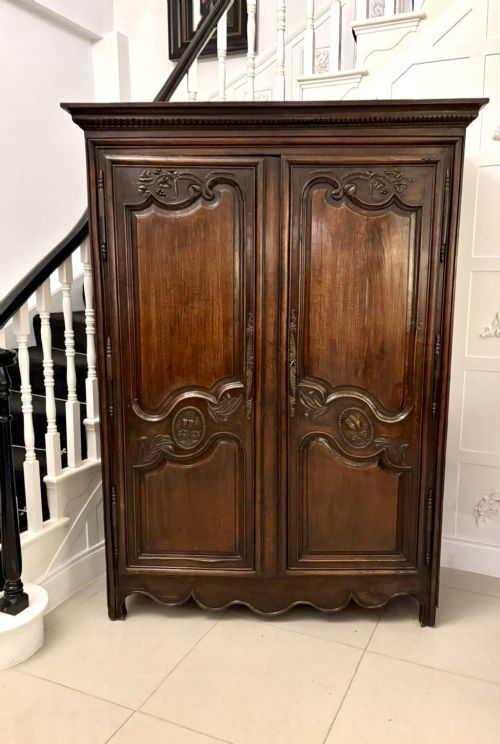
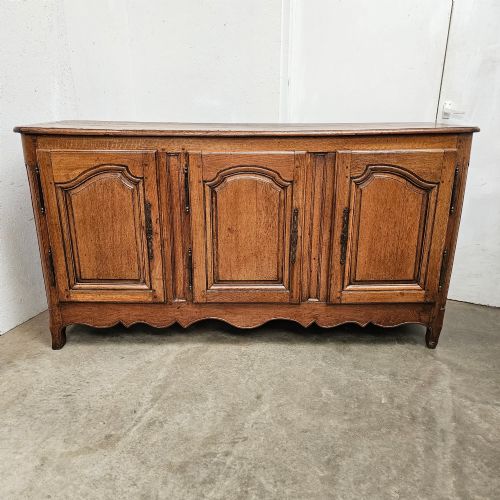
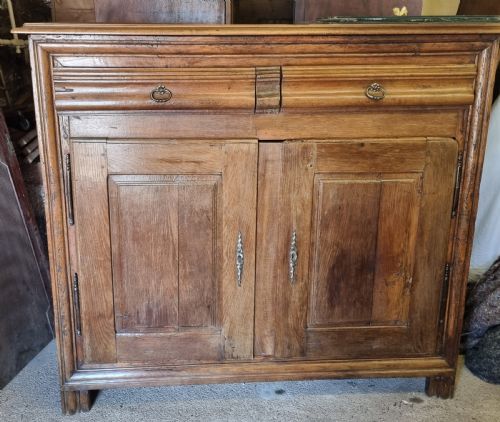
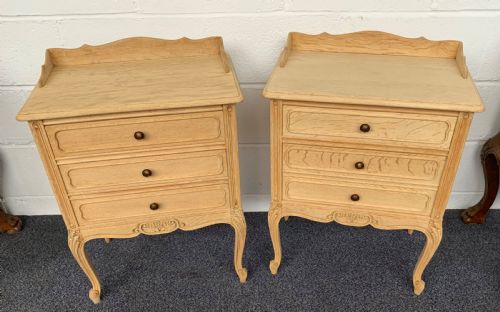
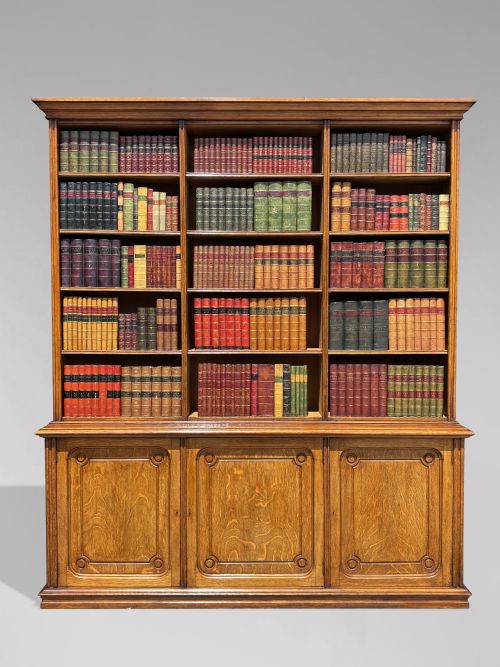
When you search for a french country oak cabinet, you encounter a varied selection of regional storage forms spanning from the seventeenth century through the early twentieth century. The inventory ranges from substantial housemaid cupboards and armoires to low sideboards, enfilades, and compact bedside tables.
Provincial workshops produced these pieces for daily domestic service rather than formal salons. Common variations include mountain cupboards, bread safes, and kitchen dressers originating from different departments across France.
The dominant material across these utilitarian forms is solid timber, though occasional pieces integrate fruitwood or chestnut panels alongside the primary oak construction.
Materials and Construction Methods
Joiners relied on solid oak planks, frequently joined with traditional pegged mortise and tenon construction to withstand decades of rural use. Secondary timbers like fruitwood or chestnut appear in panels and interior shelving.
Hardware consists of wrought iron hinges, escutcheons, and brass fittings that secure heavy doors and drawers. Surface treatments vary from natural waxed finishes to historical painted layers and contemporary bleached oak finishes.
Some nineteenth-century cupboards began life as enclosed Breton box beds before finding new purpose as hallway storage.
Judging Quality and Proportion
Quality rests in the integrity of the timber selection and the restraint of the carved detail. Pieces displaying crisp hand-carved panels, original hardware, and uncompromised structural proportions command greater appreciation.
Provincial variations demonstrate different levels of joiner skill, from rustic regional adaptations to more refined Louis XV period formatting. The graduation from heavy structural timber to balanced cornices dictates the visual success of the piece.
The French Country Oak Cabinet Glossary
- Enfilade
- A long low sideboard or buffet fitted with multiple doors, originally designed for serving meals in large dining rooms. These pieces often feature extended top surfaces suitable for display.
- Panetiere
- A traditional freestanding wooden bread safe pierced with spindle ventilation galleries to keep loaves fresh and protected from rodents. They represent specific regional craftsmanship from southern France.
- Buffet a deux corps
- A large two-stage cupboard comprising a lower sideboard base surmounted by a matching upper cabinet. This form provides substantial vertical storage for household provisions.
- Lit-clos
- An enclosed bed frame from regions such as Brittany, occasionally adapted into a cupboard or cabinet. The surviving front panels retain distinct local joinery and ventilation openings.
- Fruitwood
- Dense secondary timber such as pear or cherry used by provincial cabinetmakers for contrast panels and mouldings. It ages to a warm tone that complements primary oak structures.
French Country Oak Cabinet: Frequently Asked Questions
What rooms suit a French country oak cabinet?
These pieces function well in kitchens, dining rooms, and hallways as practical storage for tableware, linens, and dry goods. Their robust proportions also anchor living spaces as television consoles or display surfaces.
Smaller formats like bedside tables adapt easily to domestic bedrooms requiring enclosed bedside storage.
How do I date an antique oak cabinet?
Examine the construction methods, such as hand-cut pegged joints, backboards, and the style of hinges and ironwork. Tool marks left by adzes and hand saws indicate earlier provincial manufacture before industrial standardisation.
Stylistic cues like curved Louis XV aprons or linear seventeenth-century panelling further help narrow the period of origin.
Are these cabinets made of solid wood?
Traditional provincial pieces consist of solid timber boards, primarily oak supplemented by fruitwood, chestnut, or walnut depending on the region. Regional cabinetmakers utilised local hardwoods available to their workshops.
Later twentieth-century examples maintain solid timber construction while occasionally incorporating bleached finishes or modern hardware.
What is the difference between an enfilade and a buffet?
An enfilade is typically a longer, lower multi-door sideboard designed for extended dining rooms and grand wall placement. A buffet generally refers to a more compact storage unit with two or three doors.
Both forms served traditional rural functions for storing domestic provisions and dining implements.
How should I care for waxed oak furniture?
Maintain the timber by applying a quality beeswax polish periodically to nourish the grain and protect the surface from drying out. Avoid placing antique pieces near direct heat sources or strong sunlight.
Dust regularly with a dry cloth to prevent particulate buildup on carved details and iron hardware.