

French Cherub Lighting
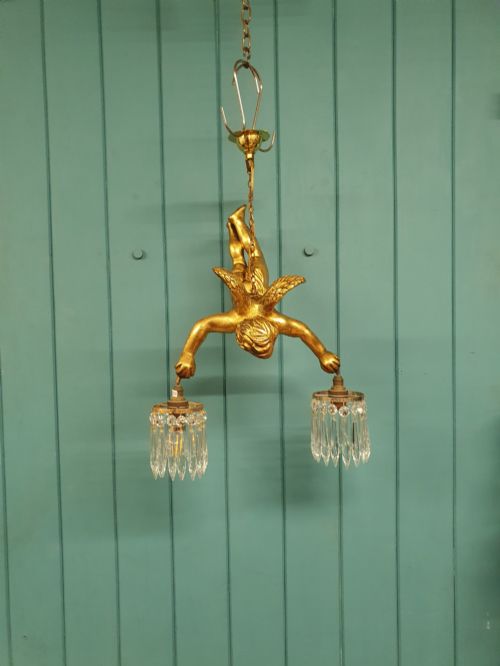
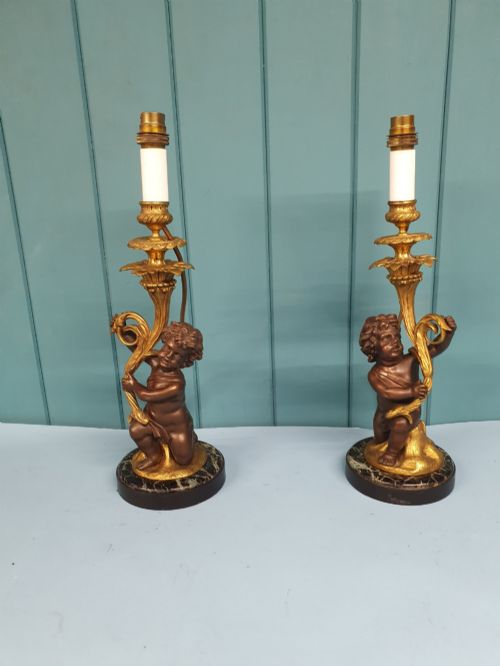
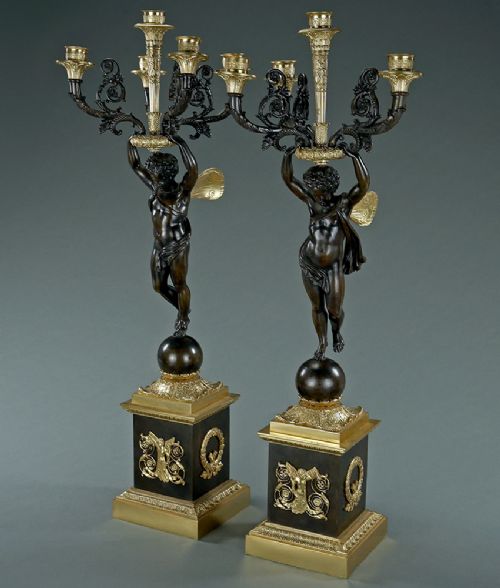
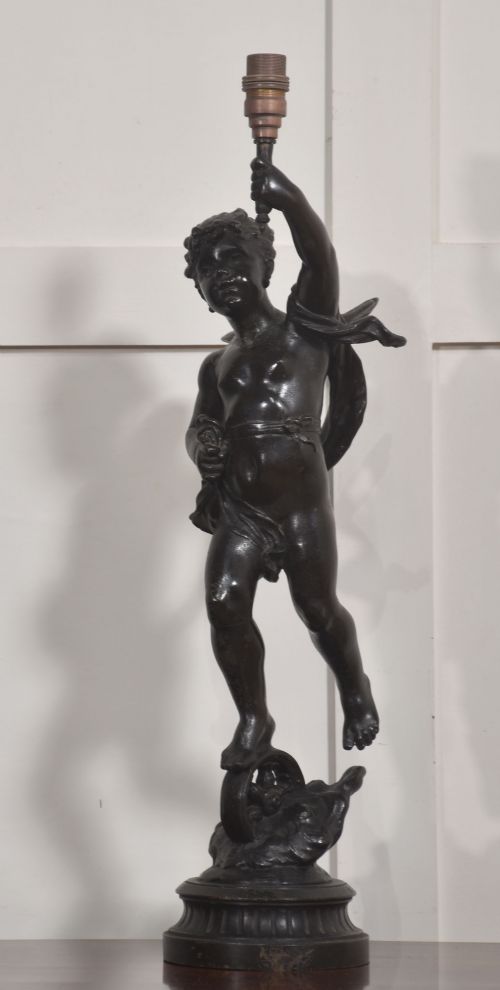
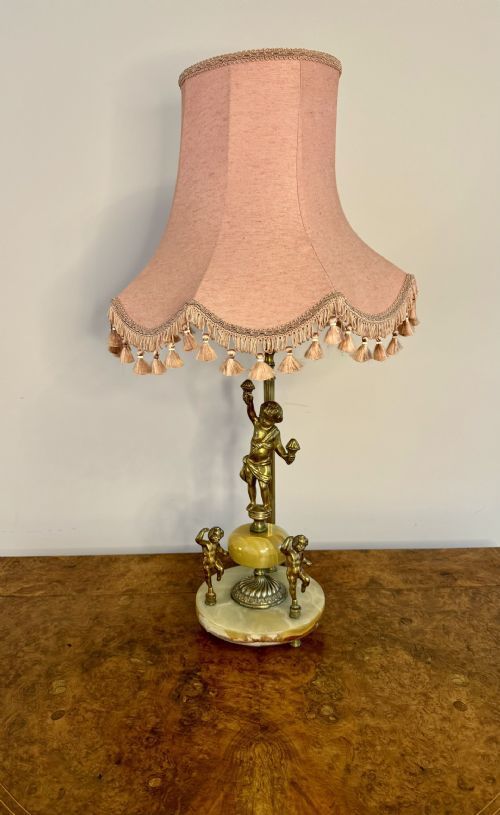
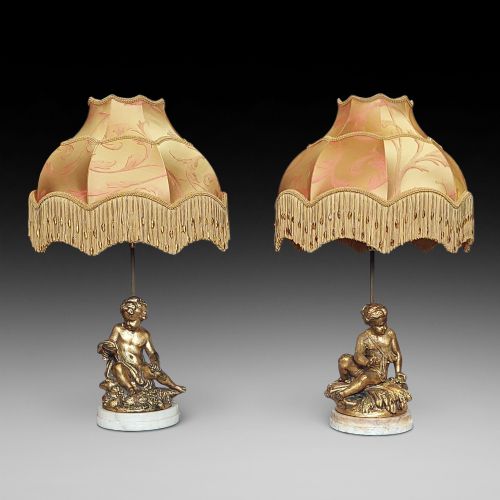
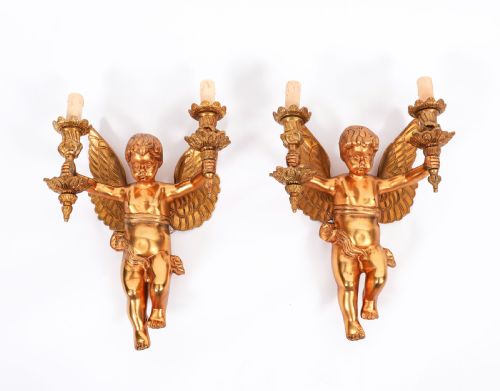
French cherub lighting brings figurative sculpture into domestic illumination through cast metal figures holding branches or supporting shades.
French Cherub Lighting
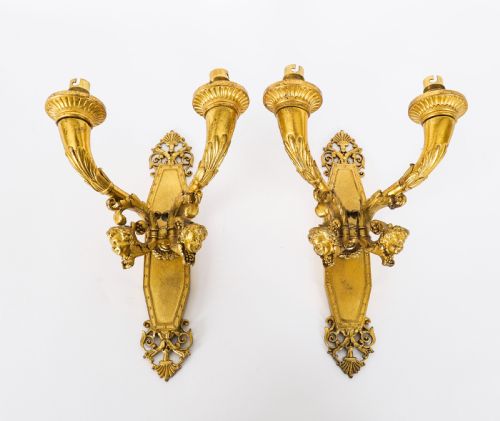
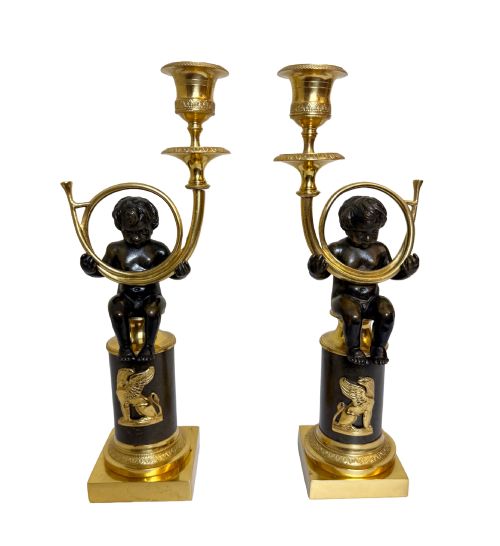
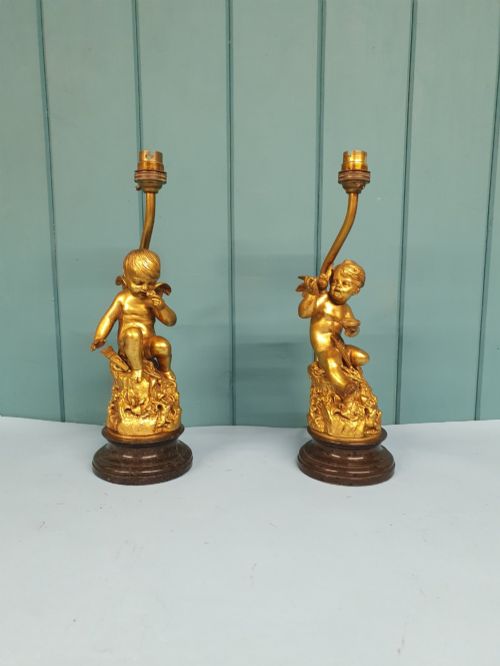
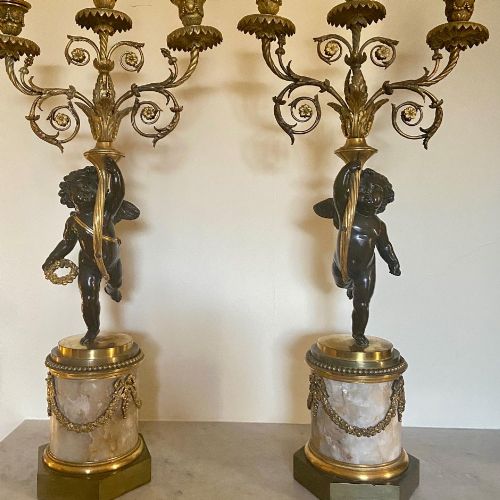
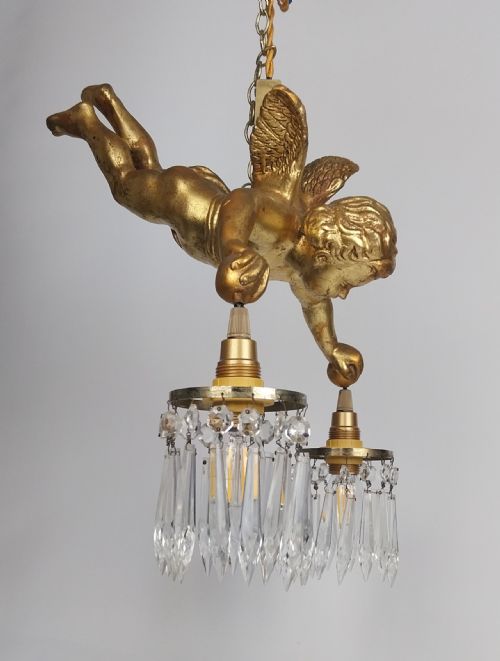
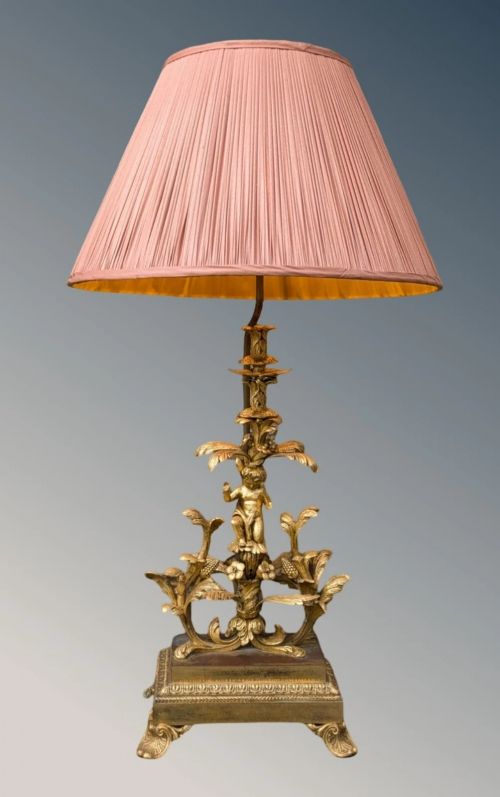
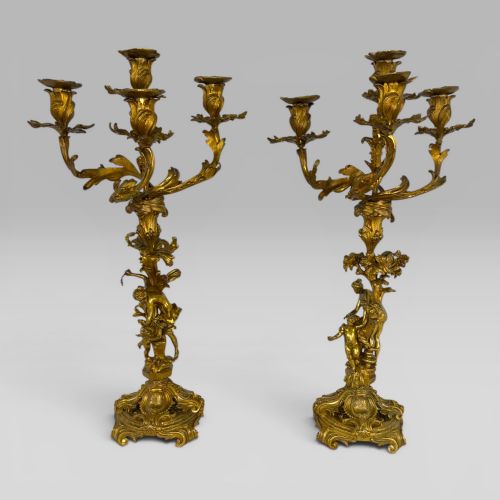
French cherub lighting encompasses table lamps, wall sconces, candelabra, and chandeliers incorporating winged figures derived from classical motifs. When exploring French cherub lighting, buyers encounter matching pairs designed for symmetrical placement on mantelpieces or flanking mirrors.
The objects take several distinct forms, ranging from single candle holders to multi-armed ceiling lights carrying fabric shades or crystal drops. Many surviving examples date from the nineteenth century, reflecting revival styles inspired by earlier monarchical periods.
Materials and construction
Foundry workers cast figures in bronze, brass, spelter, or gilt metal, often finishing surfaces with patination or fire gilding known as ormolu. Artisans combined these metallic elements with natural supports such as marble or onyx bases, mounting candle nozzles and electrical fittings into the upper sections.
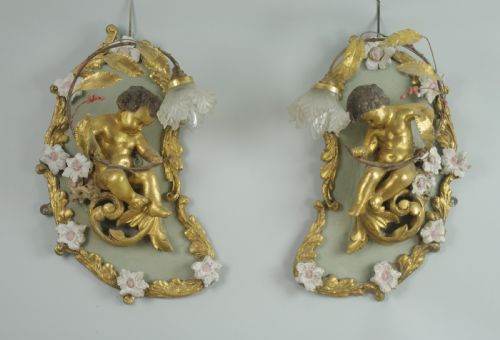
Decorative additions include porcelain flowers, cut glass crystal spikes, and enamel details applied by hand. Component parts screw or pin together beneath heavy bases, uniting figurative sculpture with functional illumination hardware.
Listings feature 19th Century, Victorian, and early 20th century periods using materials including gilt bronze, marble, ormolu, and fabric.
Distinctions in execution
Substantial stone bases, such as veined marble or alabaster, anchor the composition and indicate higher grade production than lighter composite alternatives.
Francois Redmond
The French Cherub Lighting Glossary
- Ormolu
- Gilded bronze produced through mercury amalgamation, creating a durable golden surface layer on nineteenth century metalwork. This technique yields a warm metallic lustre that resists tarnishing over decades.
- Spelter
- A zinc alloy utilised as an economical alternative to bronze for figural castings, frequently painted or bronzed to simulate heavier metals. It requires gentle handling due to its relative softness compared to bronze.
- Candelabra
- Branching lighting fixtures designed to hold multiple candles or wired bulb fittings simultaneously. They typically stand upon circular or square bases with symmetrical arms.
- Putti
- Plump, winged infant figures depicted in art, corresponding to cherubs or cupids within classical decorative schemes. They appear seated, flying, or supporting lighting arms across various periods.
- Torchère
- A stand or light fixture modelled after a torch or flame bearer, often taking the form of a standing figure holding illumination aloft. These pieces serve as floor or table lighting units.
French Cherub Lighting: Frequently Asked Questions
How do I wire an antique lamp safely?
Rewiring requires passing modern flexible cable through the existing internal channels of the metal body, replacing old lamp holders with compliant brass fittings and appropriate earth connections.
Qualified electricians should test insulation resistance and ensure the weight of the fixture rests securely upon its mounting stem rather than the electrical cord.
Are these fixtures originally electric?
Most nineteenth century examples began life holding candles or oil burning mechanisms before undergoing conversion to electricity during subsequent decades. Adaptation often involved drilling internal paths or running cords externally down the rear of the figures.
Later twentieth century productions frequently emerged from workshops equipped for electrical wiring from the outset, utilising standard domestic bulb holders.
How should I clean gilt bronze surfaces?
Dust removal relies on a soft, dry brush to prevent abrasive particles from scratching the delicate metallic gilding or patinated bronze skin. Moisture and commercial chemical cleaners cause irreparable damage to historical finishes.
Light application of microcrystalline wax protects exposed metal from atmospheric oxidation without altering the underlying texture or colour.
How do I distinguish nineteenth century pieces from later revivals?
Nineteenth century metalwork displays hand-chased surface details, heavier bronze or ormolu construction, and components secured by threaded hand-cut screws. Older marble bases often exhibit natural fissures and older patination consistent with age.
Twentieth century reproductions frequently employ uniform machine casting, lighter alloys like spelter, and modern fastening hardware beneath the felt pads.