

French Appliques
French antique appliques bring genuine period illumination to a wall, offering the decorative weight and historic warmth that modern light fittings simply cannot manage.
What french antique appliques are
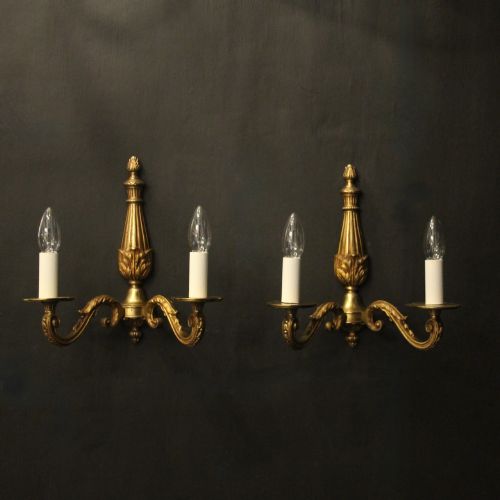
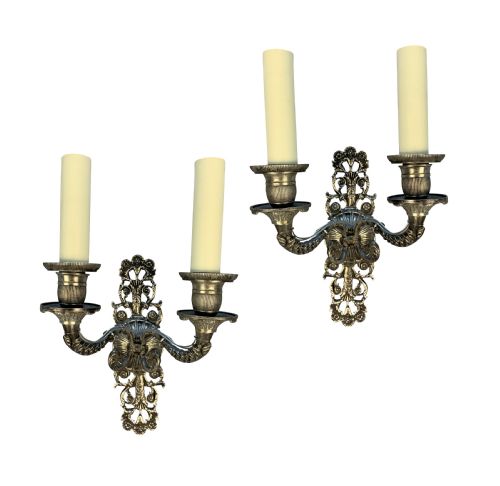
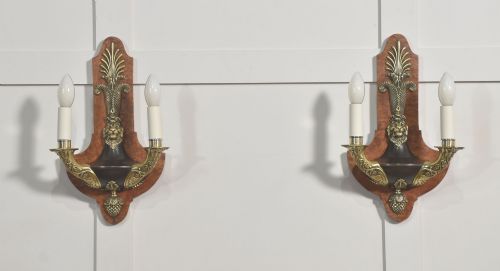
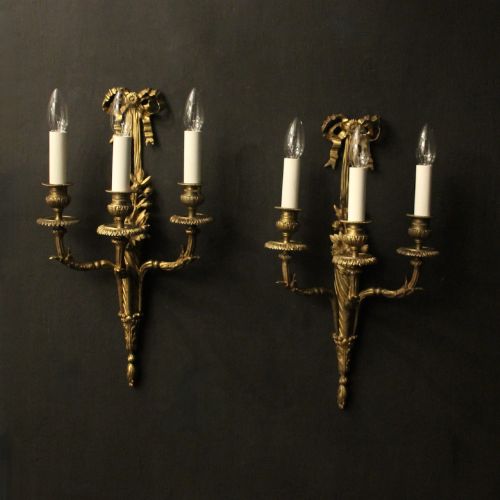
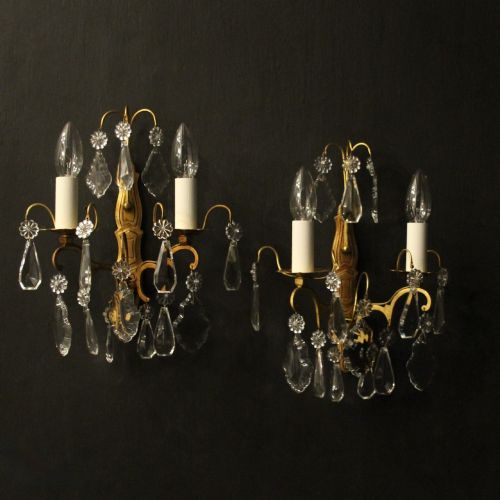
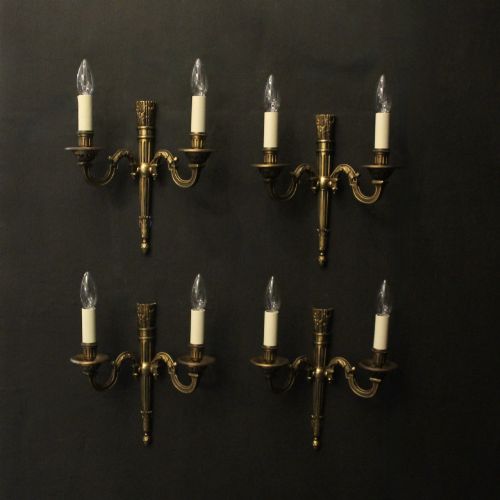
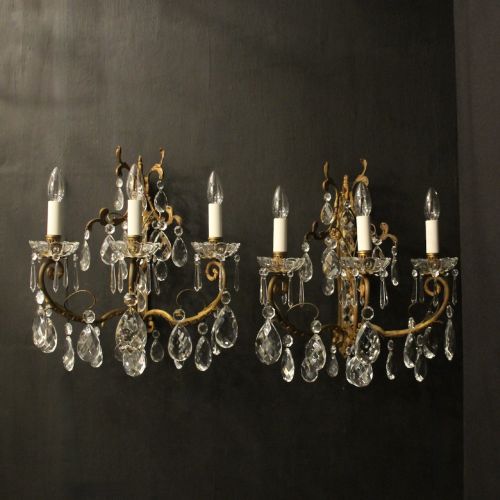
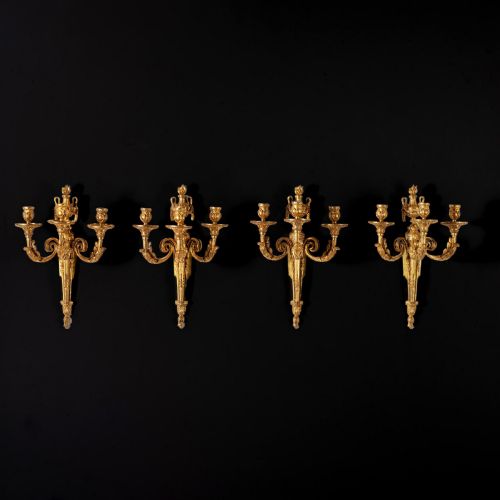
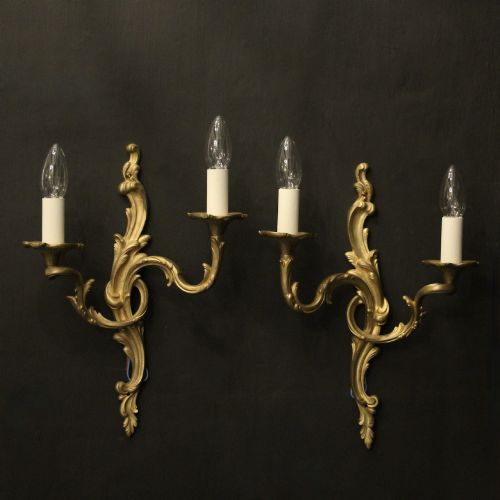
French antique appliques are wall-mounted light fittings designed to hold candles or bulbs, functioning as both practical illumination and decorative wall art. When you search for french antique appliques, you encounter lighting pieces primarily originating from the nineteenth and early twentieth centuries. These fixtures appear frequently in pairs or sets of three, spanning styles from the decorative curves of the Rococo movement to the balanced symmetry of Louis XVI and French Neoclassical designs.
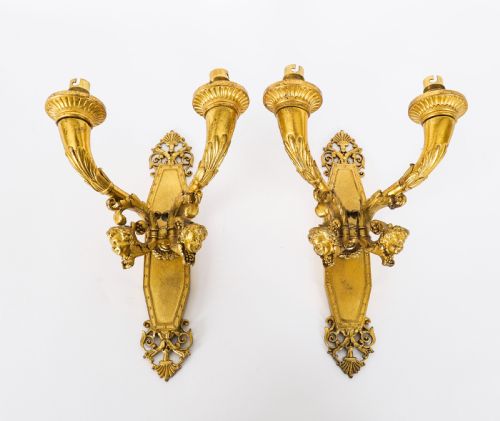
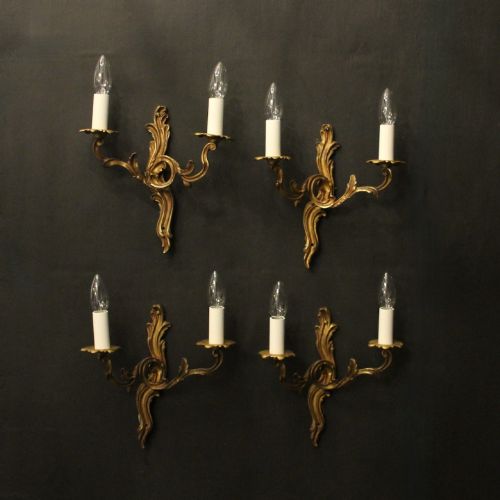
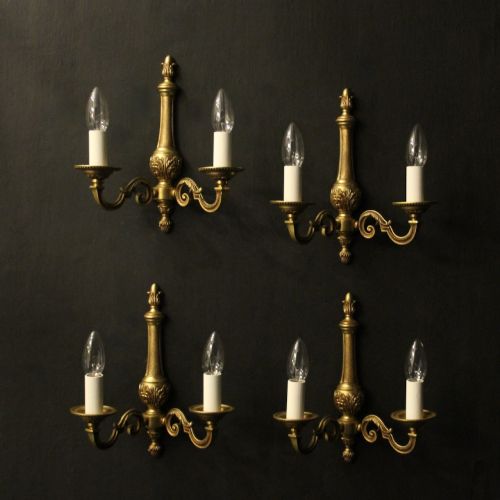
The forms on this page include twin-arm and triple-arm wall sconces, alongside larger scale pairs that command attention in a hallway or principal reception room. Dating ranges from nineteenth-century bronzes to gilded brass fixtures produced around 1920 and 1930. They transform a plain vertical surface into a focal point while casting a warm, directional glow across the room.
How they were made
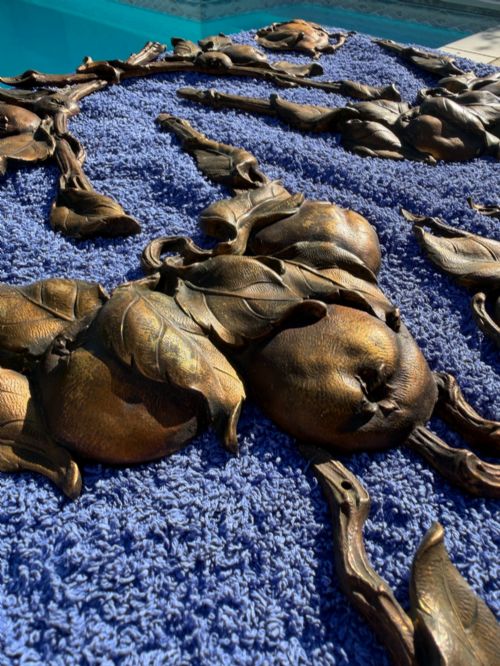
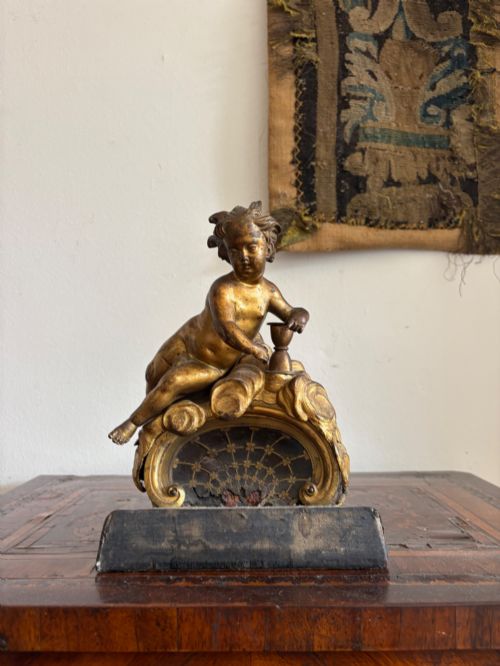
The construction of these appliques relies heavily on traditional metalworking techniques, utilising cast bronze, brass, and ormolu. Artisans shaped molten metal into complex arms and backplates, often applying a rich layer of gold leaf or gilt finish to enhance their reflective qualities under candlelight. In some instances, gesso and carved giltwood form the structural foundation, offering a lighter alternative to solid metal castings.
Makers employed meticulous finishing processes, chiselling and chasing the metal surfaces after casting to sharpen details like acanthus leaves, scrollwork, and classical motifs. Multiple arms were securely joined to backplates designed for wall hanging, ensuring the heavy metalwork remained stable and balanced once installed.
Retail Price Guide 2026
Typical UK retail prices for french appliques, calculated from the Sellingantiques database of over a million retail prices indexed since 2003. This retail price guide relies exclusively on Sellingantiques data; no external sources or auction records are used, so the figures do not describe the wider market.
Even unlit, a heavy bronze sconce casts dramatic shadows that make plain wallpaper look entirely intentional.
What varies in quality
Quality in these lighting fixtures reveals itself in the crispness of the casting and the depth of the chasing. Superior examples display sharply defined ornamentation where every leaf, scroll, and facial mask is hand-finished by a skilled artisan, whereas inferior pieces rely on soft, shallow castings with little manual refinement.
The calibre of the gilding also dictates the overall standard, with heavy gold leaf or fine ormolu maintaining a rich, mellow lustre over generations. Weight and structural integrity separate robust, substantial bronzes from lighter, more utilitarian brass pressings.
Maison Baques
The French Appliques Glossary
- Applique
- A wall-mounted lighting fixture or decorative sconce designed to hold candles or electric fittings. These pieces project outward from the wall surface.
- Ormolu
- Finely ground high-carat gold mercury-gilded to a bronze object. This technique imparts a rich, lasting golden sheen characteristic of high-end French decorative metalwork.
- Giltwood
- Timber that has been carved and subsequently coated with a thin layer of gold leaf. It offers ornate decorative possibilities with a lighter physical weight than cast bronze.
- Gesso
- A plaster-like mixture applied to wood surfaces as a smooth base for gilding. It allows for intricate moulded details before the gold leaf is laid down.
Frequently Asked Questions
How do I wire old wall lights?
Most antique wall lights require professional rewiring by an electrician to meet modern safety standards. They are typically adapted to accept small modern lamp holders while preserving the original metalwork.
Your electrician can mount them securely to standard wall junction boxes using concealed brackets that respect the antique backplate.
Where should I hang appliques?
These fixtures look best mounted at eye level in hallways, flanking a fireplace, or either side of a large mirror. Their reflective gilt surfaces bounce ambient light around the room.
Ensure they are placed high enough to avoid accidental bumps while seated or walking past.
How do I clean gilded bronze?
Dust gently with a soft, dry brush to prevent dirt accumulation in the recessed areas of the chasing. Avoid abrasive cleaners, water, or chemical solvents that can strip away the historic gilt finish.
Persistent grime should be left to professional conservators to protect the integrity of the surface.
How do I date an applique?
Dating relies on stylistic clues, casting methods, and material composition. Nineteenth-century examples often feature heavy cast bronze with hand-chased details, while later twentieth-century pieces adopt cleaner lines or specific brass alloys.
Comparing the mounting hardware and screw types also helps establish the era of manufacture.