




French Chateau Decorative Panel
These french chateau decorative panel pieces bring historic interiors alive with hand-painted canvas, carved wood, and gilded mirrors.
French Chateau Decorative Panel
A french chateau decorative panel brings architectural elegance directly into a room, drawing on centuries of interior design traditions. Buyers searching this phrase encounter items spanning from the eighteenth century through to the early twentieth century.
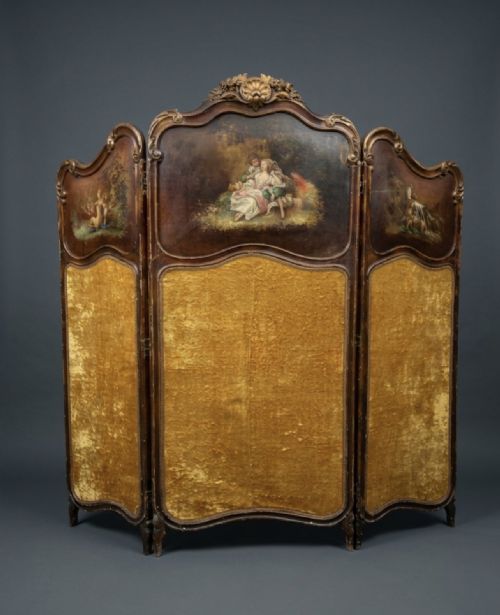
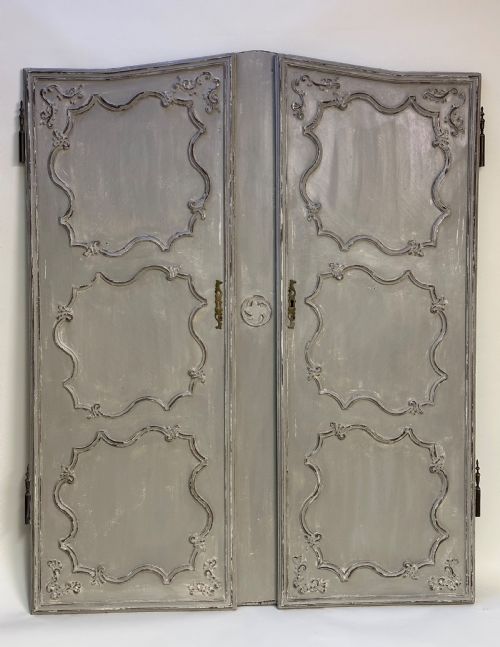
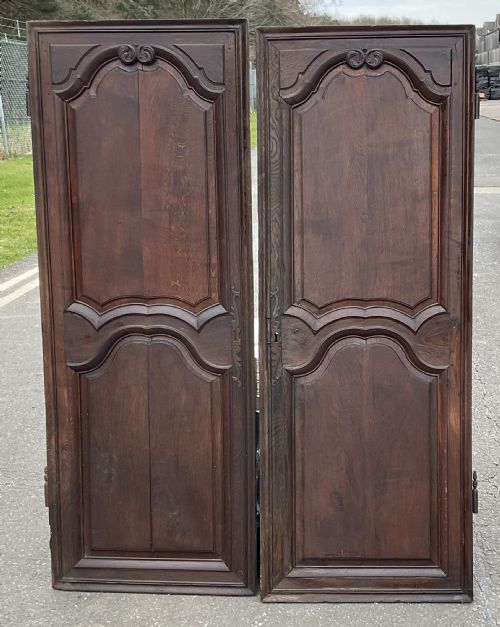
The selections on this page encompass various forms including painted boiserie wall panels, canvas screens, hand-carved wooden doors, and ornate trumeau mirrors. Eighteenth-century hand-painted examples sit alongside nineteenth-century Rococo Revival and Louis XVI style pieces.
Makers and artisans utilised oil paint, giltwood, and iron to construct these architectural elements, which served originally within grand domestic spaces. Surviving items frequently combine mirror glass with decorative relief work or figurative oil paintings.
How they were made
Wood serves as the primary structural foundation, shaped through hand carving to form robust doors, architectural panels, and mirror frames. Artisans applied gesso and gold leaf to create giltwood surfaces, or employed parcel gilt techniques over painted bases.
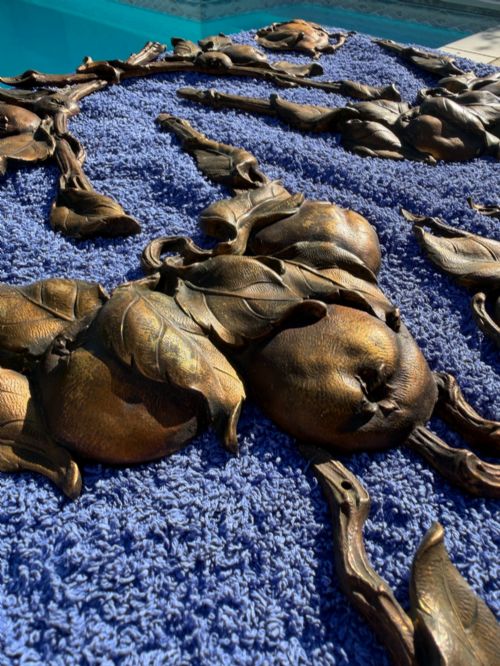
Canvas and wood panels received detailed oil paint decoration, often depicting pastoral scenes, floral motifs, or mythological figures. Metal elements such as gilt bronze appliques added ornamental relief to furniture mounts and trumeau frames.
Listings feature wood, glass, canvas, and giltwood across the eighteenth and nineteenth centuries.
What varies in quality
The finesse of the hand carving dictates much of the visual weight, distinguishing deeply undercut foliage from simpler shallow incisions. Painted surfaces range from fluid, expressive brushwork in original oil paintings to more straightforward decorative applications.
The integration of original materials, such as mercury glass within trumeau mirrors or authentic eighteenth-century canvas, determines the historical integrity of each piece. Structural wholeness in wooden doors and screens also separates standard decorative items from superior surviving examples.
Poix Blin
The French Chateau Decorative Panel Glossary
- Trumeau
- A decorative wall mirror or panel featuring an oil painting or relief sculpture set into the upper section above the glass. This architectural feature originated in grand French interiors to fill the space between windows.
- Boiserie
- Carved wooden panelling applied to the interior walls of a room. These decorative elements define historic French interior architecture.
- Giltwood
- Timber surfaces coated with a thin layer of gold leaf or powder over a prepared gesso ground. This technique creates a luminous metallic finish characteristic of formal period furniture.
- Applique
- An ornamental metal mount or plaque attached to furniture or architectural woodwork. These decorative elements often utilise cast bronze.
French Chateau Decorative Panel: Frequently Asked Questions
How were trumeau mirrors used?
These mirrors were traditionally hung on the pier wall between two windows to reflect natural light deeper into reception rooms.
Their upper panels often incorporated oil paintings or decorative reliefs to complement the wider decorative scheme of the salon.
Can antique painted panels be cleaned?
Surfaces finished in oil paint or canvas require gentle dusting with a soft, dry brush to prevent the accumulation of abrasive particles.
Moisture and modern chemical cleaners must be avoided entirely to protect the historical paint layers and underlying gesso.
How do I identify Louis XVI style?
Louis XVI style pieces emphasise straight lines, symmetry, and classical architectural motifs derived from antiquity, contrasting with earlier curved Rococo forms.
Details often include ribbon twists, urns, and neoclassical floral garlands carved into wood or cast in bronze.