





18th Century Decorative Panel
These 18th century decorative panel pieces bring historic craftsmanship and rich pictorial art directly to interior walls.
18th Century Decorative Panel
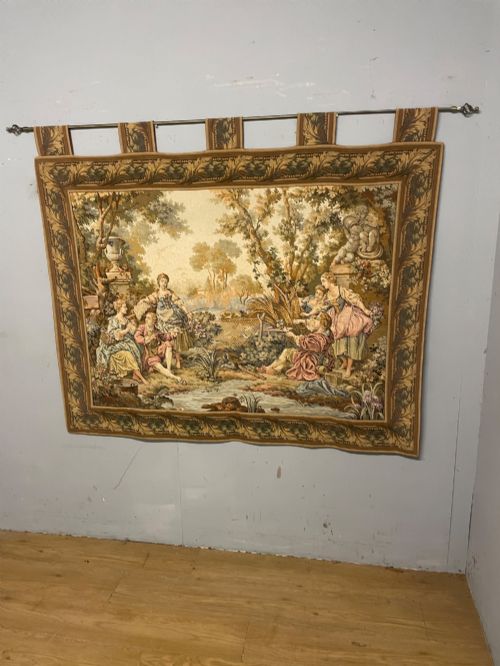
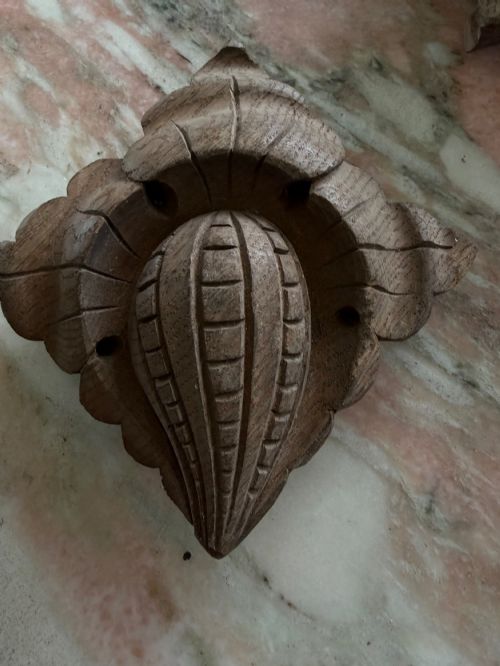
When you search for an 18th century decorative panel, you encounter an array of architectural fragments, carved wood elements, and painted works designed to adorn historic interiors. The inventory spans naive pine panels depicting saints, carved oak ceiling bosses, and grand grisaille oil on canvas paintings.
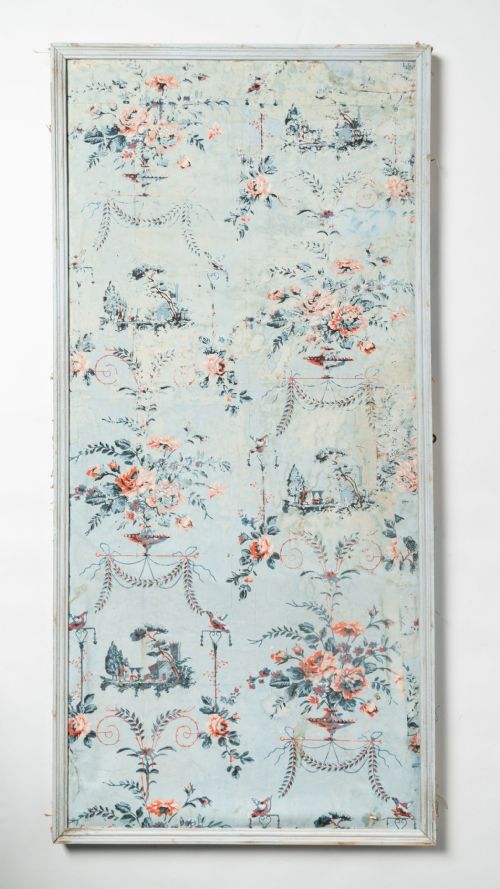
Most examples originate from the eighteenth century, though pieces range into the nineteenth century and occasionally feature later revivals or related objects such as folding screens and room dividers. Styles extend from French Chinoiserie and Rococo to English Baroque, Neoclassical, and folk art.
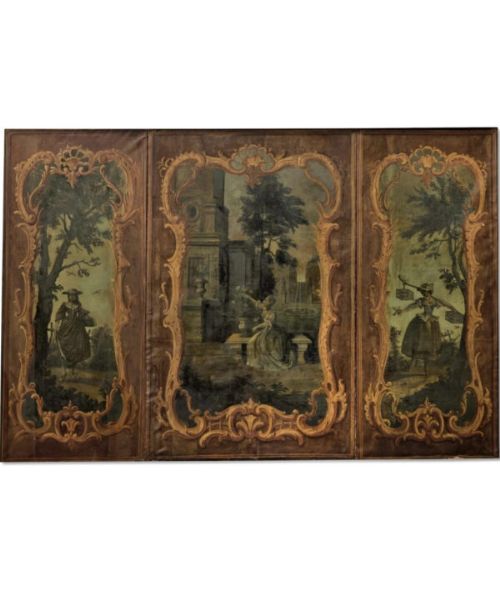
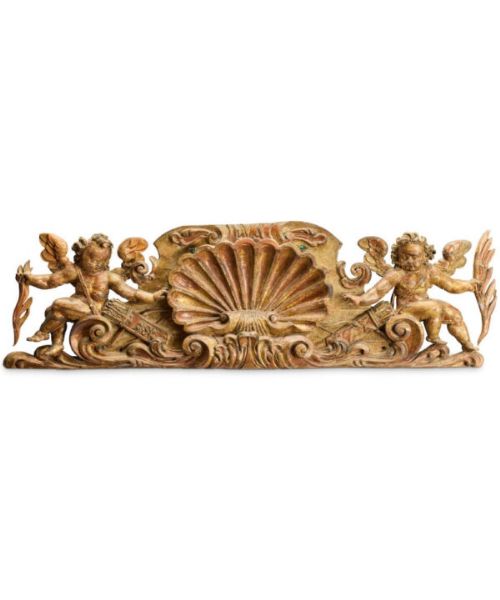
Buyers frequently find canvas panels, hand-painted leather screens, and parcel gilt architectural pediments. These items function as wall art, architectural salvage, and striking focal points within modern or traditional rooms.
Materials and construction
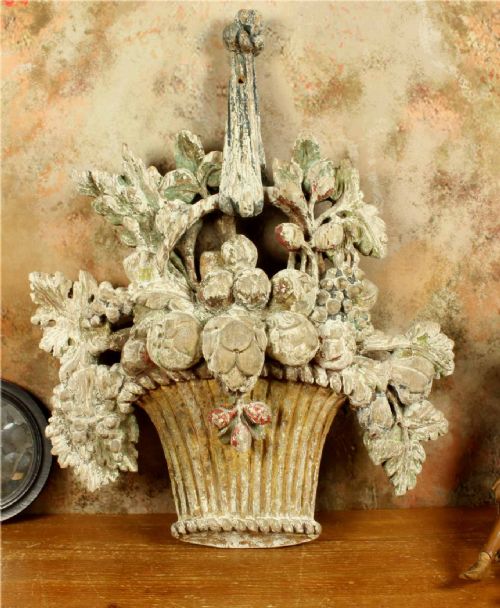
Maker construction relies heavily on timber such as pine and oak, often shaped through detailed wood carving to create ceiling roses, floral reliefs, and architectural pediments. Surfaces receive paint, pigment, and gold leaf to achieve rich polychrome or parcel gilt finishes.
Canvas and leather serve as primary surfaces for pictorial works, utilising oil paint for grand grisaille compositions and hand-painted details. Cordoban leather utilises embossing and gilding techniques, while other pieces incorporate marquetry and cart door architecture.
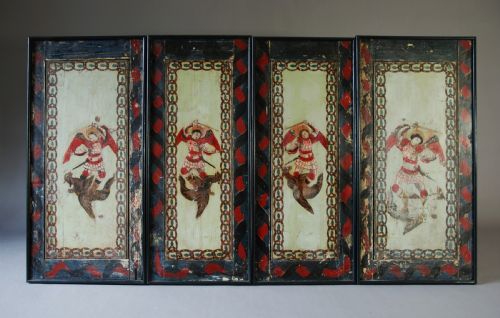
St Michael occasionally keeps watch from a set of twelve naively painted pine panels.
Judging quality in historic panels
The integrity of the original material, whether carved oak, pine, or embossed leather, dictates the structural merit of the panel. Superior examples retain their original painted surfaces and gilding without heavy modern intervention.
The 18th Century Decorative Panel Glossary
- Grisaille
- A painting executed entirely in shades of grey or neutral greyish-brown monochrome. This technique mimics the appearance of stone sculpture or relief carving.
- Parcel Gilt
- A method where only specific portions of an object receive application of gold leaf. It highlights carved details against a painted or natural wood background.
- Ceiling Boss
- A projecting block of carved wood placed at the intersection of ribs in a ceiling. These architectural elements often feature floral or figurative motifs.
- Chinoiserie
- A European artistic style reflecting Chinese motifs and techniques. It appears frequently on painted canvas panels and screens from the period.
- Polychrome
- The practice of decorating architectural elements or wood carvings in a variety of colours. This surface treatment adds visual depth to panels and wall art.
18th Century Decorative Panel: Frequently Asked Questions
Where were these panels originally placed?
These panels decorated the walls, ceilings, and architectural dividers of grand houses, chateaux, and religious spaces. They formed part of integrated interior schemes, functioning as wall art, pediments, or folding screens.
Over time, many survived by being removed from their original architectural context to be preserved as standalone decorative wall panels or wall hangings.
How do I hang a heavy wood panel?
Carved wood panels and architectural fragments require secure fixing due to their substantial weight. Professional installers often utilise hidden battens or heavy-duty french cleats screwed directly into structural wall studs.
Lighter canvas panels and leather screens use simpler picture hanging wire, though rigid wooden frames still benefit from stable, multi-point wall support.
How do I clean painted canvas panels?
Painted canvas and oil on canvas panels require gentle dusting with a soft, dry brush to prevent surface damage. Moisture and modern chemical cleaners should be avoided to protect aged pigments and canvas integrity.
Professional conservators handle deeper cleaning or stabilization of flaking paint, ensuring the historic pigments remain undisturbed.
Can these panels be used in bathrooms?
Historic wood, painted canvas, and leather panels are sensitive to moisture and humidity fluctuations. Placing them in bathrooms risks warping the timber, cracking the paint, and damaging gold leaf.
Dry interior rooms with stable climates provide the ideal environment for preserving these delicate materials over the long term.