

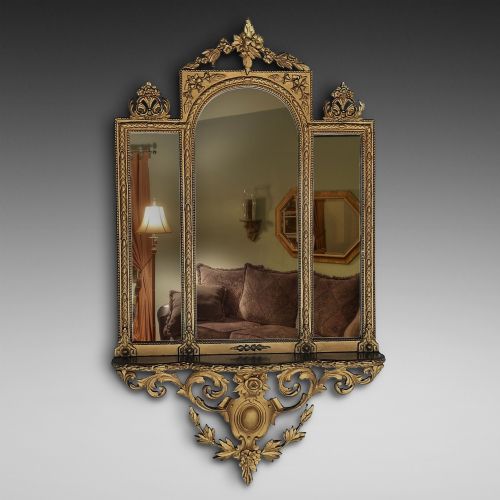
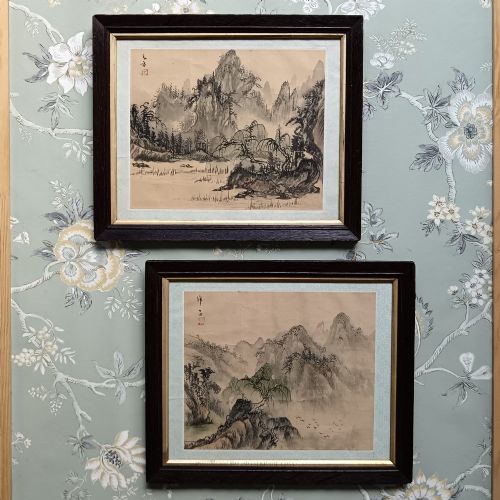
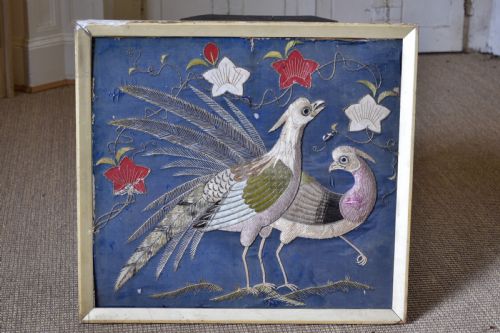
Framed Wall Panel
When you search for a framed antique wall panel, you are looking at centuries of decorative skill captured in wood, silk, and oil.
Framed Wall Panel
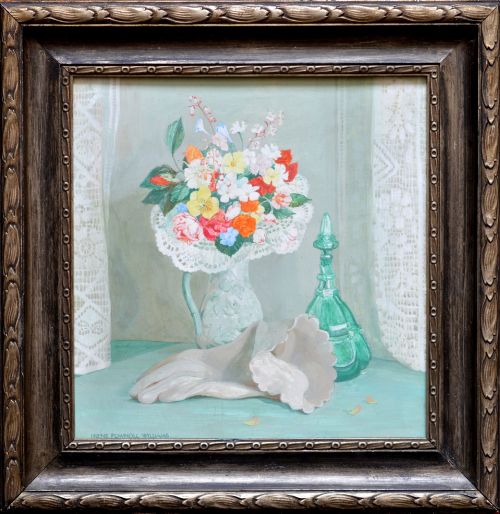
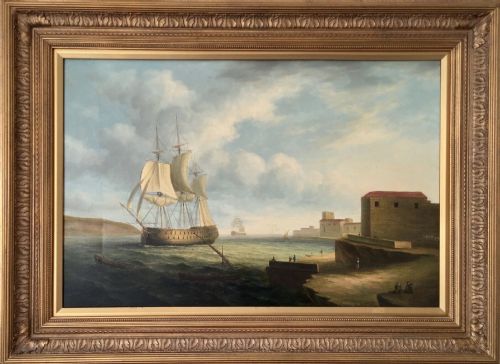
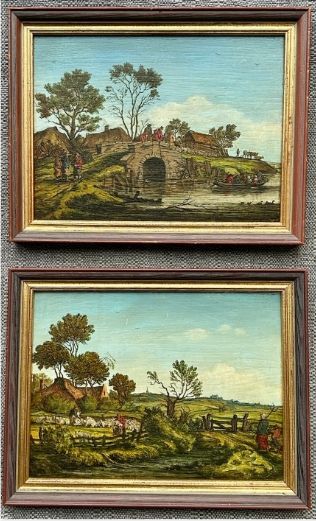
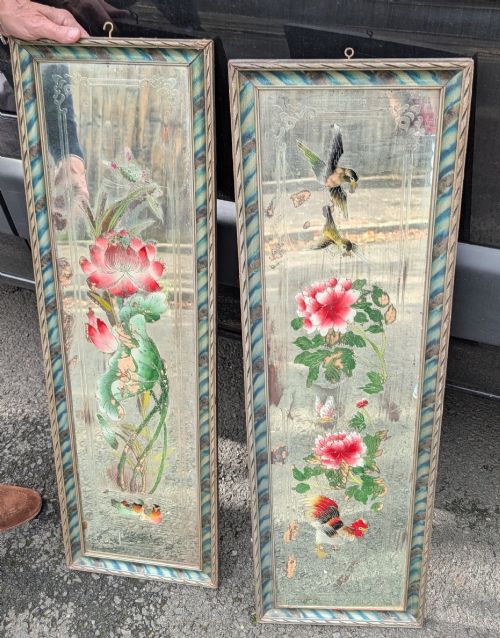
A framed antique wall panel encompasses a diverse array of items designed for display, ranging from oil paintings on wood to textile works and mirrors. You will most frequently encounter nineteenth-century examples, alongside pieces dating back through the eighteenth and seventeenth centuries.
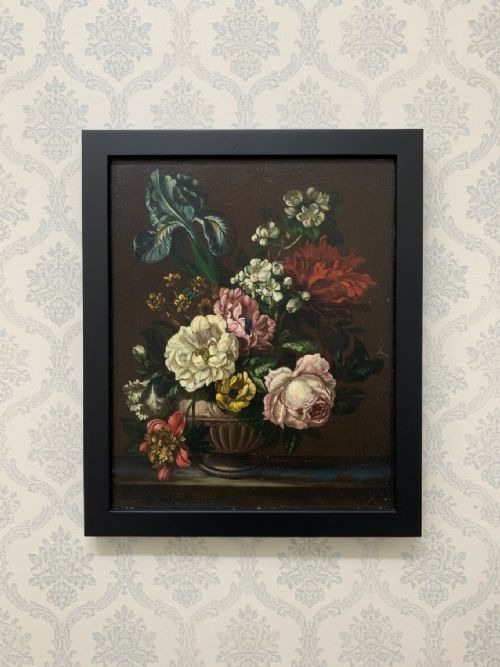
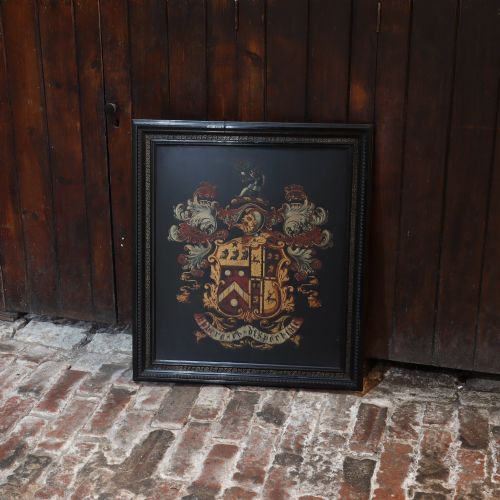
The category includes oil portraits, heraldic plaques, embroidered silk works, and Dutch still lifes housed in period frames. These objects reflect various stylistic traditions, including Georgian, Victorian, Regency, and Chinoiserie.
How they were made
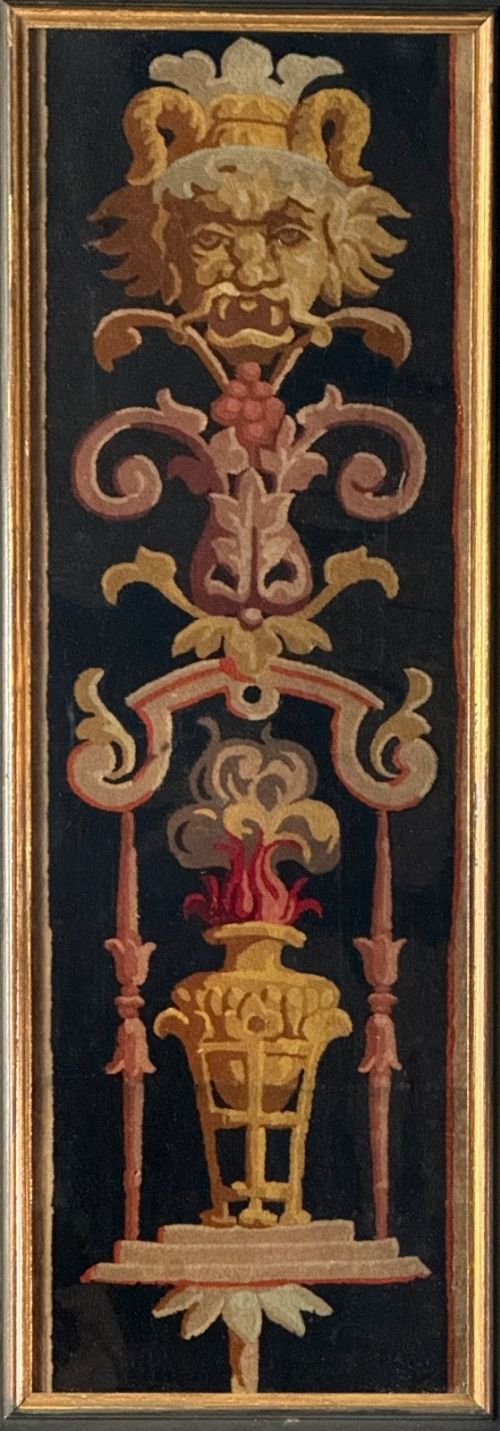
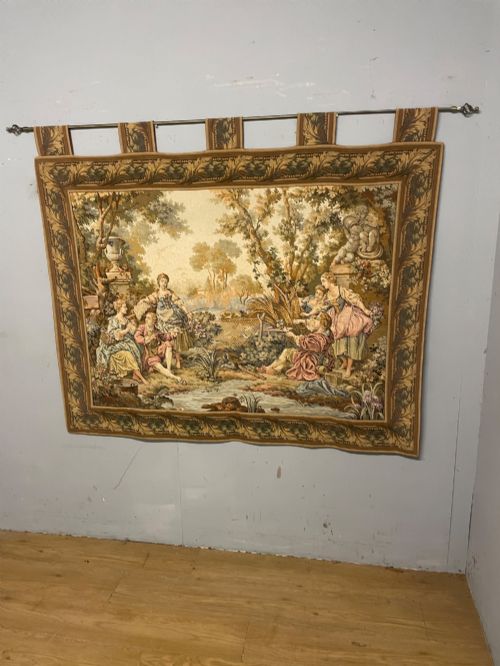
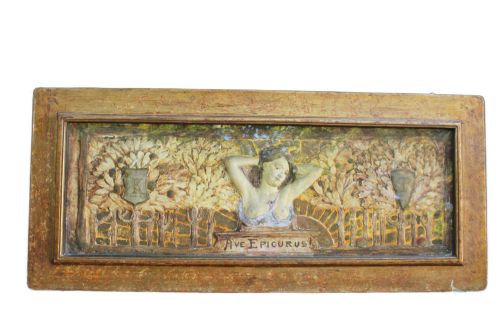
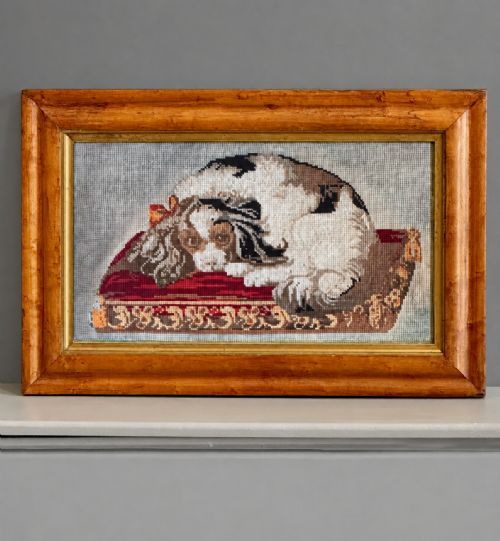
Makers utilised traditional supports such as wood panels, linen, and canvas, applying oil paint, tempera, and gold leaf by hand. Textile panels display intricate needlework, wool work, and silk embroidery executed with precise stitchery.
Framing materials reflect the period of creation, featuring gilt wood, burr maple, and painted finishes designed to complement the artwork within.
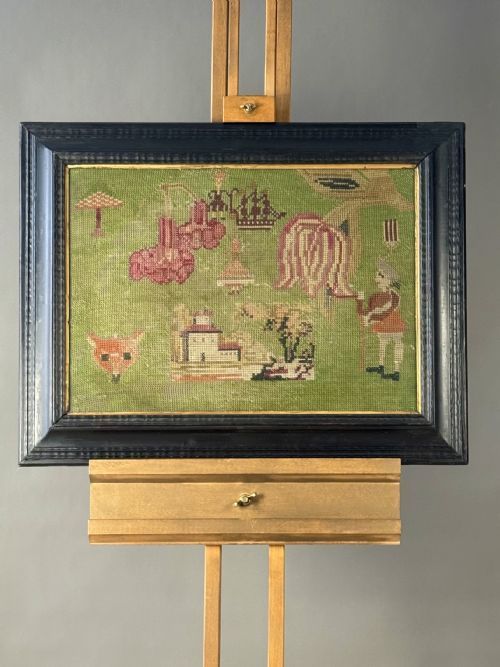
The selection includes regional items ranging from British needlework samplers to Dutch still lifes and Chinese silk paintings.
What varies in quality
Quality rests upon the execution of the primary artwork, whether that involves the fine brushwork of an oil painting or the meticulous needle tension in a silk embroidery. Superior examples retain their original framing and pigment vibrancy over centuries.
The provenance and documented attribution to specific schools or artists elevate the standing of a panel, distinguishing standard decorative pieces from significant works of fine art.
Joseph Clover RA·Florence Adelina Hess·Paul-Élie Gernez·Maud Raphael Jones
The Framed Wall Panel Glossary
- Panel
- A flat piece of wood or other rigid material used as a support for painting or relief work. Oak and pine are common timbers found in earlier examples.
- Needlework
- Decorative sewing executed on a canvas or fabric ground using wool, silk, or metallic threads. Berlin work and sampler stitching are distinct sub-types.
- Gilt
- A thin layer of gold leaf applied to wood or plaster frames to create a reflective surface. This technique protects the underlying material while adding decorative richness.
- Verdure
- A style of tapestry featuring lush botanical designs, trees, and foliage. These fragments are frequently mounted to linen for wall display.
- Intaglio
- A design carved into the recessed surface of a gem, gypsum, or plaster panel. Impressions made from these create sharp, detailed miniature reliefs.
Framed Wall Panel: Frequently Asked Questions
How do I hang a heavy wooden panel safely?
Heavy panels require secure wall anchors and robust picture wire rated for the specific weight of the wood and frame.
Distributing the load across two separate hanging points prevents the piece from tilting and protects the antique frame from undue stress.
Are textile panels sensitive to sunlight?
Silk and wool threads fade when exposed to direct, strong sunlight over extended periods.
Positioning these textile works away from bright windows preserves the original colour and integrity of the fibres.
How do I clean an antique oil panel?
Surface dust should be removed gently with a soft, dry brush without applying pressure to the painted surface.
Liquid cleaners and chemical solvents must be avoided to prevent damage to the historic oil paint and wood panel.
What indicates an original frame?
Original frames show consistent age-related wear, patination, and construction methods that match the period of the central panel.
Fixings at the reverse, such as hand-forged nails or early wooden wedges, often confirm that the frame and panel have remained together.