




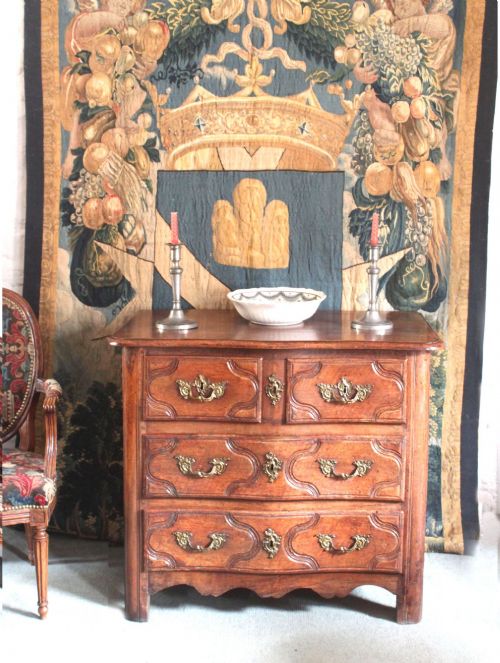
French Carved Storage Chest
A french carved storage chest offers substantial regional utility, bringing traditional timber storage and enduring joinery into modern rooms.
French Carved Storage Chest
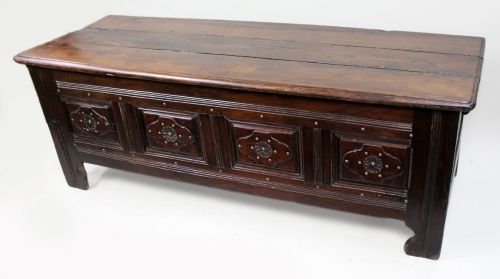
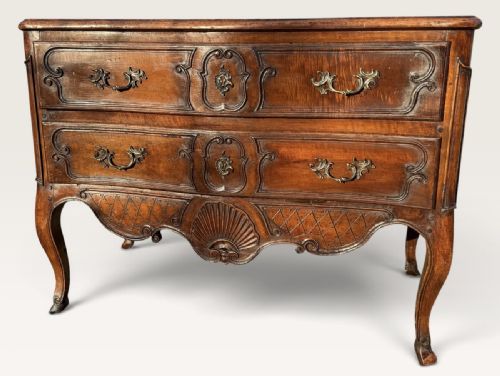
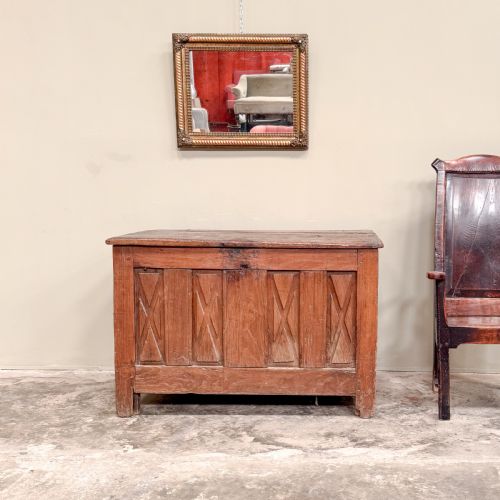
A french carved storage chest encompasses heavy-timber coffers, blanket boxes, and commodes designed for domestic storage across rural and urban interiors. These pieces span from the seventeenth century through the early twentieth century, reflecting shifting regional tastes in France.
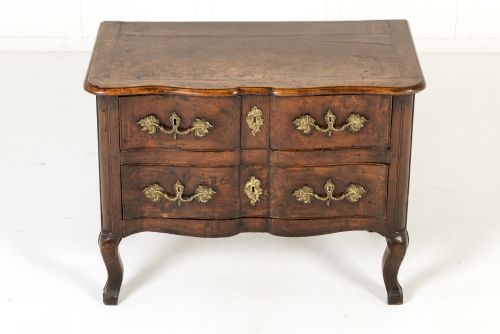
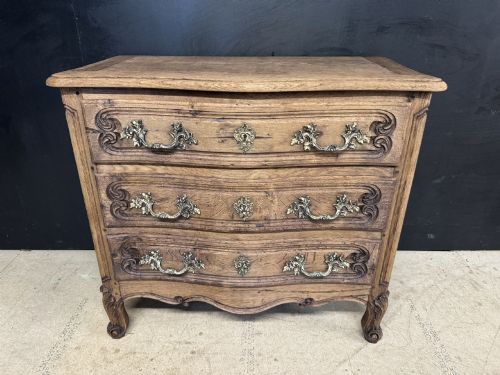
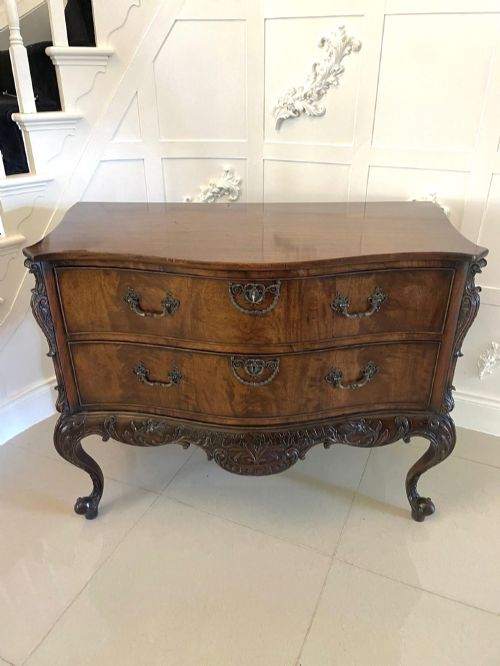
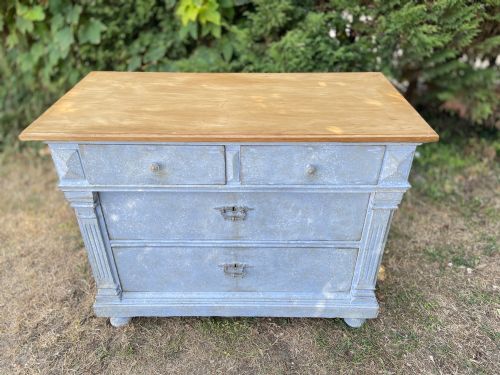
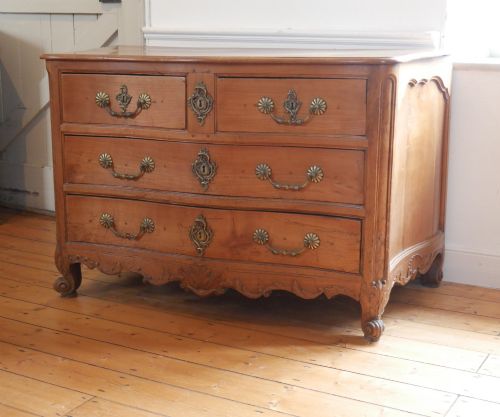
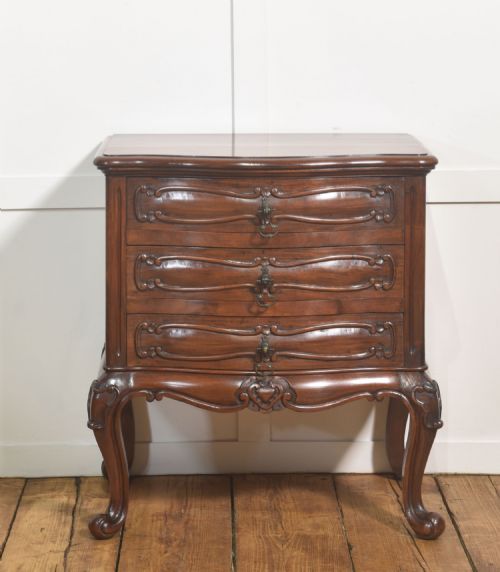
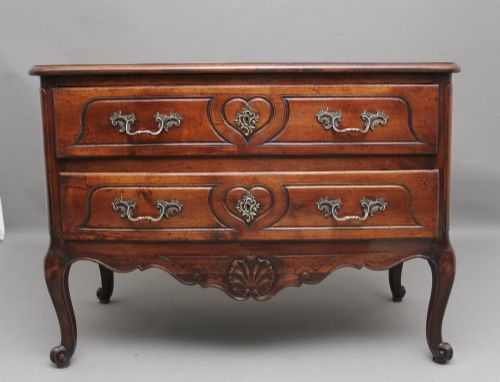
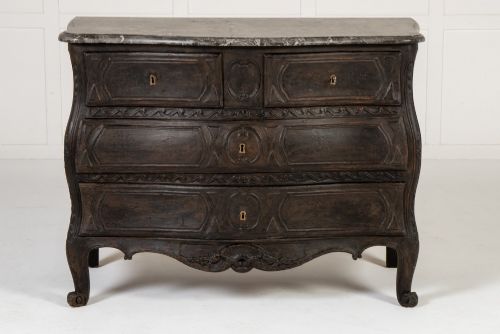
The most common examples on this page are walnut and oak commodes and coffers from the eighteenth and nineteenth centuries. Buyers frequently encounter serpentine fronts, bombe profiles, and provincial styles alongside later painted variants.
Evaluating Quality
Quality rests upon the crispness of the hand-carved ornamentation and the fluidity of timber movement in serpentine or bombe profiles. Superior examples display balanced proportions and tight joinery where panels meet.
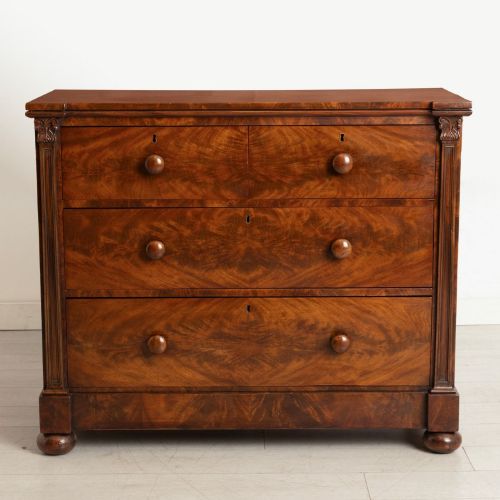
The selection of timber grain significantly divides the range, particularly in burr or figured walnut surfaces. Original hardware and undisturbed patination elevate the standing of a piece against later replacements.
French Carved Storage Chest Retail Price Guide 2026
Typical asking prices for french carved storage chest among the pieces listed under this phrase on Sellingantiques today, from the lower quarter to the upper quarter. They describe what is for sale here now, not the wider market.
Some nineteenth-century storage started life as an enclosed Breton bed frame before finding new purpose as a carved cabinet.
Tahan of Paris
The French Carved Storage Chest Glossary
- Commode
- A low chest of drawers or cabinet originating in France during the seventeenth century. It typically stands on short legs and serves as a primary bedroom or living area storage unit.
- Coffer
- A heavy wooden box with a hinged lid used for storing valuables or linens. Early versions feature thick oak planks joined by pegged framing.
- Bombe
- A swollen or bulging convex contour found on the front and sides of case furniture. This silhouette requires advanced woodworking skill to execute properly.
- Serpentine
- A furniture front or top shaped with a curving line, typically convex in the centre and concave at the ends. It adds dynamic movement to heavy timber chests.
- Lit-clos
- An enclosed box bed native to regions such as Brittany, where the front panel is sometimes repurposed into a cabinet. It reflects distinct local traditions of domestic architecture.
French Carved Storage Chest: Frequently Asked Questions
How do I date a french carved storage chest?
Dating relies on observing construction methods, timber choice, and stylistic markers such as hand-cut dovetails and pegged joints. Earlier pieces from the seventeenth and eighteenth centuries often display heavier oak or walnut framing and simpler iron hinges.
Later nineteenth and early twentieth-century examples incorporate machine assistance, softer pine carcasses, and decorative painting or marble inserts. Comparing the hardware and locking mechanisms to known period styles helps narrow the manufacturing decade.
Where were these chests originally placed?
Coffers and blanket boxes traditionally sat in hallways, bedchambers, or living areas to hold textiles, garments, and valuables. In provincial homes, they acted as multi-purpose furniture for storing household supplies.
Commodes developed primarily as bedroom storage for clothing and personal items, later transitioning into prominent display pieces in formal drawing rooms. Their sturdy tops also supported decorative objects or lighting.
How do I care for antique timber?
Maintaining antique timber requires keeping pieces away from direct heat sources and dramatic humidity swings to prevent wood splitting. Regular dusting with a dry, soft cloth preserves the finish without stripping the historical patination.
Applying a traditional beeswax polish occasionally helps nourish dry wood surfaces. Avoid modern silicone sprays or harsh chemical cleaners that can permanently damage old polished finishes.