



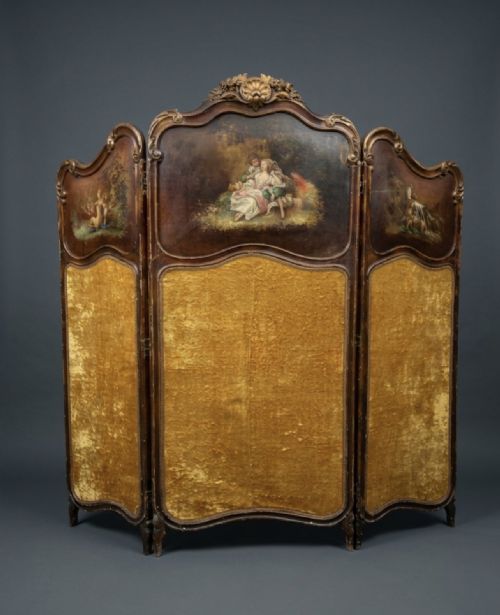
French Carved Panel
A french carved panel brings texture, history and architectural depth to a room through centuries-old woodworking traditions.
French Carved Panel
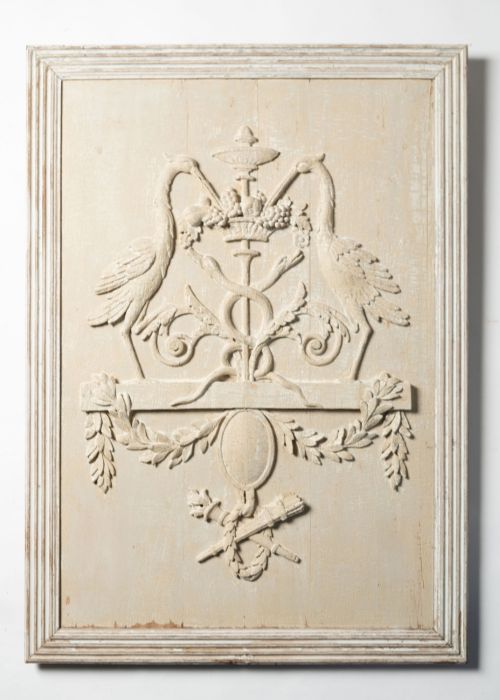
A french carved panel encompasses architectural fragments, overdoors, decorative wall art and structural elements sourced from coffers, armoires and trumeau mirrors. Buyers searching this phrase encounter items originating primarily from the eighteenth and nineteenth centuries, alongside earlier Renaissance and Gothic survivals.
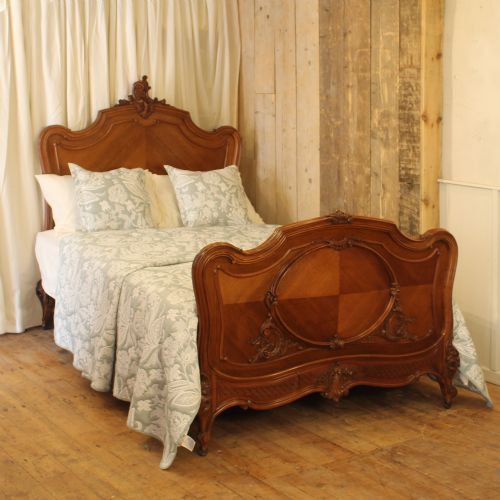
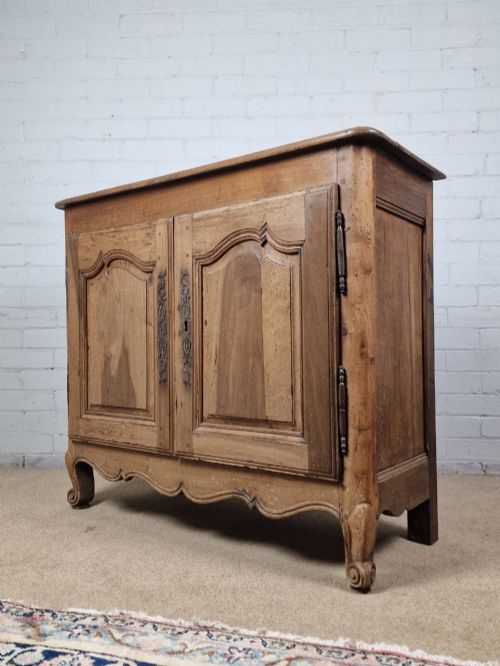
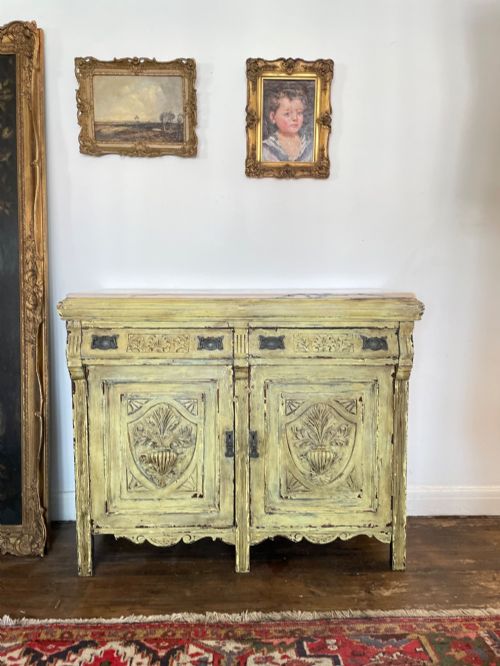
The pieces on this page appear in various timber species such as oak and walnut, often integrated into larger furnishings like side cabinets, folding screens and beds, or presented independently as wall reliefs. These items reflect provincial workshops and grand chateau aesthetics alike.
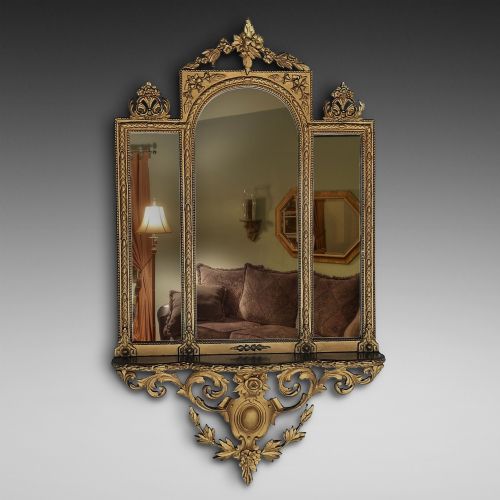
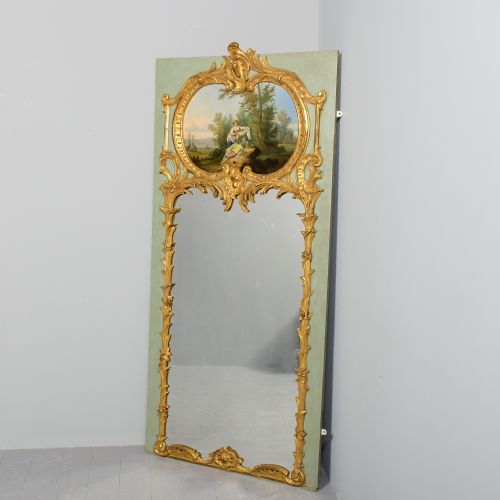
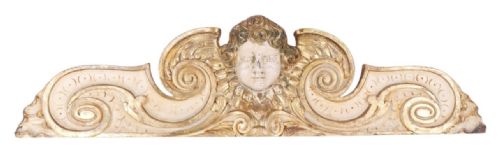
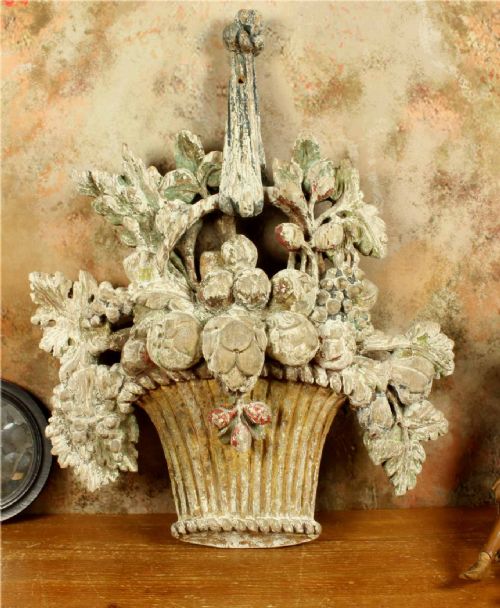
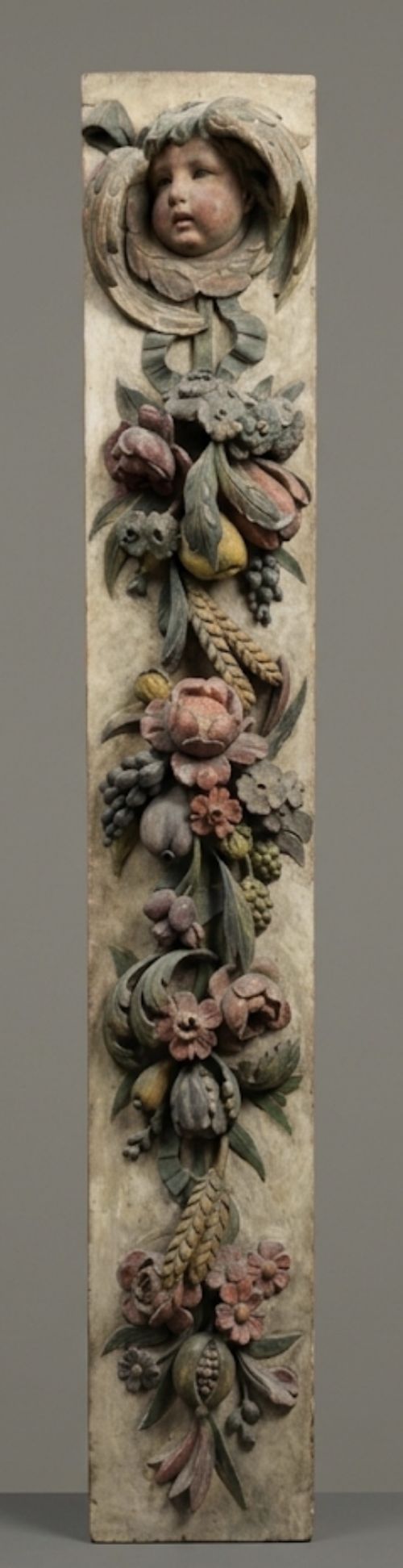
Many examples combine deep relief carving with paint, polychrome decoration or giltwood framing. Others serve specific historic functions as modesty screens, fire screens or overdoors designed to sit above interior doorways.
Materials and Construction Techniques
Makers utilised dense hardwoods including oak, walnut and fruitwood to achieve crisp relief work that withstood centuries of handling. Carpenters and woodcarvers shaped these timbers using hand chisels and gouges to execute floral motifs, pastoral scenes and classical ornamentation.
Surface treatments frequently involved gesso priming, oil paint, polychrome pigments and hand gilding applied over the carved timber ground. Secondary materials like brass, glass and needlepoint tapestry panels appear within or alongside the carved wooden frameworks.
The inventory records functional forms including folding screens, beds, side cabinets and wall mirrors.
Assessing Quality and Execution
The standard of a french carved panel depends upon the depth of the undercutting, the crispness of the chisel work and the anatomical proportions of figural subjects such as cherubs or portraits. Superior examples demonstrate confident handling where details remain sharp and unsoftened by subsequent layers of paint or wear.
Provenance and originality heavily influence value, distinguishing pieces retained within their original architectural context or framing from later adaptations. The integration of high-status elements, such as contemporary polychrome pigments or fine fruitwood trophy carvings, marks out works produced for exhibition or high-end chateau commissions.
Paul-Élie Gernez·Jean-Baptiste van Loo
The French Carved Panel Glossary
- Trumeau
- A decorative wall mirror or panel featuring a painted or carved scene positioned above the main glass plate. This style gained prominence in eighteenth-century French interior design.
- Polychrome
- Decoration executed in multiple colours applied to wood or gesso surfaces. This technique brings pictorial depth to carved architectural reliefs and panel portraits.
- Giltwood
- Timber coated with a thin layer of gold leaf over a prepared gesso and size ground. It provides reflective brilliance to frames and decorative mouldings.
- Coffer
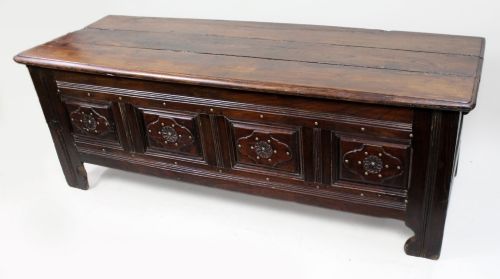
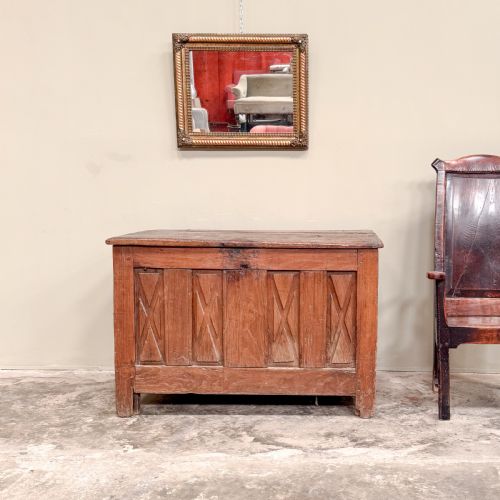
- A heavy wooden chest constructed with panelled sides and a hinged lid, frequently dismantled over time to supply decorative panels for collectors.
- Gesso
- A plaster-like mixture applied to wood surfaces to serve as a smooth base for painting and gilding. It allows for fine incised detailing before finishing.
French Carved Panel: Frequently Asked Questions
What is a french carved panel used for?
These panels function as standalone wall art, architectural overdoors or decorative inserts within larger furniture forms like screens and armoires. Historic interiors utilised them to articulate wall spaces and introduce texture.
Modern interiors incorporate them as focal points above mantelpieces or mounted directly onto walls as sculptural art pieces.
How do I date a carved wooden panel?
Dating relies upon examining the timber species, tool marks left by the carver and the style of the decorative motifs. Eighteenth-century pieces often display organic floral asymmetry, whereas nineteenth-century revivals draw heavily on earlier Gothic or Renaissance vocabulary.
Secondary evidence such as original paint layers, panel construction methods and fastener types further clarify the period of manufacture.
Are these panels removed from buildings?
Many panels originate as architectural salvage extracted from historic chateaux, townhouses and provincial buildings during renovations or demolition. Carpenters repurposed doors, wall panelling and furniture elements into standalone decorative objects.
This practice preserves intricate woodwork that might otherwise be lost, allowing collectors to display individual fragments in contemporary settings.
How should I care for an antique wood panel?
Maintenance involves keeping the wooden surface away from direct heat sources and drastic humidity fluctuations to prevent timber splitting or warping. Dusting should be done gently with a dry, soft cloth without applying modern furniture polishes that can harm aged wax or paint layers.
Preserving painted or gilt surfaces requires particular care to avoid lifting fragile historic finishes.