

French Carved Oak Table
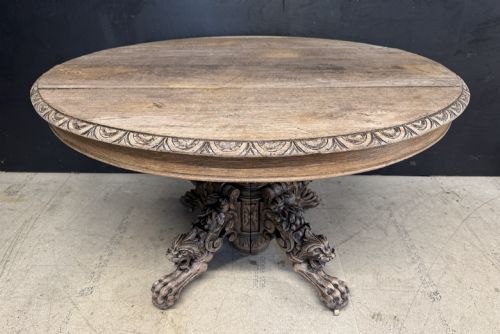
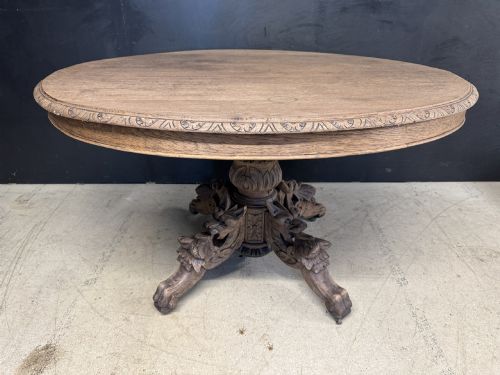
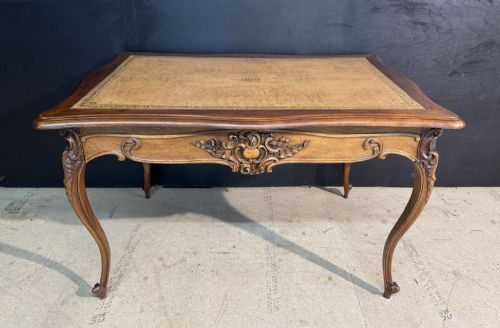
A french carved oak table brings the honest weight of provincial timber and deep hand chiselling directly into a room.
French Carved Oak Table
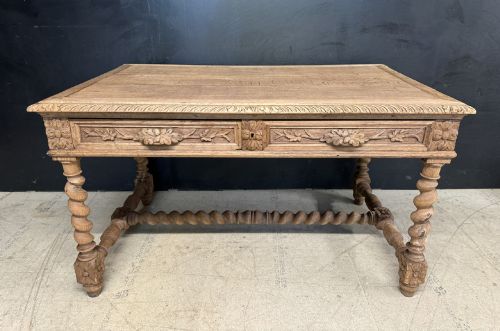
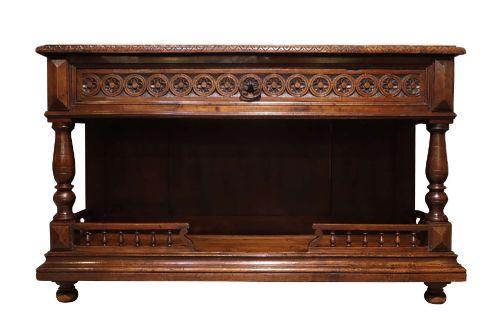
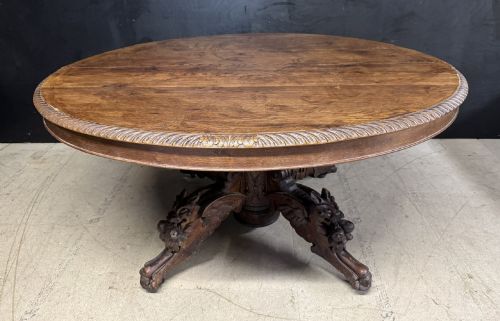
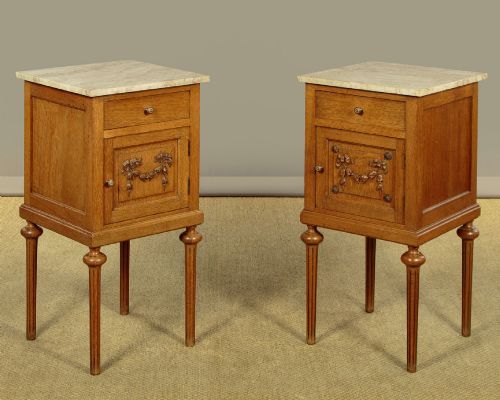
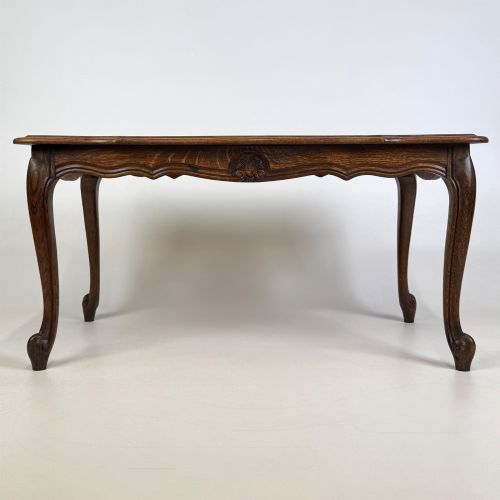
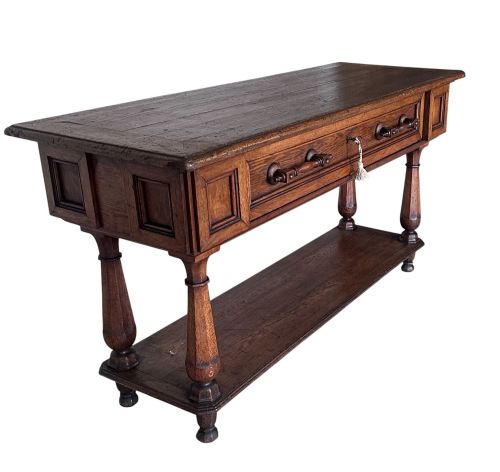
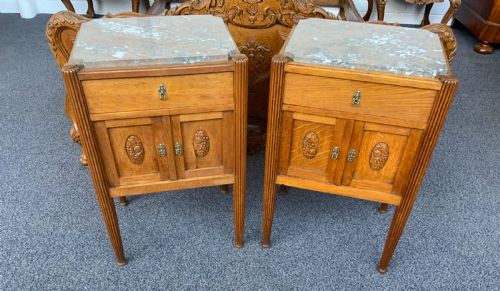
A french carved oak table encompasses robust dining boards, smaller bedside cabinets, console tables, and occasional writing desks originating across the nineteenth and twentieth centuries. These pieces reflect regional French styles such as provincial, rustic farmhouse, and chateau, showing both utility and decorative ambition.
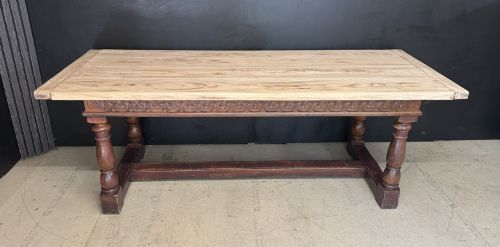
The most common formats met on this page are sturdy farmhouse dining tables and compact bedside cabinets, alongside occasional and coffee tables. They range from nineteenth-century provincial work to Art Deco interpretations from the nineteen-thirties.
Makers and workshops utilised solid timbers to create functional furniture that spanned from simple country kitchens to grander salon settings. The survival of these diverse forms demonstrates the enduring adaptability of French cabinet-making traditions.
Materials and Technique
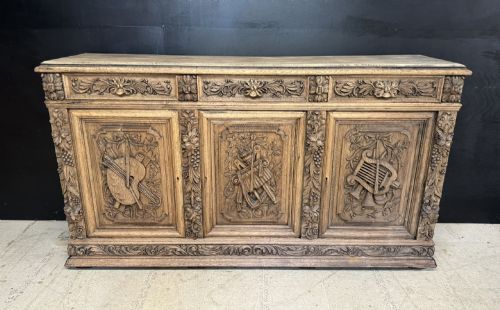
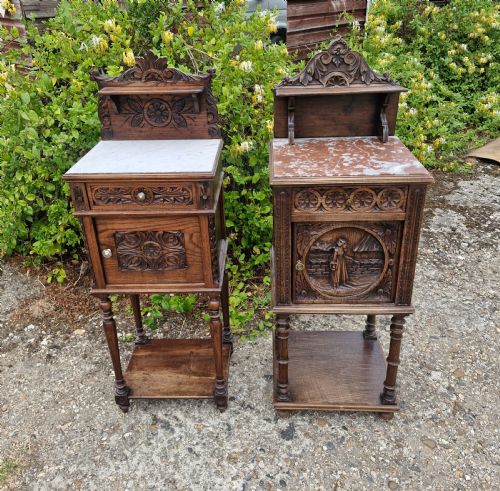
Oak forms the structural core of these pieces, selected for its density and pronounced grain, often supplemented by beech or walnut in specific framing components. Artisans shaped this hardwood using traditional hand-carving techniques to render foliage, panels, and regional motifs.
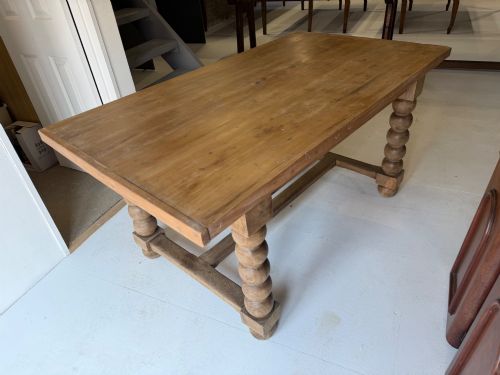
Secondary materials like marble insert tops, brass handles, and iron hardware appear frequently, adding functional contrast to the timber frames. Joinery relied on time-tested peg and mortise methods alongside turned legs and bobbin details.
Listings feature oak alongside auxiliary materials including marble, brass, and glass across dining, bedside, and console forms.
Evaluating the Pieces
The distinction between ordinary and exceptional examples rests upon the depth and crispness of the hand-carved detail. Superior pieces exhibit deeply undercut foliage and balanced proportions, whereas lesser items rely on shallow stamping or mechanical milling.
Timber selection and surface finish also govern quality, with well-figured oak and naturally bleached or patinated surfaces commanding greater visual presence. The integrity of original joinery and the harmonious integration of auxiliary materials like marble tops complete the assessment.
Étienne Kohlmann
The French Carved Oak Table Glossary
- Bleached oak
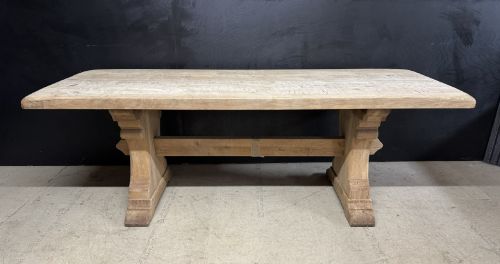
- Timber treated to lighten its natural tone, a finish commonly found on twentieth-century provincial pieces. This process highlights the grain while modernising the overall visual weight.
- Draw leaf
- An extension mechanism where two sliding leaves pull out from beneath the main surface to lengthen the top. It provides versatile dining capacity without requiring separate storage for leaves.
- Demi lune
- A half-moon console or table shape designed to sit flush against a wall. It allows furniture to occupy narrow hallways or smaller rooms efficiently.
- Bobbin leg
- A turned furniture leg shaped to resemble a string of spools or bobbins. This decorative turning technique appears frequently on nineteenth-century supports.
- Green man
- A sculptural architectural motif depicting a human face entwined with leaves, vines, or branches. It frequently decorates nineteenth-century provincial panels and drawer fronts.
French Carved Oak Table: Frequently Asked Questions
How do I clean a french carved oak table?
Dust the surfaces regularly with a soft, dry cloth to prevent grime settling into the carved recesses. Avoid silicone-based sprays and excess moisture, applying a traditional beeswax sparingly to nourish the timber when it appears dry.
For marble top variants, wipe down the stone immediately with warm water and a neutral soap to prevent staining from acids or oils. Dry thoroughly with a clean linen cloth to preserve the natural polish.
Were these tables used in kitchens?
Large oak dining and farmhouse examples served primarily as the central workspace and gathering point in French country kitchens. They handled daily food preparation, family meals, and domestic administration.
Smaller occasional, writing, and bedside variations occupied bedrooms, salons, and hallways rather than the kitchen space. Their specific forms dictated whether they stored nighttime items or displayed decorative objects in public rooms.
How can I date an oak table?
Examine the construction methods, tool marks, and hardware to establish a reliable period context. Hand-sawn boards, pegged joinery, and deep sculptural carving generally point towards nineteenth-century provincial origins.
Lighter bleached finishes, streamlined profiles, and Art Deco geometric lines typically indicate twentieth-century manufacture, specifically around the nineteen-twenties and thirties. Consistent wear patterns and patination further support the age of the timber.
Will these tables fit modern dining spaces?
The range includes various dimensions, from compact console and coffee tables to extendable draw leaf dining boards. Measuring your room carefully ensures clearance for seating and movement around larger farmhouse formats.
Bleached and pale oak variations adapt easily to contemporary interiors by offering neutral tones and textural warmth. Their robust construction suits everyday use in busy modern households.