
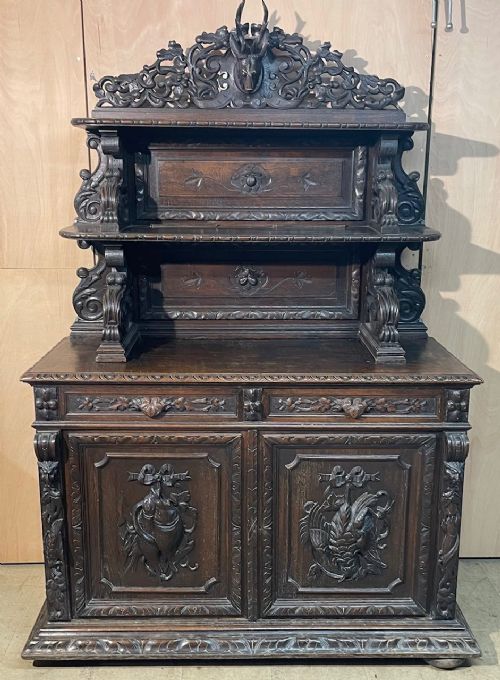
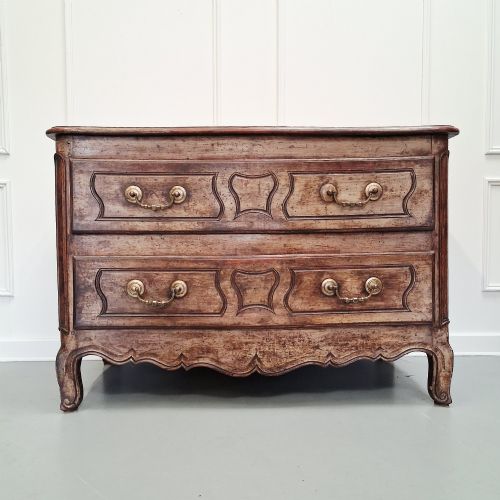
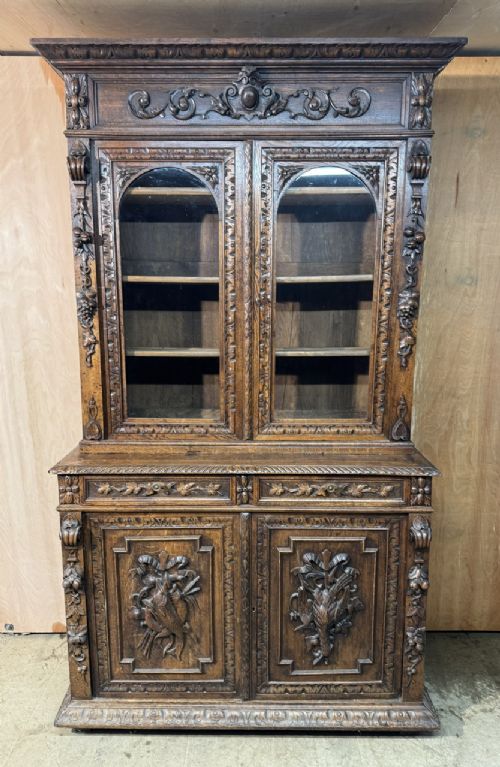
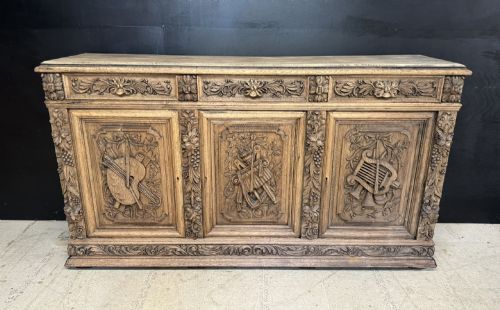
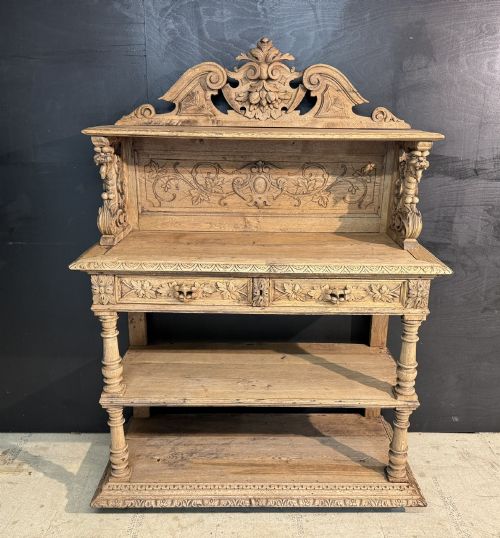
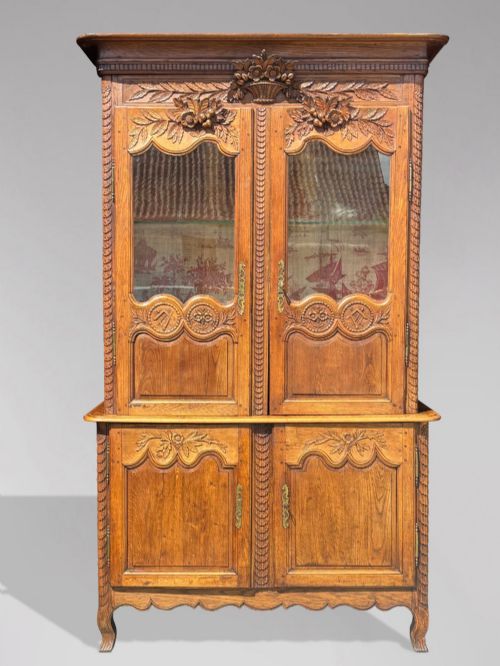
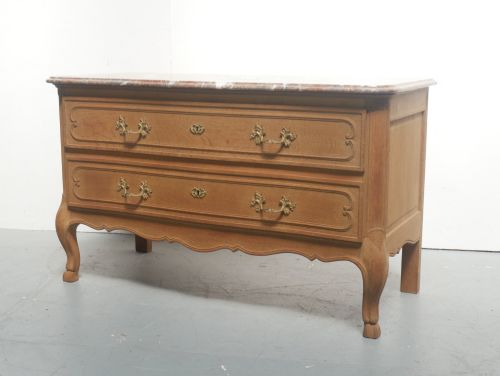
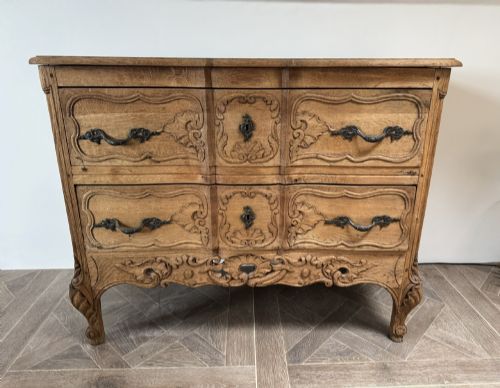

French Carved Oak Dresser
A french carved oak dresser brings solid timber construction and regional character to an interior, offering practical storage with substantial historic presence.
French Carved Oak Dresser
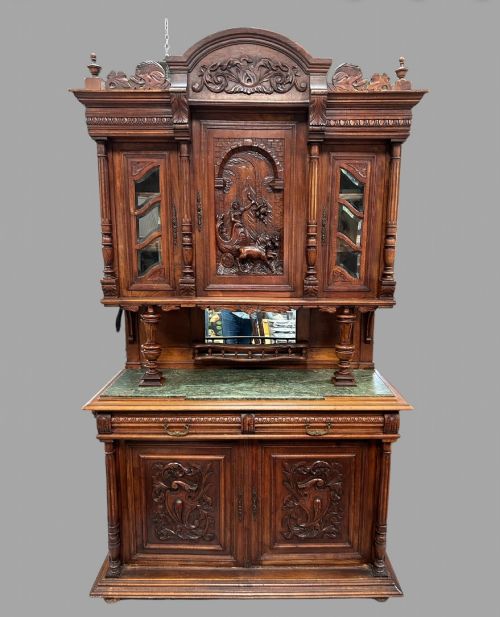
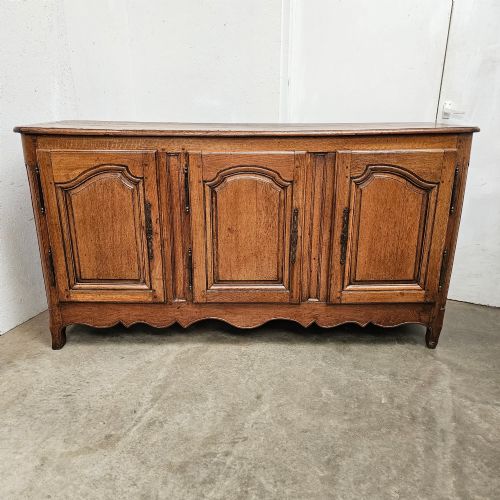
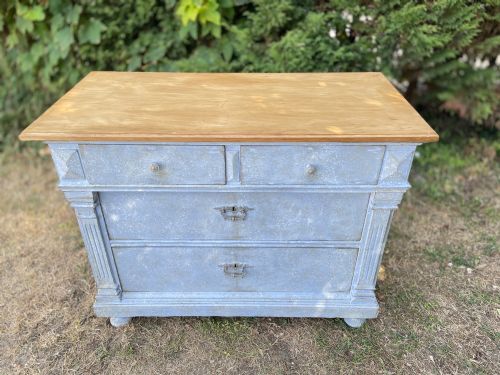
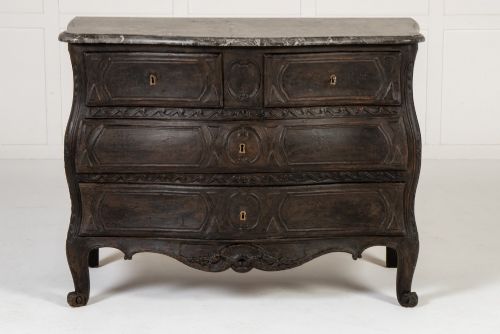
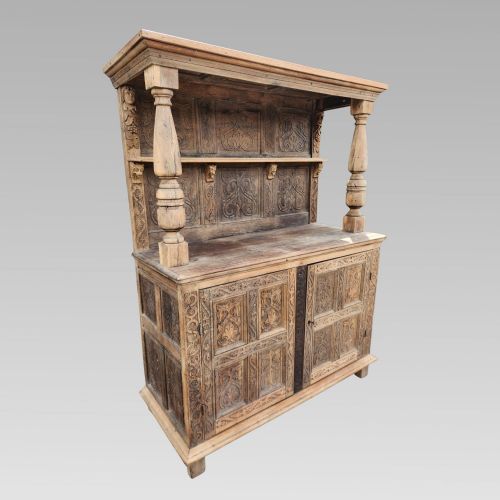
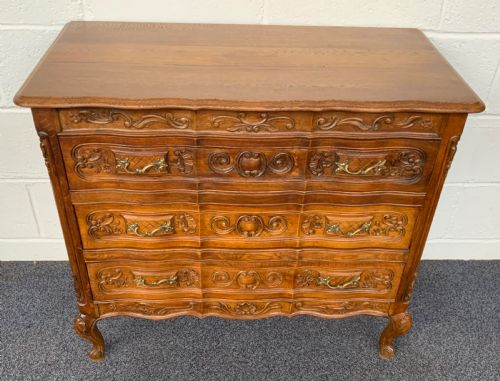
A french carved oak dresser encompasses robust storage forms including sideboards, buffets à deux corps, and commodes found across various regional styles. The pieces on this page span several centuries, with nineteenth-century examples and eighteenth-century origins appearing frequently alongside early twentieth-century variations.
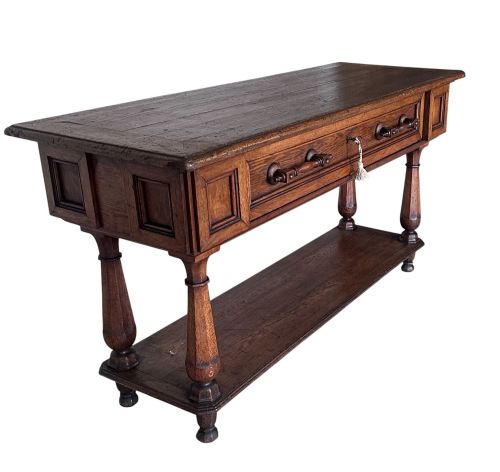
Buyers encounter distinct forms such as game cupboards, enfilades, and marble-topped servers reflecting French provincial and Renaissance revival traditions. Oak remains the primary timber, though walnut and painted finishes also shape the selection alongside functional marble and glass components.
Materials and Construction
Cabinet makers utilised dense oak timbers, shaping them through hand carving, panel construction, and traditional joinery methods. Structural hardware incorporates brass pulls, iron hinges, and wrought iron details that secure heavy doors and drawers.
Surfaces receive varied treatments ranging from natural waxed oak to ebonised, scrubbed, or bleached finishes. Certain pieces integrate inset marble tops and glass panels, pairing heavy timber frames with contrasting materials.
Listings feature oak furniture spanning from the eighteenth century through the 1920s, incorporating marble, brass, and wrought iron elements.
Assessing Quality
Quality rests upon the depth and crispness of the hand carving, where deeply articulated foliage, game motifs, and panel mouldings display the carver's skill. The integrity of the oak frame, original hardware, and timber selection dictate the standard of execution.
Proportion and regional authenticity distinguish finer items from simpler utilitarian pieces. The survival of original marble tops, working locks, and secondary woods further determines the standing of an individual cabinet or dresser.
The French Carved Oak Dresser Glossary
- Buffet à deux corps
- A tall two-section storage piece comprising a lower cabinet and an upper cupboard. This form provides substantial display and storage space in traditional dining rooms.
- Commode
- A low chest of drawers or cabinet designed for domestic storage. French examples often feature serpentine fronts or marble tops.
- Enfilade
- A long sideboard or buffet featuring a continuous sequence of doors across the front. These pieces originated in grand dining rooms for serving food.
- Renaissance Revival
- A nineteenth-century design movement drawing inspiration from sixteenth-century architecture and ornament. Pieces in this style display heavy relief carving and architectural mouldings.
- Gustavian
- A Swedish adaptation of French neoclassical style characterised by lighter painted finishes and restrained proportions. It brings a brighter aesthetic to oak and pine furniture.
French Carved Oak Dresser: Frequently Asked Questions
How do I clean a carved oak dresser?
Dust the carved surfaces regularly with a soft dry cloth to prevent dirt accumulation in the recesses. Apply a traditional beeswax periodically to nourish the timber without creating a heavy buildup.
Avoid commercial liquid cleaners or silicone polishes that can penetrate open oak grain and alter the finish. Keep the timber away from direct heat sources to prevent the wood from drying and splitting over time.
Can I use a buffet in a kitchen?
These robust storage pieces function effectively in modern kitchens as server tables, islands, or freestanding larders. The deep drawers and cupboards accommodate tableware, linens, and provisions with ease.
Marble-topped variants offer a durable prep surface suited to culinary use. Ensure heavy pieces are balanced safely against walls if utilised within busy kitchen environments.
How do I date an 18th century commode?
Examine the drawer construction for hand-cut dovetails, irregular board thicknesses, and tool marks left by early joiners. The presence of hand-wrought iron nails and original pegged joints indicates eighteenth-century manufacture.
Stylistic cues such as cabriole legs, specific hardware mounts, and regional carving patterns help narrow the decade of production. Secondary woods used in internal linings also assist in confirming geographic origin.
What is the difference between a buffet and an enfilade?
A buffet typically refers to a shorter cabinet or sideboard used for storing dining accessories and serving food. These often feature two or three doors beneath a solid top.
An enfilade extends significantly longer, featuring a row of three or more doors spanning the entire front elevation. This extended format was developed for grand dining spaces in French country houses and chateaux.