


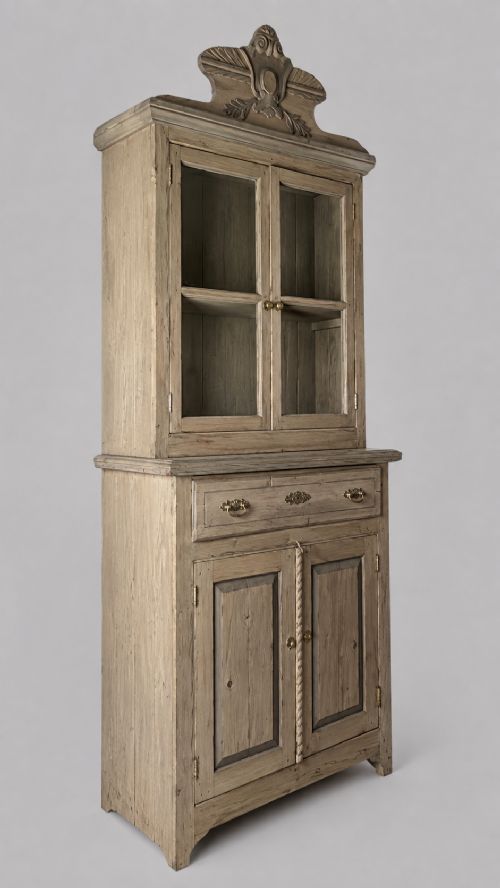
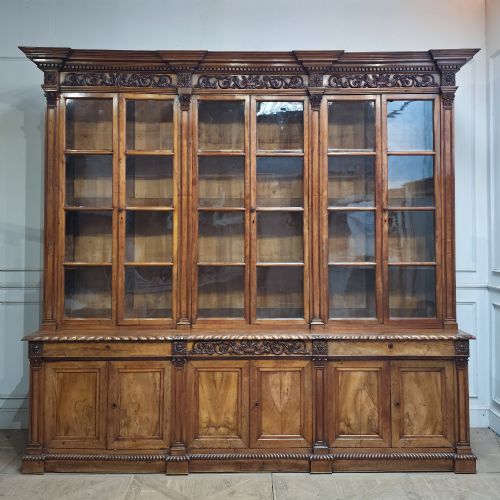
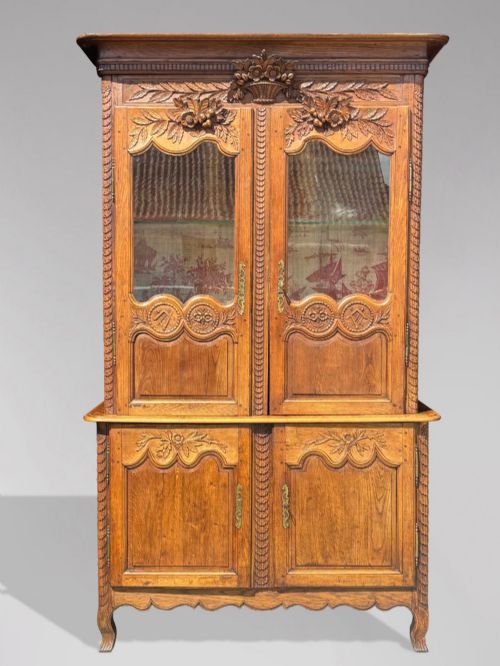
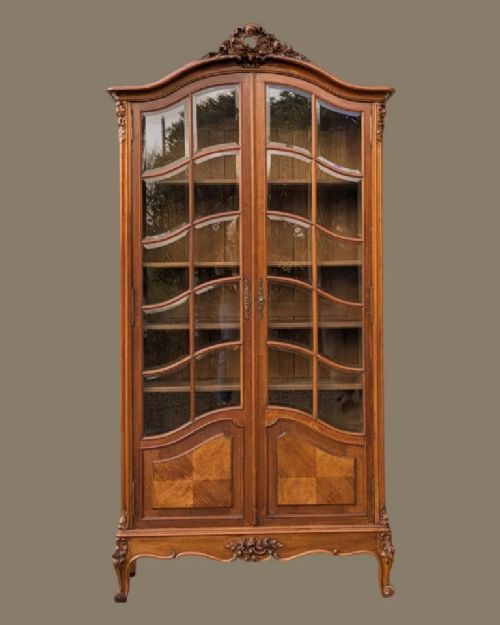


French Carved Glazed Cabinet
A french carved glazed cabinet brings continental elegance to any room while safely displaying your most prized collections behind clear glass panels.
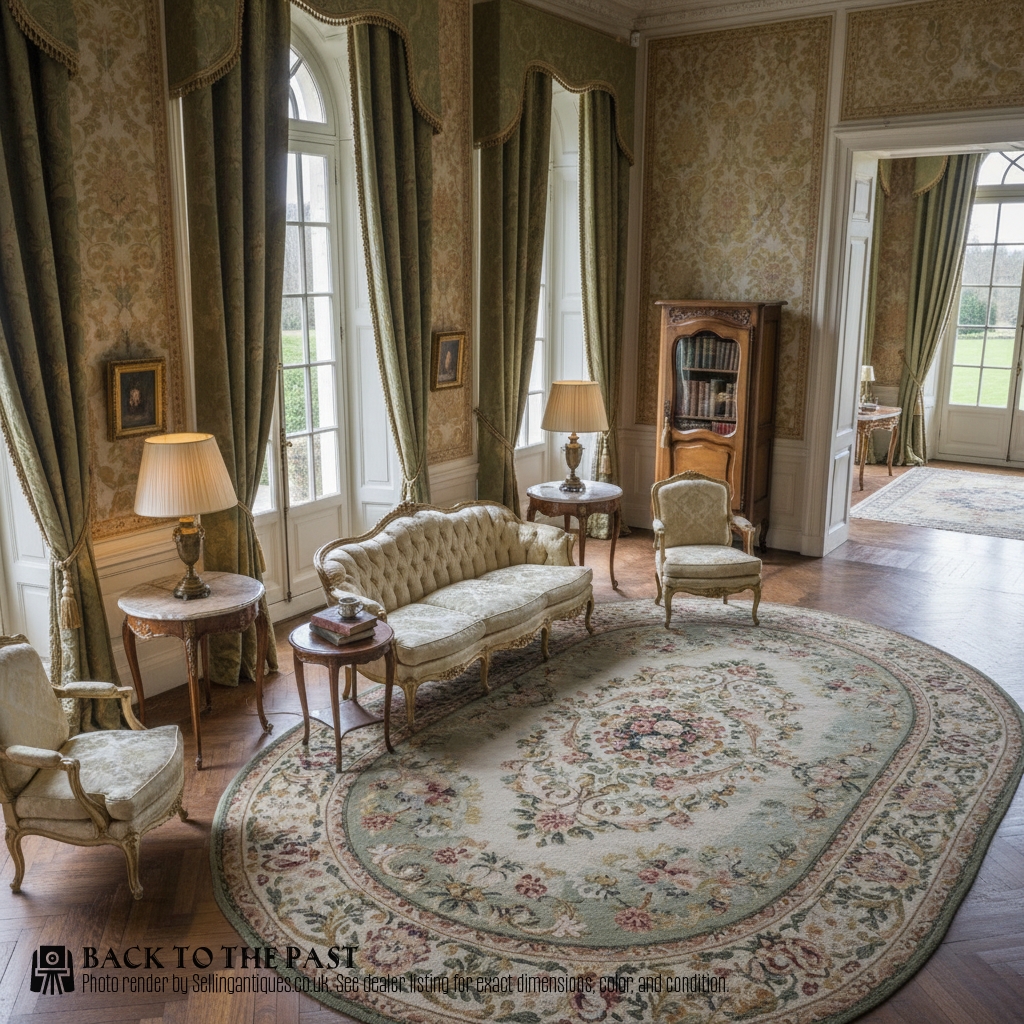
French Carved Glazed Cabinet
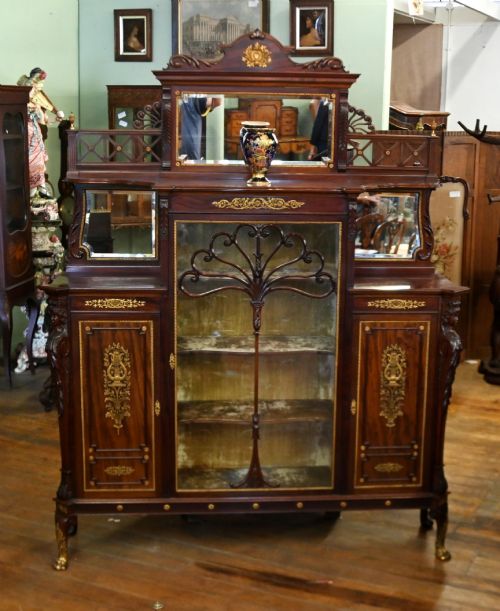
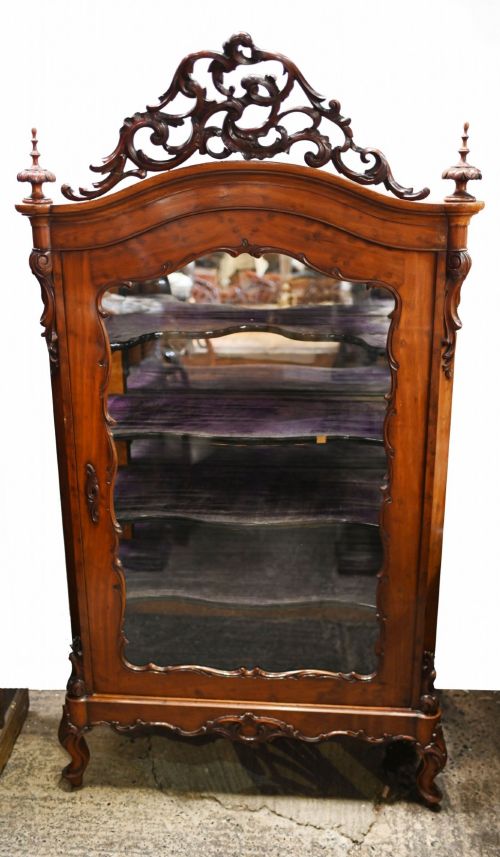
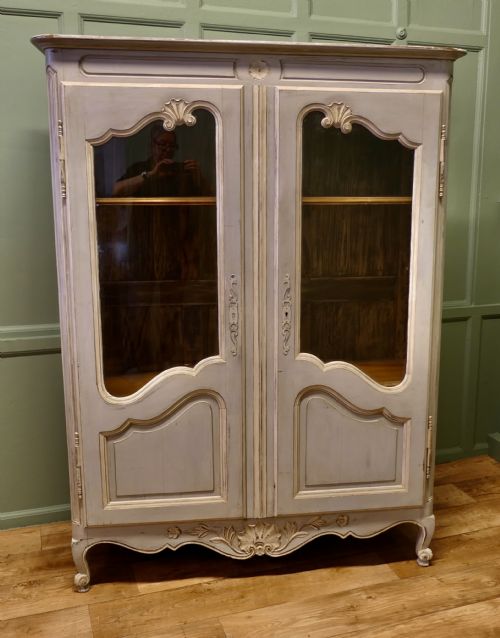
When searching for a french carved glazed cabinet, you encounter versatile storage forms ranging from tall vitrines and bookcases to two-tier buffets and corner cupboards. These pieces combine fitted glass doors with intricate woodwork, offering both display space and enclosed storage.
The selections span several distinct eras, drawing heavily on eighteenth-century traditions alongside nineteenth-century revivals. You will find items attributed to periods such as the eighteenth century, the Victorian era, and decades throughout the nineteenth century.
Stylistic influences vary widely across the inventory, reflecting regional aesthetics and courtly tastes alike. Common stylistic descriptors include French Provincial, French Chateau, Louis XV, Louis XVI Style, and French Renaissance Revival.
Materials and construction methods
Cabinet makers utilised a substantial palette of timbers, relying most frequently on oak, walnut, and mahogany, alongside accents of rosewood, kingwood, and painted wood. These solid woods and veneers provide the structural integrity required for tall bookcases and heavy display units.
Glazing forms the visual centrepiece of these cabinets, allowing light to illuminate the interior shelves. Artisans incorporated glass panels alongside metal hardware such as brass handles, hinges, and decorative ormolu mounts.
Surface ornamentation defines the category, incorporating hand carving, marquetry, painted finishes, and fabric linings. These embellishments highlight the transition from rustic provincial joinery to highly ornamental exhibition pieces.
French Carved Glazed Cabinet Retail Price Guide 2026
Typical asking prices for french carved glazed cabinet among the pieces listed under this phrase on Sellingantiques today, from the lower quarter to the upper quarter. They describe what is for sale here now, not the wider market.
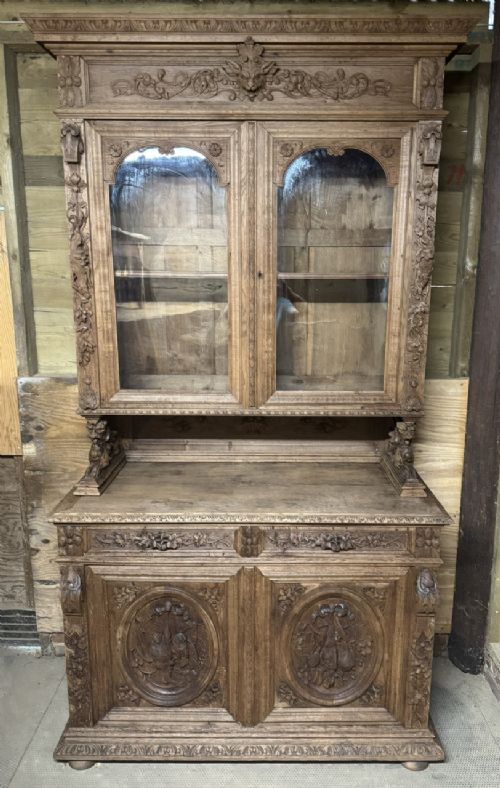
One hunting cabinet hides its quarry within the woodwork, proving that even kitchen storage occasionally required a forest motif.
Distinguishing quality in carved glazed cabinets
The depth and crispness of the hand carving separate standard provincial work from elite cabinet making. Superior pieces display deeply undercut foliage, scrolls, and figural motifs that retain sharp definition along every edge.
Material selection and marquetry execution dictate the upper tiers of the market. Finer examples feature meticulously matched veneers, intricate brass ormolu mounts, and specialised techniques like Vernis Martin varnishing rather than simple painted finishes.
Structural complexity influences the overall grade of the cabinet. Double-door configurations, serpentine shaping, and two-piece construction like a buffet deux corps demand advanced joinery skills that elevate the piece.
The French Carved Glazed Cabinet Glossary
- Vitrine
- A glass-fronted cabinet designed specifically for displaying porcelain, curiosities, and fine objects. These pieces often feature glazed sides to maximise interior illumination.
- Buffet deux corps
- A large two-tier storage unit comprising a lower cupboard section surmounted by a smaller upper cabinet or display area. This architectural form provides substantial storage capacity.
- Ormolu
- Gilded bronze mountings applied to furniture surfaces for decorative effect. Master craftsmen cast and chiselled these metal mounts to accent the corners and friezes of high-status cabinets.
- Marquetry
- The art of applying thin slices of wood veneer to a structural carcase to form decorative patterns and pictorial scenes. Skilled practitioners combined contrasting timbers to achieve naturalistic shading.
- Serpentine
- A furniture contour characterised by a double-curved line that sweeps outward then inward. This undulating shape requires precise cutting and fitting of the wooden frame.
French Carved Glazed Cabinet: Frequently Asked Questions
What is a french carved glazed cabinet used for?
These cabinets serve as dual-purpose furniture pieces designed for both storage and exhibition. The glazed upper sections or doors protect delicate ceramics, books, and collections from dust while keeping them visible.
The lower wooden compartments provide hidden storage for heavier items, linens, or dining accessories. Their decorative presence makes them focal points in dining rooms, living spaces, and libraries.
How do I identify a louis xv style cabinet?
Louis XV style pieces are characterised by asymmetrical curves, naturalistic floral carvings, and flowing cabriole legs. You will often see serpentine shaping and delicate cartouche motifs carved into the wood.
Unlike the straighter, more symmetrical lines of earlier or later classical revivals, this aesthetic prioritises grace and movement. The hardware and mounts frequently mimic organic forms like acanthus leaves and scrolls.
Where should I place my glazed cabinet?
Position your cabinet against a sturdy interior wall away from direct sunlight, which can fade interior fabrics and wood finishes over time. Placing it near a natural light source helps illuminate items displayed behind the glass.
Ensure there is sufficient clearance for doors to swing open fully, particularly with corner units or double-door models. A stable, level floor is essential to prevent warping of the tall wooden frame.
How do I care for antique wood and glass?
Dust wooden surfaces regularly with a soft, dry cloth to prevent buildup without scratching the finish. Apply occasional applications of high-quality beeswax to nourish timber and maintain its natural lustre.
Clean glass panels using a gentle, non-ammonia spray applied to a cloth rather than directly onto the glass. This prevents moisture from seeping into the surrounding wooden frame or fabric linings.