


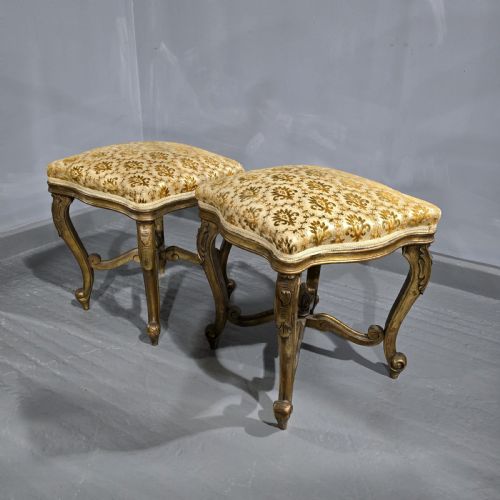
French Carved Dressing Stool
A French carved dressing stool brings compact elegance to a bedroom, offering a low, upholstered seat shaped by classical revival styles.
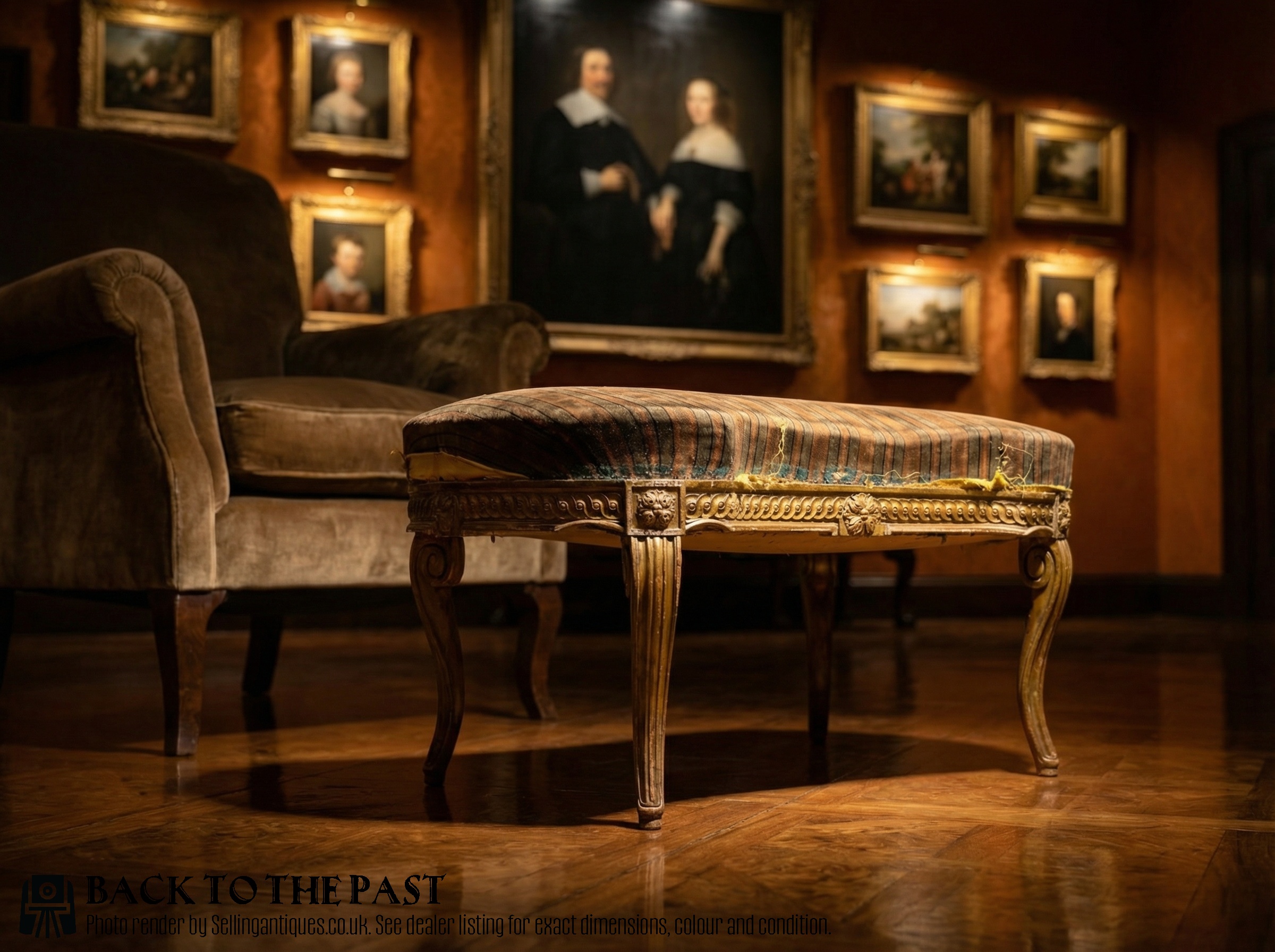
French Carved Dressing Stool
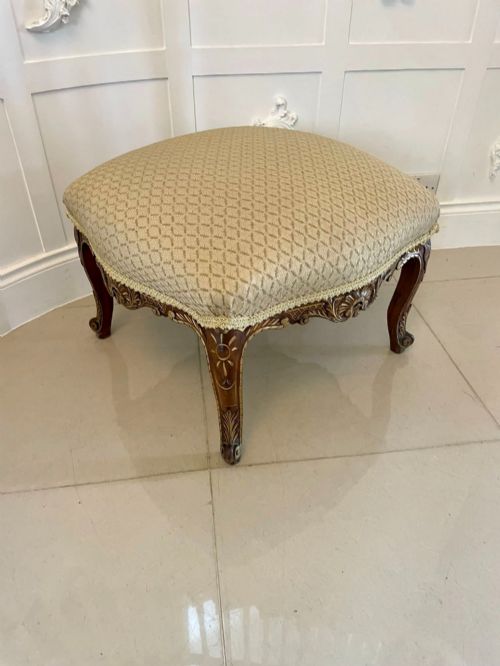
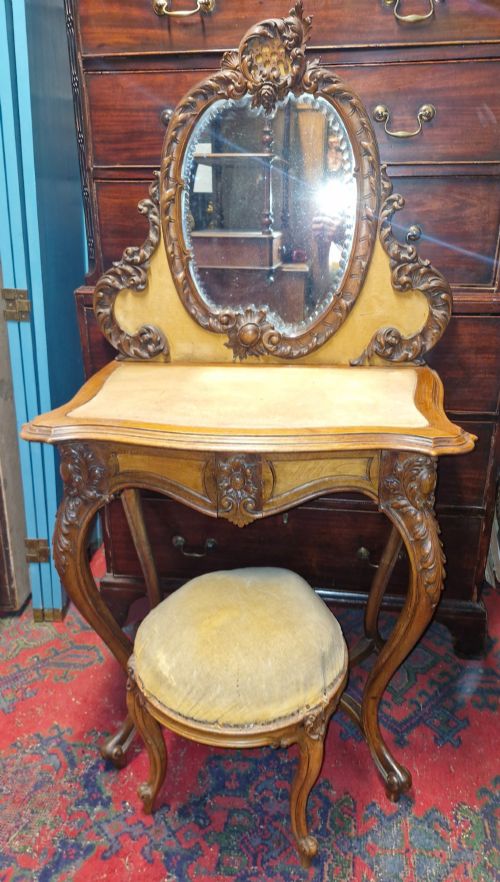
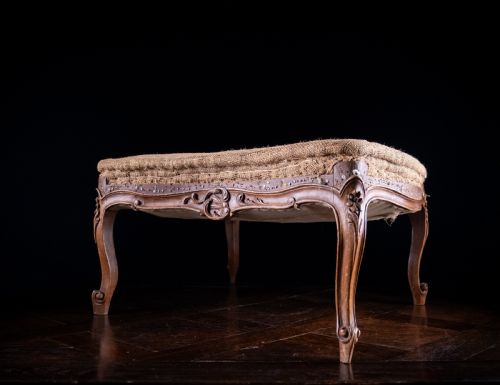
When you search for a french carved dressing stool, you encounter low seating designed to accompany dressing tables or sit quietly at the foot of a bed. These pieces frequently emerge from nineteenth-century workshops, drawing on historic design vocabularies.
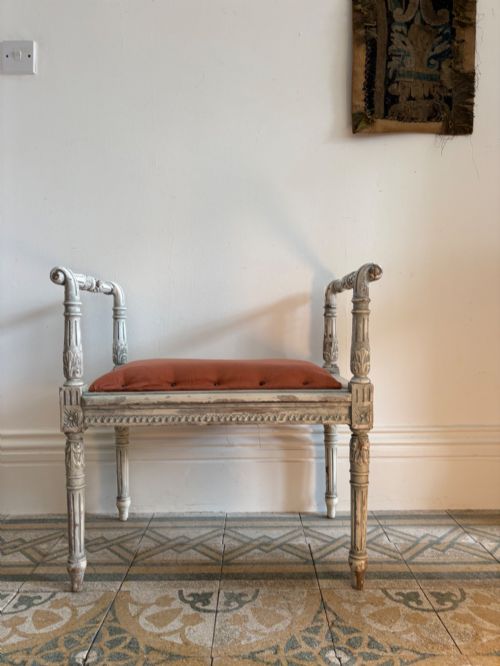
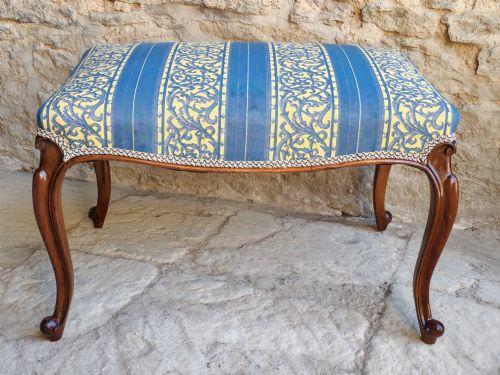
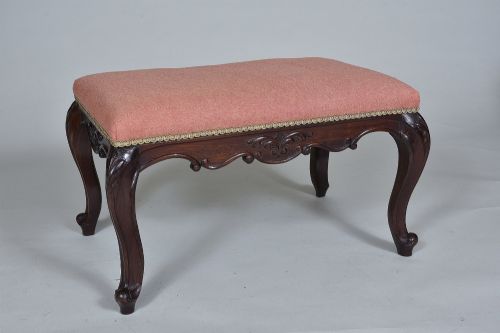
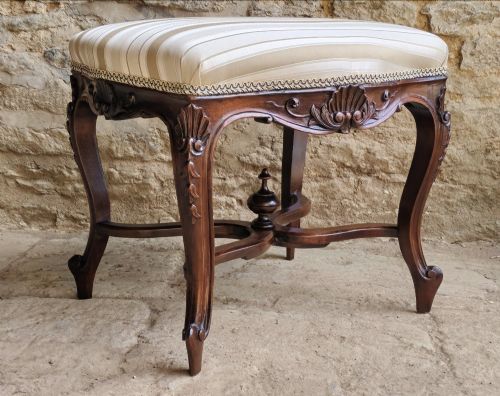
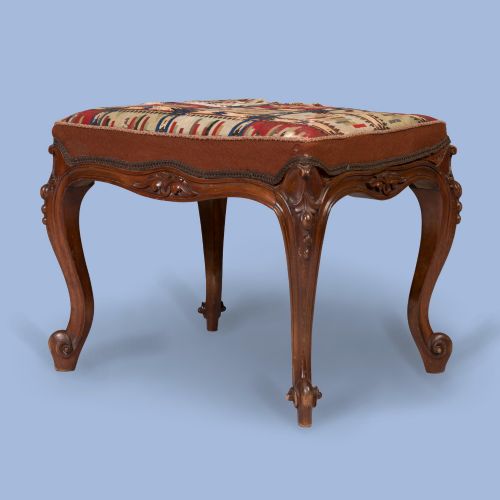
The version you meet most often on this page adopts Louis XV or Louis XVI style, featuring curved cabriole legs or straight fluted supports. Workshops built these stools to be functional pieces of furniture that also provided decorative grace to private chambers and boudoirs.
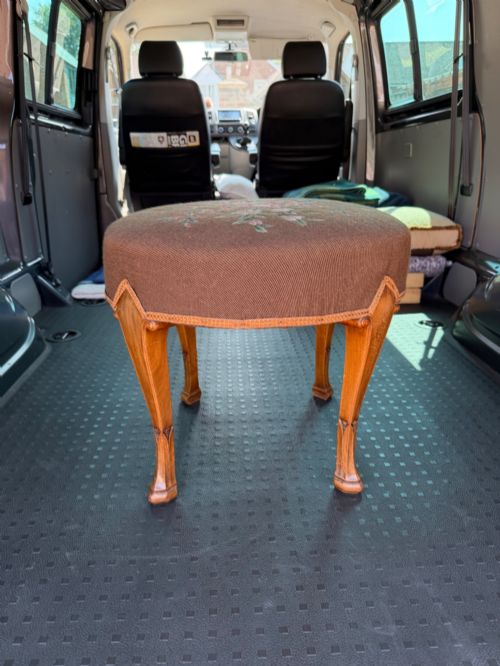
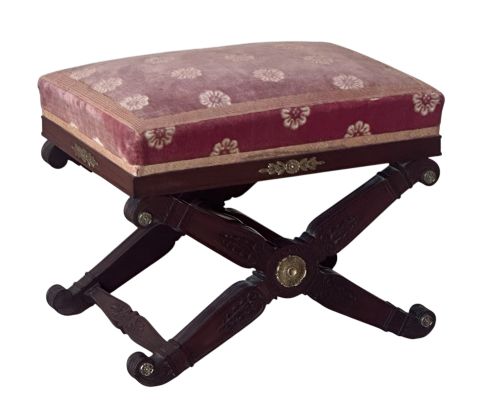
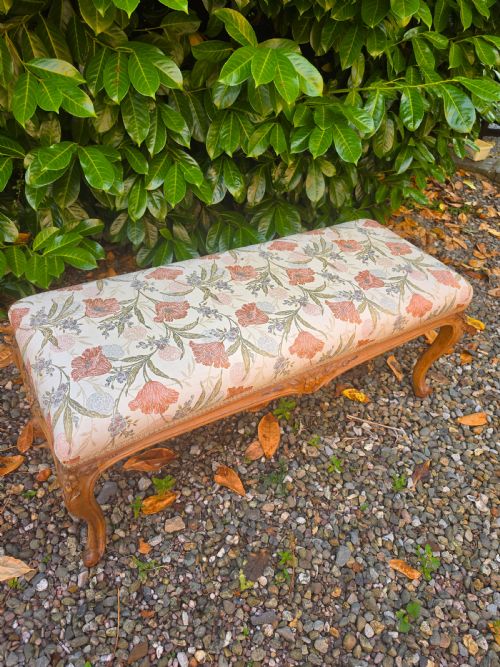
Makers fashioned them in various forms, from simple circular boudoir seats to rectangular salon stools and X-frame bases. Timber frames support upholstered tops upholstered in silk, velvet, needlework, or plain fabric.
What Separates Examples in Quality
Quality rests in the crispness and depth of the hand carving on the wooden frame. Deeply undercut foliage, balanced cabriole legs, and clean scrollwork distinguish superior examples from plain, mechanical production.
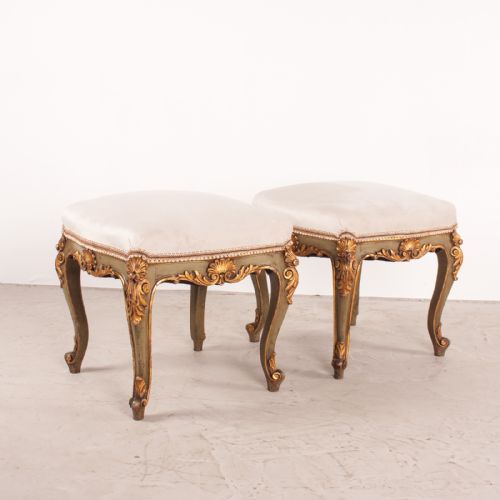
The integrity of the original timber frame and the quality of the finish, whether genuine gilding or period paintwork, dictate the standing of a piece. Maker stamps, such as those found on mid-nineteenth-century Parisian giltwood pieces, elevate an item further.
Walnut and painted wood dominate the timber options across these listings, alongside giltwood finishes on nineteenth-century pieces.
Loidrault Freres Paris
The French Carved Dressing Stool Glossary
- Cabriole leg
- A furniture leg that curves out at the knee and tapers inward to an ankle, typical of Louis XV style seating. This form imitates animal legs and provides stable support without heavy stretchers.
- Giltwood
- Timber coated with a thin layer of gold leaf or gilt powder over a prepared gesso surface. It catches candle or window light effectively in grand interiors.
- Louis XV style
- A design movement characterised by asymmetric curves, rococo scrolls, and naturalistic floral motifs. It dominates nineteenth-century revivals of eighteenth-century French seating.
- Louis XVI style
- A classical revival style marked by straight lines, symmetry, fluted columns, and neoclassical restraint. It provides a formal contrast to earlier curving rococo forms.
- Curule stool
- An ancient Roman shape featuring intersecting curved legs that form an X. Nineteenth-century makers adapted this classical form for diplomatic and formal salon settings.
- Banquette
- A long upholstered bench or stool designed for seating more than one person. These pieces share the carved wooden frames and upholstery styles of smaller dressing stools.
French Carved Dressing Stool: Frequently Asked Questions
What is a french carved dressing stool used for?
These low seats were originally placed in dressing rooms and boudoirs to provide comfortable seating while attending to hair and cosmetics. Today, they function equally well as footstools, window seats, or subtle decorative accents in bedrooms.
Their compact proportions allow them to slide easily beneath dressing tables or tuck away beside a wardrobe when floor space is needed.
How do I tell Louis XV and Louis XVI styles apart?
Louis XV style pieces rely on asymmetry, sweeping curves, cabriole legs, and organic rococo carvings that mimic natural plant forms. They present a softer, flowing silhouette.
Louis XVI style turns toward classical geometry, featuring straight fluted legs, right angles, and restrained neoclassical symmetry. The decorative motifs lean toward urns, ribbons, and floral wreaths.
Are these stools sturdy enough for daily seating?
Nineteenth-century frames were constructed from durable hardwoods like walnut, mahogany, and beech, joined with traditional woodworking techniques. Most surviving examples remain structurally sound for regular use.
However, delicate giltwood finishes and antique textiles require gentle treatment. Periodic checks of the frame joints help maintain their stability over time.
How should I clean the antique upholstery?
Antique textiles such as silk, velvet, and needlework benefit from gentle surface dusting with a soft brush or low-suction vacuum attachment. Avoid harsh chemical cleaners or water on historic fabrics.
If the upholstery requires deeper restoration, consult a specialist conservator who understands period textile preservation and traditional stuffing materials.