

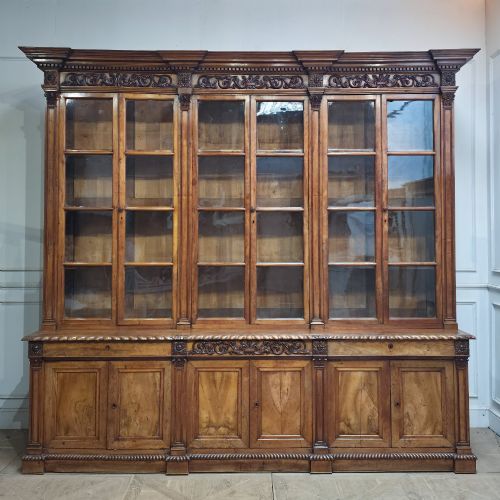
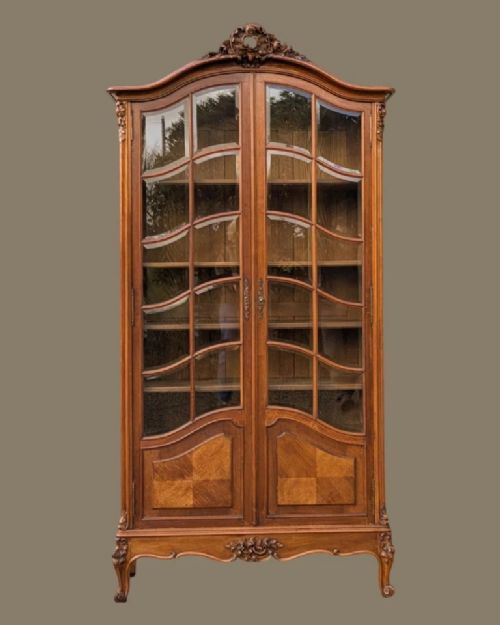


French Carved Bookcase
A french carved bookcase brings architectural presence and carved detail to a room, ranging from robust 18th-century oak pieces to ornate 19th-century walnut designs.
French Carved Bookcase
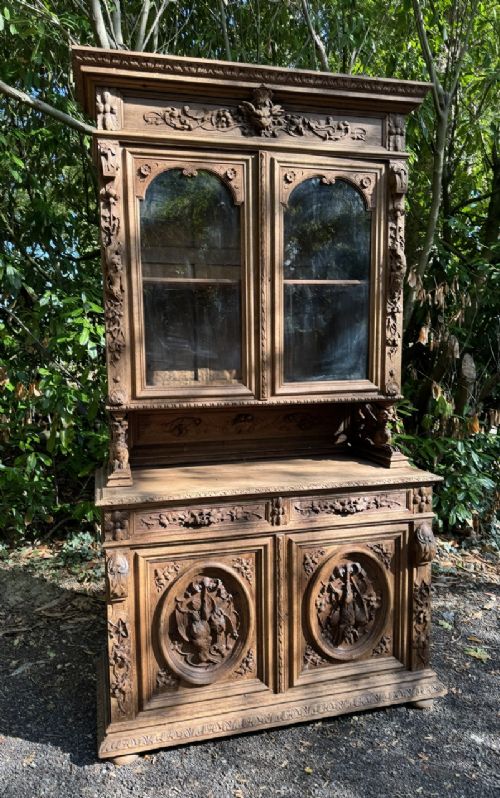
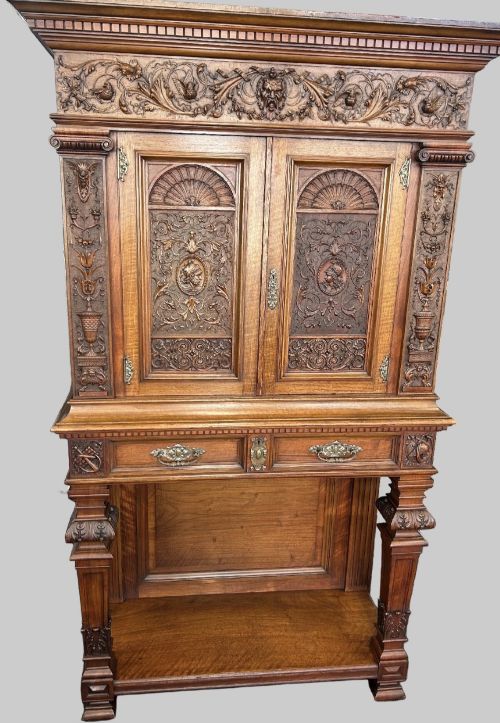
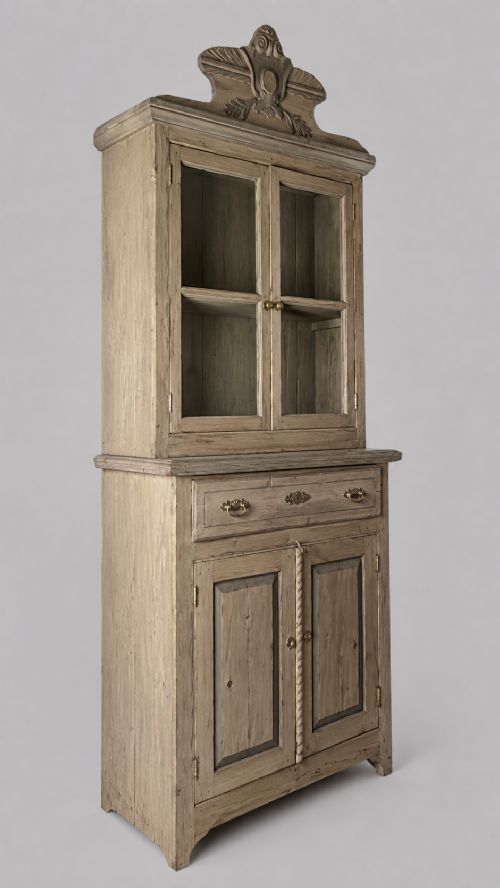
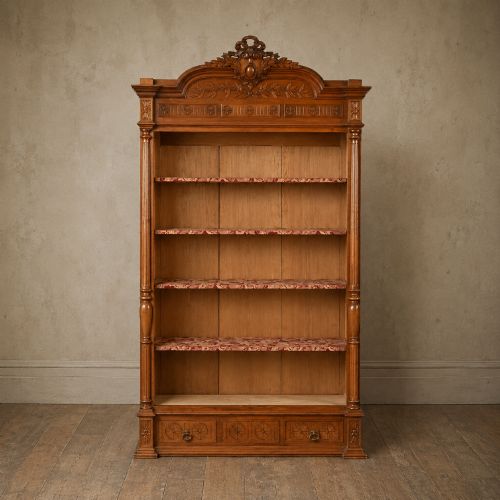
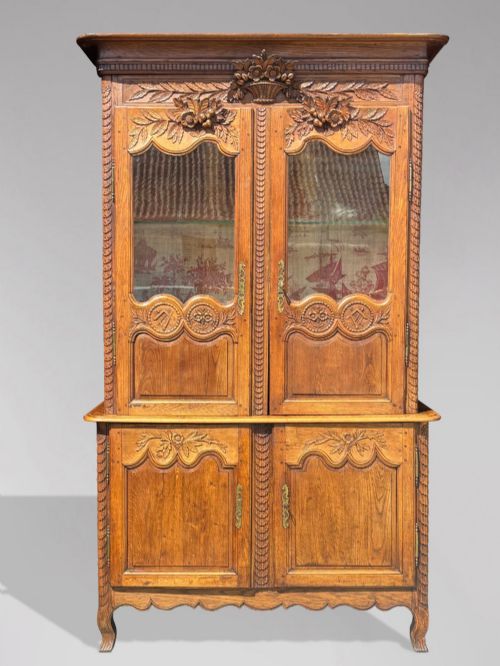
A french carved bookcase provides substantial storage and display space, appearing most frequently in 19th-century oak and walnut forms across this selection. These items encompass open library shelves, glazed vitrines, and large two-piece buffet deux corps cabinets that combine storage with glass-fronted display areas.
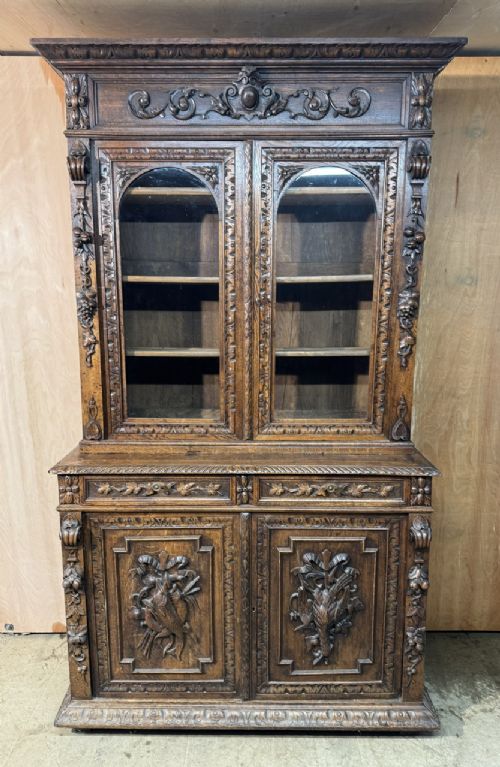
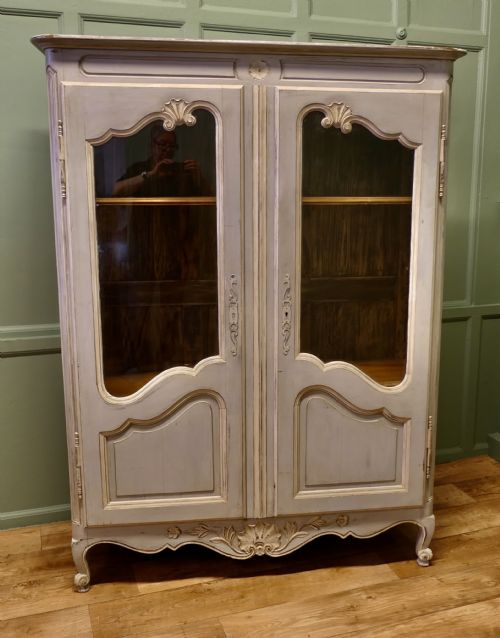
Makers and workshops across France produced these cabinets in styles spanning Rococo Revival, French Provincial, and Japonisme. Buyers encounter everything from rustic fruitwood cupboards to heavily carved Gothic hunting cabinets with glazed doors and brass or ormolu mounts.
How they were made
Cabinetmakers constructed these pieces primarily from solid hardwoods such as oak and walnut, alongside exotic veneers like rosewood and mahogany applied to secondary woods. Carvers executed deep relief work by hand directly into the timber, often incorporating turned barley twist supports or applied giltwood details.
Glazing involved fitting glass panes into wooden doors, sometimes paired with fabric linings or mirrored backs inside the display compartments. Workshops utilised traditional joinery methods, securing panels and shelves within sturdy frames designed to hold heavy volumes.
Listings feature oak, walnut, rosewood, and mahogany cabinets spanning the eighteenth and nineteenth centuries.
What varies in quality
Quality rests on the crispness and depth of the hand-carved ornamentation, where deeply undercut foliage, figures, or animal motifs show the carver's skill. Finer examples display carefully selected timber grains, balanced proportions, and integrated architectural cornices rather than superficial applied decoration.
The choice of secondary materials and hardware also defines the tier of a piece, with heavy brass mounts, hand-blown glass panes, and solid oak interiors distinguishing superior workshop output from simpler provincial carpentry.
Gabriel Viardot·Gabriel-Frederic Viardot
The French Carved Bookcase Glossary
- Buffet deux corps
- A tall two-tier cabinet consisting of a lower enclosed cupboard base topped by a smaller upper cabinet or shelving section. This form provides substantial storage capacity in formal dining rooms and libraries.
- Vitrine
- A glass-fronted display cabinet designed to showcase books, ceramics, or curiosities while protecting them from dust. These pieces often feature glazed side panels to maximise light penetration.
- Japonisme
- A late 19th-century design style influenced by Japanese art, visible in asymmetrical shelving layouts and exotic padouk or walnut woods. Makers like Gabriel Viardot specialised in this aesthetic.
- Etagere
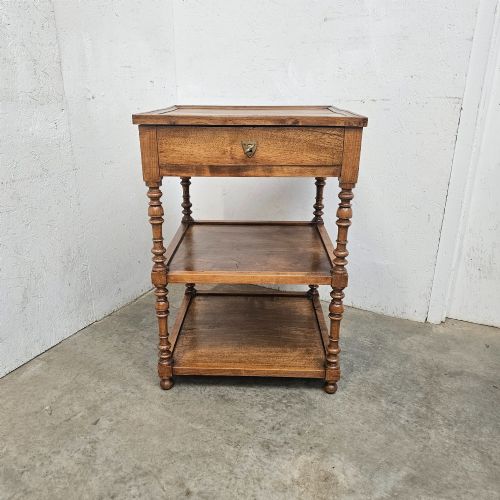
- An open piece of furniture featuring multiple tiers or shelves supported by columns or turned legs. It serves primarily for displaying decorative objects rather than heavy library storage.
- Ormolu
- Gilded bronze mounts applied to furniture for decorative accent, common on high-end 19th-century continental cabinets. This technique adds metallic contrast to dark woods such as walnut and mahogany.
French Carved Bookcase: Frequently Asked Questions
What rooms suit a tall bookcase?
These cabinets suit studies, drawing rooms, and large living spaces where their height and carved presence anchor the interior. They provide practical book storage while introducing period character.
Ensure you measure ceiling heights carefully, particularly with two-piece buffet designs that require adequate vertical clearance for assembly and placement.
How do I distinguish oak from walnut?
Oak exhibits a prominent, open grain pattern with visible medullary rays, offering a robust and tactile surface. Walnut tends to feature a smoother, darker, and more uniform grain with rich tonal variation.
Both timbers were standard in French cabinetmaking, though walnut frequently appeared in more refined revival styles.
Are the shelves adjustable?
Many 19th-century and earlier cabinets feature fixed wooden shelves integrated into the structural frame. Some later or specialised pieces incorporate adjustable wooden racks or pins.
Review individual descriptions to confirm whether shelf heights can be altered for specific book sizes.
How should I care for the wood?
Maintain the timber by dusting regularly with a soft, dry cloth and avoiding direct sunlight that can fade antique finishes. Periodic application of quality wax preserves the natural sheen of walnut and oak.
Keep pieces away from direct heat sources to prevent timber shrinkage and splitting in the joints.