


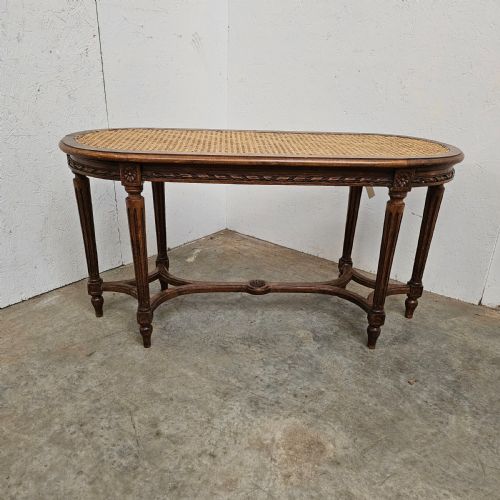
French Cane Bench
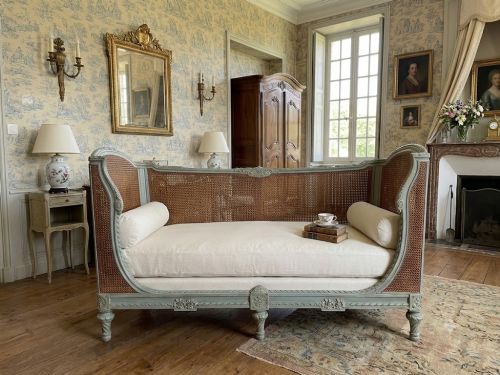
A french cane bench brings effortless continental elegance to a room, offering woven seating with classic timber frames.
French Cane Bench
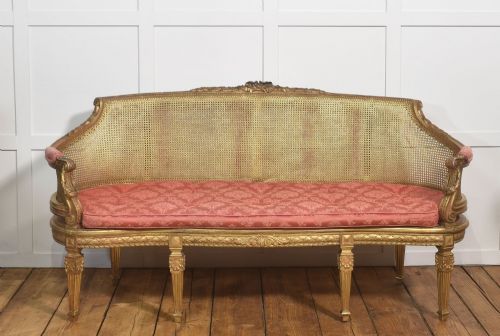
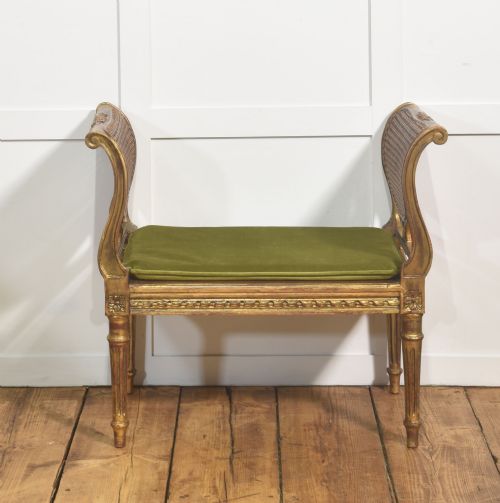
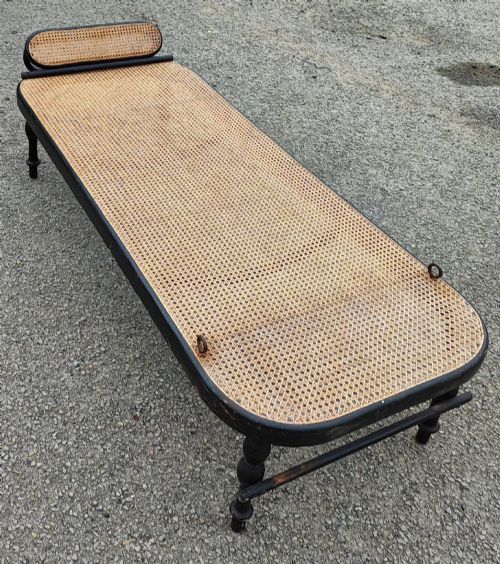
When searching for a french cane bench, buyers encounter a diverse selection of antique seating including settees, daybeds, window seats, and banquettes. These pieces span periods from the eighteenth century through to the early twentieth century, reflecting enduring classic design.
Origins range across continental Europe, with notable examples exhibiting traditional craftsmanship in beech, walnut, and giltwood. Such seating functions naturally in hallways, bedrooms, and living spaces where low-profile elegance is desired.
What varies in quality
The refinement of the wooden carving distinguishes simpler regional pieces from sophisticated urban workshops. Crisp lines on Louis XVI style fluting or ornate Louis XV curves indicate superior joinery and artistic confidence.
The integrity of the woven cane surface dictates daily utility and longevity. Tightly executed hand-caning with uniform strands represents a higher standard of craftsmanship than loose or replacement mesh.
Some versatile nineteenth-century window seats double as coffee or magazine tables when the cushions are removed.
The French Cane Bench Glossary
- Canapé
- An upholstered or caned settee or sofa sharing stylistic traits with large armchairs of the same period. These seats often feature elaborate wooden frames and open armrests.
- Bergère
- An enclosed armchair or sofa with upholstered sides or cane panels fitted into a wooden frame. It typically includes a loose seat cushion for added comfort.
- Giltwood
- Timber treated with a thin layer of gold leaf or metallic gilt preparation. This finish was widely utilised on formal seating to project opulence.
- Banquette
- A long upholstered or caned bench without a high back, often utilised as a window seat or hallway perch. Its compact proportions suit transitional spaces.
- Louis XVI Style
- A neoclassical design vocabulary characterised by straight lines, symmetry, fluted columns, and geometric restraint. It emerged in opposition to the preceding Rococo excess.
French Cane Bench: Frequently Asked Questions
Where should I place a cane settee?
These pieces suit placement at the foot of a bed, beneath a hallway window, or as lighter seating in a drawing room.
Their open cane panels allow light to pass through, preventing smaller rooms from feeling overcrowded.
How do I care for antique cane?
Maintain cane by dusting it gently and occasionally wiping it with a damp cloth to prevent the natural fibres from drying out.
Avoid placing these items in direct sunlight or beside intense heat sources.
How do I identify a Louis XVI style frame?
Look for straight tapered legs, rectilinear framing, and carved neoclassical motifs such as ribbons and fluting.
These details contrast sharply with the curving asymmetric lines typical of earlier Louis XV pieces.