
Carved Dressing Stool
A carved dressing stool brings decorative woodwork and upholstered comfort to a bedroom, offering a functional seat designed to match period dressing tables.
Carved Dressing Stool
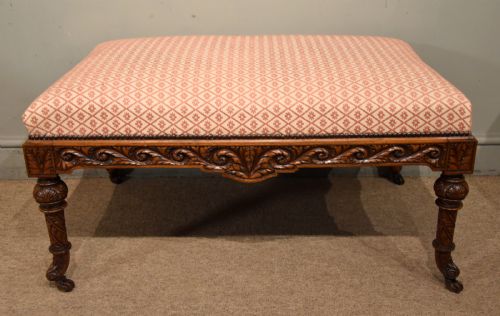
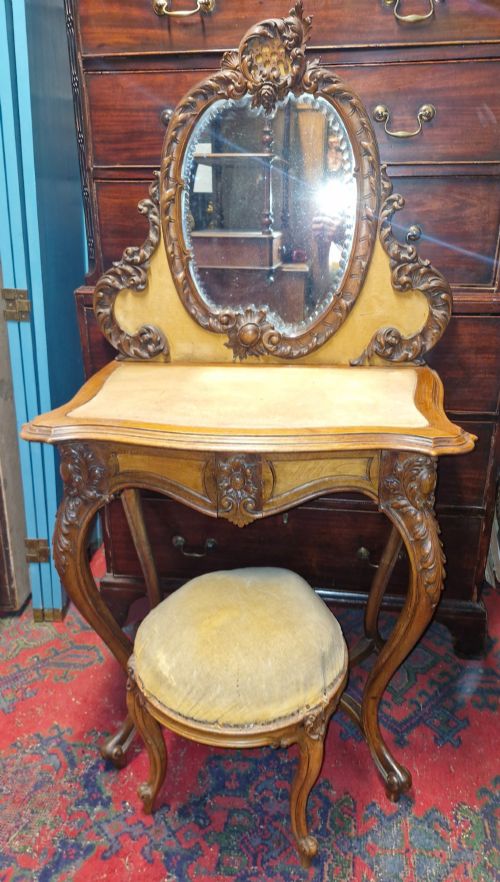
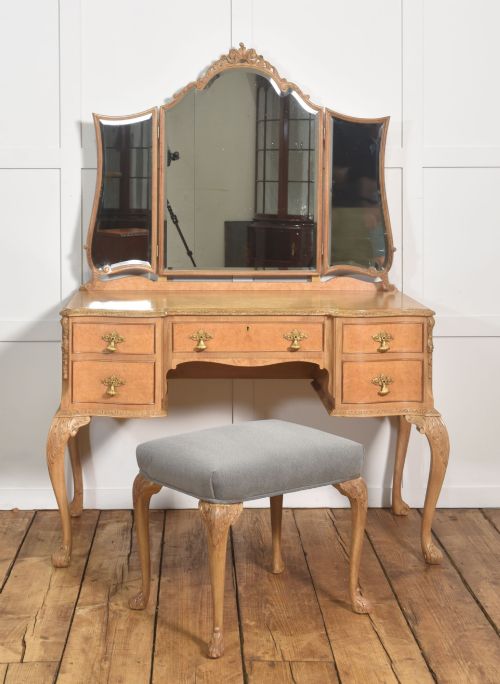
A carved dressing stool is a low, upholstered seat traditionally used at a vanity or dressing table. When you search for a carved dressing stool, you encounter pieces dating from the eighteenth century through to the early twentieth century, spanning Georgian, Victorian, and Edwardian periods.
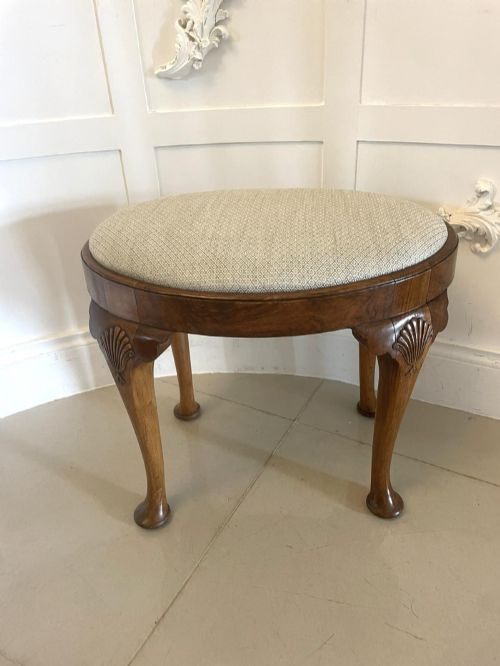
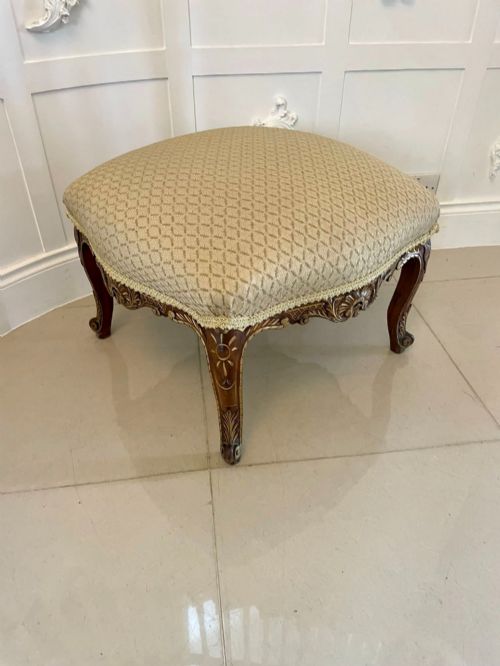
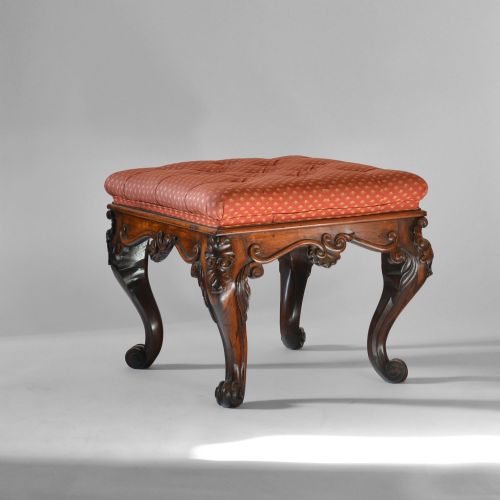
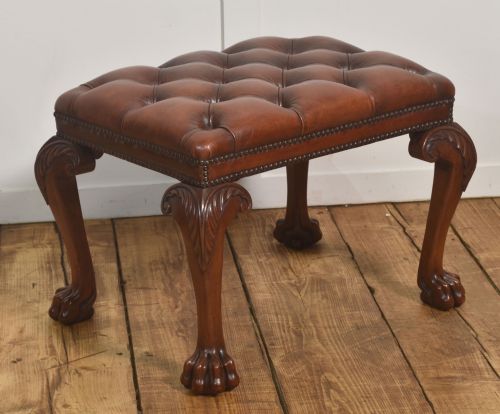
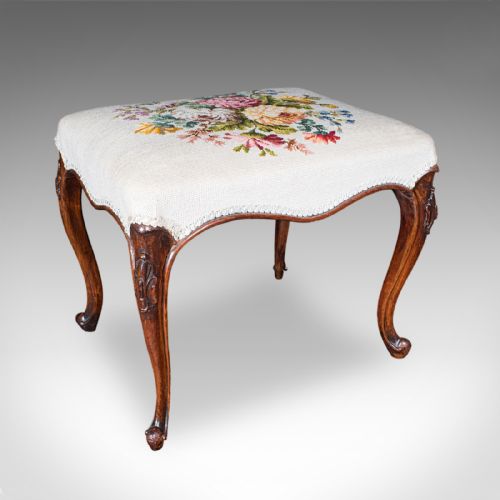
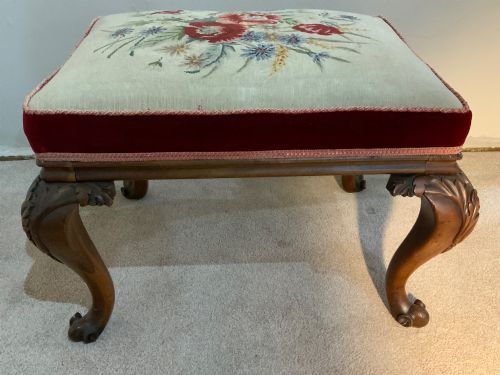
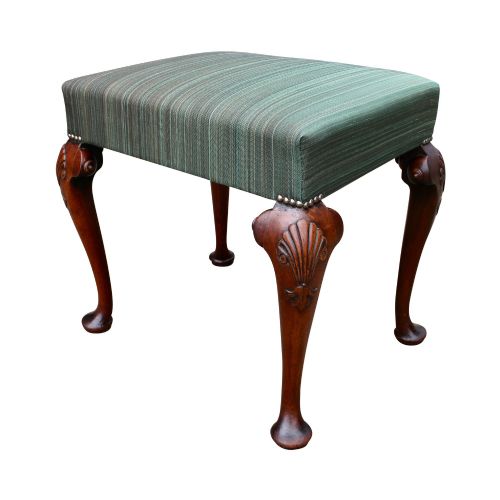
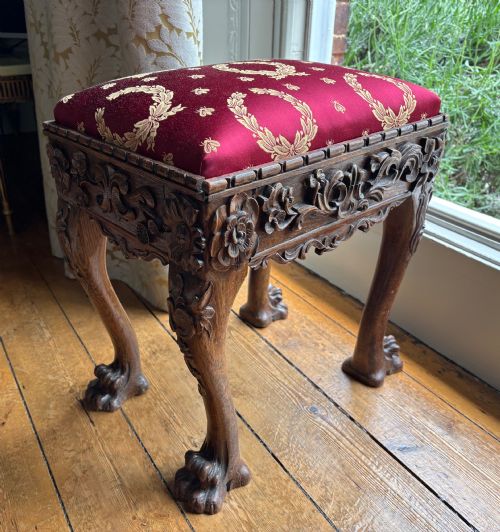
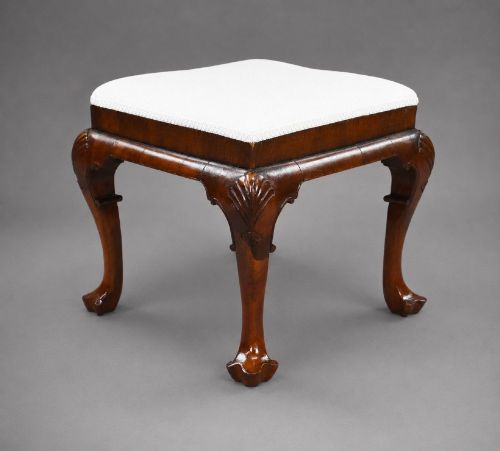
The version most commonly met on this page is the Victorian walnut or mahogany stool featuring carved cabriole legs and an upholstered top. Many examples follow revivalist designs, channelling earlier Queen Anne, Chippendale, or William and Mary aesthetics.
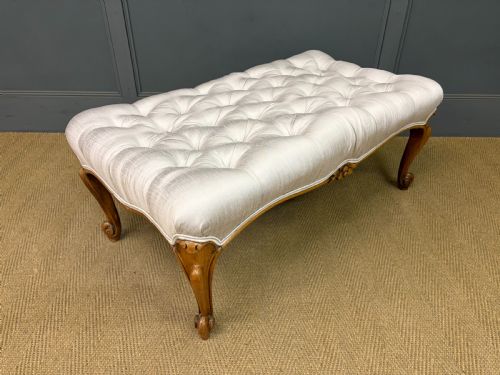
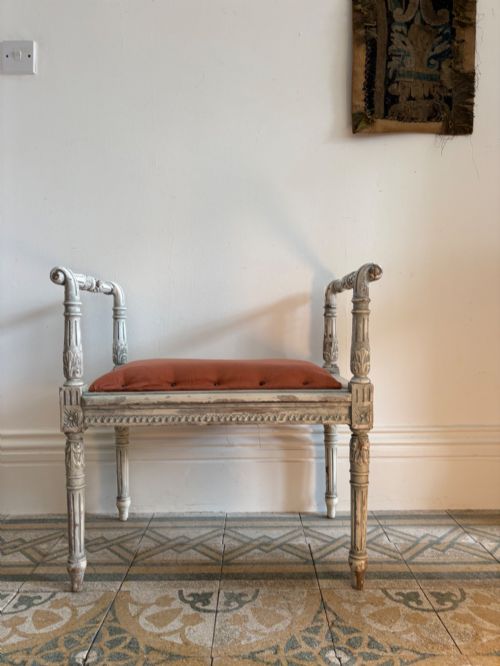
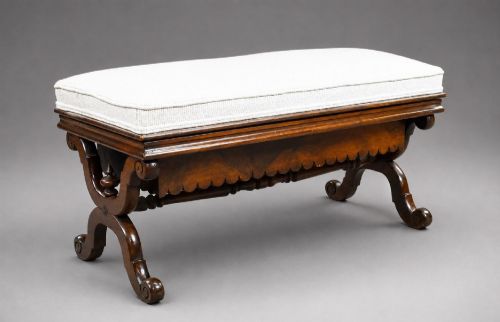
Beyond the bedroom, these versatile forms often function as piano benches, footstools, or occasional seats in a hallway. They range from simple rectangular frames to elaborate cross-frame and scroll-carved varieties.
How they were made
Cabinetmakers constructed the frames using hardwoods such as walnut, mahogany, rosewood, oak, and beech, frequently employing traditional joinery methods. Turnings, scrollwork, and cabriole legs were hand-carved into the solid timber.
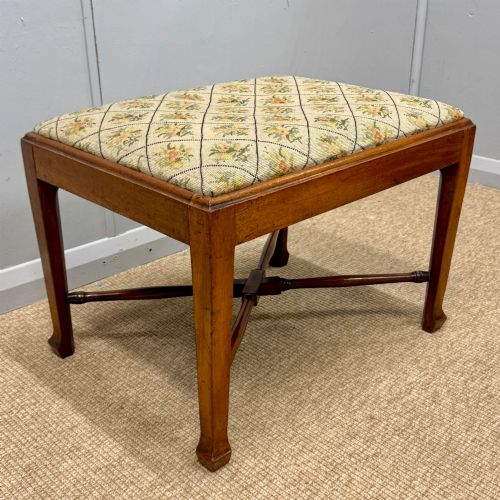
Upholstery forms an integral part of the construction, utilising materials like velvet, silk, leather, needlepoint, and various traditional textiles fixed over padded seats. Additional detailing often includes brass tacks, gilt accents, or structural cross stretchers for added stability.
Listings span the eighteenth, nineteenth, and early twentieth centuries, featuring walnut, mahogany, rosewood, and oak frames with textile or leather seats.
What varies in quality
The refinement of the hand-carving defines the upper tier of these pieces, distinguishing crisp acanthus leaves and cabriole work from plain or mechanically finished surfaces. Timber selection also matters, with richly figured walnut and dense mahogany denoting superior workshops.
Structural integrity and the retention of original upholstery materials, frames, and stretchers influence the character and authenticity of each stool. Cohesion between the period style and the execution of the woodwork separates standard utilitarian examples from finer decorative works.
The Carved Dressing Stool Glossary
- Cabriole leg
- A furniture leg that curves outward at the knee and tapers inward toward the foot, mimicking an animal's leg. This form appears frequently on Victorian and Queen Anne style walnut stools.
- Cross stretcher
- Wooden rails connecting the lower legs diagonally to provide structural support. They often feature central finials or twist-turnings on seventeenth-century revival designs.
- Needlepoint
- A type of canvas work embroidery used for upholstery. It provides durable, decorative seat covers found on many nineteenth-century fireside and dressing stools.
- Goncalo Alves
- A dense, highly figured tropical hardwood also known as zebrawood. It is occasionally encountered in mid-Victorian dressing furniture.
- Gilt
- A thin layer of gold leaf applied to wood surfaces. This decorative technique highlights carved details on Victorian and continental frames.
Carved Dressing Stool: Frequently Asked Questions
What is a dressing stool?
A dressing stool is a small, moveable seat designed to sit beneath a vanity or dressing table. They provide a comfortable, backless perch for daily grooming routines.
These pieces typically feature upholstered tops and decorative wood frames that coordinate with bedroom furniture suites.
How do I date a carved stool?
Dating relies on identifying the combination of timber, carving style, and construction methods. For example, dense rosewood and elaborate cabriole legs often point to the Victorian era.
Revival pieces from around nineteen hundred frequently copy earlier eighteenth-century Queen Anne or Chippendale aesthetics while retaining later internal construction traits.
Can I use these in other rooms?
These compact seats suit various living spaces beyond the bedroom. They function effectively as piano benches, fireside footstools, or hallway seats.
Their decorative carved frames allow them to serve as standalone accent pieces in living rooms or studies.
What woods were commonly used?
Mahogany and walnut dominate the surviving examples from the eighteenth and nineteenth centuries. Cabinetmakers favoured these timbers for their strength and suitability for hand-carving.
Alternative materials like rosewood, oak, beech, and occasional exotic hardwoods also appear across different regional workshops and revival periods.