


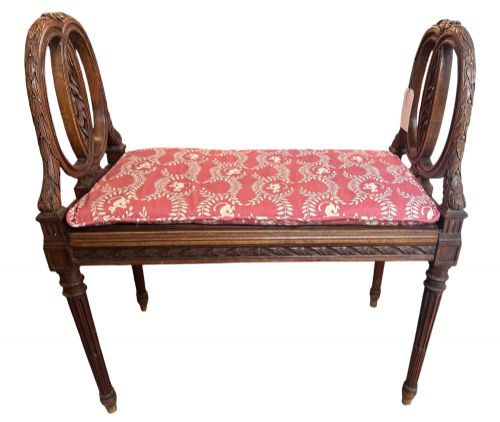


Fluted Leg Bench
A fluted leg bench brings classical linear carving to seating, offering understated elegance through upright channels carved directly into the timber support.
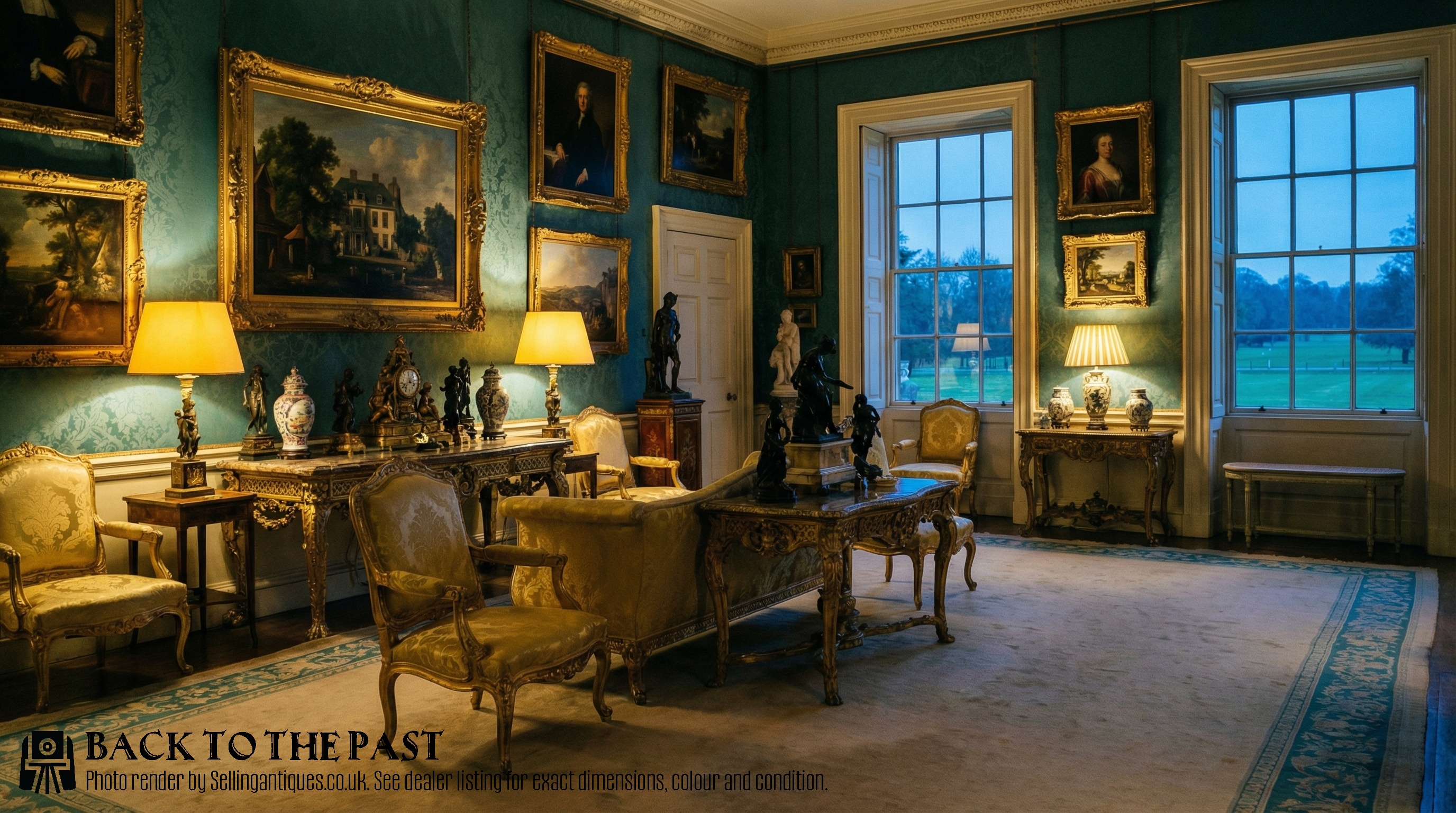
Fluted Leg Bench
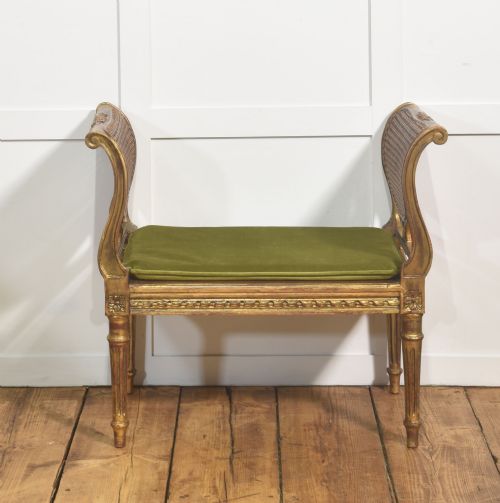
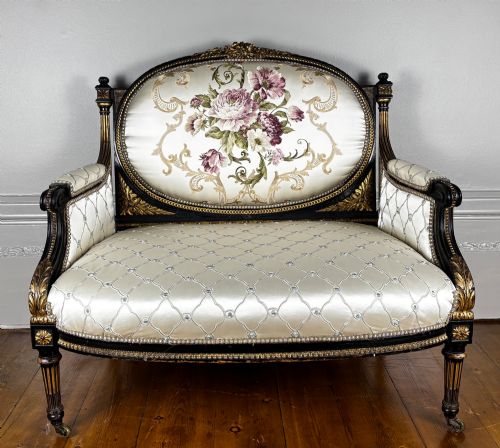
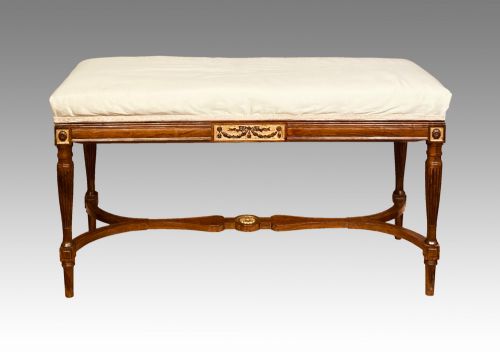
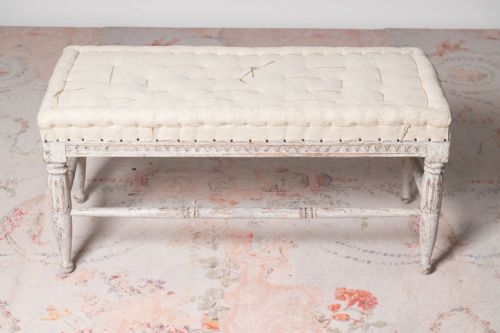
A fluted leg bench incorporates linear vertical grooves carved into the wooden supports, appearing across various forms including long seats, window stools, and settees. These pieces draw heavily on classical design vocabulary, appearing frequently in nineteenth-century interpretations of earlier French and Swedish aesthetics.
The selections span distinct periods ranging from the eighteenth century through the Edwardian era, encompassing diverse regional tastes such as Gustavian, Regency, and Louis XVI styles. Buyers encounter both compact window seats and larger settees, all united by the characteristic carved vertical channels on their legs.
Distinctions in quality
Quality rests in the crispness of the hand-carved fluting on the wooden supports and the integrity of the underlying timber frame. Pieces that retain their original parcel gilt, paint, or patinated surface demonstrate superior preservation compared to later interventions.
The execution of secondary materials, such as tight hand-caning or careful joinery in mahogany and walnut, marks the distinction between standard production and finer workshop output. Original upholstery treatments and period textiles further elevate the standing of an individual piece.
The listings span multiple centuries, incorporating eighteenth-century Swedish pieces, Regency mahogany frames, and later Victorian and Edwardian interpretations.
Charles Nosotti·Jas Shoolbred
The Fluted Leg Bench Glossary
- Fluting
- Vertical parallel grooves carved into the surface of a furniture leg or column. This classical detail draws inspiration from ancient architectural columns.
- Caning
- Woven rattan material used to form seats or back panels. It offers a lightweight and flexible surface popular in French and Swedish seating.
- Giltwood
- Timber that has been coated with a thin layer of gold leaf or gilt paint. This finish creates a luminous, reflective surface seen on formal nineteenth-century pieces.
- Banquette
- A long upholstered bench or settee lacking arms or possessing a low back. These seats function effectively in hallways and beneath windows.
- Parcel Gilt
- A decorative technique where only specific carved details of a wooden frame receive gilding while the rest remains painted or polished. This highlights particular ornamental motifs against a contrasting background.
Fluted Leg Bench: Frequently Asked Questions
Where should I place a fluted leg bench?
These benches suit narrow hallways, the foot of a bed, or positioned directly beneath a window as a low seat.
Their restrained profile allows them to integrate into circulation spaces without dominating a room.
How do I identify a Gustavian piece?
Gustavian pieces typically display pale painted finishes, restrained neoclassical carving, and simplified proportions inspired by French court styles.
Swedish makers adapted these motifs with a lighter, more muted palette and functional restraint.
What is the difference between a stool and a settee?
Stools provide backless seating designed for one or multiple occupants, sometimes referred to as long benches or window seats.
Settees incorporate backs and sometimes arms, offering formal support for extended seating.
How do I care for cane panels?
Cane requires moderate humidity to prevent the natural rattan from drying out and becoming brittle over time.
Occasional gentle cleaning with a damp cloth maintains the flexibility of the woven strands.