



Antique Cane Seat Bench
An antique cane seat bench offers woven texture and lightness, bringing timeless seating forms from the eighteenth to the early twentieth century into modern interiors.
Antique Cane Seat Bench
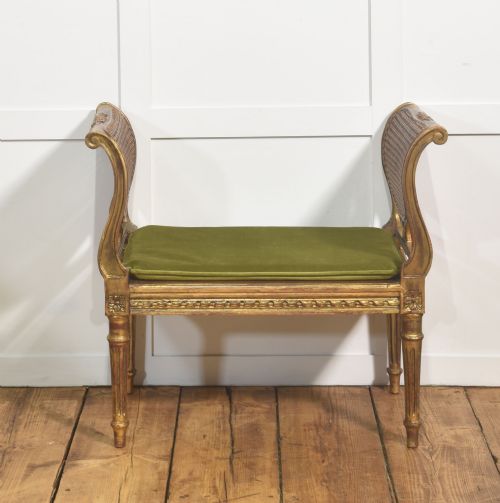
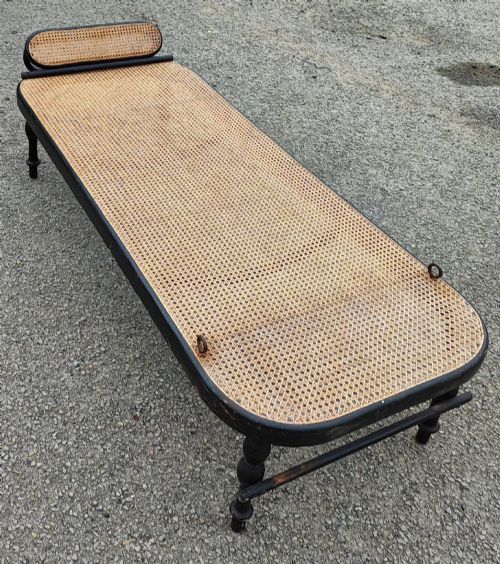
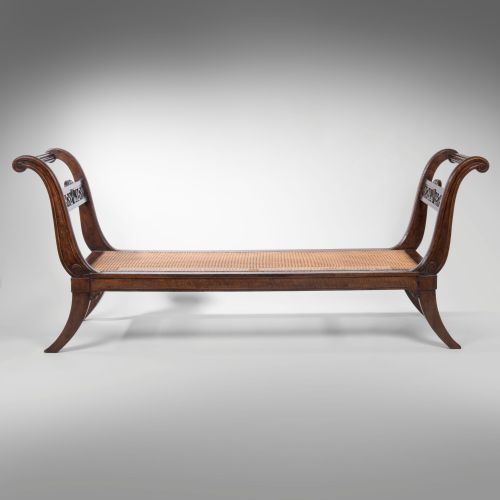
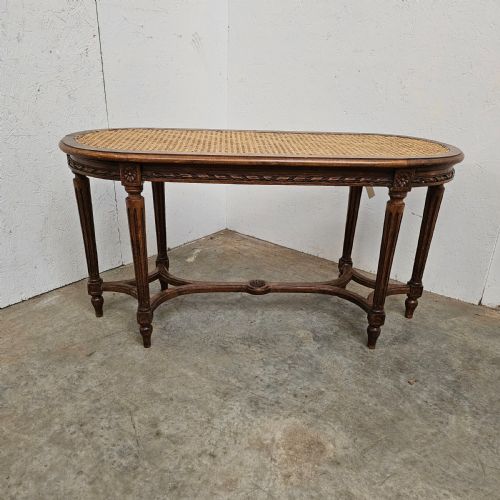
When you search for an antique cane seat bench, you encounter a diverse selection of seating including window seats, long stools, day beds, and settees originating from the eighteenth century through to the Edwardian period and the early twentieth century. These pieces bridge formal architectural furniture and relaxed domestic seating, frequently appearing in styles such as Louis XVI, Regency, and French Régence alongside vernacular Viennese bentwood and bamboo forms.
The nineteenth century yields the highest volume of examples on this page, spanning walnut, mahogany, beech, and painted frames fitted with woven canework. Buyers regularly find French-inspired giltwood window stools, painted satinwood settees, and Anglo Indian rosewood scroll back benches that demonstrate how varied these seating forms were across different European and international workshops.
Materials and construction methods
The primary structural framework of these benches relies upon native and exotic timbers such as mahogany, walnut, beech, and satinwood, often enhanced with giltwood, painted finishes, or ebonisation. Artisans shaped these solid woods through traditional carving and joining techniques to support the structural demands of seating while accommodating decorative stylistic revivals.
Canework forms the defining surface of the seat or back, woven from split rattan into intricate patterns that provide resilient yet flexible support. This traditional technique requires skilled hand-weaving to thread the material through pre-drilled holes or channels along the wooden frame perimeter.
Several window seats double as magazine tables, proving that nineteenth-century readers appreciated multipurpose furniture just as much as modern buyers.
Evaluating craftsmanship and condition
Quality in these pieces is dictated by the crispness of the timber carving, the integrity of the joinery, and the tightness of the woven canework. Finer examples display deeply carved mouldings and hand-turned structural components that remain rigid over centuries of use.
The preservation and execution of the woven cane surface heavily influence the overall standard of a piece. Original hand-woven canework that retains uniform tension and natural elasticity represents a higher tier of historic craftsmanship compared to later repairs or loose, brittle weaving.
Thonet
The Antique Cane Seat Bench Glossary
- Cane
- Woven material made from the peeled bark of rattan palms, utilised for flexible and breathable seats and backs. It provides a lightweight alternative to solid wood or upholstered cushions.
- Window seat
- A long, narrow form of seating designed specifically to fit into the recess of a window bay. These pieces typically feature low backs or open arms to maximise light.
- Bergere
- An enclosed armchair or sofa with solid wooden sides filled with cane work. This French seating form gained popularity for its airy elegance.
- Giltwood
- Wood that has been coated with a thin layer of gold leaf or gesso preparation. It creates a luminous decorative surface seen on formal revival pieces.
- Banquette
- A long upholstered or caned bench without a back, or with a very low back. It functions well in hallways, at the foot of a bed, or beneath windows.
Antique Cane Seat Bench: Frequently Asked Questions
Where should I place an antique cane bench?
These benches suit narrow entrance halls, the foot of a bedroom bed, or positioned beneath a large window. Their open woven structure prevents them from blocking natural light in smaller spaces.
Because the materials can be sensitive to direct heat sources and extreme moisture, avoid placing them directly against active radiators or in damp conservatories.
What is the difference between a window seat and a settee?
A window seat is typically backless or has low, matching scroll ends designed for placement in architectural window recesses. They prioritize compact length and low profiles.
Settees and sofas incorporate full structural backs and sometimes upholstered elements, intended for social seating against a living room or salon wall rather than an alcove.
How can I date an antique cane bench?
Dating relies on stylistic clues such as the carved motifs reflecting periods like Regency or Louis XVI, combined with the construction of the wooden frame. Hand-cut joinery and wood species help establish the era of manufacture.
The weave pattern and the regularity of the holes drilled into the frame also provide context, as machine-drilled uniformity often points towards later nineteenth or twentieth-century production.