




Louis XVI Style Banquette
A louis xvi style banquette brings French neoclassical elegance and refined seating to a hallway or window space.
Louis XVI Style Banquette
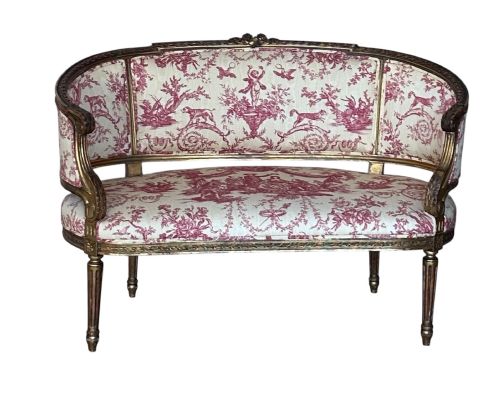
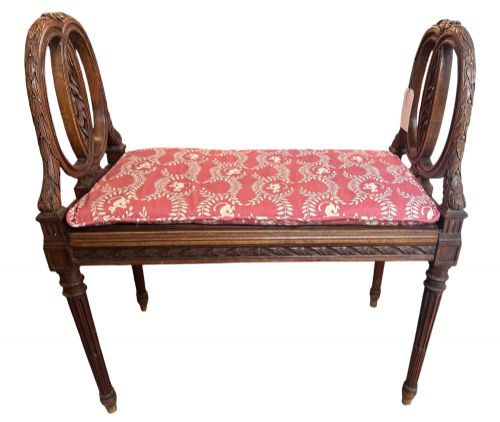
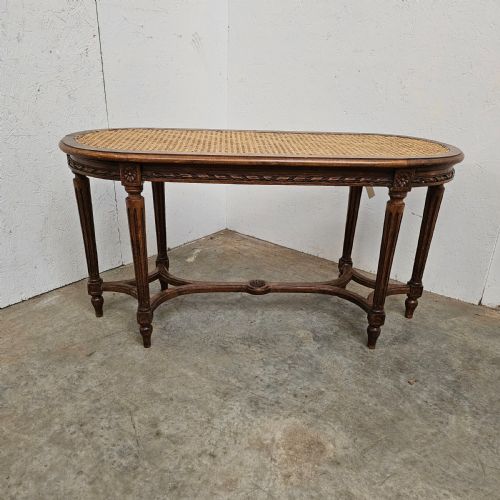
When searching for a louis xvi style banquette, collectors seek long upholstered seats and benches influenced by French neoclassical design and classical symmetry. The pieces on this page span the nineteenth century and the early twentieth century, showing traditional forms like window seats, hall seats, and smaller settees.
Most examples originate from French workshops, drawing on the straight lines and restrained ornamentation typical of the reign of Louis XVI. Buyers encounter variations including gilded wood frames, carved walnut structures, and cane panels suited for formal rooms and intimate spaces alike.
Materials and construction methods
Joiners shaped these frames from solid hardwoods like beech and walnut, employing traditional cabinetmaking joints to ensure stability over generations. Carvers worked directly into the timber to create crisp neoclassical motifs such as fluting, ribbons, and classical rosettes.
Surface finishes include gold leaf applied to gesso over wood, alongside painted surfaces and polished natural timber. Upholsterers secured textiles, cotton, and woven cane directly to the frames to finish the seats.
Early window seats were purposely built low so servants could sit discreetly beneath the sill while mending heavy drapes.
Judging the quality of a banquette
The distinction between ordinary and exceptional pieces lies in the crispness of the wood carving and the depth of the gilding. Skilled hands produced sharp architectural details and smooth proportions that elevate the entire silhouette.
Structural integrity also separates the better examples, visible in the weight of the timber and the tightness of the joinery. Original cane work or thoughtful reupholstery preserves the character intended by the original maker.
The Louis XVI Style Banquette Glossary
- Banquette
- A long upholstered bench or stool designed for seating more than one person. These pieces often feature backrests or arms and sit well beneath windows or along hallways.
- Giltwood
- Timber coated with a thin layer of gold leaf. This finish reflects light and brings warmth to neoclassical furniture.
- Neoclassical
- A style drawing inspiration from the classical art and architecture of ancient Greece and Rome. It favours straight lines, symmetry, and restrained ornamentation over curving baroque excess.
- Cane
- Woven rattan or plant material used to form light, breathable panels for seats and backs. It requires careful hand-weaving to maintain tension and pattern.
- Canapé
- A French term for an upholstered sofa or settee designed for multiple sitters. These pieces often share design elements with matching banquettes.
Louis XVI Style Banquette: Frequently Asked Questions
What is a louis xvi style banquette used for?
These pieces serve as practical seating in hallways, bedrooms, and beneath large windows where chairs might block the view. Their slender proportions allow them to fit into narrow circulation spaces without crowding the room.
Historically, they provided comfortable resting places in grand homes and salons. Today, collectors use them to add functional period character to modern interiors.
How do I date a nineteenth century banquette?
Dating relies on examining the tool marks left by woodworkers, the composition of the gesso beneath gilding, and the wear patterns on the timber. Nineteenth-century pieces often imitate earlier neoclassical models while retaining the manufacturing techniques of their own era.
Comparing the turning style of the legs and the botanical motifs in the carving helps narrow down the decade of production. Secondary woods used in the unseen framing also offer clues to the origin and date.
Are these seats comfortable for daily use?
Most of these benches provide firm support rather than deep lounging comfort, reflecting the formal seating habits of their period. The upholstery foundation relies on traditional stuffing methods that feel firmer than modern foam cushions.
Adding a small loose cushion can alter the sit if you prefer a softer feel. They work best for short periods of sitting rather than long hours of relaxation.
How should I care for gilded wood?
Keep gilded surfaces away from direct sunlight and damp environments to prevent the gold leaf from flaking or the gesso from cracking. Dust the carved details gently with a soft, dry brush rather than wiping them with a damp cloth.
Avoid using commercial furniture polishes that can build up a residue and damage delicate metallic finishes. Professional conservation is best if the gilding begins to loosen from the wood.