

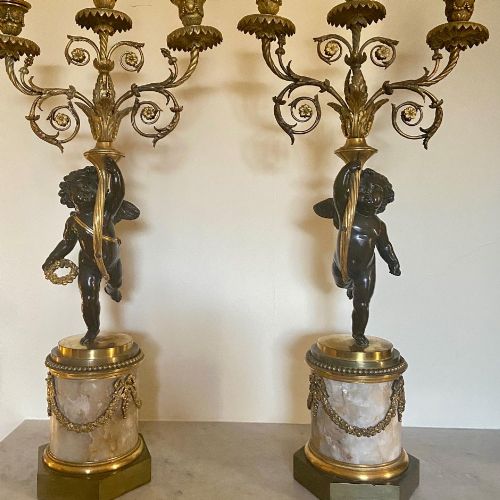
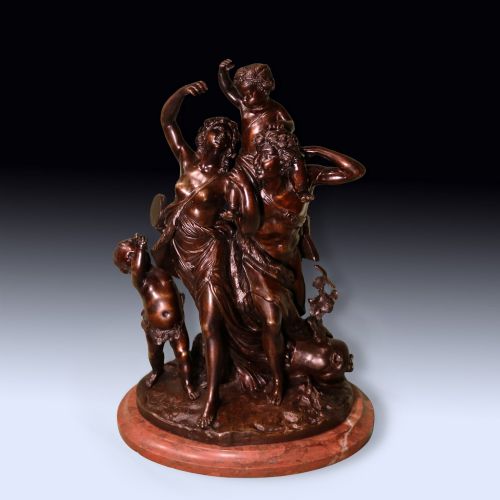
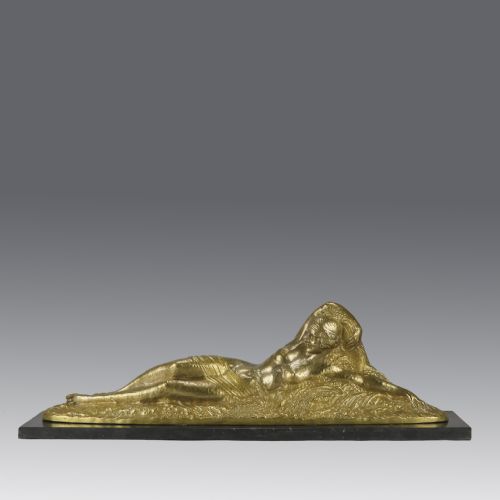


French Bronze Tabletop Sculpture
These french bronze tabletop sculpture works bring classical mythology, romantic putti and modernist dancers into domestic interiors through expressive metalwork.
French Bronze Tabletop Sculpture
When you search for french bronze tabletop sculpture, you encounter a diverse array of figural art ranging from nineteenth century classical revivals to twentieth century modernist creations. These smaller works of art were designed specifically for interior display on mantelpieces, desks and side tables rather than grand architectural settings.
The pieces on this page span several centuries, including eighteenth century classical interpretations, nineteenth century romantic groups and early twentieth century art deco figures. You will frequently find subjects depicting mythological figures, putti, dancers and young maidens cast in metal.
Object forms include standalone statues, figural groups, candelabra and mantel clocks incorporating sculptural elements. The majority of items originate from nineteenth and early twentieth century French workshops and studios.
Assessing quality
The precision of the casting and the crispness of the churing separate superior examples from standard production pieces. Finer casts retain delicate facial expressions, intricate drapery folds and precise anatomical details without soft edges.
The application and depth of the patina or cold painted decoration significantly influence the visual appeal of the sculpture. Skilled surface finishing highlights the underlying form and gives the metal a lifelike warmth.
Listings feature works spanning the eighteenth, nineteenth and early twentieth centuries, constructed from bronze, gilt bronze, patinated bronze, spelter and marble.
Pierre le Faguays·Francois Redmond·Clodion·Demetre Chiparus·Georges-Charles Coudray·Auguste Moreau·Edmond Leveque·Alexandre Kelety·J Camus·Jean Jacques Pradier·Louis Hottoot
The French Bronze Tabletop Sculpture Glossary
- Patina
- The surface coloration and sheen developed naturally over time or applied chemically by the foundry. This layer protects the metal and adds depth to the sculptural contours.
- Cold painted
- A technique where paint is applied to a bronze object after casting without being fired at high temperatures. This method allows for vivid multi-coloured surface decoration on figures.
- Putto
- A representation of a small winged infant, frequently depicted as a cherub or mythological attendant in classical compositions. These figures often appear playing instruments or gathering grapes.
- Ormolu
- Finely ground high-carat gold applied to bronze objects using a mercury amalgamation process. This luxurious finish creates a brilliant golden appearance on decorative metalwork.
- Spelter
- A zinc alloy commonly used as a less expensive substitute for bronze in decorative figures. It is softer than bronze and often finished with a metallic paint coating.
French Bronze Tabletop Sculpture: Frequently Asked Questions
How were these sculptures used?
Owners placed these pieces on tabletops, mantelpieces and desks as decorative focal points within a room. Some examples served dual purposes as clock cases or candle holders.
They functioned as portable fine art objects that demonstrated the refined taste of the household owner.
How do I live with these pieces?
Position your sculpture on a stable surface away from direct heat sources and strong moisture fluctuations. Handle the metal gently using clean hands to preserve the original surface finish.
Dust the piece regularly with a soft, dry cloth without applying modern chemical cleaning polishes.
How do I tell periods apart?
Nineteenth century pieces often feature classical mythology, romantic subjects and elaborate patination reflecting historical revival movements. Early twentieth century examples embrace art deco geometries, stylised dancer poses and cleaner lines.
Examining the base materials, signature styles and accompanying pedestals helps narrow down the active production era.