


French Bronze Lion
These pieces unite cast bronze and animalier movement, capturing nineteenth-century French sculpture and decorative metalwork.
French Bronze Lion
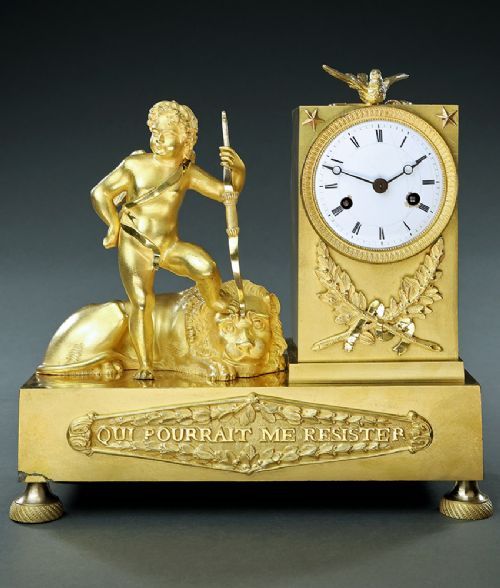
When you search for a french bronze lion, you are looking at nineteenth-century animalier sculptures, mantel clocks, inkstands and architectural mounts originating in France. The pieces span periods from the Regency era through to the early twentieth century, incorporating Neoclassical, French Empire and animalier styles.
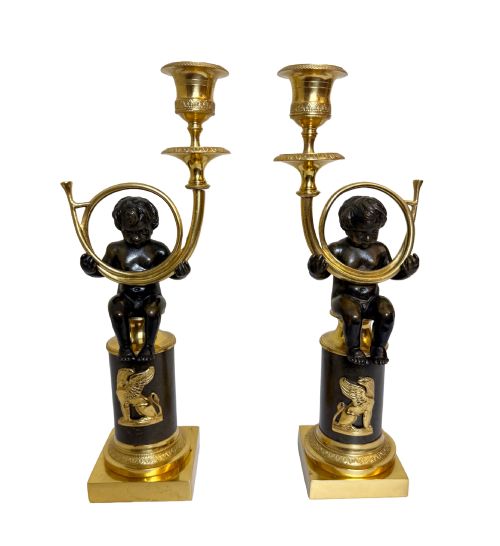
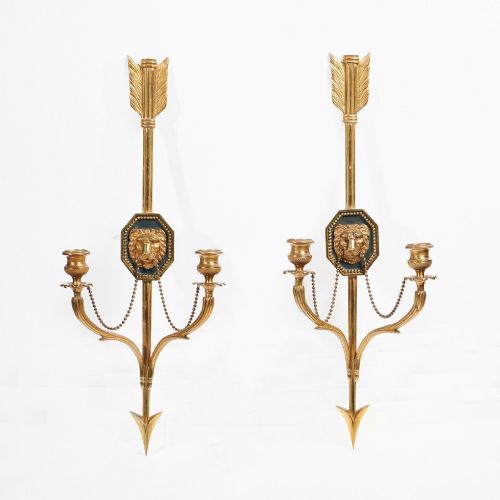
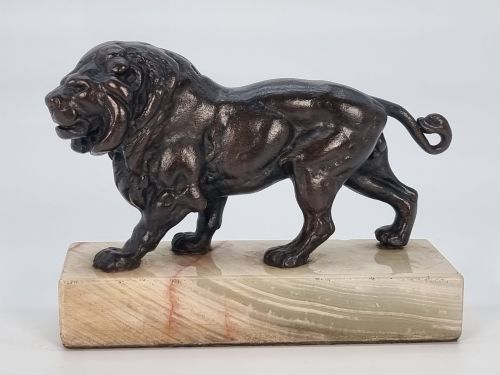
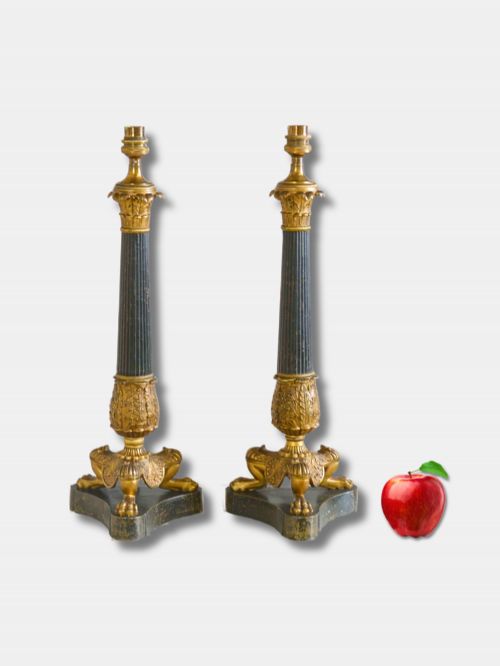
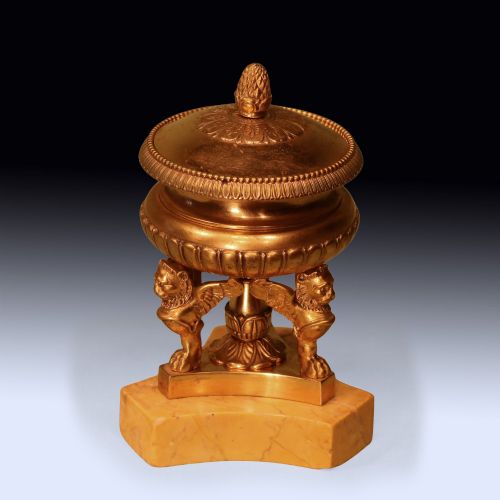
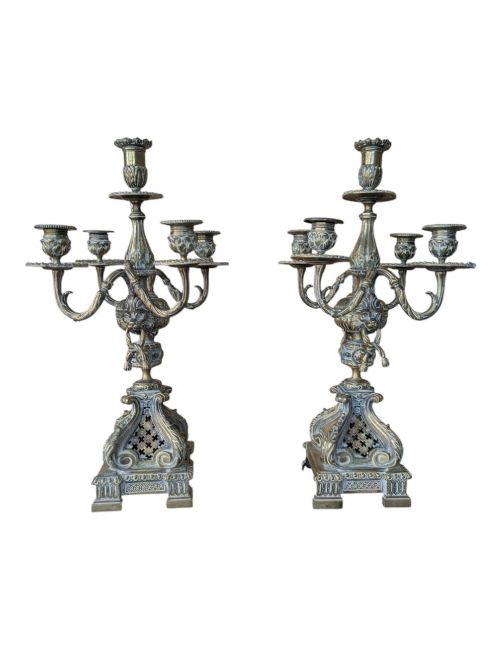
You are most likely to meet patinated or gilt bronze desk studies, mantel clock mounts and marble-based sculptures depicting prowling, roaring or pacing lions. Animalier groups and decorative fittings with lion paw feet or lion mask details appear frequently across the listings.
How they were made
The objects combine cast bronze or brass with gilt ormolu, patinated finishes and stone bases such as marble, onyx, alabaster and portoro. Founders utilised lost-wax casting and sand-casting techniques to achieve sharp musculature and textured manes.
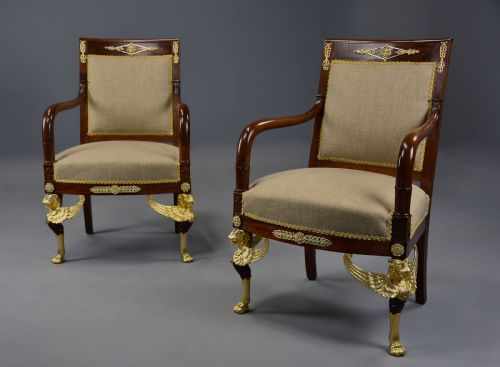
Mounts and decorative details were frequently fire-gilded or chemically patinated before being fixed to architectural stones, mahogany furniture or clock housings.
Several bronzes depict the ancient fable of Androcles and the lion, immortalising the moment a fierce beast recognises a human benefactor.
What varies in quality
The choice of supporting base also dictates grade, with genuine portoro or Sienna marble plinths elevating a piece above standard timber or common stone mounts.
Paul-Édouard Delabrièrre·G. Gardet·Louis Riche·Al Barye·Barbedienne·Le Courtier·Isidore Jules Bonheur·Vidal·L. Bureau
The French Bronze Lion Glossary
- Animalier
- A nineteenth-century artistic movement focused on the realistic portrayal of animals, particularly predators in motion.
- Ormolu
- Finely ground high-carat gold mercury-gilded to a bronze base, creating a brilliant golden surface often seen on French decorative objects.
- Patinated bronze
- Metal treated with chemical solutions to produce a darkened, weathered or coloured surface finish rather than a gilt coating.
- Guéridon
- A small French round table, frequently embellished with ormolu mounts and bronze detailing during the nineteenth century.
- Chenets
- Decorative metal firedogs placed inside a fireplace hearth, often cast in figural or animal forms like rampant lions.
French Bronze Lion: Frequently Asked Questions
What periods do these bronzes come from?
The pieces span the nineteenth and early twentieth centuries, with a heavy concentration of works produced during the Victorian era and the height of the French animalier movement.
Examples stretch from Regency and c.1800 Neoclassical designs through to Art Deco period interpretations around 1930.
How were these lion sculptures displayed?
Many of the standalone bronze studies were mounted upon heavy marble, onyx or slate plinths to provide stability and visual weight for desk or mantel display.
Others functioned as architectural mounts, clock cases, inkstands or decorative chenets integrated into period fireplace hearths.
What is the difference between bronze and ormolu?
Bronze is an alloy of copper and tin utilised for casting the primary animal figure, allowing for deep patination and dark brown or black surface tones.
Ormolu refers to bronze that has been coated with a mercury-gilding process to produce a bright, durable golden finish found on decorative mounts and clock bezels.
How do I identify animalier style pieces?
Animalier works focus heavily on anatomical accuracy, capturing wild beasts in tense, naturalistic postures such as pacing, prowling or bringing down prey.
Look for dynamic tension in the musculature and realistic texturing within the lion's mane and claws.