


French Bronze Figural Group
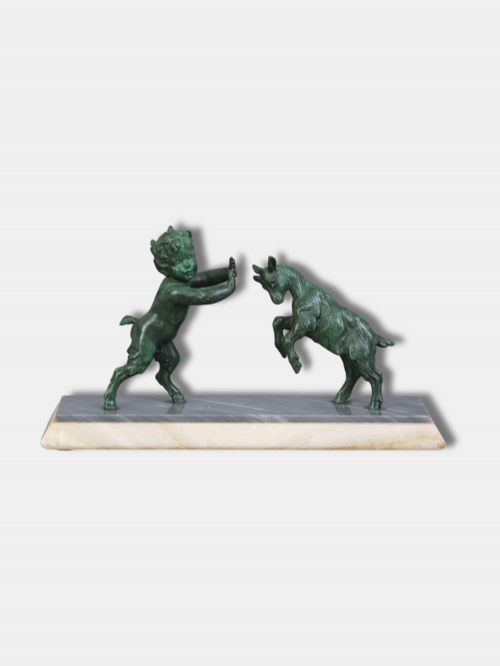
A french bronze figural group captures classical mythology, romantic pastoral scenes, and sleek twentieth-century movement through cast metal.
French Bronze Figural Group
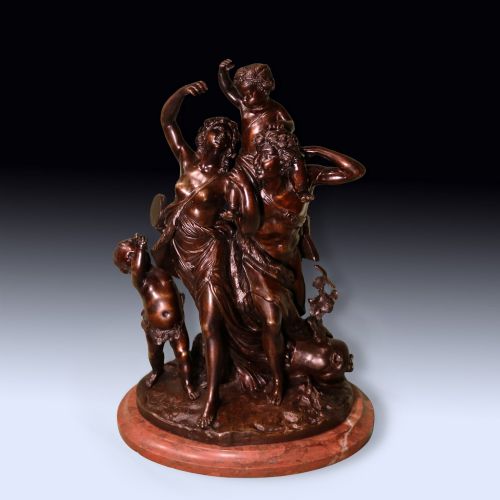
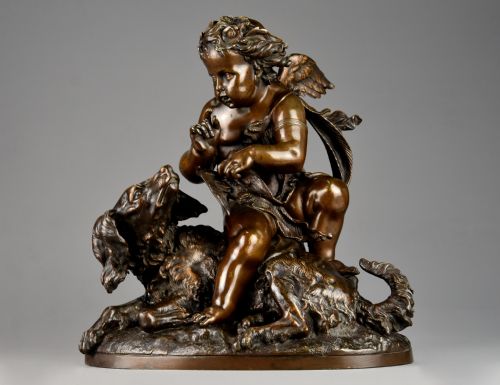
A french bronze figural group brings together multiple cast metal figures, often depicting classical deities, dancing maidens, putti, or animals interacting in narrative scenes. These works range from late nineteenth-century neoclassical and rococo revival interpretations after earlier masters to streamlined twentieth-century modernist compositions.
The pieces appearing most frequently on this page date from the nineteenth century through the nineteen-thirties. Buyers encounter subjects such as Bacchic revels with putti, maternal figures with children, and dancers accompanied by animals.
Works in this category function primarily as tabletop or pedestal sculptures, designed to command attention through dynamic multi-figure arrangements.
How they were made
Foundries utilised traditional lost-wax casting methods or sand-casting techniques to reproduce intricate details from sculpted models. These metallic forms were then finished with patination, ranging from dark tones to silvered surfaces, to highlight musculature, drapery, and facial expressions.
Heavier compositions frequently incorporate mounting elements of contrasting natural stone. Bases of marble and onyx provide structural stability and visual weight to balance the dynamic postures of the figures.
French Bronze Figural Group Retail Price Guide 2026
Typical asking prices for french bronze figural group among the pieces listed under this phrase on Sellingantiques today, from the lower quarter to the upper quarter. They describe what is for sale here now, not the wider market.
Watch for winged putti getting enthusiastically tangled up with spaniel dogs.
What varies in quality
The nuance of the applied patina determines the visual depth of the metal surface. Rich, layered chemical treatments provide tonal variation and warmth, whereas inferior finishes appear flat and uniform.
Emile Carlier·E. Drouot·Auguste Moreau·Antoine Bofill
The French Bronze Figural Group Glossary
- Patina
- The surface coloration and texture developed through age or chemical treatment. This finish protects the metal underneath while defining the tonal quality of the sculpture.
- Putto
- A chubby male child figure, often winged, derived from classical art. These figures appear frequently in Bacchic and pastoral groupings playing with grapes or instruments.
- Lost-wax casting
- A process where a molten metal is poured into a mould created from a wax model. This technique allows for exceptional detail and undercuts in complex figural groups.
- Spelter
- A zinc alloy utilised as a substitute for bronze in decorative figures. It is lighter in weight and accepts different patination treatments.
- Neoclassical
- An artistic style inspired by the classical antiquity of ancient Greece and Rome. Works in this vein emphasise balanced composition, mythological themes, and restrained dignity.
French Bronze Figural Group: Frequently Asked Questions
What subjects do these figures show?
These sculptures typically depict mythological characters, pastoral dancers, and domestic family scenes. Bacchic themes involving putti, grapes, and revellers appear alongside classical maternal groups.
Later twentieth-century examples shift towards streamlined human and animal interactions reflecting modernist design trends.
How are these groups mounted?
Many pieces are secured to heavy bases of carved marble or onyx. These stone pedestals provide a stable foundation and add a contrasting textural element to the metallic figures above.
Smaller examples may sit directly on integrated cast bronze bases without stone elements.
How do I identify the period?
Nineteenth-century examples often lean towards neoclassical and rococo revival styles, featuring elaborate mythological narratives and detailed patinated surfaces. Twentieth-century works from the art deco era display simplified geometry, stylised anatomy, and smooth transitions.
Signatures, foundry marks, and the choice of mounting materials also help narrow down the date of production.
Where should I display them?
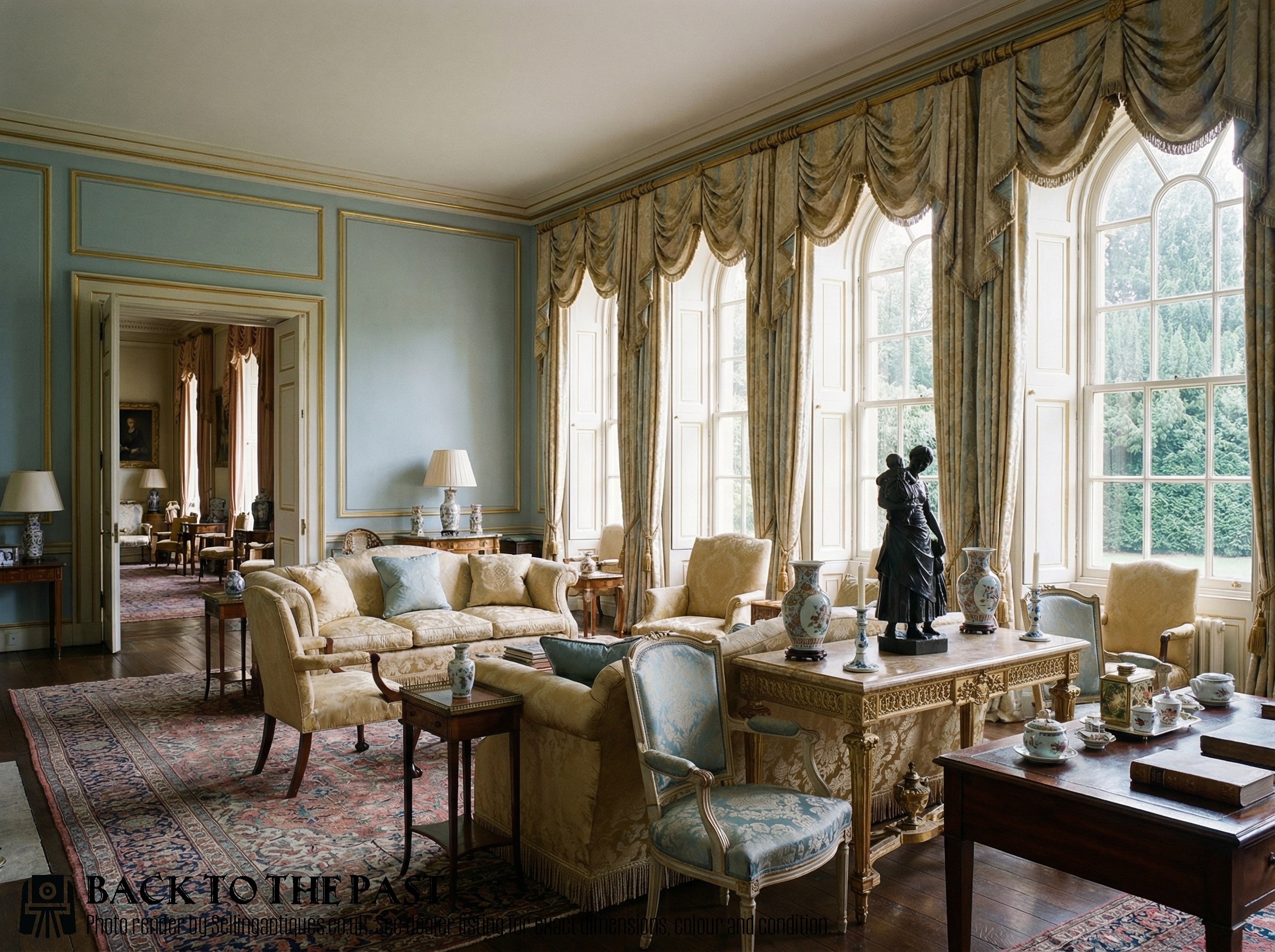
These sculptural groups suit placement on sturdy sideboards, mantels, or dedicated pedestals where the multi-figure composition can be viewed from multiple angles. Positioning them away from direct heat sources protects both the metal patina and any stone base.
Ensure the supporting furniture can accommodate the substantial weight of bronze and marble combinations.