
French Brass Table Clock
When you search for a french brass table clock, you enter a world of finely engineered nineteenth-century horology housed in decorative metal and glass cases.
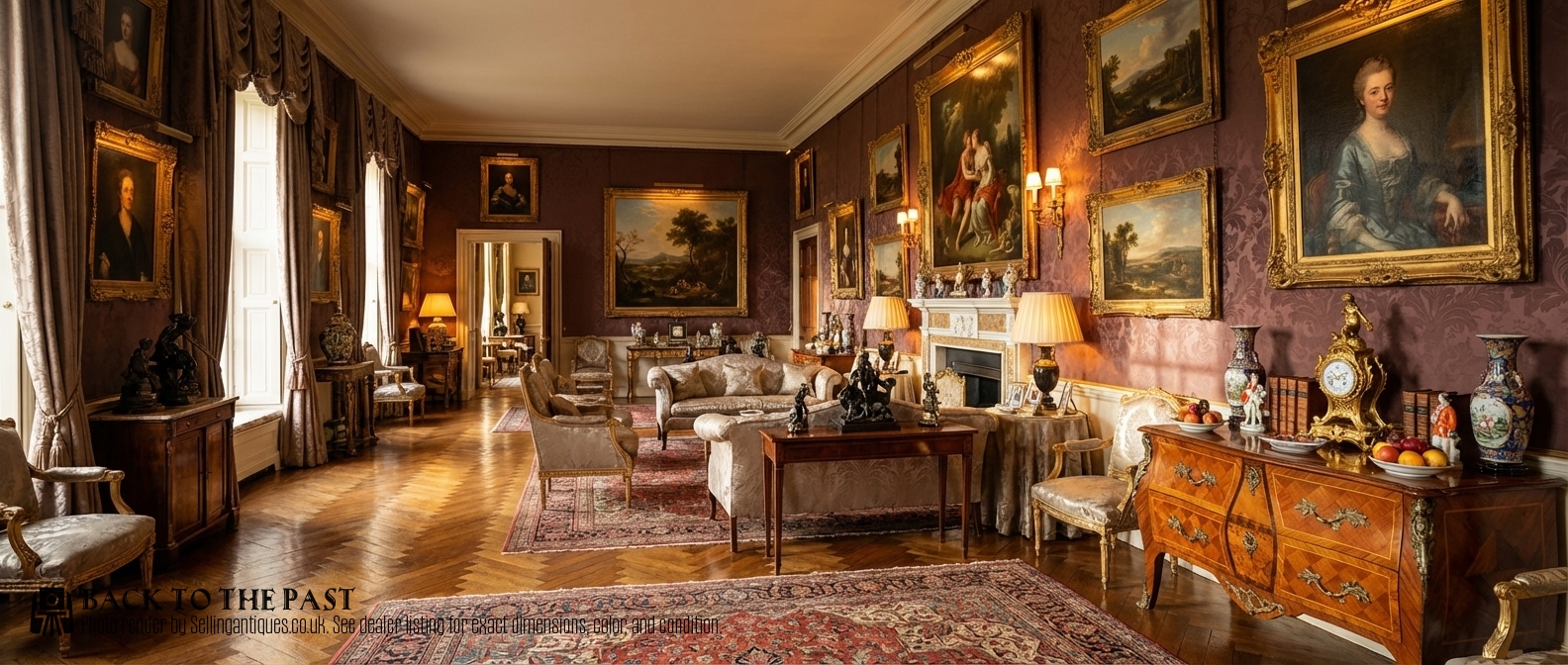
French Brass Table Clock
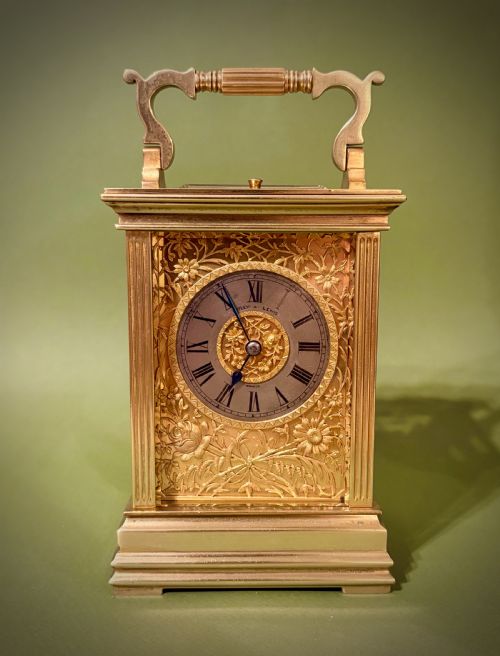
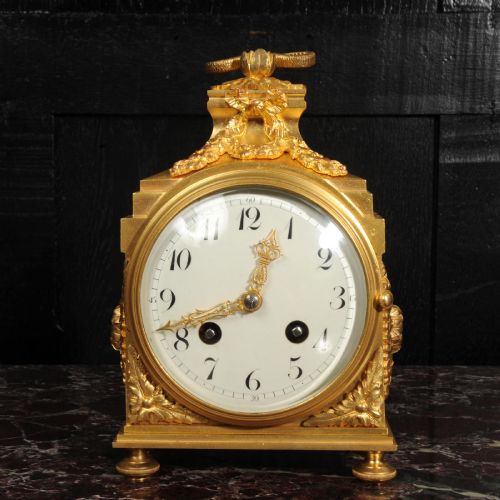
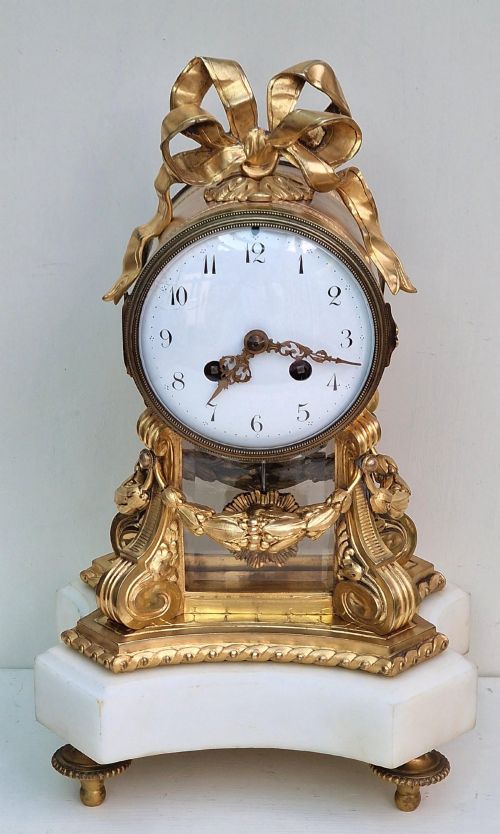
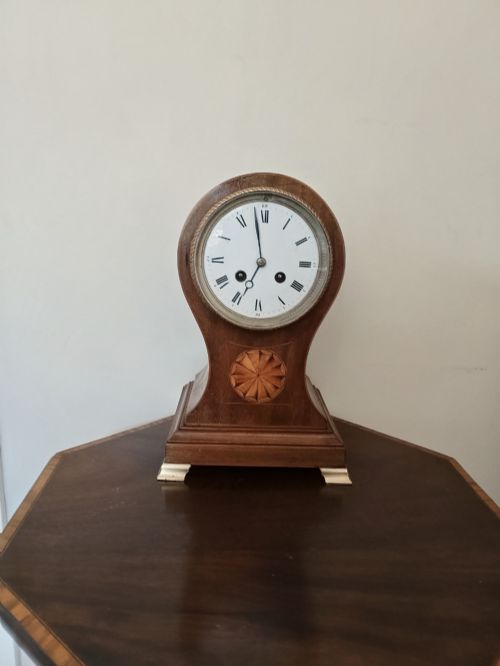
A french brass table clock encompasses a wide variety of timepieces designed for domestic interiors, spanning mantel clocks, carriage clocks, and desk clocks.
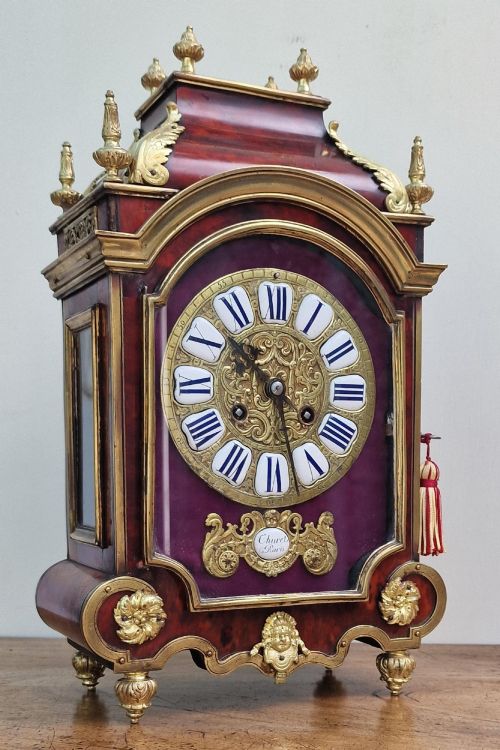
The objects seen here date predominantly from the nineteenth and early twentieth centuries, reflecting Victorian, Louis XVI, Empire, and Rococo Revival tastes.
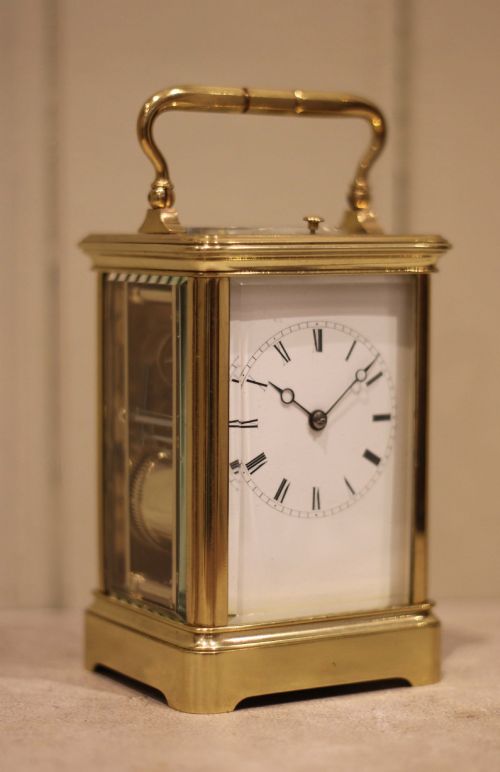
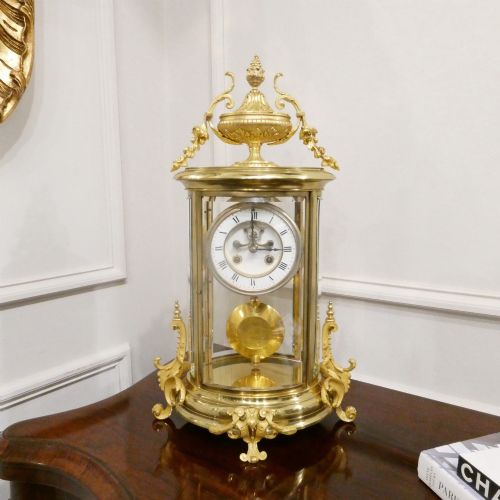
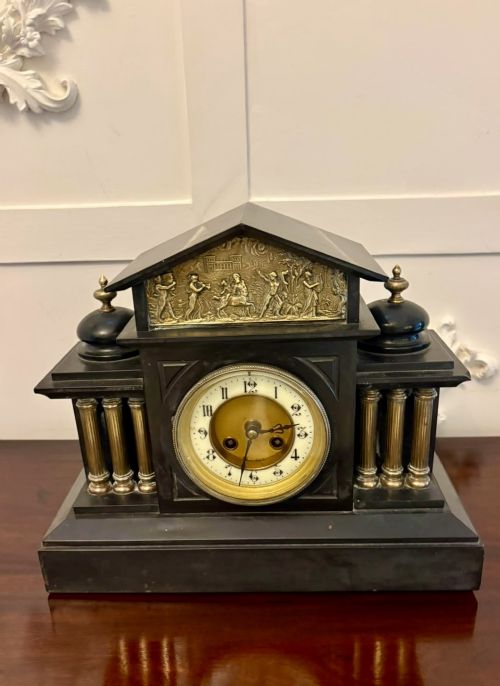
Carriage clocks and four-glass mantel clocks appear frequently alongside architectural marble cases and gilt bronze garnitures.

How they were made
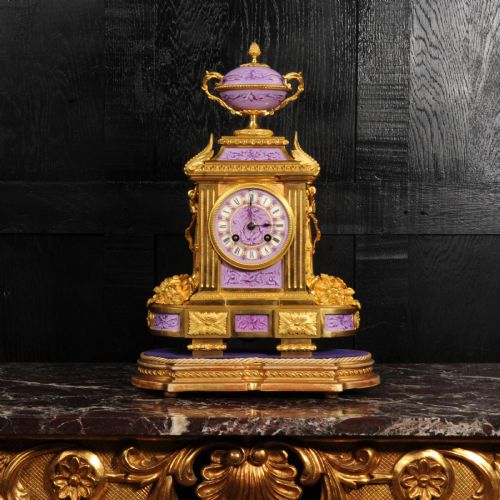
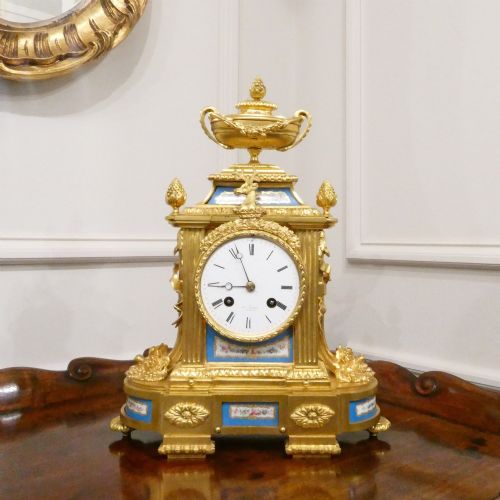
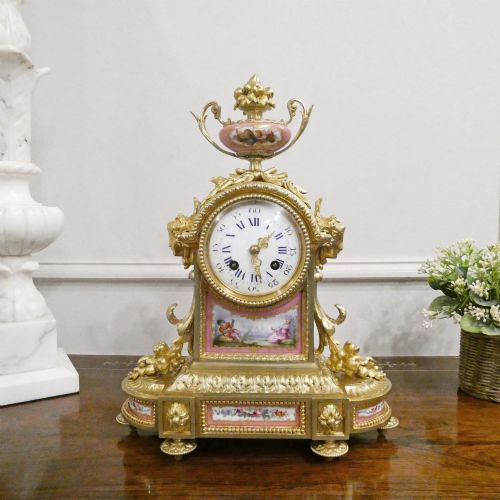
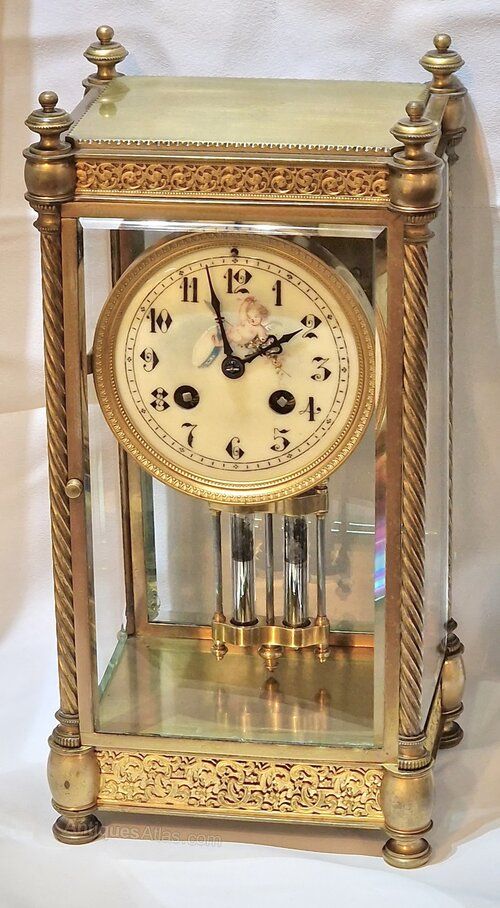
Maker workshops utilised cast and polished brass, ormolu, and gilt bronze to form structural cases, frequently incorporating bevelled glass panels to expose the movement.
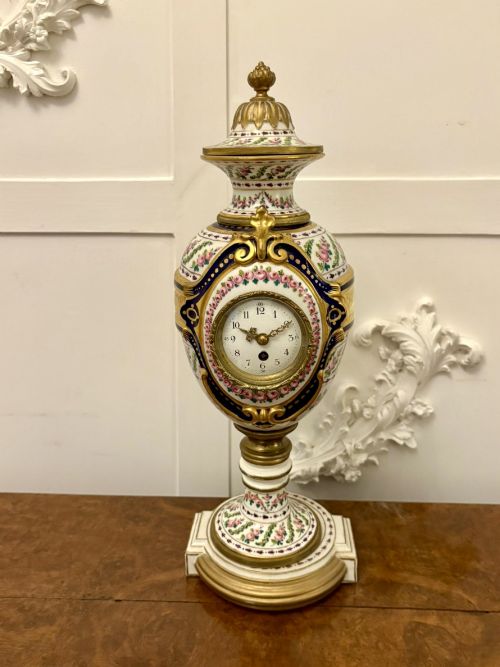
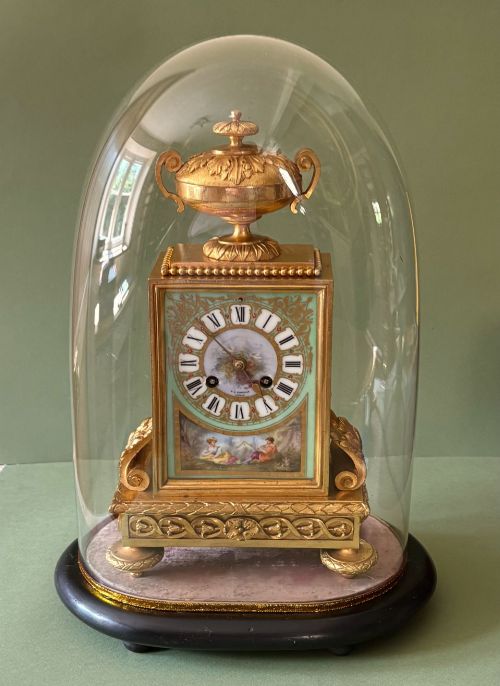
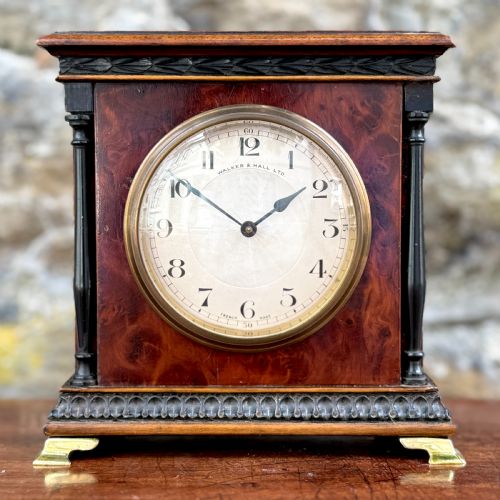
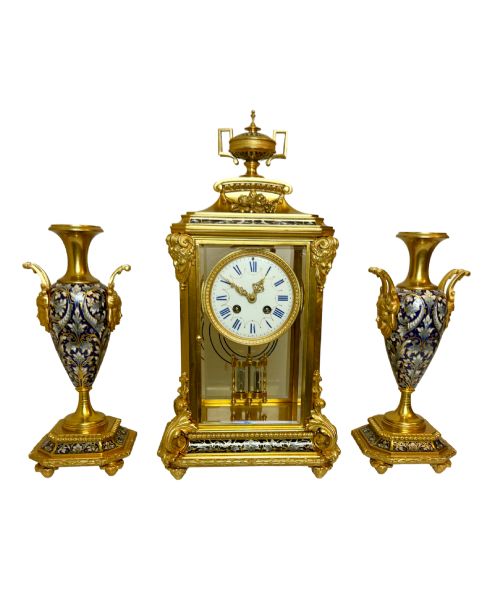
Dials and decorative mounts often feature hand-painted porcelain plaques, champleve enamel, or Sèvres porcelain, while cases employ marble, mahogany, rosewood, and tortoiseshell.
French Brass Table Clock Retail Price Guide 2026
Typical asking prices for french brass table clock among the pieces listed under this phrase on Sellingantiques today, from the lower quarter to the upper quarter. They describe what is for sale here now, not the wider market.
Listings feature movements by notable makers alongside materials including gilt bronze, marble, porcelain, and tortoiseshell across the nineteenth century.
What varies in quality
The calibre of a piece depends upon the crispness of the brass casting, the depth of the gilding, and the complexity of the movement, such as striking and repeating mechanisms.
Signatures by renowned makers and the inclusion of fine hand-painted porcelain or engraved carriage cases elevate the standard of manufacture considerably.
Achille Brocot·Henry Marc·Japy Freres·Samuel Marti·Fritz Marti
The French Brass Table Clock Glossary
- Ormolu
- Gilded bronze, where a finely ground high-carat gold amalgam is applied to a bronze base and heated to drive off the mercury.
- Carriage clock
- A small, portable spring-driven clock with a carrying handle, originally designed for travellers during the nineteenth century.
- Garniture
- A set of decorative matching objects for a mantelpiece, typically comprising a central clock flanked by matching urns or candelabra.
- Champleve
- An enamelling technique where troughs or cells are hollowed out of the metal surface and filled with vitreous enamel before firing.
- Portico clock
- A striking architectural mantel clock designed in the shape of a classical portico with supporting columns.
French Brass Table Clock: Frequently Asked Questions
How do I wind a carriage clock?
Most carriage clocks use a double-ended key to wind both the time and strike trains through arbors situated on the backplate. Care should be taken not to overwind the mainspring.
Moving these clocks requires securing the platform escapement if a lever is provided, or transporting them upright to prevent damage.
What is the difference between a mantel clock and a carriage clock?
Mantel clocks are generally larger architectural or decorative pieces intended to sit permanently on a fireplace mantel or shelf. They frequently incorporate marble, porcelain, or wood alongside brass.
Carriage clocks are compact, brass-cased timepieces originally built for travel, equipped with a handle and glass panels that reveal the internal movement.
How can I identify the period of a brass clock?
Dating relies on stylistic clues such as the symmetry of Louis XVI designs, the heavy ornamentation of Victorian pieces, or the clean lines of Edwardian and Art Deco examples. Movement signatures and patent marks also provide chronological markers.
Material choices like Bakelite or specific porcelain bodies further help narrow down the manufacturing decade.
Where were these clocks placed in a home?
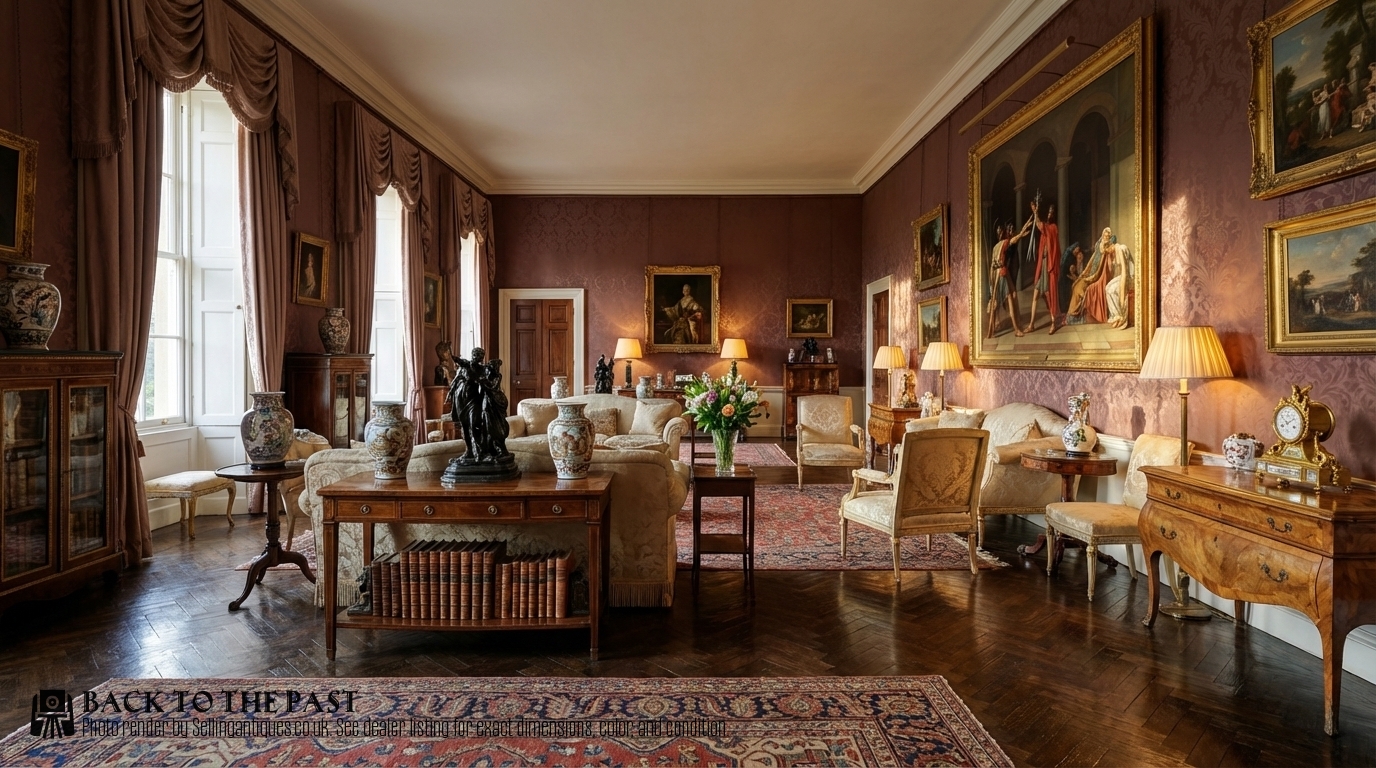
These clocks typically occupied prominent positions in reception rooms, such as drawing rooms and libraries, often centered on a mantelpiece above a fireplace. Smaller carriage clocks were used in bedrooms or carried on journeys.
Clock garnitures were specifically arranged on mantelpieces flanked by matching urns or decorative vases to create a balanced display.