


French Brass Planter
These french brass planter examples bring nineteenth-century horticultural display indoors with heavy cast metal, liner trays, and classical revival forms.
French Brass Planter
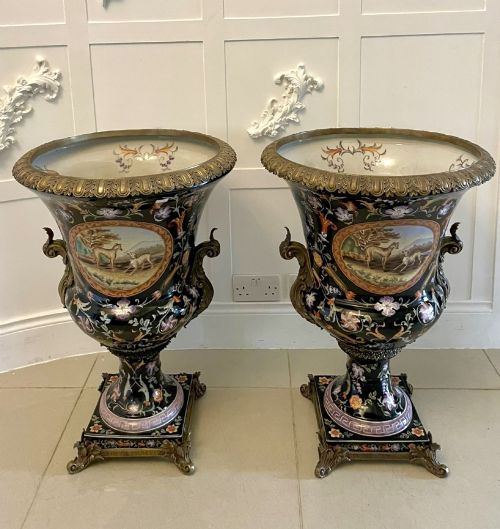
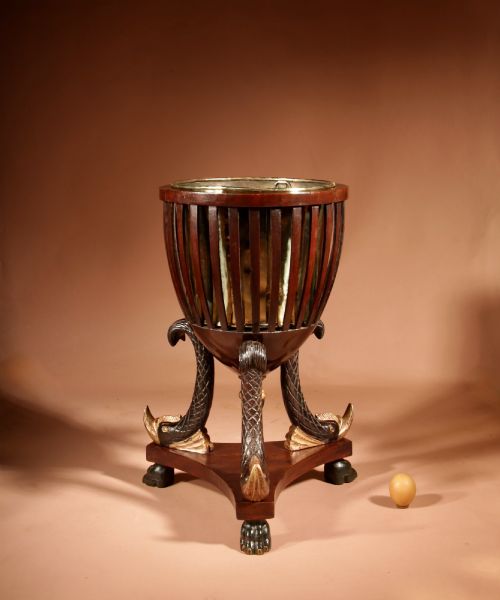
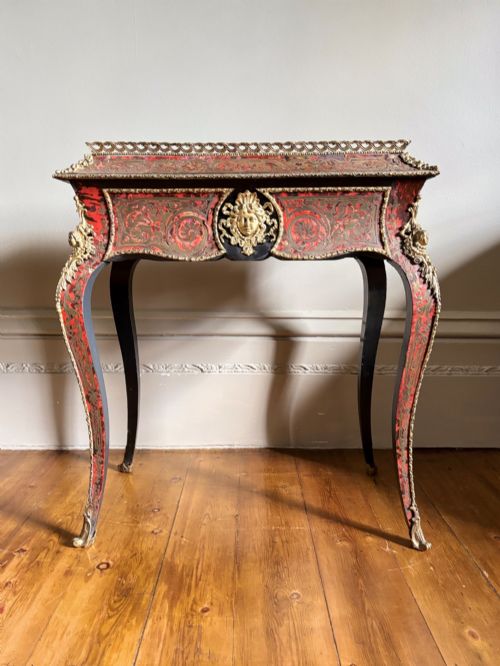
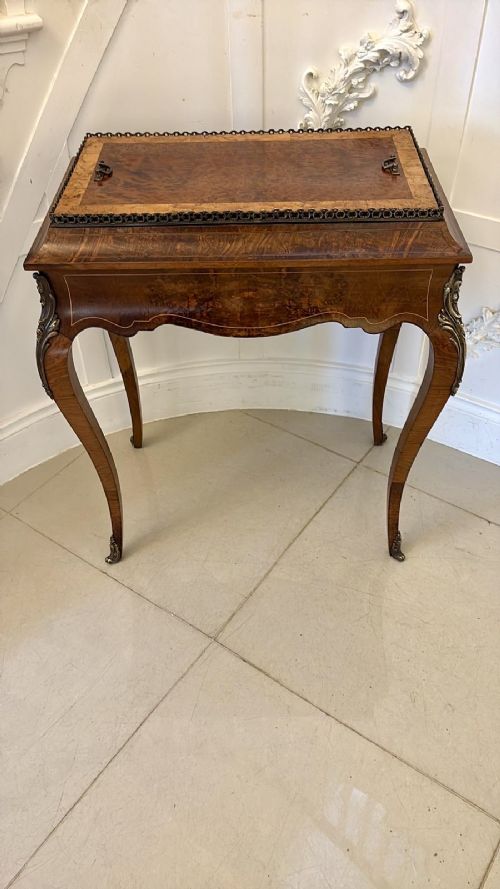
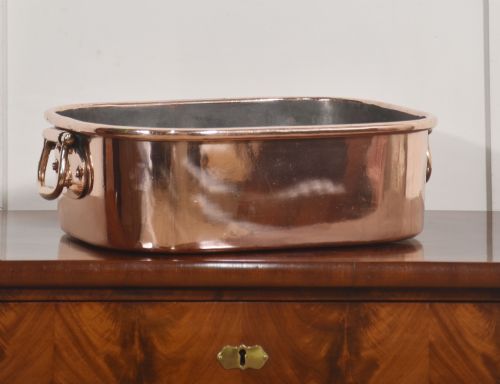
When you search for a french brass planter, you examine vessels designed to hold potted plants within domestic interiors, often taking the form of low bowls, handled troughs, or tall pedestal stands. The items appearing here range from nineteenth-century nineteenth-century domestic pieces to architectural jardinieres and wine coolers.
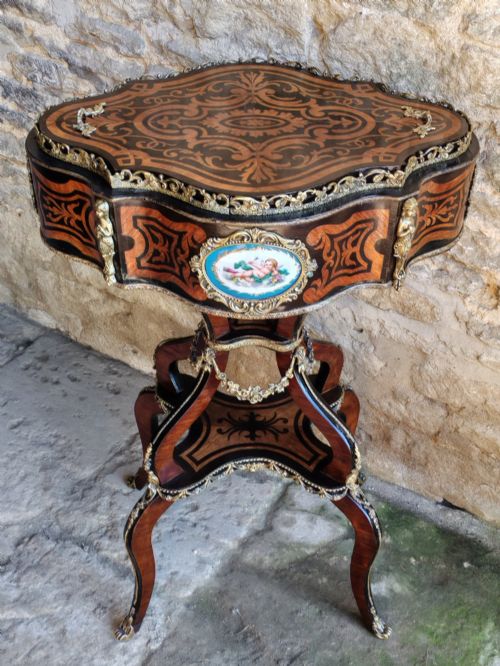
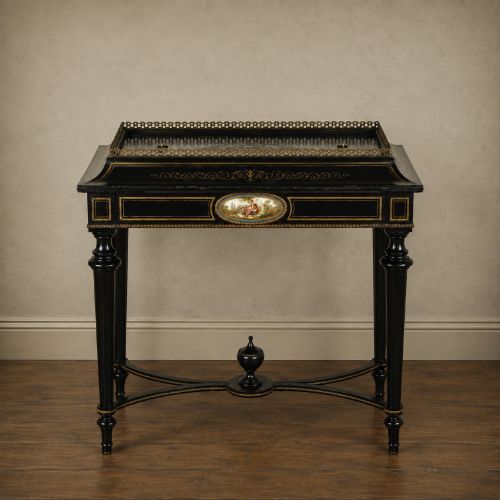
The most common examples on this page are nineteenth-century creations incorporating brass bodies, handles, and applied ormolu mounts. Makers utilised materials such as mahogany, walnut, ebonised wood, and porcelain alongside brass to create decorative display pieces for salons and drawing rooms.
What varies in quality
The distinction between standard production items and superior pieces rests on the crispness of the metal casting and the depth of the repoussé work. Finer examples display sharply detailed mounts, well-balanced proportions, and substantial gauge brass that resists bending.
Construction methods also separate the tiers, as better workshops employed sophisticated marquetry, secure joinery, and durable original liners. The integration of high-grade supplementary materials like hand-painted porcelain plaques elevates the standing of an individual piece.
Some nineteenth-century brass planters moonlighted as wine coolers, proving that houseplants and champagne bottles have long shared identical tastes.
The French Brass Planter Glossary
- Jardiênere
- A decorative receptacle for holding plants or flowers. These items appear as table-standing bowls or floor-standing pedestal pieces.
- Ormolu
- Gilded bronze or brass applied as decorative mounts to furniture and metalwork. This material provides bright metallic contrast against dark woods and patinated brass.
- Repoussé
- A metalworking technique where the metal is hammered from the reverse side to form a raised design in relief. This method creates textured surface patterns on copper and brass bodies.
- Boulle
- A style of marquetry using brass and tortoiseshell inlaid into cabinetwork. This technique frequently accompanies brass mounts on nineteenth-century stands.
- Dinanderie
- Artistic objects made of brass, copper, or bronze. The term covers vessels and containers shaped by hammering and casting.
French Brass Planter: Frequently Asked Questions
What is a french brass planter used for?
These vessels held potted flowering plants and ferns inside nineteenth-century homes, protecting tabletops and floors from water damage.
Owners also utilised them as wine coolers or decorative table centerpieces during dining occasions.
How do I identify a nineteenth-century piece?
Look for heavy cast brass construction, hand-cut dovetails or rivets, and period wood veneers such as walnut and mahogany.
Style indicators like Napoleon III ebonising and French Empire mounts also point to nineteenth-century manufacture.
Did these planters always have liners?
Most quality examples included removable metal liners to contain damp soil and water.
Surviving original brass or copper liners add authenticity and protect the decorative exterior from corrosion.
How do I clean french brass?
Remove dust with a soft cloth and avoid abrasive polishes that strip historical patination.
Gentle cleaning preserves the warm golden surface acquired through decades of ageing.