



Early 20th Century Planter
An early 20th century planter brings historic character to garden and home, offering robust utility cast in stone or turned in rich timbers.
Early 20th Century Planter
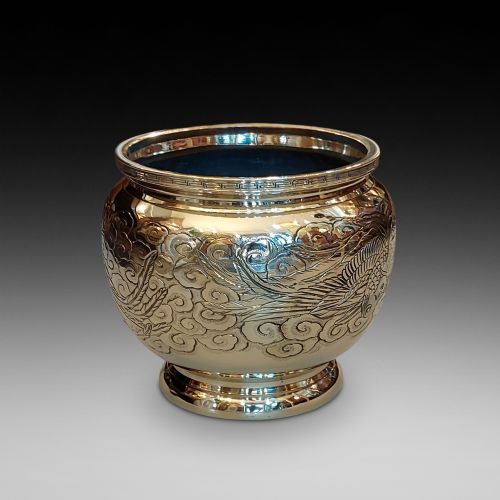
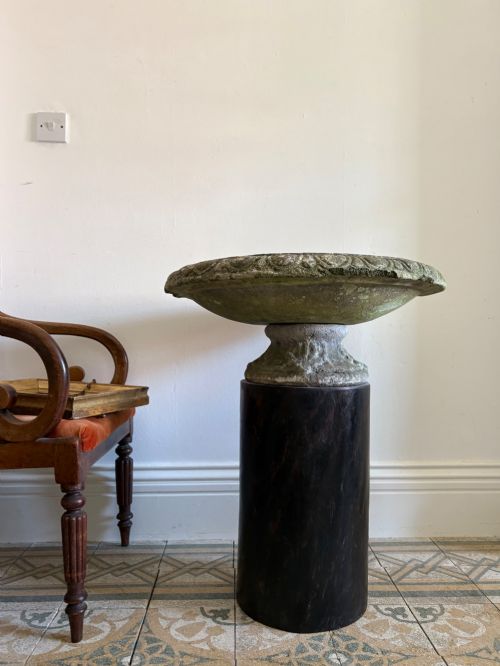
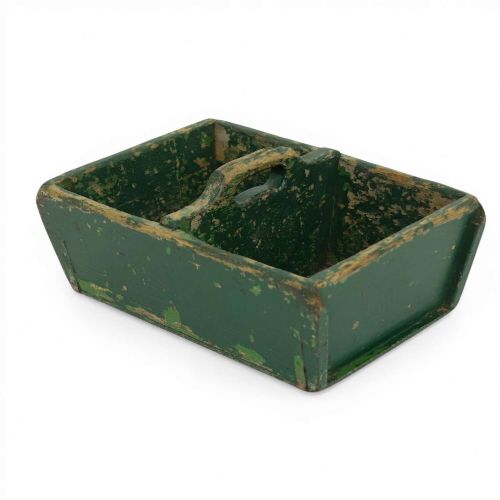
An early 20th century planter encompasses a broad variety of vessels designed for horticulture and display, stretching from grand garden urns to utilitarian wooden buckets. Buyers seeking these items will encounter everything from weathered cast stone neoclassical birdbaths to refined mahogany plant stands with inlaid detail. The category also includes decorative jardinieres, window boxes, and figural terracotta pieces spanning the Edwardian era up to the 1920s.
Many survivors demonstrate the eclectic tastes of the period, drawing on French aesthetic styles, Spanish folk traditions, and British colonial forms. Garden examples often utilise durable cast iron or reconstituted stone designed to weather outdoors, while interior versions display fine cabinet timbers like satinwood and mahogany. These diverse vessels reflect both domestic utility and formal garden design from the opening decades of the twentieth century.
Materials and Construction
Makers of the era utilised a robust mix of metals, woods, and minerals to construct containers suited for both interior drawing rooms and exposed garden settings. Cast iron, cast stone, and terracotta provide heavy, enduring structures for exterior urns and birdbaths, while copper and brass offer watertight containment for interior jardinieres. Wooden examples rely on traditional coopered staves bound with iron, or joinery executed in pine and mahogany.
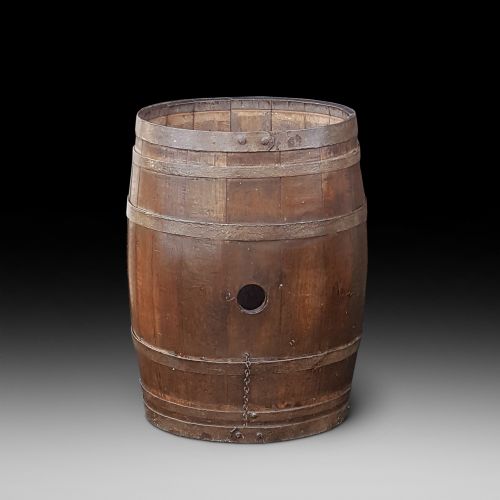
Surface finishes range from natural weathering on stone and iron to painted enamel and detailed marquetry inlay on finer indoor plant stands. Coopered barrels and buckets utilise tight wooden staves held securely by metal hoops, demonstrating practical craftsmanship designed to withstand wet earth and constant watering. Metal components often feature applied patination or protective paint layers to endure the elements.
Early 20th Century Planter Retail Price Guide 2026
Typical asking prices for early 20th century planter among the pieces listed under this phrase on Sellingantiques today, from the lower quarter to the upper quarter. They describe what is for sale here now, not the wider market.
Listings feature a wide material palette including cast iron, reconstituted stone, mahogany, brass, and painted copper.
Evaluating Quality and Craft
Quality in these pieces rests primarily on the integrity of the materials and the refinement of the workmanship rather than mere age. Finer indoor examples demonstrate careful selection of cabinet timbers, precise inlay work, and robust joinery that survives centuries of heavy soil and moisture. Exterior pieces show distinction in the crispness of cast ornament, the correct balance of neoclassical proportions, and the durability of the stone or metal mixture.
The distinction between utilitarian vessels and high-status decorative objects also shapes the tier of the piece. A coopered tub with well-forged iron bands or a finely cast bronze bowl represents a higher grade of manufacture than a standard workshop utility bucket. Original surfaces, authentic weathering, and maker signatures further elevate the standing of an individual piece.
Champion And Co London
The Early 20th Century Planter Glossary
- Campana urn
- A bell-shaped garden ornament featuring a flared rim and a pedestal base. These classic vessels were frequently cast in iron or stone during the period.
- Coopered
- Constructed from curved wooden staves bound together with metal hoops, much like a traditional barrel. This technique ensured watertight strength for holding damp soil.
- Trug
- A shallow horticultural basket traditionally fashioned from split wood. Welsh artisans produced robust examples for agricultural and garden labour.
- Neoclassical
- A design style inspired by the classical art and architecture of ancient Greece and Rome. It frequently appears on stone urns and birdbaths from this era through formal motifs and symmetry.
Early 20th Century Planter: Frequently Asked Questions
Can I leave cast stone planters outdoors in winter?
Most cast stone and iron vessels from this period are designed to withstand outdoor conditions, but severe frost can crack porous materials if water becomes trapped inside.
Raising containers slightly off the ground on pot feet prevents moisture from freezing at the base and protects the historic material.
How do I clean an antique copper planter?
Historic metal surfaces benefit from gentle washing with mild soapy water and a soft cloth to remove dirt without disturbing the aged patina. Aggressive metal polishes should be avoided because they strip away the historic surface character that collectors value.
What is the difference between an urn and a jardiniere?
Urns typically feature a pedestal base and durable stone or iron construction suited for permanent garden placement. Jardinieres are usually smaller, more decorative vessels meant for indoor display on tables or plant stands.
Are wooden planters lined for use with soil?
Many wooden planters originally featured metal liners or were constructed with dense timbers like pine and mahogany to handle damp earth. Modern use often requires a discreet plastic liner to protect historic wood from continuous moisture.