


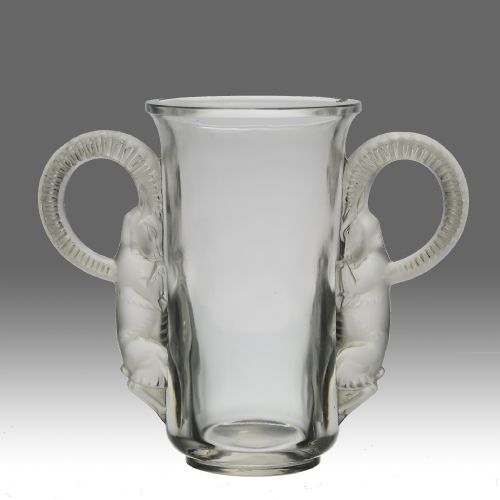


French Art Deco Vase
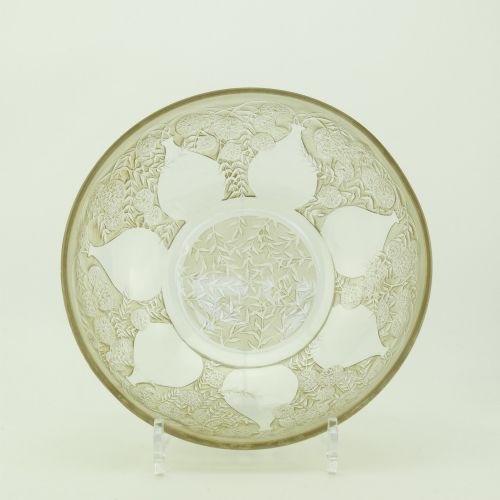
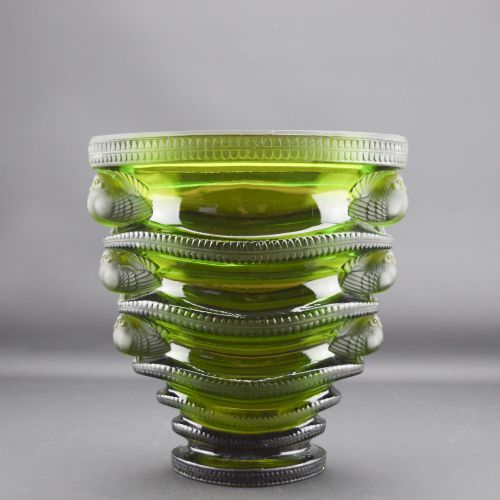
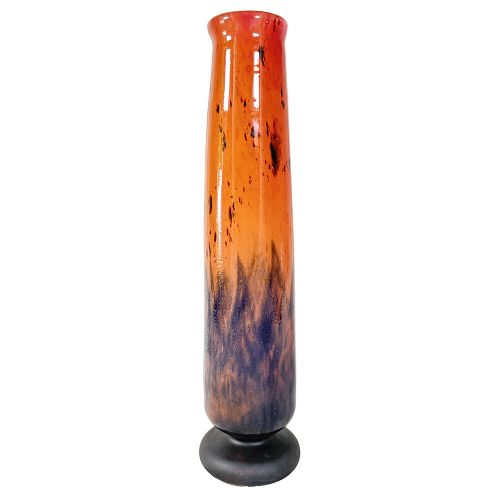
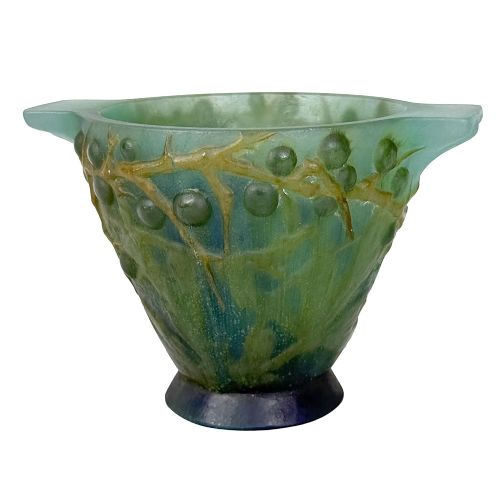
These pieces are a french art deco vase, sought after for their bold geometric lines and exquisite mouldings.
French Art Deco Vase
When you search for a french art deco vase, you are looking at vessels originating primarily from the 1920 and 1930 periods. The selections here span classic glass and pottery forms produced in France during the height of the modernist movement.
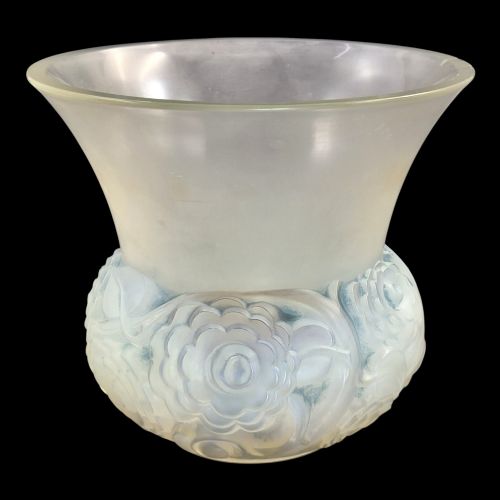
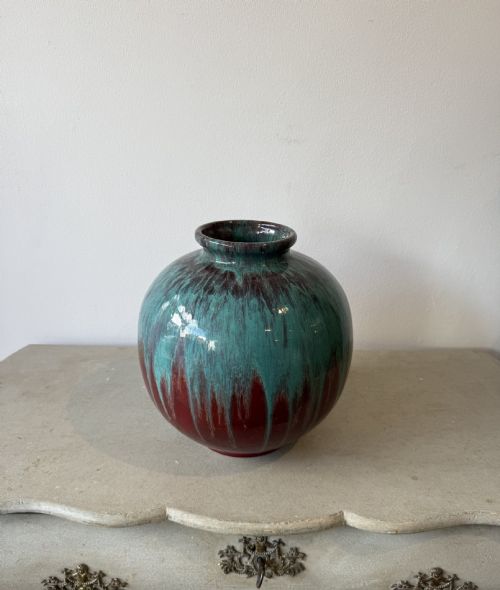
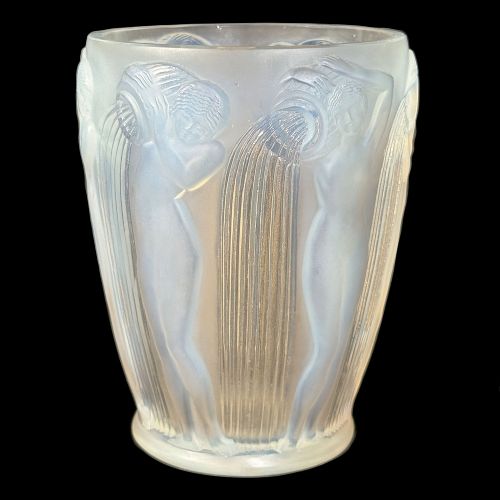
The most common version you will meet on this page is the pressed or opalescent glass vessel, frequently associated with major names from the era. Alongside these glass items, you will encounter earthenware and ceramic pieces featuring bold glazes or cameo decoration.
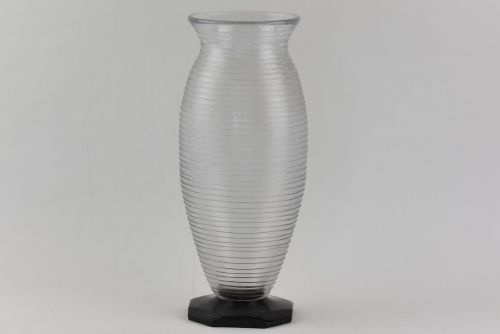
Vessels take many shapes, from simple geometric cylinders to elaborate bowls and centrepieces incorporating animal or botanical motifs. These objects reflect the stylistic shift away from earlier organic curves towards structured symmetry and stylised relief.
How They Were Made
Makers utilised various glass techniques, predominantly moulding, pressing, and blowing, often creating opalescent or frosted effects that catch the light. Some works combine glass with other media, such as wrought iron mounts or deeply etched surface patterns.
German Shepherd dogs kept watch over mantel clocks while fish swam frozen in amber glass.
What Varies in Quality
The distinction between tiers rests upon the depth of the design execution and the sophistication of the material handling. Pieces featuring crisp, deeply etched relief work or complex multi-layered cameo glass represent the upper echelon of production.
Artisanal control over chemical reactions in glazes and opalescent glass formulas dictates the visual richness of the surface. Simpler moulded pieces or plain geometric vessels occupy the broader commercial range, while masterworks signed by prominent workshops command greater artistic recognition.
Rene Lalique·Daum·Amalric Walter·Jean Luce·Robert T Lallement·Schneider
The French Art Deco Vase Glossary
- Opalescent glass
- Glass that displays a milky, translucent quality with iridescent highlights, often shifting in colour depending on the light. This effect was heavily utilised by French glassmakers in the interwar period.
- Pate de verre
- A glass-casting method where finely crushed glass is mixed with a binder and fired in a mould. It yields a distinctive granular texture and dense colour.
- Cameo glass
- Vessels formed of two or more layers of coloured glass fused together, with outer layers carved or acid-etched away to create a contrasting relief design.
- Crystalline glaze
- A ceramic finish that encourages crystal growth during the kiln cooling process. It produces distinct star-like patterns across the glazed surface.
French Art Deco Vase: Frequently Asked Questions
What defines a french art deco vase?
These items are decorative vessels produced in France during the 1920 and 1930 periods, embodying the modernist shift toward clean geometry and stylised relief ornament.
They encompass a wide variety of media, including opalescent glass, cameo glass, and glazed earthenware, often reflecting the aesthetic of the interwar decorative arts movement.
How do I know if a glass vase is opalescent?
Opalescent glass exhibits a characteristic milky quality that catches blue tones in direct light and warm amber tones when backlit. This optical effect results from specific chemical agents added to the molten glass during the moulding process.
Many prominent French makers utilised this property to accentuate moulded motifs such as flowers, fish, or geometric patterns.
Where were these ceramic vases made?
Many ceramic and pottery pieces originated from specific French regional workshops and studios operating outside Paris, such as those in Nancy or local earthenware potteries. These regional centres developed distinct glaze recipes and hand-painted or drip-glazed finishes.
Signed pieces often bear studio marks or artist ciphers embedded in the clay base.
How can I tell the difference between periods?
Pieces originating around 1920 frequently lean into lavish ornamentation, intricate fauna motifs, or heavy geometric etching inspired by early modernism. Works from the 1930 shift towards more streamlined, functional forms and simplified industrial silhouettes.
Signatures and manufacturing stamps also evolved across these decades, aiding in chronological identification.