



Art Deco Blown Glass
Art deco blown glass pieces combine striking modernist forms with rich colour, offering buyers vibrant centrepieces shaped by interwar design.
Art Deco Blown Glass
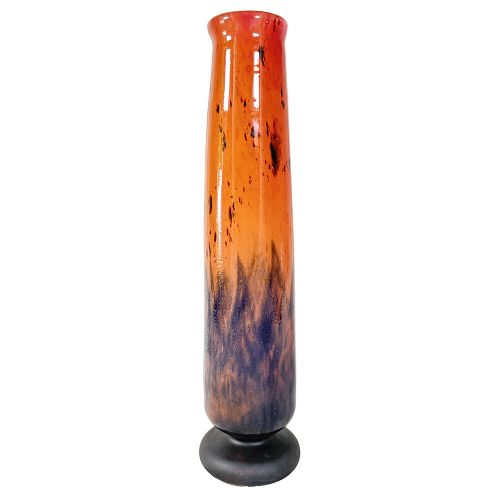
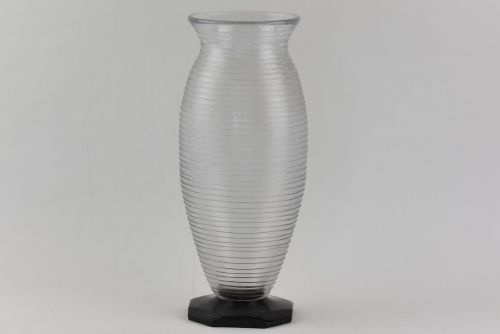
When you search for art deco blown glass, you encounter a distinct array of vessels and ornaments dating primarily from the nineteen twenties and nineteen thirties. These works range from sizeable French glass vases to delicate Venetian animal figures, capturing the experimental spirit of the period through fluid manipulation and bold silhouettes.
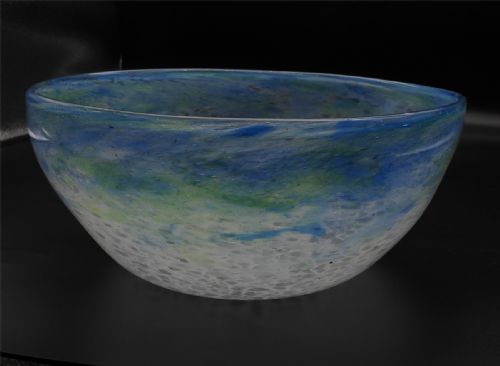
Vases, decorative bowls, and decanters dominate the selection available on this page, often accompanied by sculptural glassware and ice buckets. Scottish Monart glass and French works by makers such as Daum frequently appear, demonstrating how diverse European workshops approached the medium during the interwar decades.
What varies in quality in art deco blown glass
Quality rests heavily on the ambition of the design and the sophistication of the colour palette achieved within the glass mass. Superior examples display controlled distribution of internal inclusions like aventurine or powdered glass, creating depth without clouding the vessel.
The crispness of execution in hand-blown forms and mounted metalwork separates standard production from exceptional pieces. Attribution to known designers or prominent glasshouses like Daum, Monart, or Venini elevates the standing of an individual work significantly.
Listings combine Scottish Monart works, Venetian Murano vessels, and French art glass from the interwar decades.
Daum·Monart Glass·Pauly and Co·Venini·Bimini
The Art Deco Blown Glass Glossary
- Aventurine
- A form of glass containing suspended metallic flakes, typically copper, which create a sparkling effect when viewed in the light. This technique requires careful control during the cooling process to suspend the crystals evenly.
- Latticinio
- A decorative glass technique utilising fine opaque white or coloured glass threads embedded within a clear or tinted matrix. The threads are often twisted into intricate lace-like patterns.
- Acid-etched glass
- Glass treated with hydrofluoric acid to eat away the surface, producing frosted designs or tactile matte textures. This method allows for precise geometric or organic patterns across the vessel.
- Powdered glass
- Ground glass applied to the surface or fused within the molten body during blowing to introduce mottled colouration. It creates soft, painterly effects distinct from applied enamel.
- Hand-blown glass
- Glass shaped through the expansion of molten metal gathered at the end of a blowpipe, manipulated entirely without mechanical moulds. Each finished vessel bears subtle individual characteristics from the maker's breath and tools.
Art Deco Blown Glass: Frequently Asked Questions
How do I identify art deco glass?
Look for characteristic interwar geometries, stylised floral motifs, and bold silhouettes that reflect the design priorities of the nineteen twenties and thirties. Many pieces also utilise experimental colour combinations or distinctive surface treatments typical of European glasshouses from this era.
Examining the base often reveals pontil marks or signatures associated with prominent workshops, helping to confirm the period and method of manufacture.
Where were these glass pieces made?
The listings point primarily towards workshops in France, Italy, Austria, and Scotland. Venice and Murano produced specialised iridescent and latticinio vessels, whilst French makers focused on substantial vases and mounted pieces.
Scottish studios like Monart developed distinct mottled styles, and Austrian workshops contributed delicate lampwork sculptures.
Can I use these bowls daily?
Whilst decorative bowls and ice buckets were originally intended for functional use, their delicate blown construction and age require careful handling today. Hand washing in lukewarm water protects the historical surface and any subtle enamel or aventurine details.
Positioning them away from busy household edges ensures these fragile interwar vessels remain secure in a modern interior.
What is Monart glass?
Monart glass refers to the distinctive decorative wares produced in Scotland during the interwar period, known for rich coloured grounds and embedded powder effects. These pieces often take the form of substantial bowls, baskets, or goblet-shaped vases with polished pontils.
Their tactile surfaces and depth of colour make them distinct within British studio glass history.