
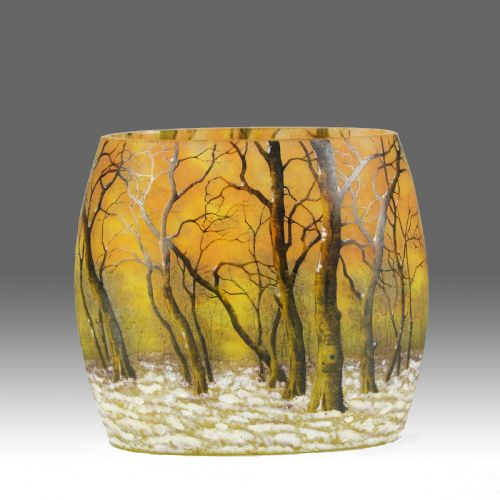


Antique Orange Art Glass
Antique orange art glass brings fiery warmth to a room, capturing the spirit of early twentieth-century design through rich tones and skilled manipulation.
Antique Orange Art Glass
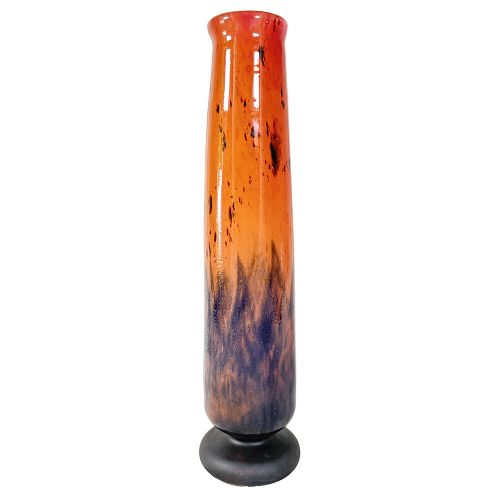
When you search for antique orange art glass, you encounter striking vessels and light fittings spanning the early twentieth century. The selection encompasses pieces from the Art Nouveau, Edwardian, and Art Deco periods, created by prominent makers and glasshouses.
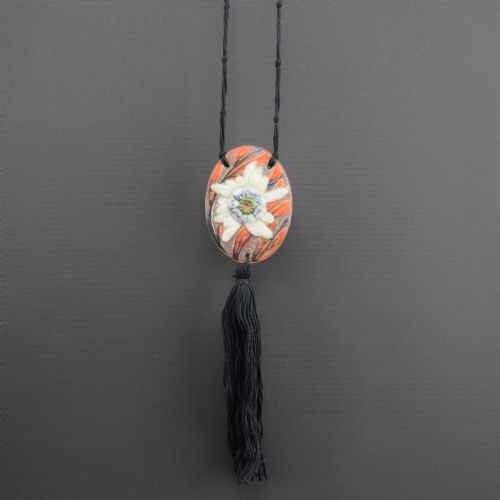
Smaller decorative items, including bowls, liqueur glasses, decanters, and brooches, offer alternative ways to introduce these vibrant hues into an interior. Each object demonstrates the period's fascination with deep, saturated citrus shades.
How they were made
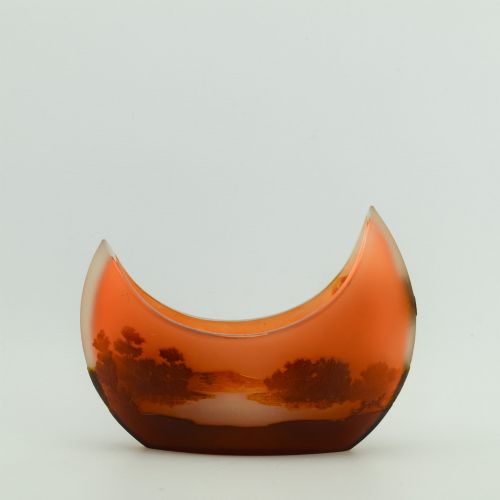
Glassmakers utilised complex techniques such as cameo carving, acid-etching, and pate-de-verre to build depth and texture within the material. Molten glass was blown or moulded, then layered with different coloured glass to allow for subtractive carving.
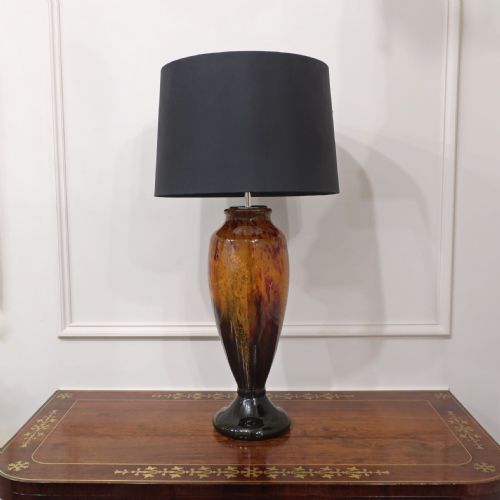
Many of these glass bodies were paired with custom metalwork, notably forged wrought iron bases and mounts produced during the Art Deco era. Enamelling and frosting were frequently applied to diffuse light and accentuate the varied orange tones.
Current listings feature pieces from the Art Nouveau, Edwardian, and Art Deco periods, utilising cameo glass, frosted glass, and wrought iron.
What varies in quality
Quality rests upon the precision of the glassmaking technique and the complexity of the design execution. Multi-layered cameo pieces with finely detailed acid-etched landscapes represent a higher standard than simpler cast items.
The integration between the glass shade and its metal mount distinguishes superior lighting pieces. Harmony of proportion and the depth of colour achieved in the glass body elevate the piece within its period.
Daum Freres·Gallé·Schneider·Argy Rousseau·Degue·Legras·Charles Horner·Verrerie Des Vosge
The Antique Orange Art Glass Glossary
- Cameo Glass
- A vessel formed of two or more distinct layers of fused glass, where portions of the outer layer are carved or acid-etched away to reveal a contrasting background colour.
- Pate-de-verre
- A method of glasscasting where finely crushed glass is packed into a mould and fused in a kiln, producing a dense material with a sugary, granular texture.
- Acid-Etched Glass
- Glass treated with hydrofluoric acid to eat away exposed surfaces, creating frosted patterns or lowering the relief of a design.
- Wrought Iron
- Iron beaten and shaped by hand while hot, commonly utilised for the structural bases and frames of Art Deco lamps and chandeliers.
Antique Orange Art Glass: Frequently Asked Questions
How can I tell Art Nouveau from Art Deco pieces?
Art Nouveau pieces, produced around the turn of the century, favour flowing floral motifs and organic lines inspired by nature. You will often see cameo landscapes, flowers, and undulating vessel shapes.
Art Deco items from the nineteen-twenties and thirties embrace geometric patterns, symmetrical designs, and industrial pairings like wrought iron. The colour palettes tend towards bold, sharp contrasts.
Are these glass lamps safe to use?
Many early lighting fixtures retain their original wiring, which may not meet modern electrical standards. Have a qualified electrician inspect and rewire vintage lamps before regular use.
Ensure that any replacement bulbs match the wattage recommendations to protect the historic glass shades from excessive heat.
What is cameo glass?
Cameo glass is formed by fusing layers of differently coloured glass together in the furnace. The maker then carves away parts of the top layer to reveal the contrasting colour underneath.
This technique requires immense skill and patience, resulting in rich relief designs that catch the light from different angles.