


Etched Glass Flower Vase
An etched glass flower vase brings delicate surface texture and refined pattern to any room, offering a functional display piece for blooms.
Etched Glass Flower Vase
An etched glass flower vase represents a sophisticated category of decorative vessels designed to hold floral arrangements while showcasing intricate surface ornamentation. These items range from slender banjo shapes and tall geometric forms to substantial centrepieces and épergnes intended for prominent display.
The selections span distinct historical movements, beginning with Victorian and Neoclassical designs before moving through the flowing organic motifs of Art Nouveau and the crisp linear arrangements of Art Deco. Buyers will encounter various configurations including cameo glass creations, silver-plated mountings, and pieces embellished with enamel colours.
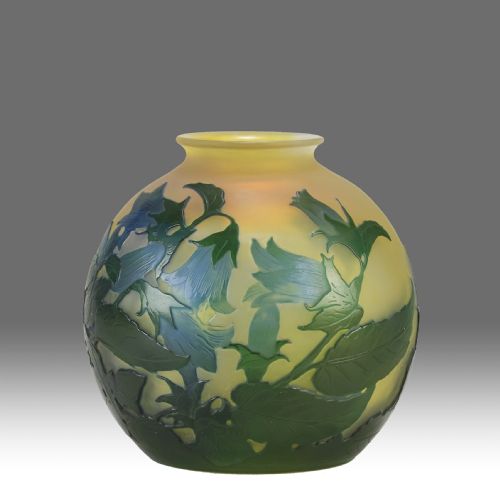
Origins vary across European glassmaking centres, with notable contributions from French ateliers and Czech workshops. The recurring presence of floral motifs such as campanula, cornflowers, sweet peas, hydrangeas, and blue flowers defines the visual character of these objects.
How They Were Made
Glassmakers utilised techniques such as acid-etching, wheel engraving, and cameo glass production to build layered relief and texture upon blown glass blanks. Acid treatments bit into the material to reveal contrasting frosted finishes or underlying colours.
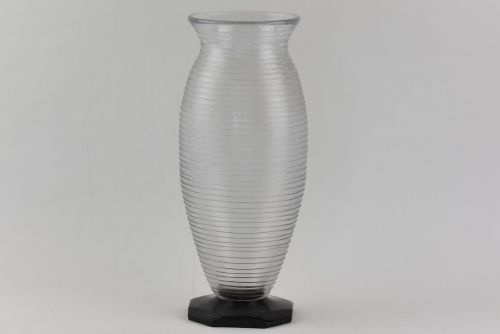
Enamel decoration added vibrant colour onto the surface of Art Deco vessels, while specialised substances like hyalite glass provided deep black opaque foundations. Metalwork components such as silver plate were incorporated into complex Victorian table centerpieces to support the main glass receptacles.
Listings feature items from the Victorian, Art Nouveau, and Art Deco periods, created in glass, cameo glass, enamel, and silver plate.
What Varies in Quality
The standard of an etched glass flower vase depends upon the depth of the carving, the precision of the acid work, and the artistic control shown in the cameo layering. Superior examples display crisp outlines and a harmonious relationship between the glass colours and the botanical or geometric motifs.
Attribution to notable designers and recognised glassworks elevates the standing of a piece, particularly when combined with exceptional scale and condition. The intricacy of the enamel detailing and the weight of the blown glass blank further distinguish standard production items from masterworks.
Emile Gallé·Daum·Karl Palda·Walker & Hall·Schneider·Paul Heller·Booms glass
The Etched Glass Flower Vase Glossary
- Cameo glass
- A vessel formed of multiple fused layers of different coloured glass where outer layers are carved or acid-etched away to create a raised design. This demanding technique produces high-relief pictorial scenes.
- Acid-etched glass
- Glass decorated by submerging the blank in an acid bath to corrode the unprotected surface areas. This method creates frosted textures or shallow recessed patterns.
- Hyalite glass
- An opaque black glass developed in the nineteenth century that mimics obsidian. It provides a striking dark ground for enamel decoration.
- Épergne
- A large table centrepiece featuring a central vase surrounded by smaller hanging baskets or arms. These elaborate pieces were frequently mounted in silver plate.
- Wheel engraved glass
- Decoration cut directly into the surface of a glass vessel using a rotating abrasive wheel. This process allows for sharp portraits and fine detailing.
Etched Glass Flower Vase: Frequently Asked Questions
How do I clean an etched glass flower vase?
Wash the vessel gently by hand using lukewarm water and mild washing-up liquid, avoiding harsh abrasive scourers that might scratch the surface.
Dry the glass carefully with a soft lint-free cloth to prevent water spots, taking particular care around silver-plated mounts or delicate enamel work.
How can I tell Art Nouveau from Art Deco pieces?
Art Nouveau items feature flowing, asymmetrical lines inspired by natural organic forms such as flower petals, vines, and winding stems. You will frequently find these on cameo glass pieces from the early twentieth century.
Art Deco works rely instead upon strict symmetry, geometric patterns, and vertical emphasis. These later objects often incorporate bright enamel colours on clear or black glass.
Were these vessels used only for flowers?
While many were designed specifically to hold botanical arrangements, larger centrepieces and épergnes served primarily as decorative tablescapes for formal dining. Some slender forms functioned purely as mantel ornaments.
The inclusion of silver-plated components in Victorian examples indicates they were meant to catch candlelight and anchor grand table displays.
What is cameo glass and how is it recognised?
Cameo glass involves at least two distinct layers of coloured glass fused together before a craftsman carves away the top layer. This leaves a raised matte design contrasting against a translucent background.
Running your fingers gently across the surface reveals the distinct physical relief of the floral or geometric motifs.