



French Art Deco Light
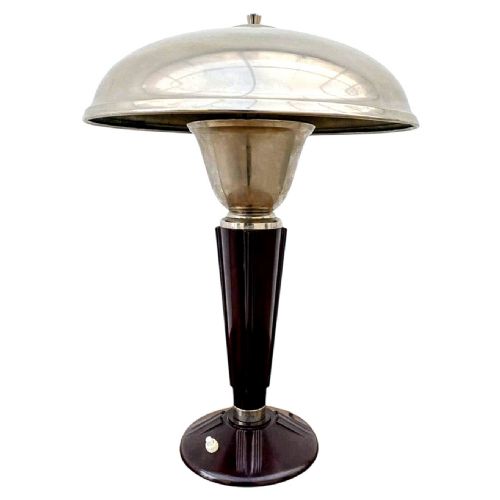
These french art deco light pieces combine geometric ironwork, frosted glass and moulded ceramics from nineteen thirty.
What They Are
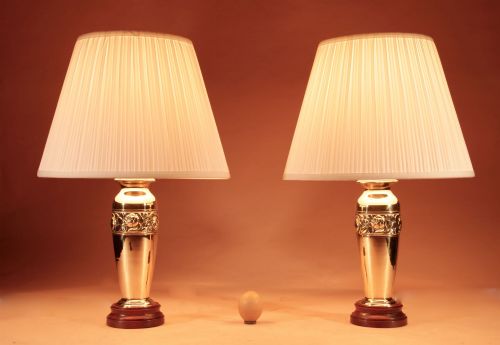
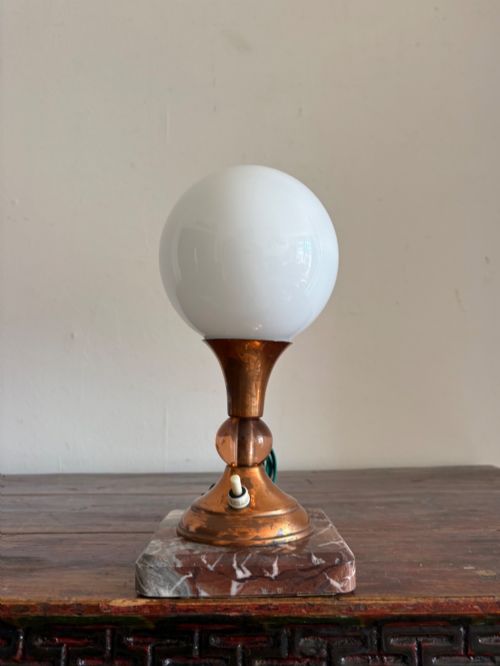
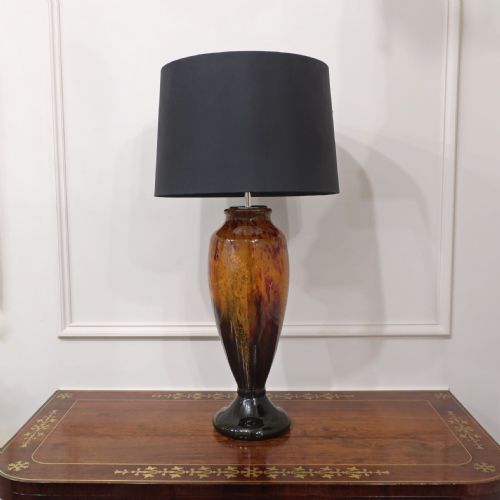
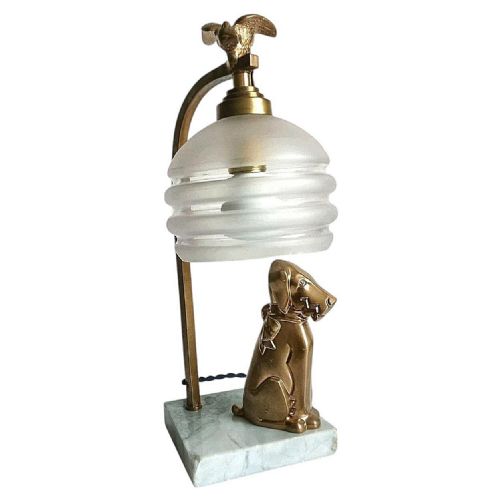
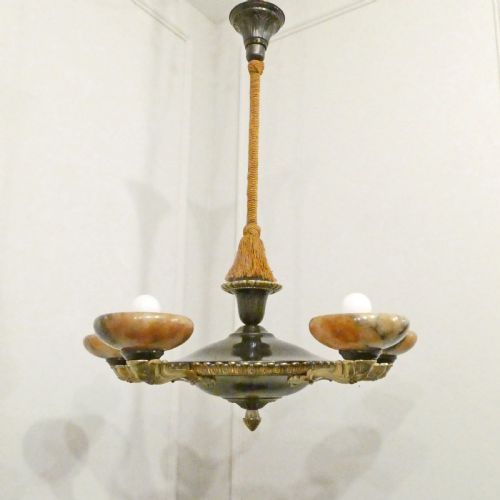
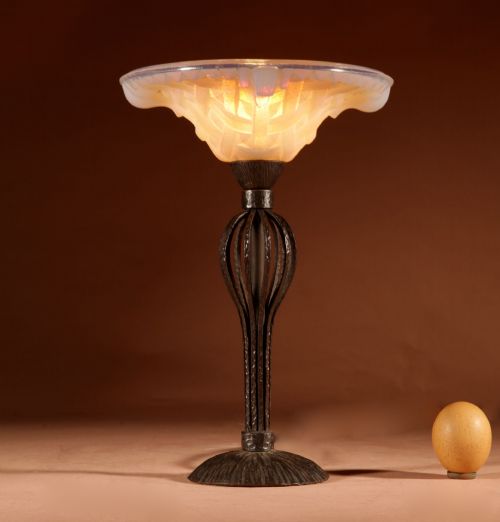
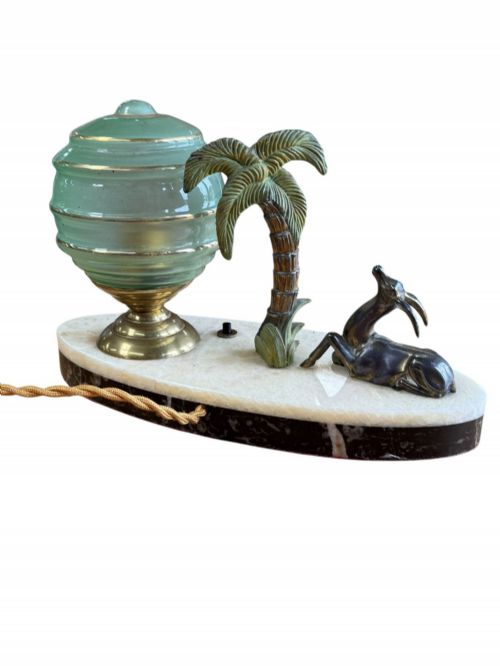
When searching for a french art deco light, expect to find ceiling fixtures, wall sconces and table lamps dating from nineteen thirty. The archive shows ceiling lights and wall lights dominate, alongside table lamps, night lights and lanterns.
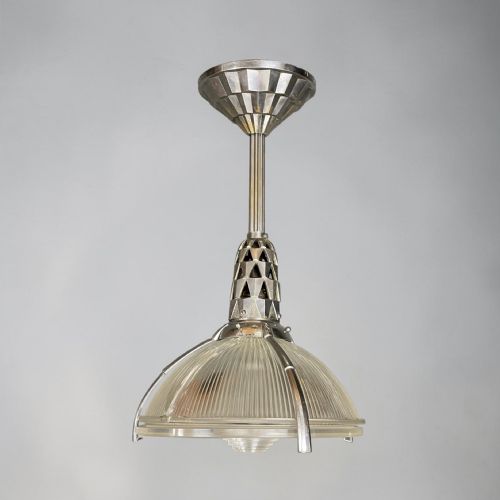
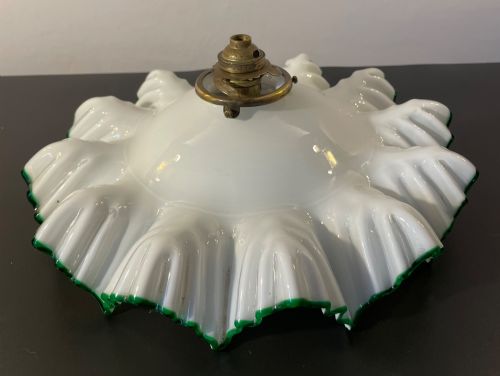
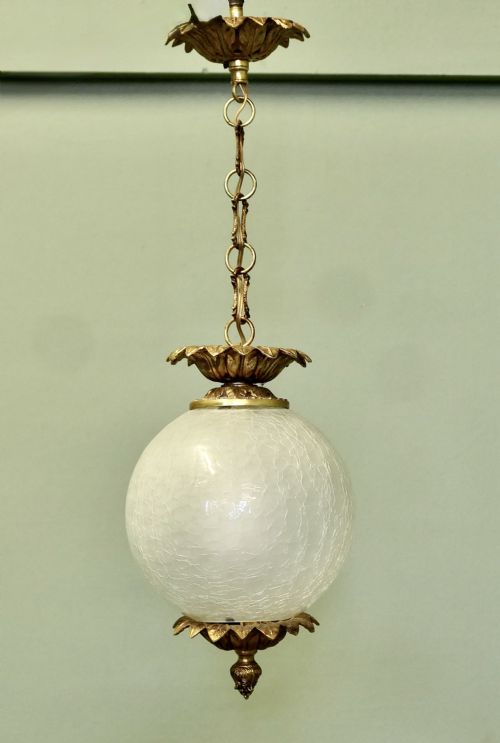
Plafonniers and hanging pendants appear frequently, often constructed with frosted, opaque or coloured glass shades mounted to metal frames. Wall sconces and pairs of wall lights are also common across the available selection.
How They Were Made
Materials recorded in the archive include wrought iron, brass, bronze, chrome and spelter alongside ceramic, porcelain and enamel. Glass components take the form of frosted, etched, opaline, pink, blue, amber and green varieties.
Construction methods combine metal casting and smithing with mould-pressed glass techniques. Shades are paired with fittings in brass, wrought iron or chrome to form functional interior fixtures.
The listings show wrought iron, brass, bronze, chrome and spelter paired with frosted, opaline and coloured glass.
What Varies in Quality
Differentiation lies in the weight of the metalwork and the depth of the glass mouldings. Heavier wrought iron frames and thick frosted or opaline shades represent the more substantial end of production.
Design complexity also separates standard pieces from more ambitious examples. Multi-light chandeliers and specialised figural night lights display greater artistic ambition than simple flush mounts.
Polaire of Paris·Sabino·Muller Freres·Rochard·Pirouette
The French Art Deco Light Glossary
- Plafonnier
- A ceiling light fixture designed to sit flush or close against the ceiling surface. These bowls and shallow shades distribute ambient illumination across a room.
- Veilleuse
- A ceramic or porcelain night light or small lamp often modelled as an animal or figural subject. These pieces emit a soft, diffused glow suitable for low-light settings.
- Opaline glass
- A milky, semi-translucent glass type used for light shades to soften glare. It diffuses bulb light evenly across the surface of the pendant or sconce.
- Spelter
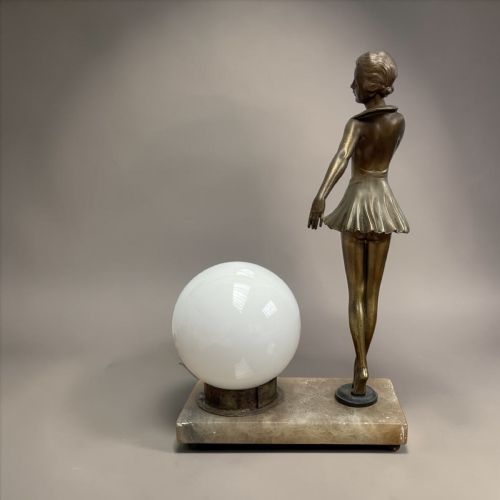
- A zinc alloy utilised as a less expensive alternative to bronze for sculptural bases and mounts. It takes patination well to imitate heavier metals.
Frequently Asked Questions
How do I install a vintage french art deco light?
Most of these vintage fixtures require professional rewiring to meet current electrical standards before installation. A qualified electrician can mount the metal backplates or ceiling roses securely to standard junction boxes.
Care must be taken to support heavier brass, bronze and wrought iron frames adequately during mounting. Existing wiring should be replaced with modern insulated cable for safety.
What rooms suit a ceiling light or plafonnier?
Flush-mounted plafonniers and ceiling lights work well in hallways, bedrooms and rooms with moderate ceiling heights. Their compact profile provides overhead illumination without hanging low into the living space.
Larger multi-light chandeliers and hanging lanterns suit entryways or dining areas with more expansive vertical clearance. Frosted and opaline glass shades help distribute a glare-free glow throughout the space.
Are night lights and veilleuses practical?
Veilleuses and figural night lights were originally designed to provide low-level illumination through decorative ceramic or porcelain bodies. Today they function primarily as decorative accent pieces on tables or sideboards.
Their enclosed forms cast gentle light through pierced or translucent areas, creating a mood lighting effect. Lower wattage bulbs are necessary to prevent excess heat buildup inside antique ceramic bodies.