




French Art Deco Bottle
A French art deco bottle brings striking geometric lines and tactile glass to a dressing table or bar, offering a tangible piece of modernist design.
French Art Deco Bottle
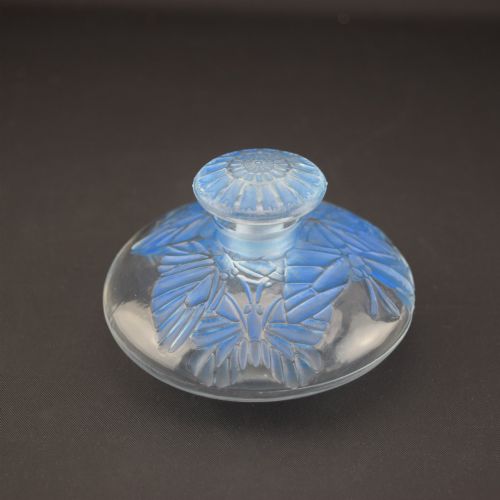
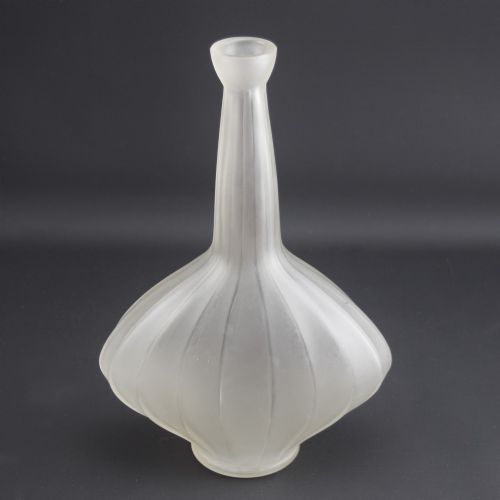
When you search for a french art deco bottle, you encounter a selection spanning perfume bottles, scent bottles, decanters, perfume atomisers, and champagne buckets. The glass examples dominate the selection, often appearing in opalescent, frosted, moulded, or clear finishes created during the nineteen-twenties and nineteen-thirties. These vessels served functional vanity and barware roles in period interiors.
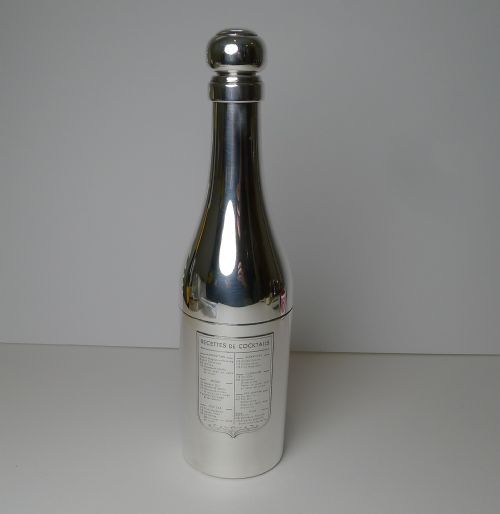
The perfume bottles and atomisers frequently feature specific sculptural stoppers and moulded motifs. Alongside the glass pieces, silver plated wine coolers and cocktail shakers represent the barware category of the same era. Together, these objects reflect the distinct aesthetic output of French workshops from nineteen-twenty to nineteen-forty.
Materials and Techniques
The makers utilised glass as the primary medium, employing moulding techniques to create high-relief textures and sculptural stoppers. Opalescent and frosted variants diffuse light across the surface, accentuating the geometric and organic motifs characteristic of the style. Coloured staining sometimes highlights the intricate details pressed into the glass.
Metalwork complements the glassware through silver plating and chrome, appearing on atomiser hardware, cocktail shakers, and wine coolers. Christofle and other French makers combined these plated metals with pressed glass and enamel to produce durable barware and scent containers.
Quality Variations
The distinction between standard production and superior execution rests on the crispness of the moulded relief and the depth of the opalescence. Pieces carrying signature marks from established makers demonstrate finer control over the glass-forming process. The integration of metal mounts, such as silver plating and enamel work, also marks the tier of execution.
Preservation of original stoppers, boxes, and staining significantly affects the completeness of glass scent bottles. In metal barware, the integrity of the silver plating and the weight of the vessel indicate the standard of manufacture.
Rene Lalique·Sabino·Christofle·Luc Lanel
The French Art Deco Bottle Glossary
- Opalescent Glass
- Glass that displays a milky, iridescent quality shifting in tone according to the light. This effect was achieved by adding specific chemical agents to the molten batch.
- Atomiser
- A spray bottle mechanism utilising a bulb and tube to disperse liquid fragrance evenly. These fittings often incorporated metal collars and glass reservoirs.
- Silver Plate
- A thin layer of silver applied over a base metal foundation to give the appearance of solid silver. This technique was widely utilised for champagne buckets and cocktail shakers.
- Moulded Glass
- Glass formed by pressing molten material into a metal or wooden matrix to create patterned surfaces. This method allowed for consistent production of complex decorative reliefs.
- Decanter
- A vessel designed for holding and serving wine or spirits. In this period, they adopted geometric profiles and fitted stoppers.
French Art Deco Bottle: Frequently Asked Questions
How do I identify a Lalique bottle?
Authentic pieces typically feature moulded or engraved signatures identifying the maker on the base or body. The crispness of the relief work and specific pattern names offer further confirmation.
Examine the weight and the quality of the glass texture, as period production standards were remarkably high.
Were these bottles meant for daily use?
Original owners placed them on dressing tables and home bars as both functional containers and decorative accessories. Perfume bottles held daily scents, while coolers managed wine service.
Over time, many transitioned purely into display pieces for collectors.
What is opalescent glass?
Opalescent glass diffuses light to create a glowing, milky appearance with subtle blue or amber tones. It became a defining material for French vanity objects of the era.
The effect results from specific cooling and chemical properties during manufacture.
How should I clean my bottle?
Gentle dusting with a soft cloth preserves the surface without damaging delicate frosted areas or silver plating. Avoid harsh chemical cleaners that might strip coloured staining or patina.
Internal cleaning requires mild warm water without submerging vintage metal hardware or paper labels.