



Art Deco Perfume Flacon
An art deco perfume flacon captures the geometry and elegance of the 1920s and 1930s, offering a miniature sculpture for the dressing table.
Art Deco Perfume Flacon
An art deco perfume flacon is a vessel designed to hold scent, taking the form of perfume bottles, perfume bottle, and scent bottles. These pieces capture the distinctive aesthetic of the interwar decades, spanning the 1920s and 1930s.
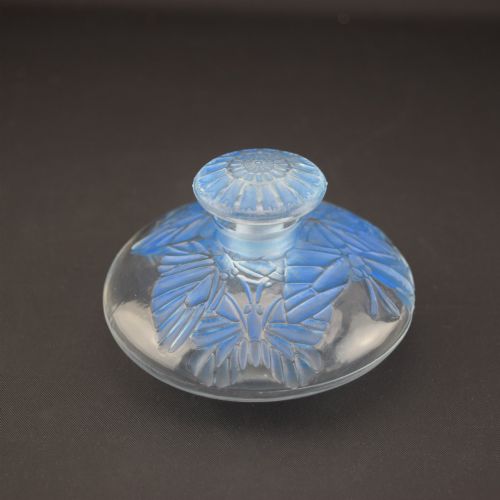
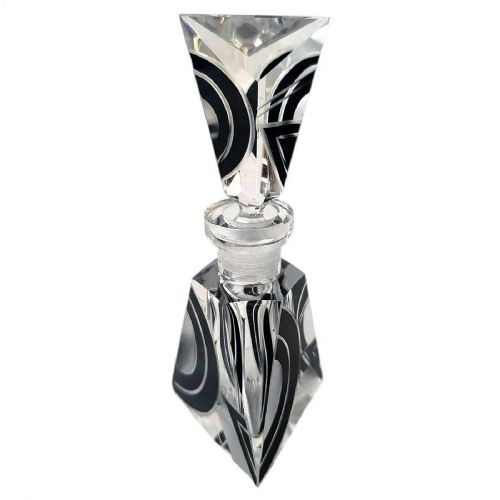
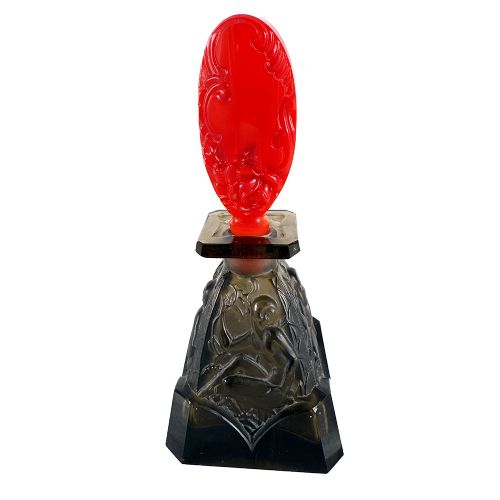
The versions most commonly met on this page include moulded, opalescent, cut, and blue stained glass pieces alongside sterling silver and enamel designs. Many originate from France and Czechoslovakia, reflecting the major centres of glass production during the period.
Materials and construction
Makers utilised various forms of glass, including crystal, pressed glass, and opalescent glass, often shaping them through moulding or geometric cutting. Blue stained glass also appears amongst these vessels, providing strong visual contrast.
Metalwork and decoration frequently supplement the glass bodies. Sterling silver mounts and intricate enamel or guilloche enamel work complete many of the designs.
Several bottles feature moulded butterflies on their stoppers, allowing delicate insects to permanently perch atop vanity tables.
Assessing quality and execution
The distinction between tiers rests upon the crispness of the glass moulding, the precision of geometric cutting, and the depth of the enamel work. Finer pieces demonstrate superior clarity in the glass and meticulous alignment of silver and enamel components.
Attribution plays a role in differentiation, as works associated with known designers or specific European workshops exhibit a higher degree of sculptural ambition and finishing detail.
Rene Lalique·Karl Palda·Sabino
The Art Deco Perfume Flacon Glossary
- Flacon
- A small stoppered bottle for holding perfume. This term originates from the French and is commonly applied to decorative dressing table bottles.
- Opalescent glass
- Glass containing agents that create a milky, semi-translucent appearance with shimmering blue or amber highlights. It diffuses light across moulded reliefs.
- Guilloche enamel
- Enamel applied over a metal surface that has been mechanically engraved with a precise repeating pattern. This technique creates intricate geometric undercurrents beneath translucent colour.
- Moulded glass
- Glass shaped by being pressed into a metal or wooden mould while hot. This technique allows for repeatable three-dimensional sculptural details on the vessel body.
Art Deco Perfume Flacon: Frequently Asked Questions
How do I date an art deco perfume flacon?
Dating relies on stylistic markers, materials, and regional characteristics typical of the interwar period. Pieces from this era generally date between the nineteen-twenties and nineteen-thirties.
Specific design motifs, such as geometric cutting or particular moulding techniques, help narrow the timeframe further when combined with maker signatures or country of origin marks.
Where were most of these bottles made?
Production was centered primarily in France and Czechoslovakia during the interwar decades. French makers often focused on moulded and opalescent glass.
Meanwhile, Czechoslovakian workshops frequently produced geometric cut glass and enamel-decorated pieces.
What materials are typical for these flacons?
Glass forms the primary body of these vessels, encompassing crystal, pressed glass, opalescent glass, and blue stained glass. Cutting and moulding techniques shape these transparent or translucent mediums.
Metal and pigment additions, specifically sterling silver and coloured enamel, frequently accent the glass structures.
How were these bottles used originally?
These vessels served a functional role on dressing tables and vanity sets for holding and dispensing liquid scents. Their decorative designs transformed everyday perfume storage into display objects.
Many retained their original stoppers to preserve the fragrance inside the chamber.