


French Putti
When you search for french antique putti, you uncover sculptural and decorative figures rooted in classical myth and nineteenth-century taste.
French Putti
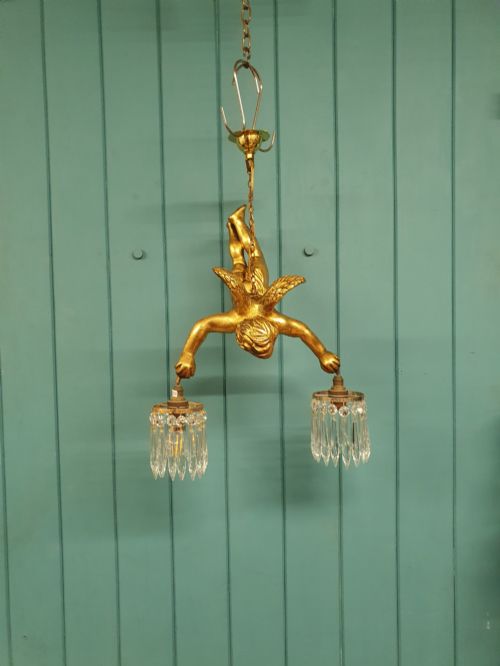
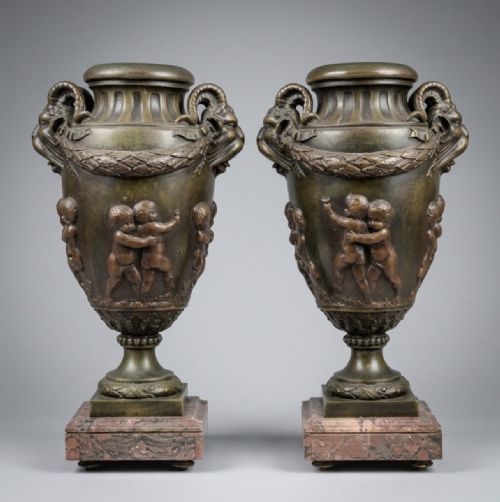
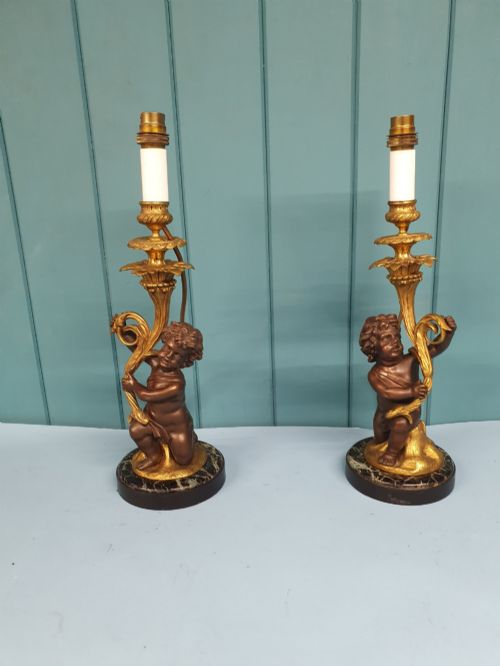
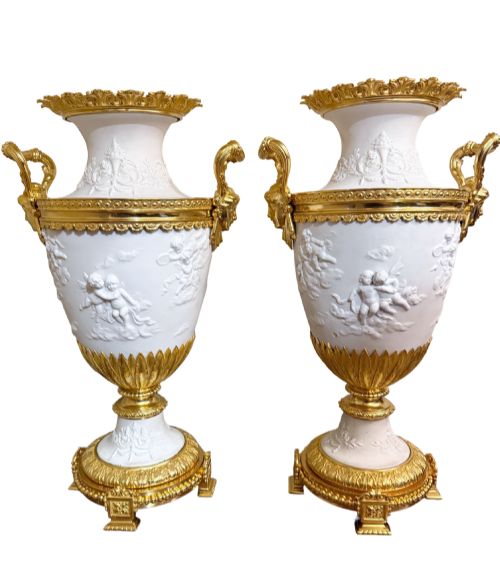
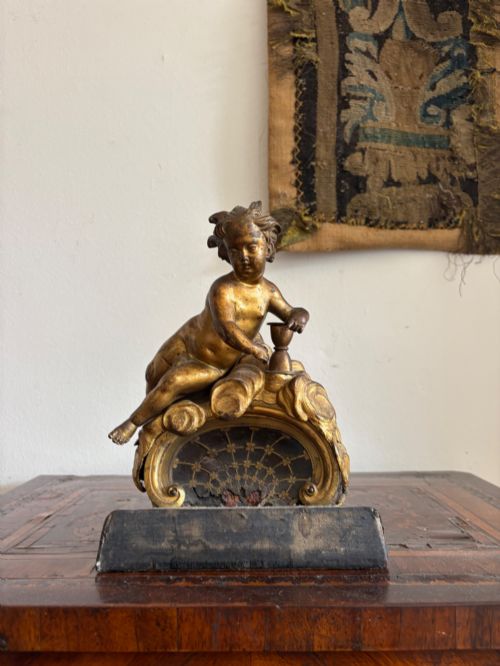
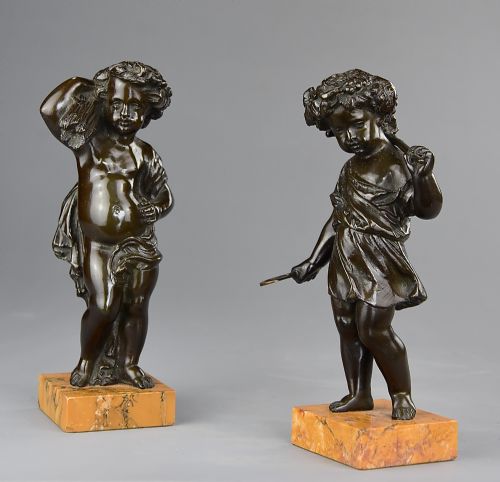
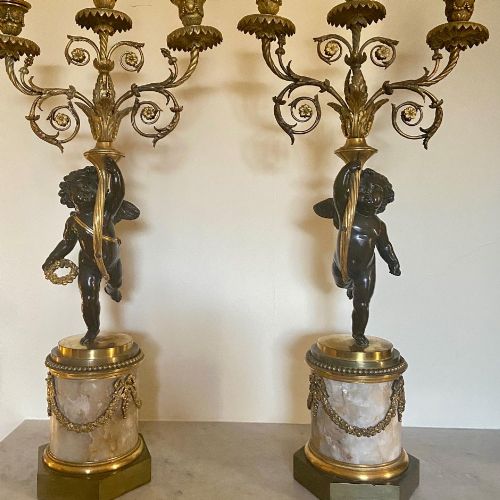
The phrase french antique putti covers winged infants, cherubs and bacchic babes rendered across centuries of European decorative arts. Buyers encounter these winged figures supporting candelabra, perched on clock garnitures, or cast as independent bronze and spelter sculptures.
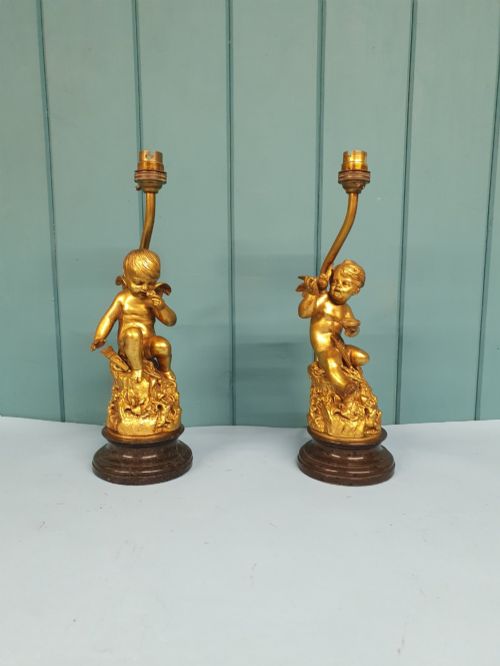
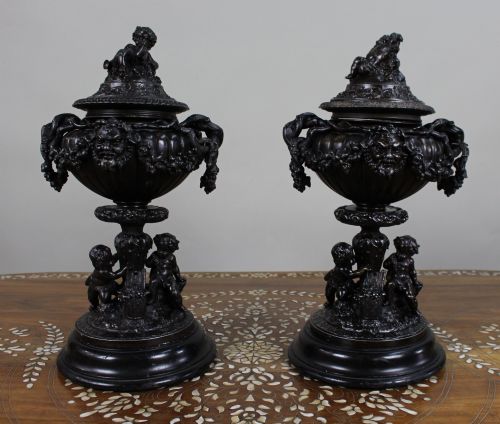
The pieces appearing on this page span from the eighteenth century through to the early decades of the twentieth century. Common manifestations include table lamps, wall sconces, tazzas, and architectural mounts cast in bronze, ormolu, and gilt metal.
Stylistic influences lean heavily into French Rococo Revival, Neoclassical, and Empire periods. These forms reflect a sustained fascination with classical antiquity, translated into domestic ornamentation for salons and mantelpieces.
Materials and casting methods
Foundry work relies heavily on bronze, patinated bronze, and ormolu, alongside base metals like spelter and brass. Gilt bronze and fire-gilded ormolu provide a durable, luminous finish that distinguishes higher-end decorative hardware.
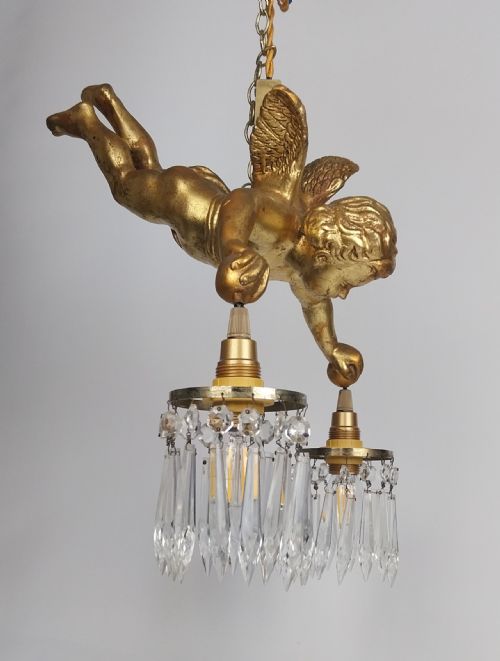
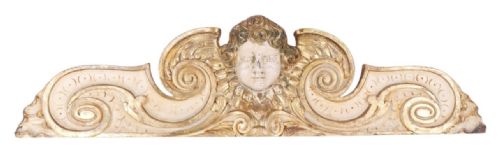
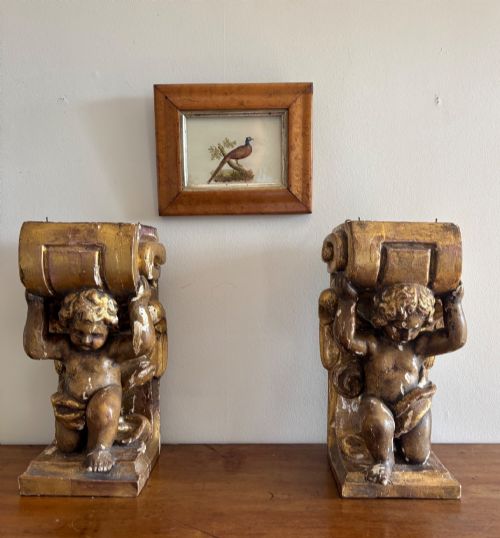
Sculptural elements are frequently paired with contrasting natural materials such as white marble, onyx, and cut glass crystal. Woodcarvings and polychrome plaster also emerge in architectural fragments, over-door plaques, and wall brackets.
Several putti are caught mid-mischief, balancing precariously on crystal spikes or tending to spaniels rather than playing harps.
Assessing craftsmanship and detail
Quality rests in the crispness of the chase work on bronze and ormolu surfaces. Finer castings retain subtle facial expressions, individual feather details on wings, and precise musculature rather than softening into blurred outlines.
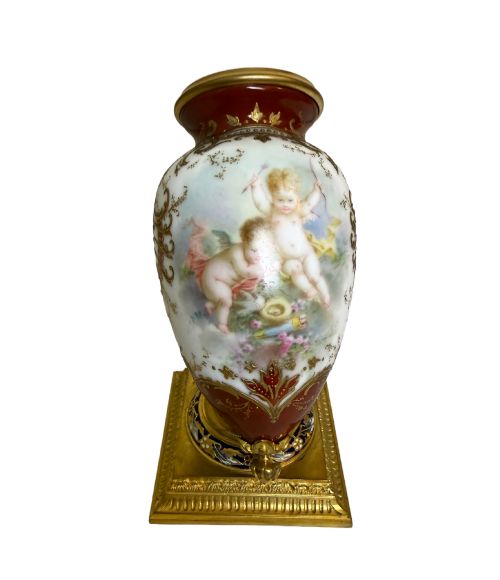
The integration of mixed media dictates value and visual impact. Pieces combining fire-gilding with matched white marble bases or hand-painted porcelain elements demonstrate a higher level of workshop ambition.
Charles Louis Malric·Susse Freres·Claude Michael Clodion·Francois Redmond·Clement Messier·Demarteau
The French Putti Glossary
- Putto
- A plump, often winged infant figure derived from classical art. Sculptors use the singular putto and plural putti to describe these decorative children.
- Ormolu
- Finely chopped high-karat gold applied to a bronze base using a mercury amalgamation technique. This process yields a deep, warm metallic lustre unique to older pieces.
- Spelter
- An alloy of zinc and lead used as a cost-effective substitute for bronze. Manufacturers frequently apply a bronzed or gilt finish to mimic heavier metals.
- Candelabra
- Branched lighting fixtures designed to hold multiple candles. These often incorporate putti figures as central supports or flanking ornament.
- Chenet
- An alternative term for firedogs placed at the sides of a hearth. French examples from the nineteenth century frequently feature cast bronze putti.
French Putti: Frequently Asked Questions
What is a putto?
A putto is a chubby, usually winged infant figure originating in classical sculpture and Renaissance art. In French antiques, they appear as playful cherubs or mythological attendants.
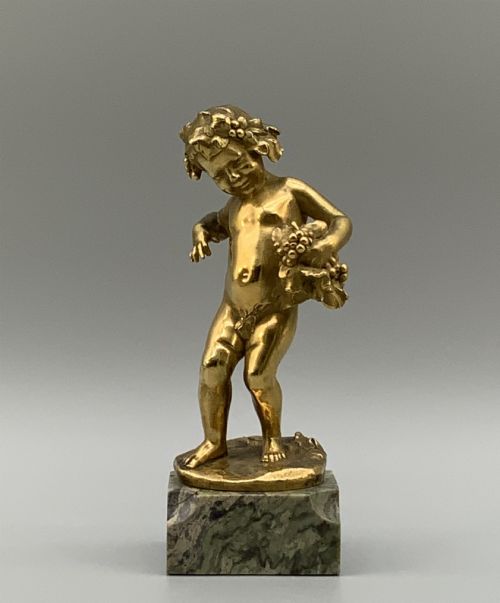
These figures symbolize love, harvest, or music depending on the objects they accompany, such as musical triangles or baskets of grapes.
How do I date these bronzes?
Dating relies on the casting quality, the composition of the metal, and the accompanying materials like marble or ormolu. Nineteenth-century pieces often emulate earlier Rococo or Empire styles.
Examining the underside for assembly screws, patination wear, and foundry stamps helps establish the manufacturing period more precisely.
Where were these placed originally?
Putto figures decorated high-status domestic spaces as mantel clock garnitures, wall sconces, table lamps, and architectural door mounts. They added classical elegance to formal nineteenth-century French interiors.
Smaller bronzes and tazzas served as tabletop display pieces in salons and libraries.
Are spelter and bronze different?
Bronze is a heavy, durable alloy of copper and tin that takes fine detail and deep patination. Spelter is a softer, lighter zinc alloy used to produce affordable decorative objects.
Spelter pieces are often painted or bronzed to resemble solid bronze, though they lack the same weight and crispness of cast detail.