
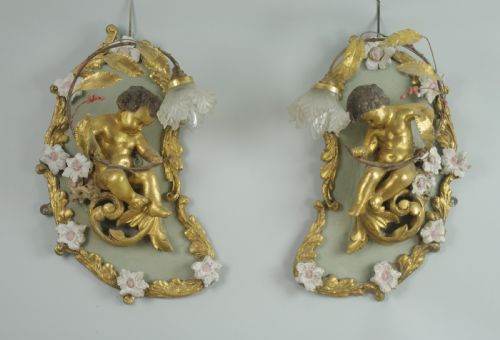


French Carved Putti
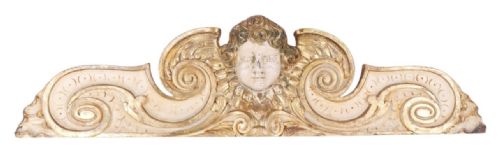
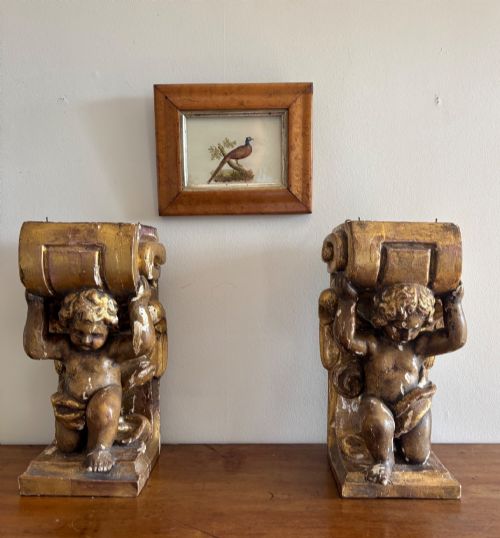
French carved putti bring lively figurative charm to interiors, appearing as gilded wall brackets, carved overmantel mirrors and architectural wooden figures.
French Carved Putti
When searching for French carved putti, collectors encounter decorative objects and architectural elements ranging from the seventeenth century to the twentieth century. These sculptural pieces take the form of wall brackets, overmantel mirrors, candelabra, and console tables adorned with cherubic figures.
The most common examples on this page are nineteenth-century giltwood mirrors and wall lights featuring carved wooden or plaster putti. Pieces span stylistic revivals including Baroque, Rococo, and Victorian Neoclassical aesthetics.
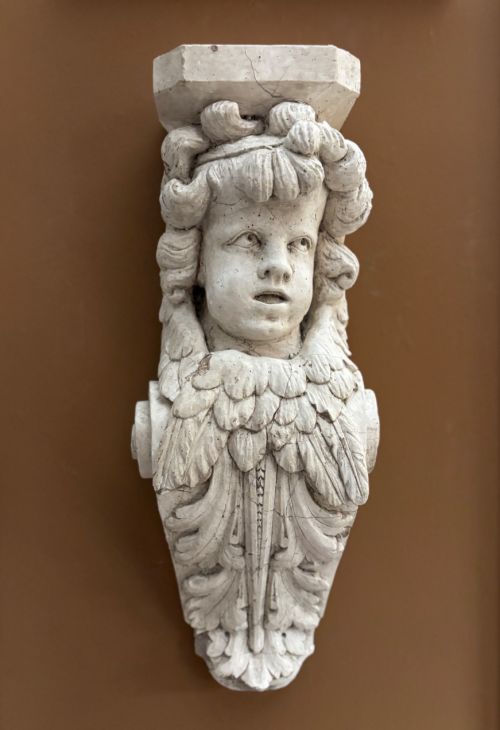
Origins stretch from early limewood carvings to later composition and moulded plaster lamps. Buyers also find occasional marble sculptures and smaller pendants incorporating cherub motifs.
Judging quality in carved putti
The vitality and depth of the carving distinguish finer sculptures from simpler moulded pieces. Skilled carvers rendered the anatomy and expression of each putto with dynamic naturalism rather than rigid symmetry.
The integrity of the original surface preparation, whether gold leaf over gesso or historic polychrome, dictates the visual richness of the object. Heavier architectural frames and limewood figures from earlier periods demonstrate superior joinery and material selection.
Even bound in marble or frozen in giltwood, these mischievous little figures manage to look like they are about to steal your pocket watch.
The French Carved Putti Glossary
- Putto
- A figure of a small chubby male child, often winged, found in classical and revival art. These figures appear frequently on mirrors, brackets, and wall lights.
- Giltwood
- Timber that has been coated with gold leaf or gold paint. This finish defines many nineteenth-century French mirrors and decorative brackets.
- Gesso
- A plaster-like mixture applied to wood as a base for gilding or painting. It provides a smooth surface for detailed carving work.
- Overmantel mirror
- A large looking glass designed to hang above a fireplace mantel. Many examples incorporate carved putti or cherub cresting on the upper frame.
- Polychrome
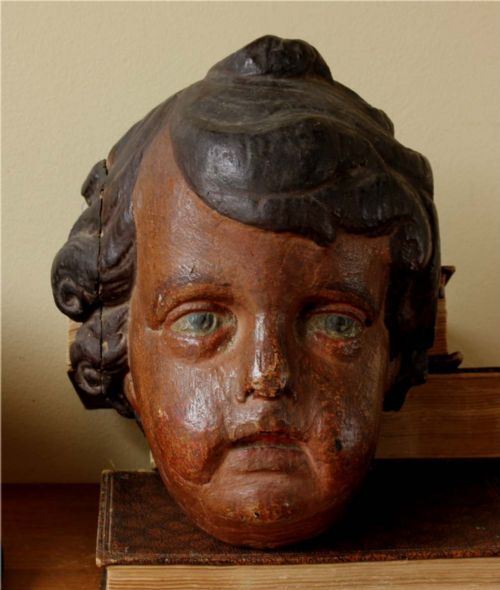
- Decorated in several colours. This treatment appears on older wooden cherub heads and statues.
French Carved Putti: Frequently Asked Questions
How do I style a putto wall mirror?
These mirrors work effectively as focal points above mantelpieces or console tables where their gilded frames catch the light. Pair them with complementary wall brackets or sconces to echo the decorative period style.
Ensure secure wall fixings are used, as antique frames incorporating detailed wooden carvings and glass can carry considerable weight.
What is the difference between a putto and a cherub?
Art historians strictly define a putto as a wingless or winged infant figure derived from classical mythology, distinct from biblical cherubim. In antique trade terminology, however, the two terms are frequently used interchangeably to describe these chubby child figures.
Listings often group both descriptions together under French decorative arts from the seventeenth to nineteenth centuries.
Are these pieces strictly French in origin?
The pieces reflect French design idioms and revival styles such as Rococo and Baroque, which influenced European craftsmanship for centuries. Makers across various workshops adopted these distinct aesthetic traditions.
Examine the construction methods and timber types to understand the specific regional background of each item.