


French Mirror Frame
A french antique mirror frame brings architectural depth and period elegance to a room through carved timber, giltwood, and historic glass plates.
French Mirror Frame
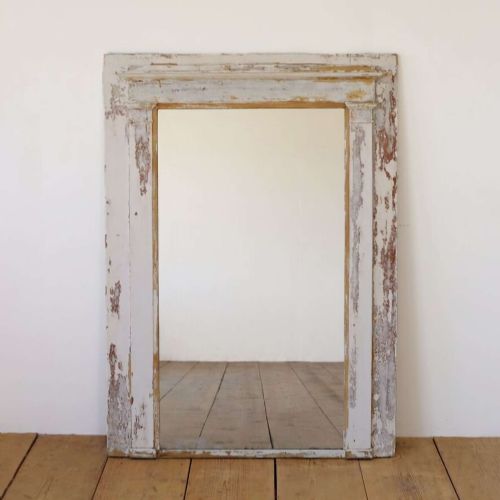
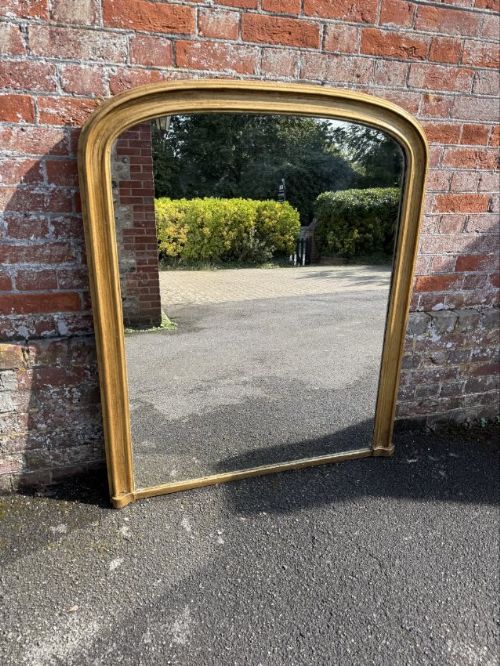
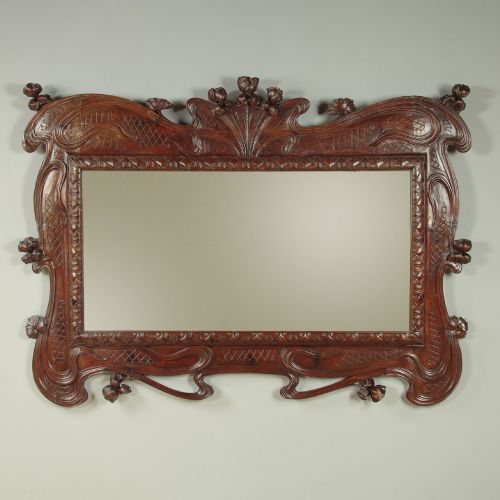
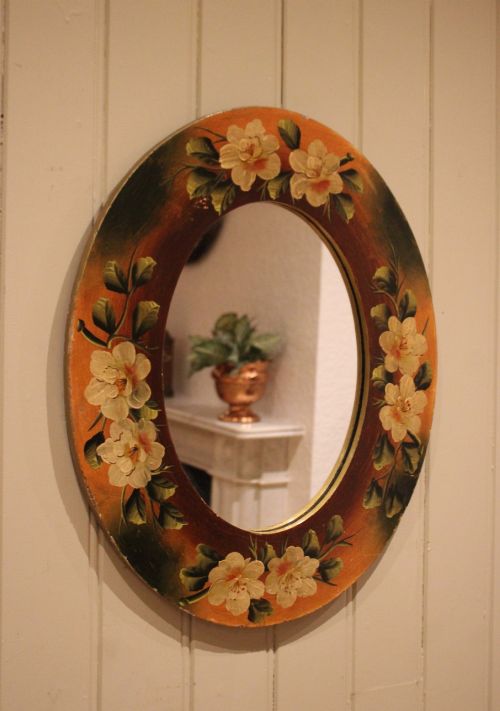
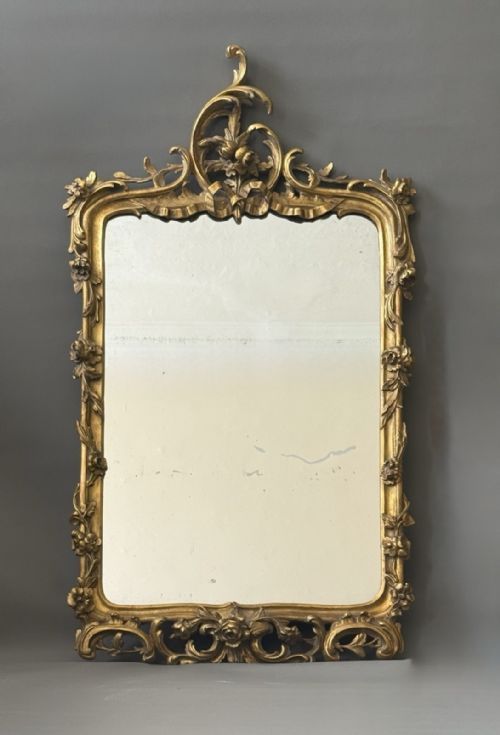
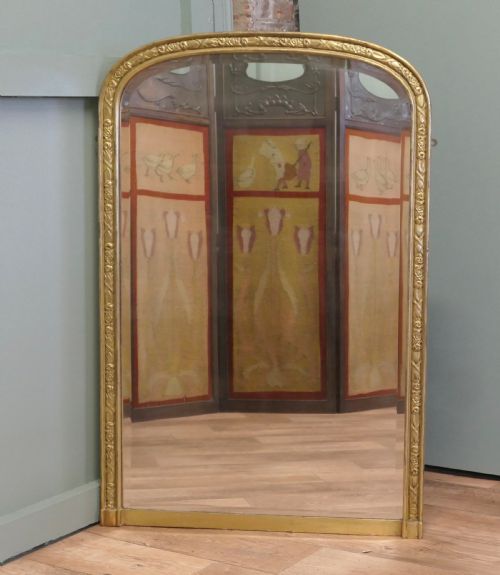
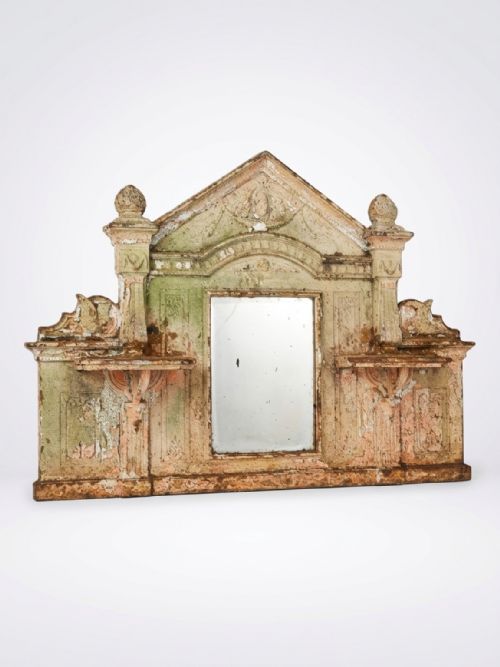
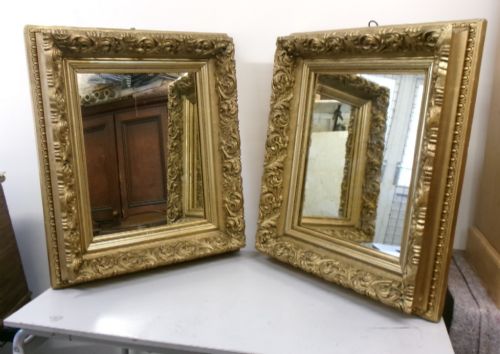
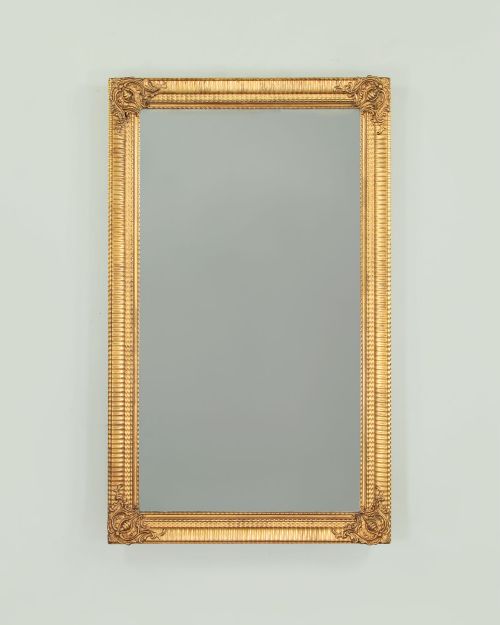
A french antique mirror frame encompasses wall-hanging, overmantel, pier, and trumeau mirrors originating from the eighteenth and nineteenth centuries. These pieces display distinct regional and stylistic traits, ranging from rustic oak and painted finishes to elaborate giltwood carvings.
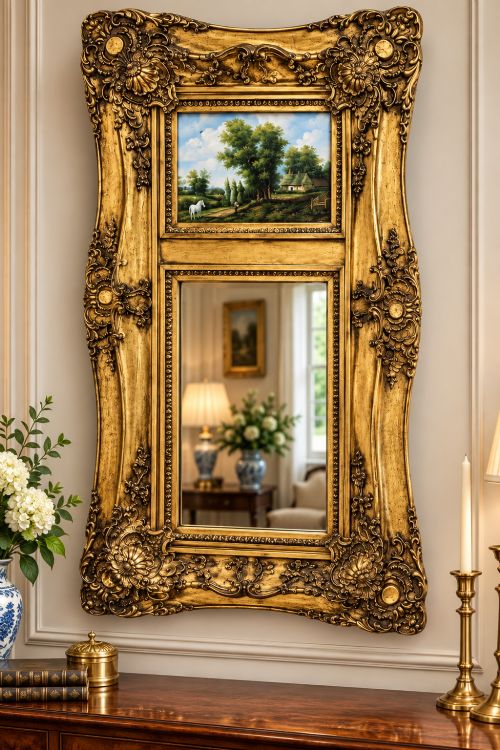
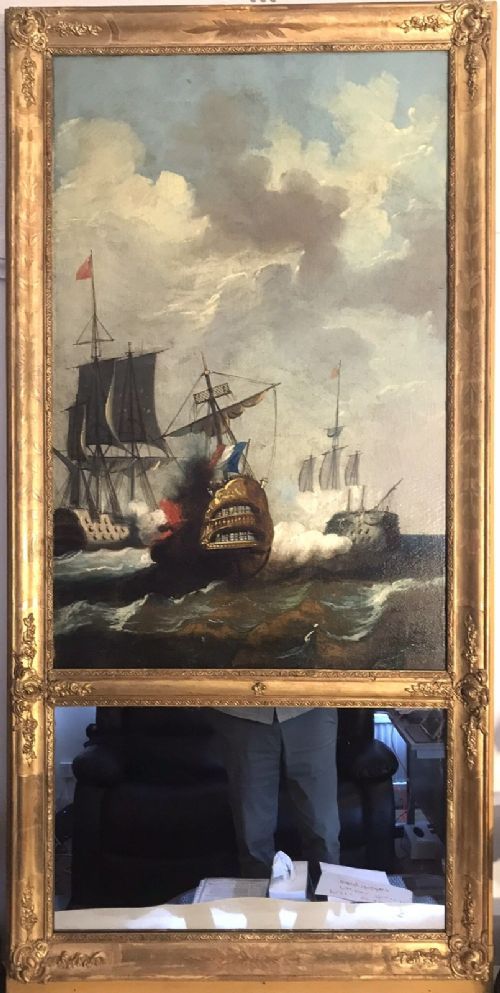
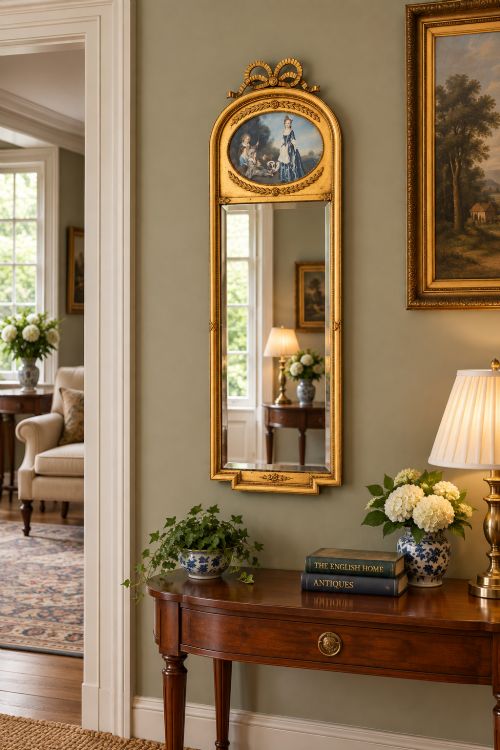
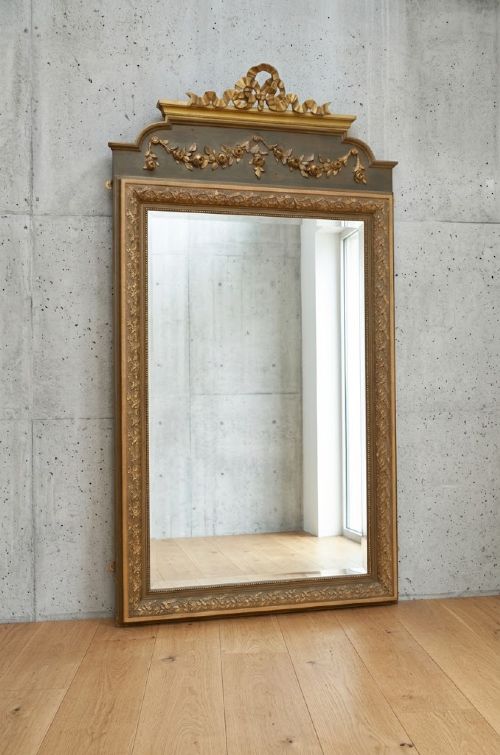
The selection frequently includes Louis Philippe designs, Rococo revival pieces with scrolling foliage, and tall trumeau mirrors incorporating pastoral oil paintings or carved ribbon crests. Buyers encounter both grand salon mirrors designed for high ceilings and smaller table or vanity mirrors.
Originating across French country and neoclassical traditions, these frames serve as functional wall art. They anchor a domestic interior by reflecting light and adding period character.
How They Were Made
Master craftsmen carved structural frames from solid timbers such as oak, pine, and kingwood, building up intricate surface ornamentation with applied gesso. This plaster-like mixture allowed artisans to mould deep relief motifs including laurel leaves, ribbons, and floral vines before gilding.
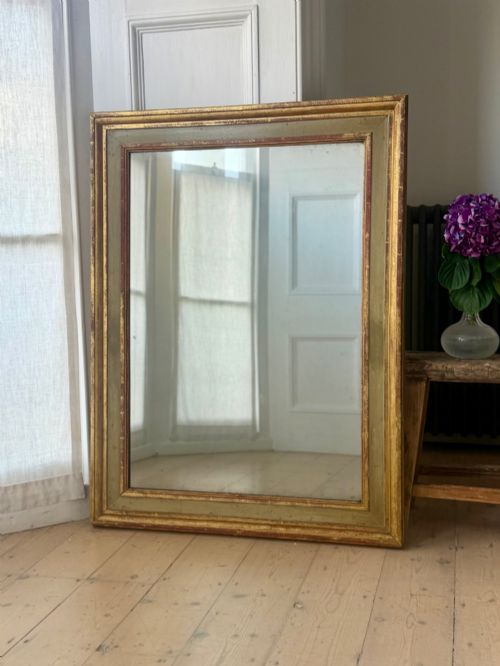
Gilding techniques involved applying thin sheets of gold leaf or silver leaf over the prepared gesso base, often burnished to create variable lustre. Alternatively, surfaces received painted finishes, sometimes combining olive green or pastel tones with gilt highlights.
Mirror plates within these frames historically relied on mercury glass, prized today for its characteristic foxed appearance and mottled dark spots. Later nineteenth-century examples often utilised modern silvered glass plates with bevelled edges.
Some nineteenth-century frames utilise clever faux bamboo woodwork to satisfy Victorian botanical whimsy.
What Varies in Quality
The integrity of the carved wood and gesso ornamentation determines much of a frame's standing, distinguishing hand-carved depth from mass-produced uniformity. Crisp undercutting in floral and scroll motifs indicates superior artisanal skill during the construction process.
The survival of original surface treatments, including untouched gold leaf, historic silvering, and period painted finishes, significantly influences a piece. Frames retaining their original mercury glass plates rather than later replacements command distinct attention from collectors.
Structural joinery and the retention of original backboards and framing pins demonstrate careful historical maintenance. Superior examples combine robust timber construction with harmonious proportions that balance the weight of heavy glass plates.
The French Mirror Frame Glossary
- Trumeau
- A decorative architectural mirror panel, often fitted with an oil painting or panel artwork above the glass plate. These tall fixtures traditionally hung between windows in grand rooms.
- Gesso
- A plaster mixture applied to wood frames to create a smooth base for relief carving and gilding. Artisans could easily mould this material into complex floral and scroll patterns.
- Mercury glass
- A double-walled glass blown object or flat mirror plate silvered between the layers using a mercury amalgam. This historic technique creates a distinctive speckled, foxed reflection over time.
- Louis Philippe
- A mid-nineteenth-century French style characterised by simple, elegant lines, rounded top corners, and restrained moulded frames. This aesthetic offers a versatile balance between neoclassical form and domestic comfort.
- Giltwood
- Timber coated with gold leaf over a prepared ground layer. This material provides the brilliant reflective warmth seen on formal antique frames.
French Mirror Frame: Frequently Asked Questions
How do I date a French mirror?
Dating relies on examining the construction methods, wood types, and stylistic cues present in the carving. Eighteenth-century and early nineteenth-century examples often feature hand-beaten joinery and mercury glass.
Later Victorian and late nineteenth-century pieces display machine-cut timber or composition mouldings. Comparing the decorative motifs against known revival periods helps narrow the decade of origin.
What is foxed glass?
Foxed glass refers to mirror plates that have developed dark spots, mottling, and oxidation over decades of exposure to moisture and air. This ageing process creates a soft, atmospheric reflection valued for its authentic antique character.
Original mercury glass plates naturally exhibit this appearance, distinguishing them from modern silvered replacements.
Where should I hang a trumeau mirror?
Trumeau mirrors suit prominent wall spaces above mantelpieces, sideboards, or console tables where their height can be fully appreciated. Their original purpose as architectural fixtures makes them effective focal points in living rooms and hallways.
Ensure the wall anchors can support the combined weight of the heavy wooden frame and glass plate.
Can I clean an antique gilt frame?
Cleaning requires gentle dusting with a soft, dry brush to remove surface particles without disturbing fragile gesso or gold leaf. Avoid using water, liquid cleaners, or chemical solvents, as these can strip historic finishes.
Professional conservation is recommended for frames requiring structural repair or stabilization of flaking gilding.