
French Accent Seat
When you search for a french accent seat, you uncover a diverse array of antique seating forms shaped by centuries of European craftsmanship.
French Accent Seat
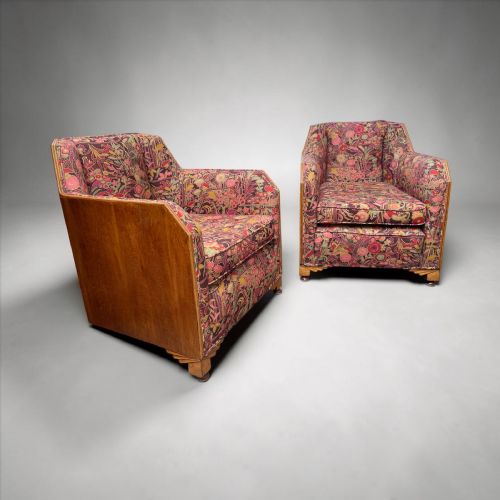
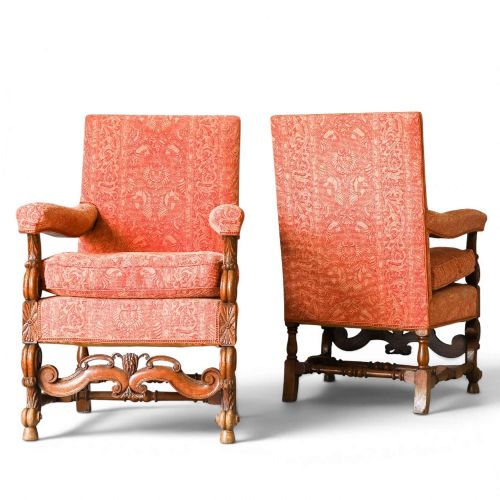
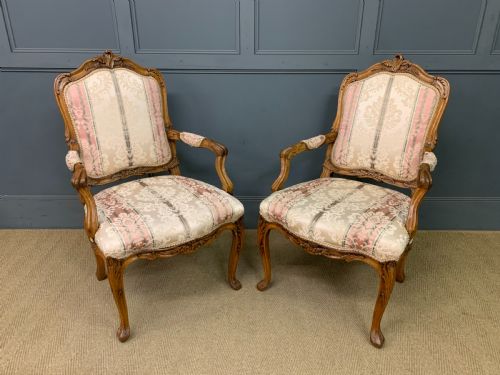
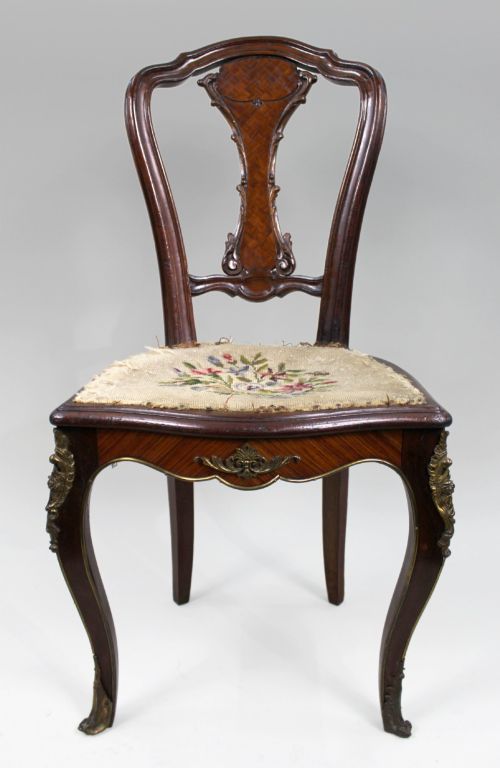
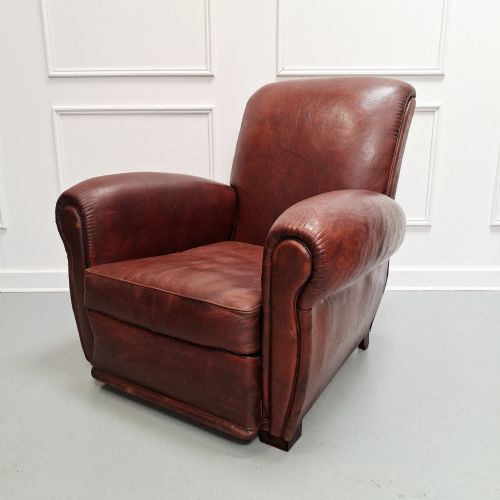
A french accent seat encompasses a wide assortment of historic seating forms designed to provide decorative and functional appeal in domestic interiors. The selections span from grand gilded salon chairs to comfortable leather club chairs and carved wooden armchairs.
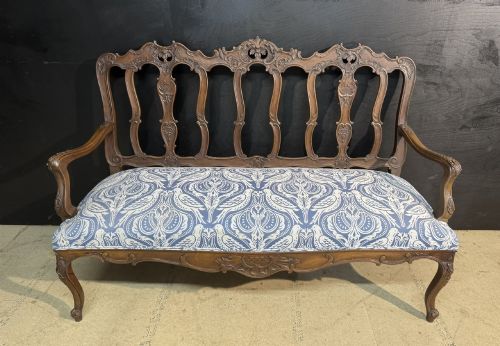
Armchairs, side chairs, settees, and stools dominate the selection, originating across the eighteenth, nineteenth, and early twentieth centuries. Pieces styled after Louis XVI, Rococo, Empire, and Napoleon III aesthetics appear frequently among the listings.
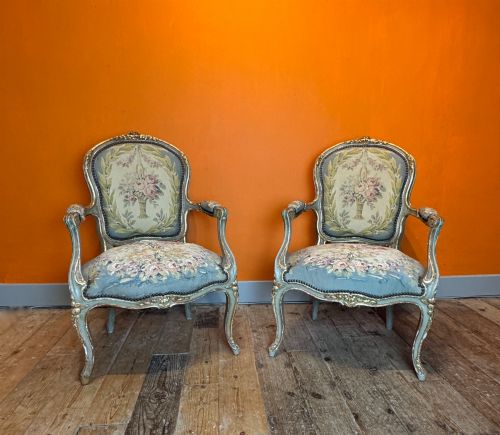
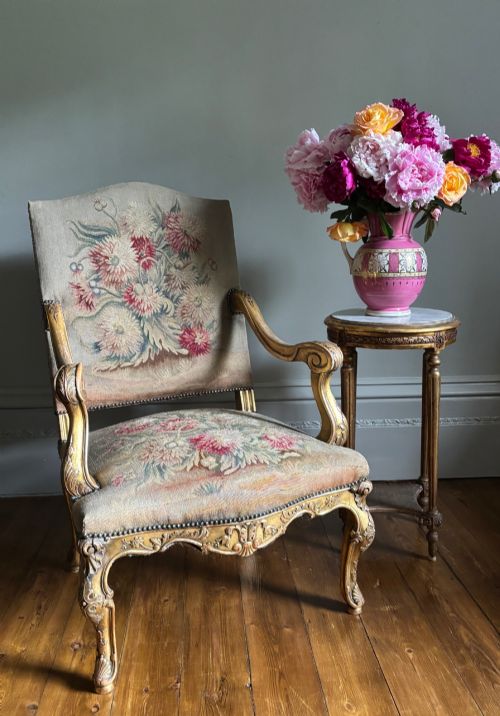
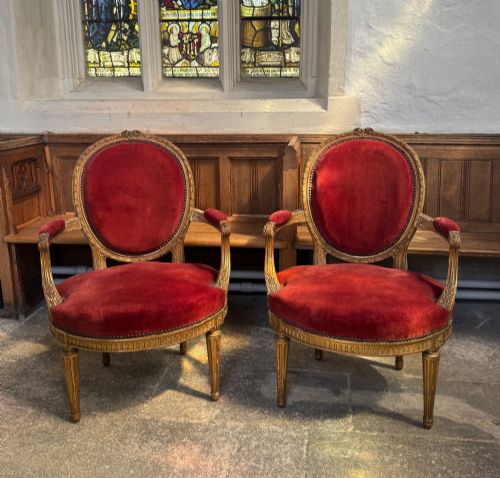
Buyers will encounter specific regional iterations, including giltwood frames, painted finishes, and walnut constructions upholstered in silk, tapestry, or modern velvet. These diverse forms allow a single chair to serve as a distinct focal point within a room.
Materials and construction methods
Frames are constructed from sturdy hardwoods such as walnut, oak, beech, and mahogany, alongside gilded wood and occasional wrought iron or polished brass. Carved details and parquetry work reflect the traditional joinery techniques employed by period makers.
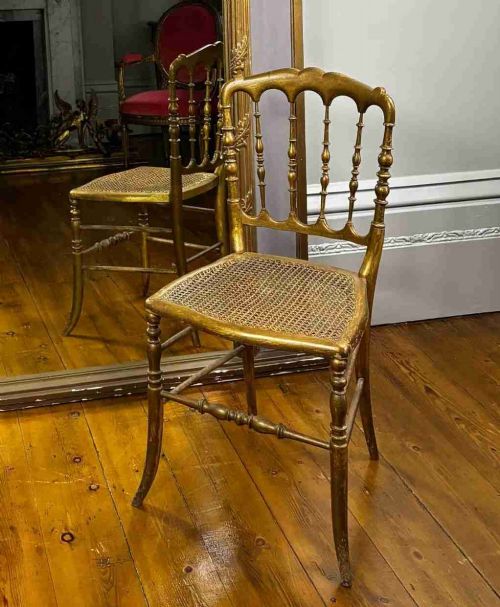
Upholstery methods utilise traditional materials including fabric, velvet, calico, leather, and silk, often paired with split cane panels or tapestries. Giltwood and painted finishes receive careful application to wooden frameworks to achieve surface decoration.
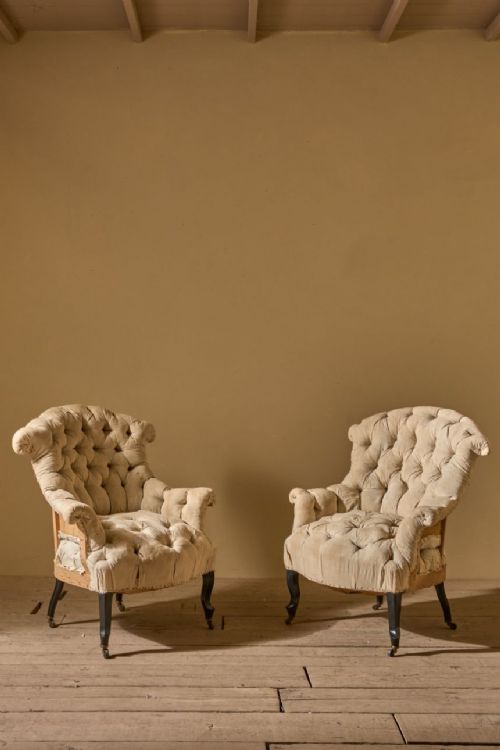
A solitary gypsy table once shared floor space with a velvet Napoleon III armchair, proving that nineteenth-century furniture loves unexpected company.
Distinctions in construction and finish
The standard of carving and the preservation of original finishes establish the distinction between ordinary and exceptional pieces. Crisp hand-carving on walnut or giltwood frames indicates a higher tier of workmanship compared to softer detailing.
The integrity of structural joints and the authenticity of period upholstery materials, such as original paint or period tapestry, influence the overall character. Finer examples maintain their original gilding and structural stability without excessive modern intervention.
Blaise Maucuy·Colefax and Fowler·Designers Guild
The French Accent Seat Glossary
- Bergere
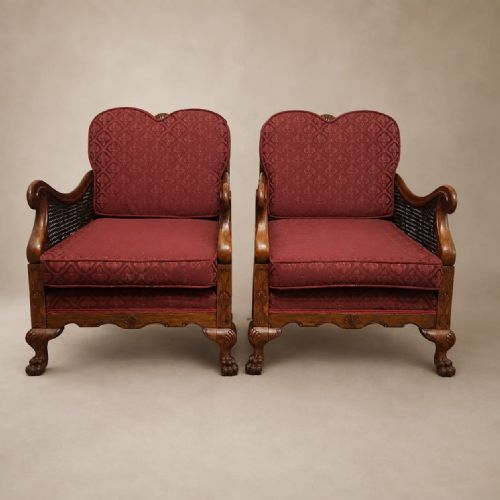
- An enclosed upholstered armchair with wooden framing, often featuring cane sides or backs. These chairs typically include a loose squab cushion for seating comfort.
- Fauteuil
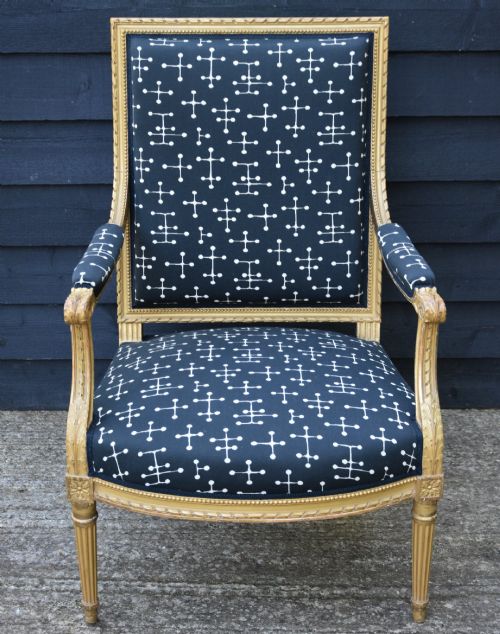
- An open-arm armchair with an exposed wooden frame originating in France. The arms usually feature padded elbow rests supported by carved uprights.
- Giltwood
- Timber treated with gold leaf or gold paint applied to the surface. This finish appears frequently on formal salon seating from the eighteenth and nineteenth centuries.
- Ormolu
- Gilded bronze mounts applied as decorative ornaments to furniture pieces. Such mounts are common on refined nineteenth-century French pieces.
- Parquetry
- Geometric patterns formed by fitted wood veneers on furniture surfaces. Master craftsmen utilised contrasting timber tones to create decorative motifs.
French Accent Seat: Frequently Asked Questions
How do I identify a louis xvi style chair?
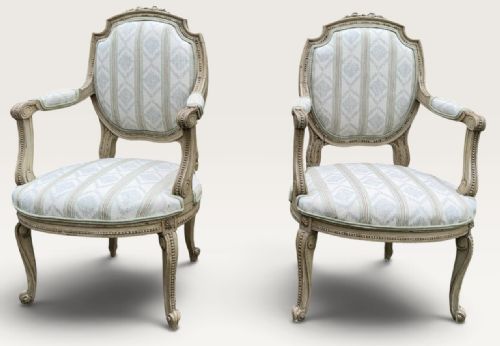
Louis XVI style chairs typically display straight, tapered legs that are often fluted, contrasting with the curved cabriole legs of earlier Rococo designs. Backrests frequently take an oval, rectangular, or shield shape.
Frames in this style are commonly constructed from giltwood or painted wood with classical carved motifs such as ribbons, fluting, and laurel leaves.
Where should I place an antique armchair?
Antique armchairs and salon chairs suit living rooms, bedrooms, and hallways where they provide an additional seating option. Pairing them with complementary tables creates an inviting corner.
Placed against a wall or beside a fireplace, these seats draw the eye through their distinct upholstery and carved wooden frames.
What is the difference between a bergere and a fauteuil?
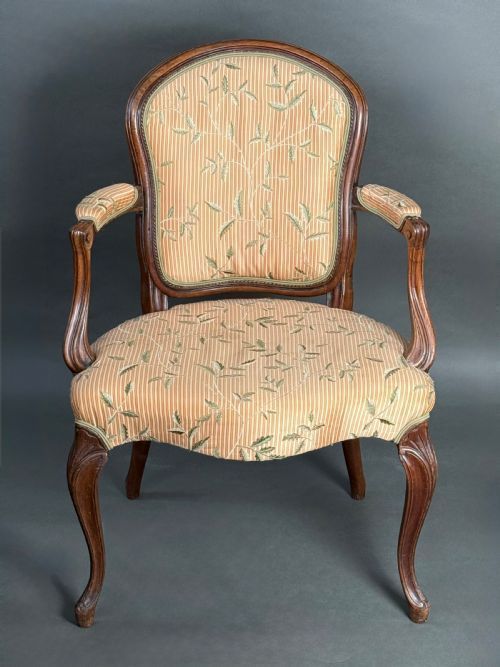
A fauteuil is an open-arm armchair featuring an exposed wooden frame with upholstered back and seat panels. The sides beneath the armrests remain open.
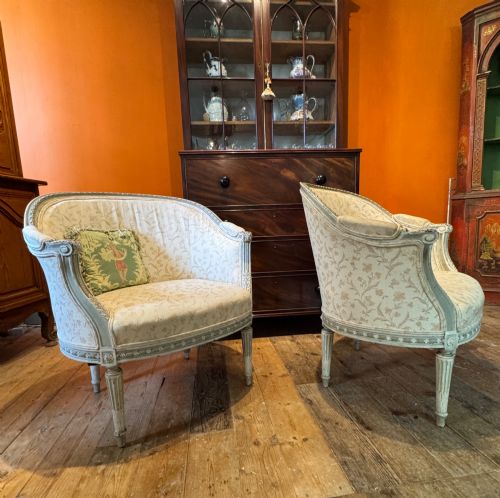
In contrast, a bergère is a closed armchair with upholstered sides that enclose the sitter more fully. Bergères frequently feature cane work on the sides and include a removable seat cushion.