




French Academic Bronze
These french academic bronze figures bring nineteenth century classicism into the room through classical subjects and masterly foundry work.
What french academic bronze pieces are
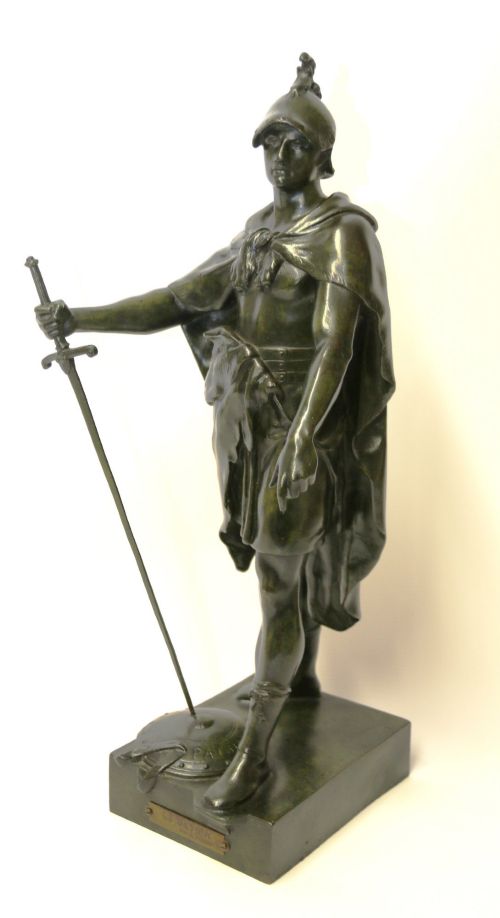
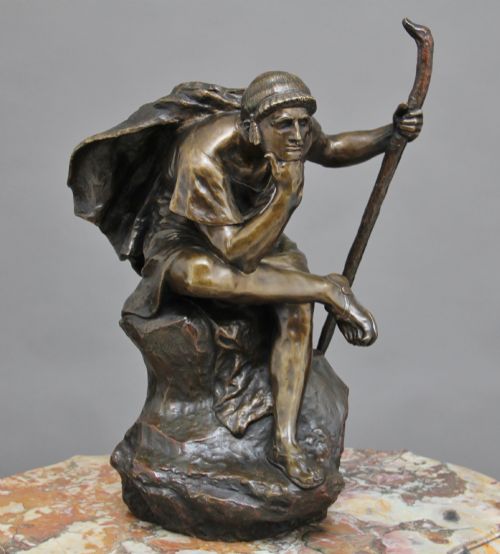
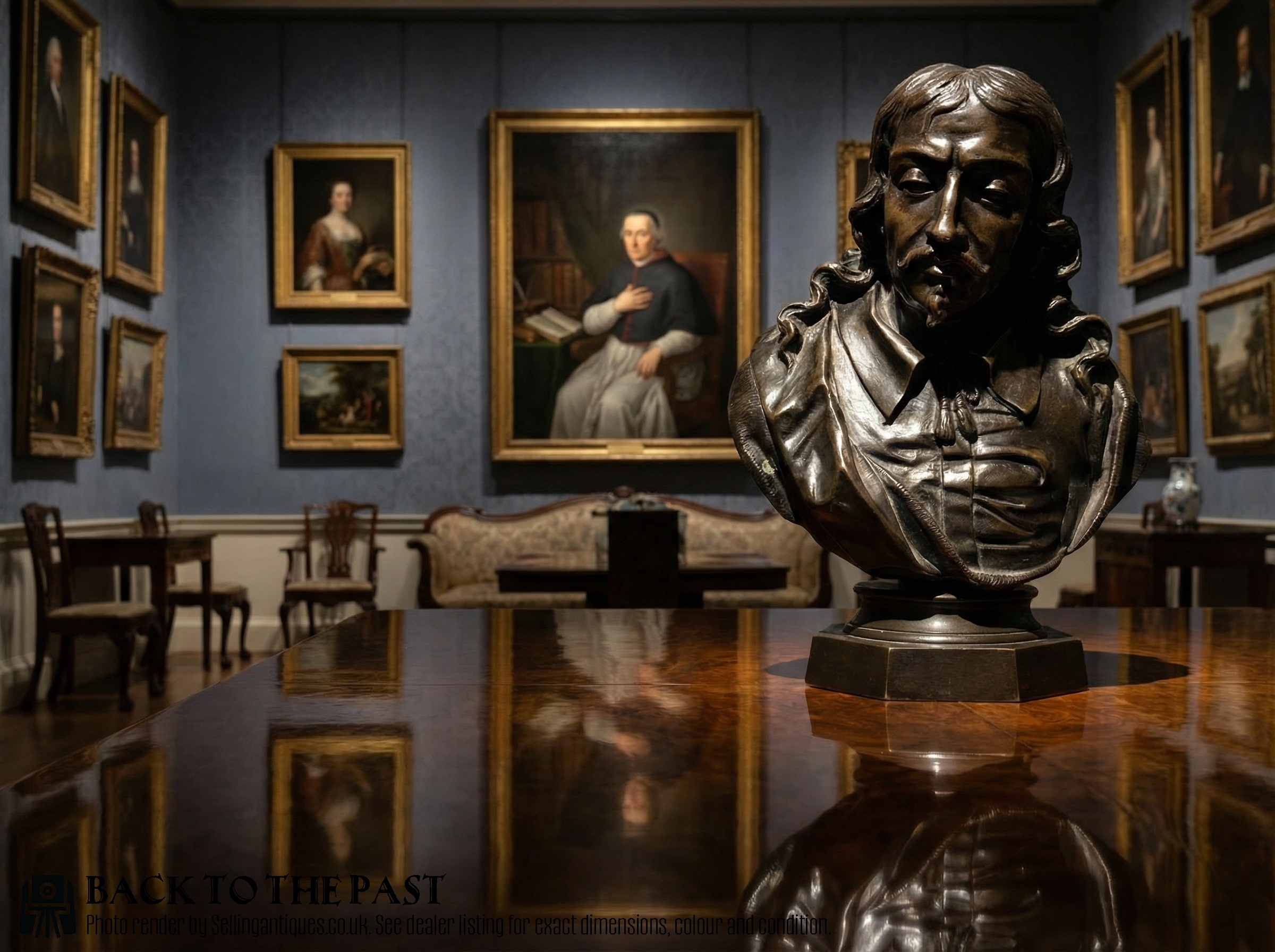
When you search for french academic bronze, you encounter nineteenth century classical figures and mythological subjects cast in bronze. These pieces range from classical semi nude maidens and flute players to depictions of literary figures like John Milton.
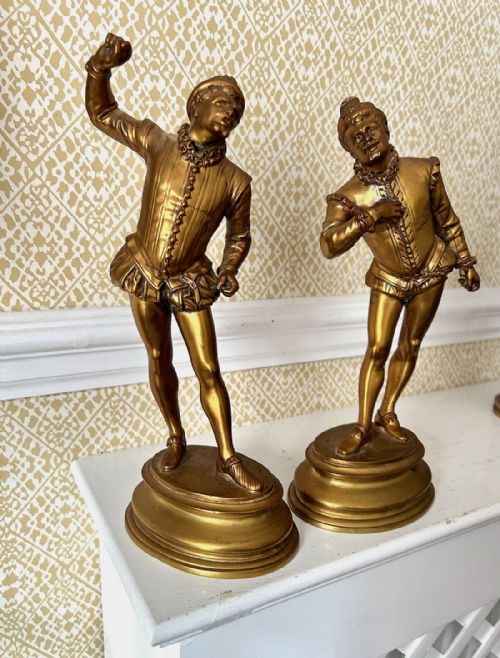
The objects on this page span the nineteenth and early twentieth centuries, including works dated from eighteen sixty to nineteen thirty. Formats cover single character studies, pairs of cavaliers, and figural groups such as mother and daughter.
Originating from French ateliers, these sculptures draw directly upon classical antiquity and nineteenth century academic training. Buyers select them for their sculptural presence and historical association with named Parisian sculptors.
How they were made
Foundries utilised traditional casting methods to shape these works in bronze and patinated metal. Molten alloy filled moulds taken from original models, capturing fine details in drapery, hair, and musculature.
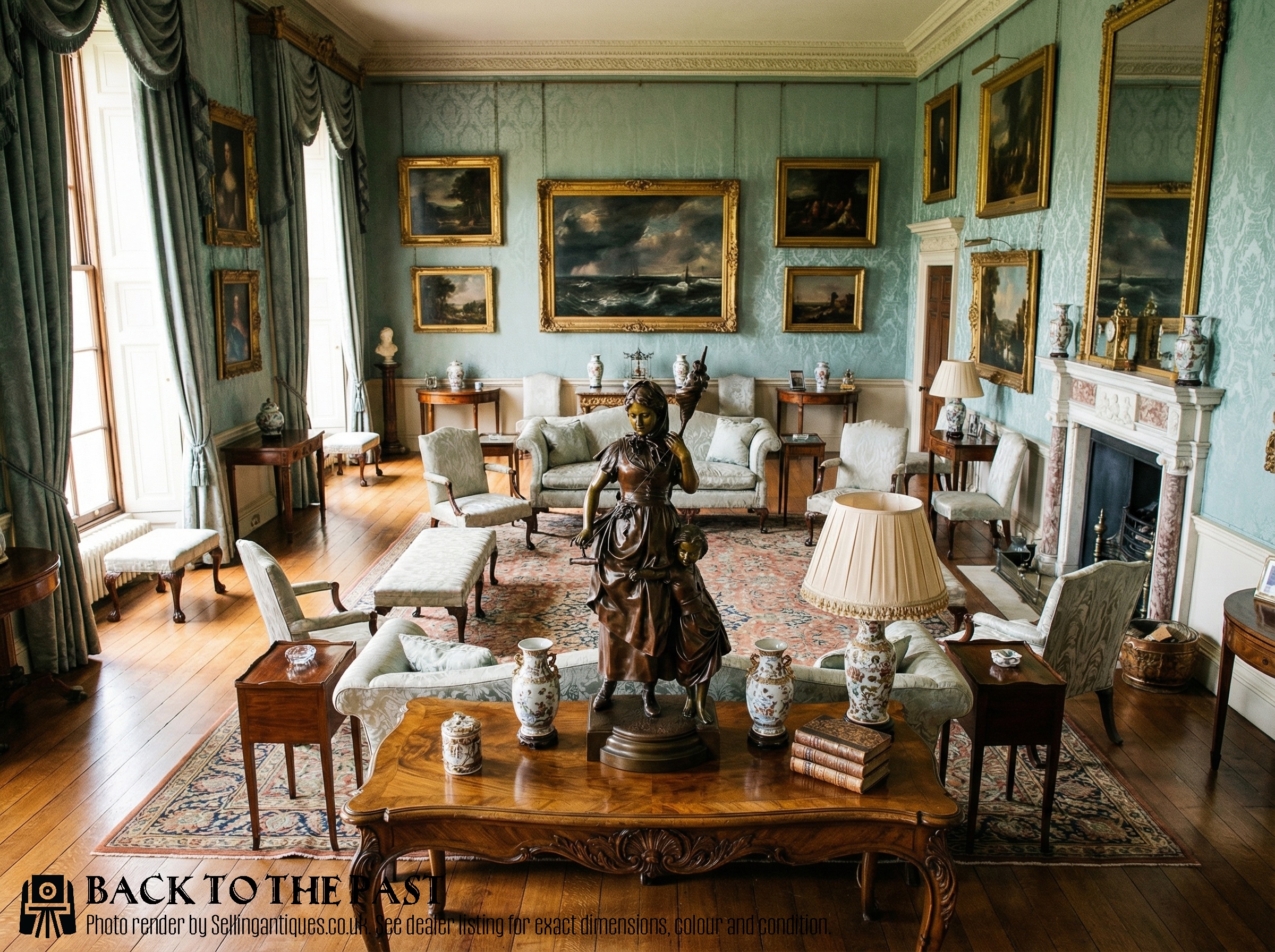
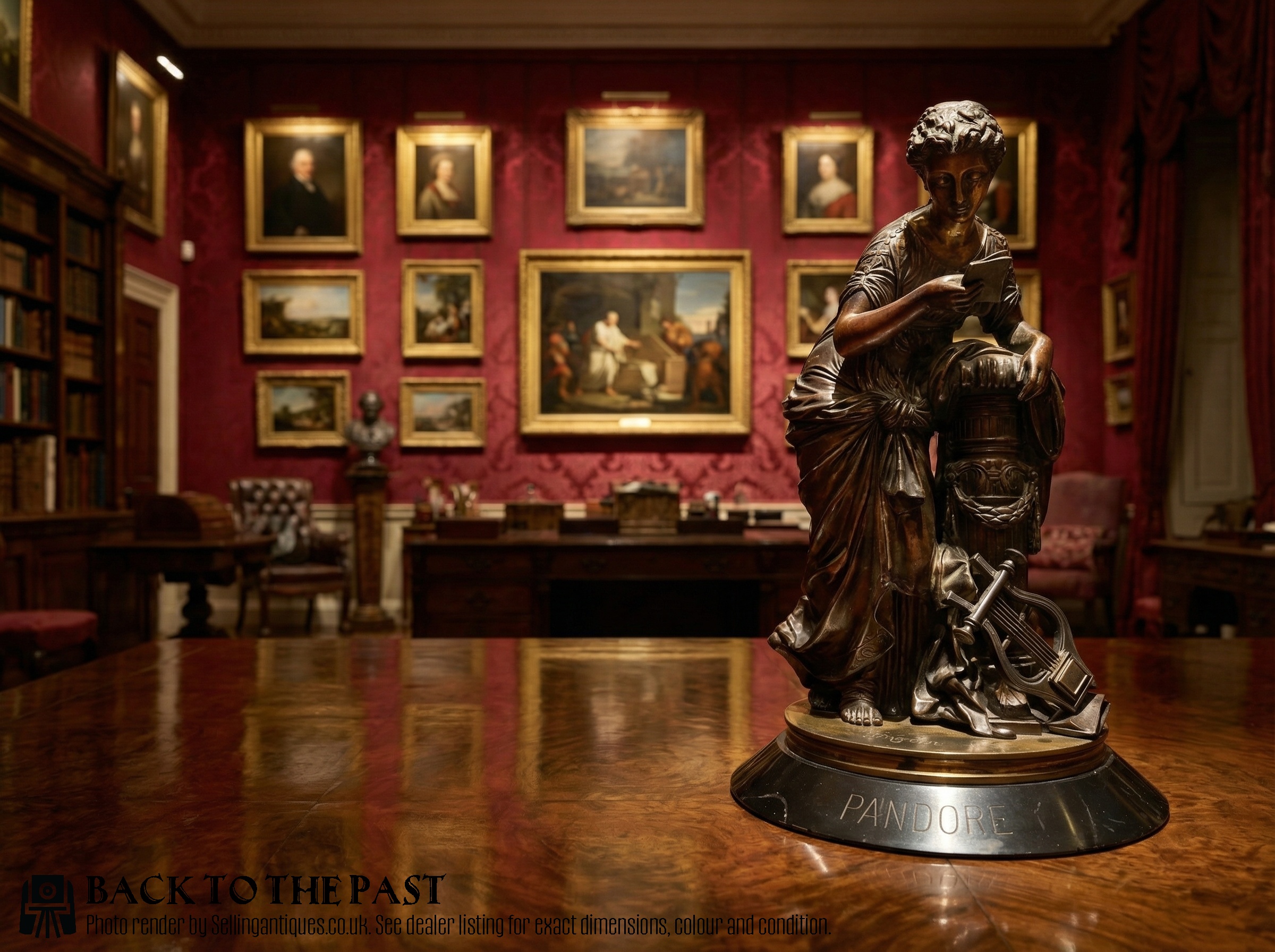
Many examples incorporate dark patina surfaces applied directly to the bronze. Certain sculptures are mounted upon marble bases that provide a stable footing and contrast with the dark metal.
Retail Price Guide 2026
Typical UK retail prices for french academic bronze, calculated from the Sellingantiques database of over a million retail prices indexed since 2003. This retail price guide relies exclusively on Sellingantiques data; no external sources or auction records are used, so the figures do not describe the wider market.
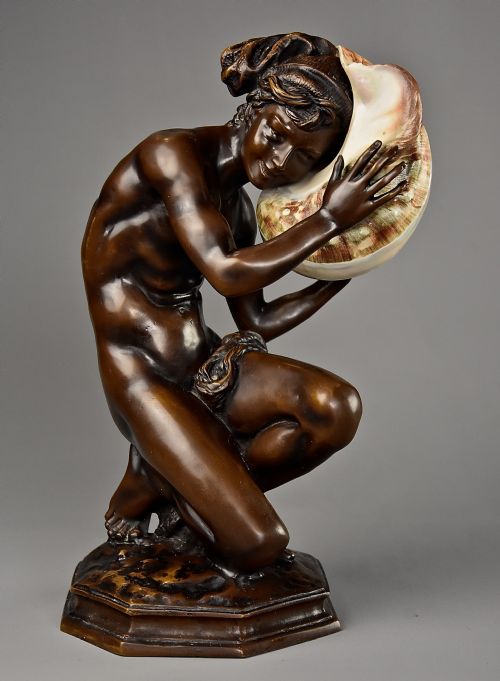
Fisherboys and goat carvers take their place alongside epic poets in bronze, proving nineteenth century sculptors found drama in everyday trades.
What varies in quality
The distinction between standard castings and superior works lies in the crispness of the chasing and the subtlety of the patination. A finer casting retains sharp details in facial expressions and surface textures without softening from worn moulds.
Signatures of recognised sculptors and foundry marks elevate the standing of a piece. The integration between the bronze figure and any associated marble base also indicates the overall ambition of the manufacture.
Jean Baptiste Carpeaux·Julien Lorieux·S Kinsburger·Aug Moreau·Gregoire·Lucien Madrassi·Ernest Eugene Hiolle·Salmson
The French Academic Bronze Glossary
- Patinated bronze
- Bronze that has been chemically treated to alter its surface colour, typically producing a dark brown or black tone. This finish protects the metal and accentuates sculptural contours.
- Academic
- Pertaining to the style taught by European academies of fine art in the nineteenth century, which emphasised rigorous drawing, classical proportion, and historical or mythological subject matter.
- Cavalier
- A horseman or gentleman soldier depicted in historical attire, frequently utilised as a subject in nineteenth century bronze sculpture. These figures often wear period costume such as boots and doublets.
- Foundry mark
- A stamp or signature impressed into the metal during casting that identifies the workshop responsible for pouring the bronze. These marks help verify the origin of a sculpture.
Frequently Asked Questions
What periods do these bronzes represent?
The pieces span the nineteenth century and extend into the early twentieth century, specifically covering dates from eighteen sixty to nineteen thirty. They reflect the dominant classical and academic tastes of the period.
Most examples date from the later decades of the nineteenth century when French foundries produced large numbers of figurative sculptures after famous salon artists.
What subjects appear most often?
Common subjects include classical figures, semi nude maidens, mythological characters, and historical literary figures such as John Milton. You also encounter genre scenes like the neapolitan fisherboy or goat carver.
Figural groups depicting family members, such as a mother and daughter, and pairs of cavaliers provide further variety within the selection.
Are these pieces signed by the artists?
Several works bear the signatures of named nineteenth century sculptors such as Julien Lorieux, August Moreau, and Ernest Eugene Hiolle. These signatures are typically cast directly into the bronze base or figure.
Signed pieces connect the physical object to the specific academic sculptor responsible for the original model.
How should I display a bronze figure?
These sculptures require a stable surface such as a heavy timber table, console, or dedicated pedestal. Many pieces include marble bases that anchor the heavy metal and protect underlying furniture.
Keep bronze sculptures away from direct heat sources and moisture to preserve the dark patina finish over time.