





French Academic Bronze Sculpture
French academic bronze sculpture brings classical subjects and rigorous nineteenth-century foundry technique into your home through expressive figures and mythological tableaus.

French Academic Bronze Sculpture
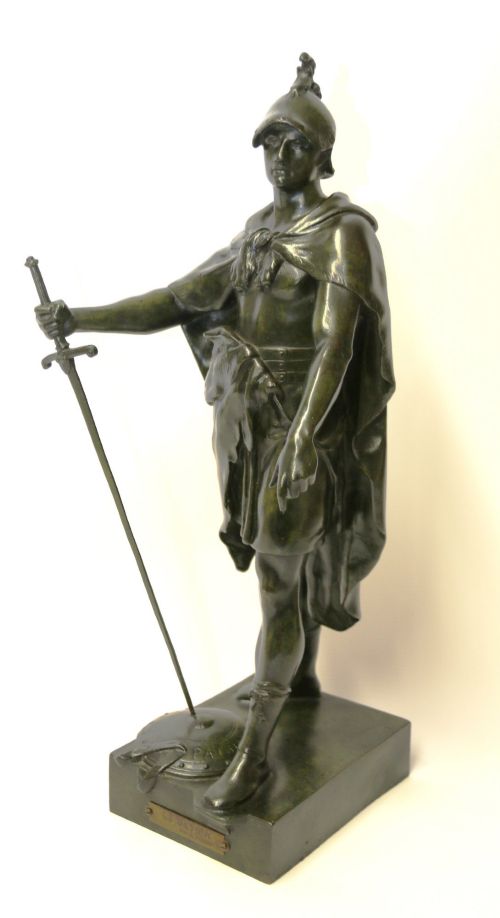
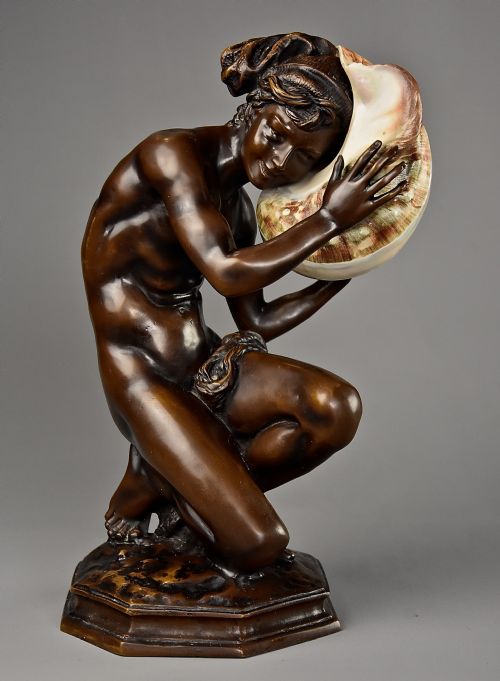
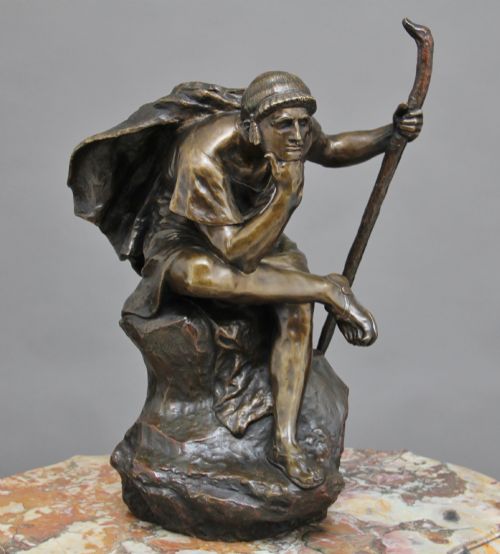
When searching for french academic bronze sculpture, you encounter figures of historical heroes, classical maidens, and mythological characters cast during the nineteenth century. These works derive from the rigorous teaching of Parisian art academies and salons, capturing dramatic movement and anatomical precision.
You meet subjects ranging from Roman soldiers and victorious gladiators to allegorical representations like Pax et Labour and Gloire Et Fortune. Many pieces function purely as decorative statues, while others incorporate frosted glass or lamp fittings to serve practical roles.
The aesthetic draws heavily on Neoclassical and French nineteenth-century traditions, spanning standing warriors, musicians, and equestrian studies. These bronzes reflect the high technical standards of Parisian foundries and independent artists from the eighteen-sixties through the early twentieth century.
Casting and Finish
Foundries utilised the lost-wax casting method or sand casting to achieve intricate detail in molten bronze, capturing hair texture, drapery folds, and facial expressions accurately. Artisans then applied chemical treatments to produce dark patinas, warm metallic tones, or selective gilding across the surface.
Many sculptures stand upon integrated or separate marble bases, providing a stable foundation and a contrasting textural element to the metal. Foundries often stamped their works or applied foundry marks alongside the signature of the sculptor, documenting the production origin.
French Academic Bronze Sculpture Retail Price Guide 2026
Typical asking prices for french academic bronze sculpture among the pieces listed under this phrase on Sellingantiques today, from the lower quarter to the upper quarter. They describe what is for sale here now, not the wider market.
Listings feature nineteenth-century French figures in patinated bronze, gilt bronze, and spelter, frequently mounted on marble bases.
Sculptural Execution
The depth and consistency of the patination indicate the level of craftsmanship, with superior bronzes displaying nuanced tonal gradations rather than a flat, uniform spray. The quality of the underlying metal alloy and the structural integrity of the mounting to the marble plinth further separate standard foundry output from masterworks.
Émile Louis Picault·Jean-Baptiste Carpeaux·Julien Lorieux·Antonin Mercié·Emile-Coriolan Guillemin·Charles Anfrie·Edouard Drouot·Jean Jules Salmson·Claudius Marioton·Auguste Moreau·Charles Arthur Bourgeois·Lucien Madrassi·Adolphe Jean Lavergne·Raoul Francois Larche·Ernest-Eugène Hiolle·Albert Carrier-Belleuse·Emile Laporte·Marcel Debut
The French Academic Bronze Sculpture Glossary
- Patinated Bronze
- Bronze treated with chemical solutions to alter its surface colour, producing dark brown, green, or black tones that highlight sculptural contours. This finish protects the metal and adds visual depth to the garment and skin textures.
- Gilt Bronze
- Bronze coated with a layer of gold using mercury amalgamation or electroplating techniques, creating a brilliant golden surface. This finish appears frequently on decorative accessories and companion figures.
- Spelter
- A zinc alloy frequently used as a cheaper alternative to bronze for sculptural figures during the nineteenth century. It is lighter than bronze and requires careful handling to prevent surface cracking.
- Neoclassical
- An artistic style drawing inspiration from the classical art and culture of ancient Greece and Rome. Works in this idiom emphasise symmetry, restraint, and heroic subject matter.
French Academic Bronze Sculpture: Frequently Asked Questions
What is academic bronze sculpture?
Academic bronze sculpture refers to nineteenth-century works created within the strict traditions of European art academies, particularly in Paris. These pieces emphasise anatomical accuracy, classical narratives, and narrative detail.
Artists trained in these institutions produced figures ranging from soldiers to allegorical maidens, cast by skilled foundries for exhibition and private collections.
How do I identify the foundry?
Foundry identification relies on stamps, seals, or cachets impressed directly into the bronze surface, often near the base of the sculpture. Names like Barbedienne appear alongside the artist signature.
Not all pieces carry foundry marks, as some sculptors cast independently or worked with smaller workshops that left fewer records.
Where should I display a bronze?
These sculptures require a sturdy surface such as a heavy sideboard, console table, or dedicated pedestal to support their considerable weight. Ensure the display area is away from direct moisture and extreme temperature fluctuations.
Positioning the piece at eye level allows you to appreciate the fine chasing and patination details across the figures.
How do I clean my sculpture?
Dust the bronze gently with a soft, dry microfibre cloth or a clean brush to prevent particle accumulation in the crevices. Avoid using commercial metal polishes, water, or chemical cleaners, as these substances strip the historic patina.
Applying a very light coat of microcrystalline wax by professionals can protect the surface if the bronze is handled frequently.