
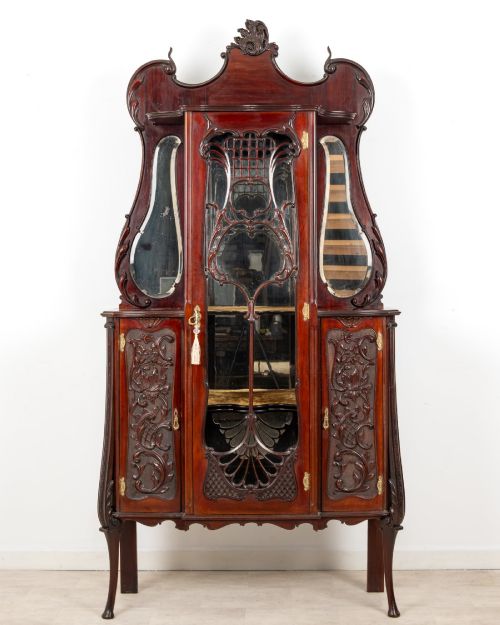
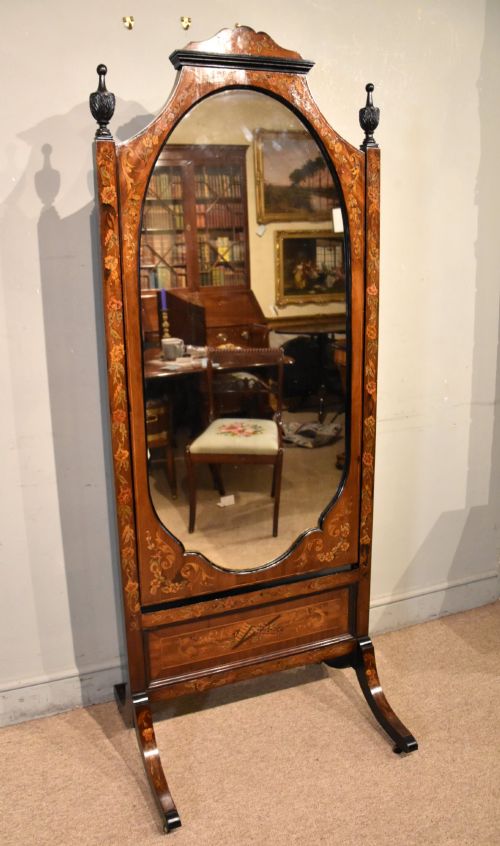
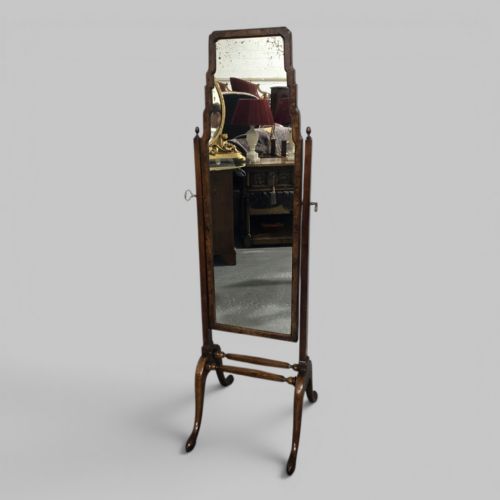
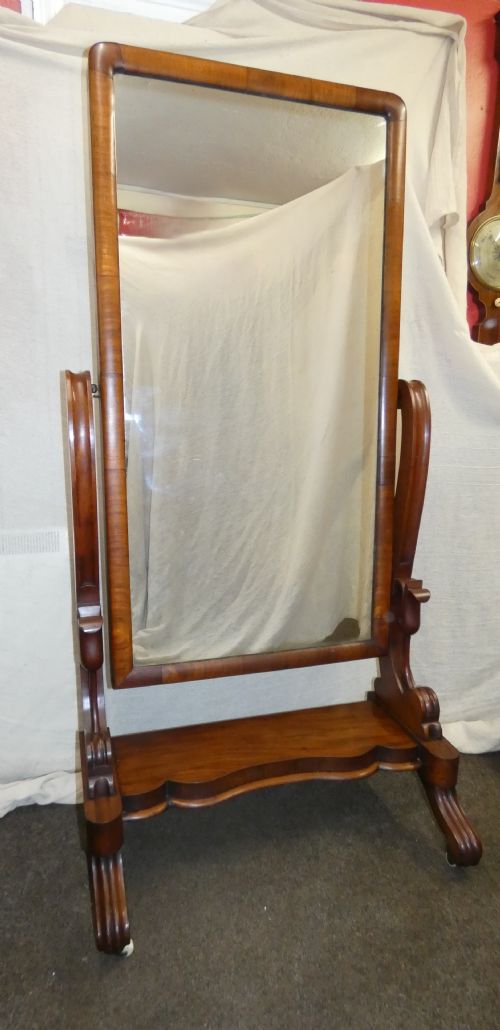
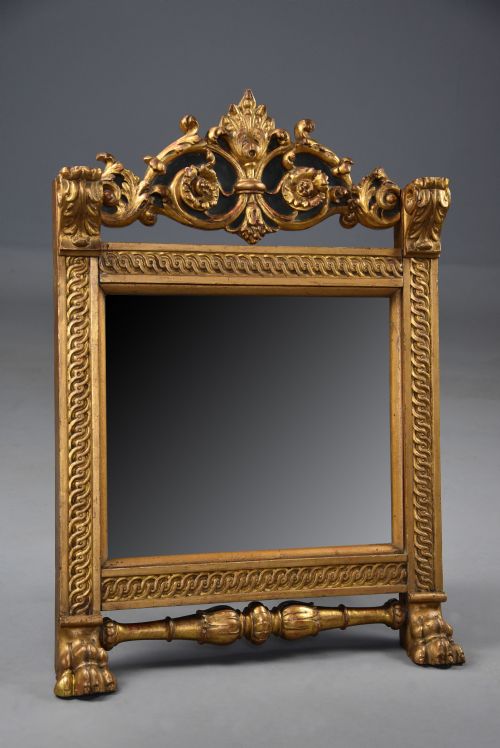
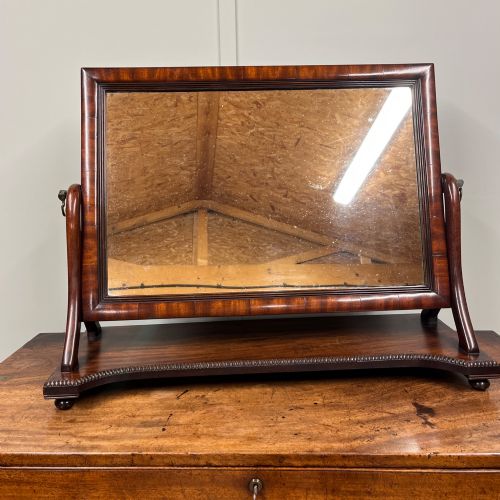


Freestanding Wooden Mirror
A freestanding wooden mirror brings a practical focus to a room, offering full-length reflection through mahogany, oak, and walnut frames.
Freestanding Wooden Mirror
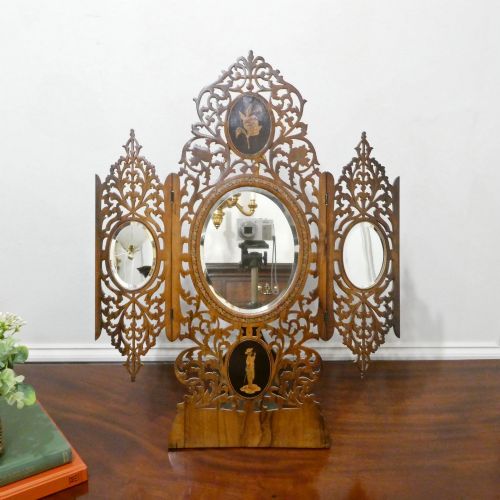
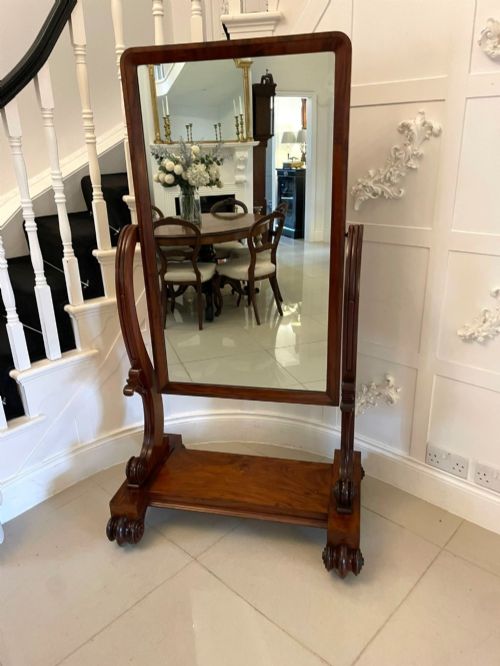
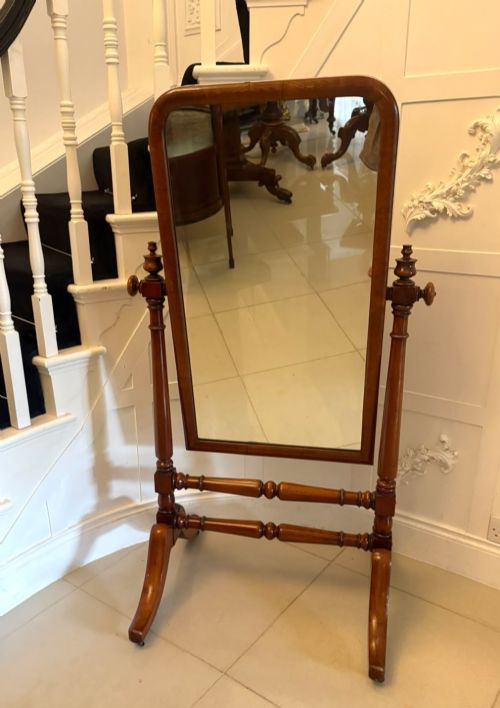
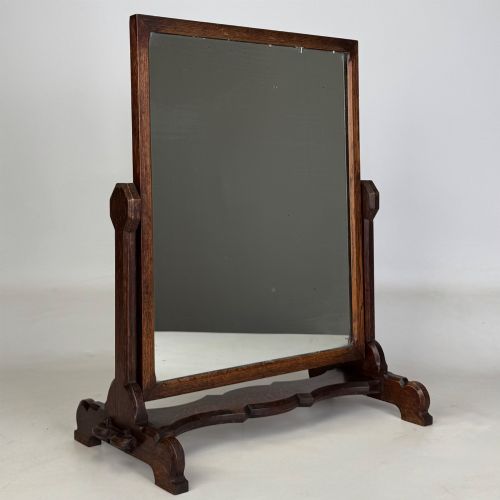
A freestanding wooden mirror is primarily designed for dressing and grooming, appearing most frequently on this page as a tall cheval mirror or a smaller table-top dressing glass. The selection spans the Victorian and Edwardian eras, encompassing upright forms mounted on pivoted frames and smaller toilet mirrors supported by box bases.
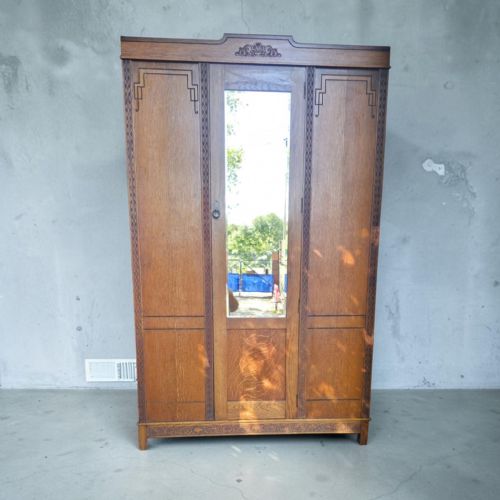
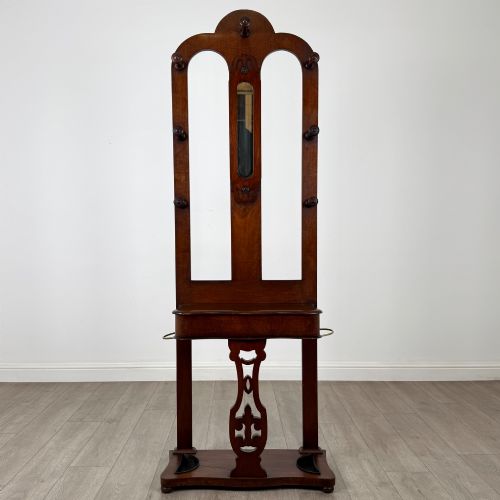
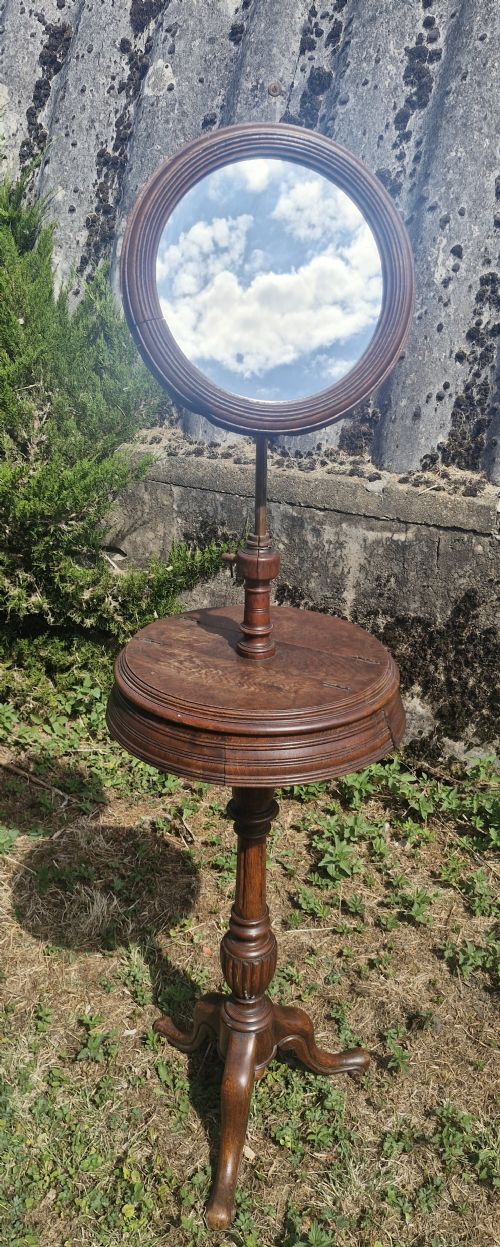
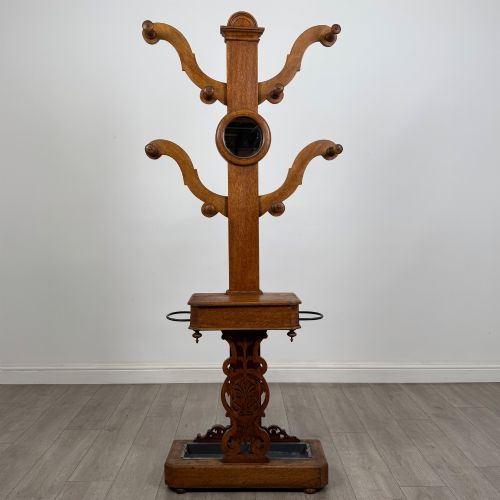
Beyond dedicated dressing mirrors, the category includes functional hybrid pieces such as hall stands and shaving stands incorporating adjustable looking glasses. Mahogany and oak dominate the construction, often reflecting period styles from Regency elegance to robust Arts and Crafts design.
Most examples hail from the nineteenth and early twentieth centuries, capturing the shift from stationary wall fixtures to versatile moveable furniture. These mirrors served a vital domestic purpose in bedrooms and dressing rooms before built-in wardrobes became common.
How they were made
Cabinetmakers utilised dense timbers like mahogany, walnut, and oak to build sturdy support frames capable of bearing heavy pivoting mirror plates. Joinery relied on traditional methods, ensuring the side uprights and trestle bases remained rigid under the weight of the glass.
Surface decoration involved careful polishing, inlay work, and occasional hand-carved detailing in giltwood or native hardwoods. Brass hardware, including adjustable pivots and candle sconces, was frequently integrated to secure the glass and assist daily use.
Some Victorian boot maker's mirrors were designed low to the floor so gentlemen could check the fit of their footwear.
What varies in quality
Quality rests heavily on the selection of timber and the stability of the framing joints, with superior pieces showing tight grain and substantial weight. Finely turned columns and balanced proportions separate utilitarian workshop items from master cabinetmaker productions.
The clarity and depth of the original mirror glass, alongside the precision of the brass pivoting mechanism, dictate the overall standard of survival. Frames that retain their original backboards and undisturbed surface patina command greater interest from collectors.
The Freestanding Wooden Mirror Glossary
- Cheval mirror
- A large freestanding mirror supported by four legs and a pivoted frame, allowing the glass to tilt. This tall format emerged to provide a full-length view for attire.
- Toilet mirror
- A smaller dressing glass mounted on a box base or small frame, designed to sit atop a chest of drawers or a dressing table. These often include small drawers for personal items.
- Shaving stand
- A specialist piece of furniture combining an adjustable mirror with a small table surface, frequently housing compartments for grooming equipment. They date predominantly to the Victorian period.
- Giltwood
- Wood that has been covered with a thin layer of gold leaf or gilt composition, used extensively for decorative frames during the nineteenth century. It catches ambient light effectively.
- Pivoting frame
- The hanging system that uses side screws or trunnions to let the mirror plate tilt back and forth within its upright supports. This allows users of different heights to adjust the angle easily.
Freestanding Wooden Mirror: Frequently Asked Questions
Where should I place a cheval mirror?
A cheval mirror requires adequate floor space and good ambient light to function effectively as a dressing aid in a bedroom or dressing room.
Because these pieces are heavy and freestanding, position them away from high-traffic pathways to prevent accidental knocks against the pivoted frame.
How do I adjust a tilting mirror?
Most period mirrors use brass side screws or threaded knobs that can be gently tightened or loosened to hold the glass at your preferred angle.
Take care to support the glass with one hand while adjusting the fittings on either side to avoid straining the original wooden uprights.
How do I identify a Victorian piece?
Victorian examples often feature dark mahogany or oak construction, deep hand-carved ornamentation, and sturdy brass adjustment hardware.
Examining the construction methods on the reverse, such as the type of backboards and screws used, helps confirm the nineteenth-century origin.