




Framed Wall Cartography
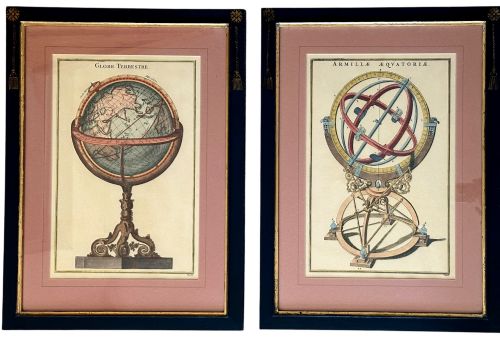
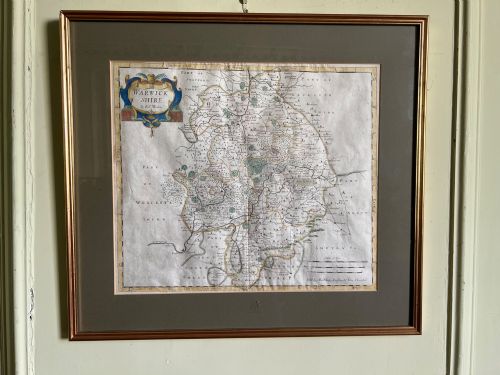
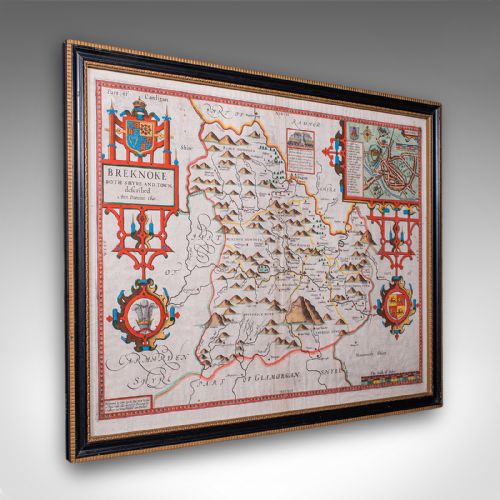
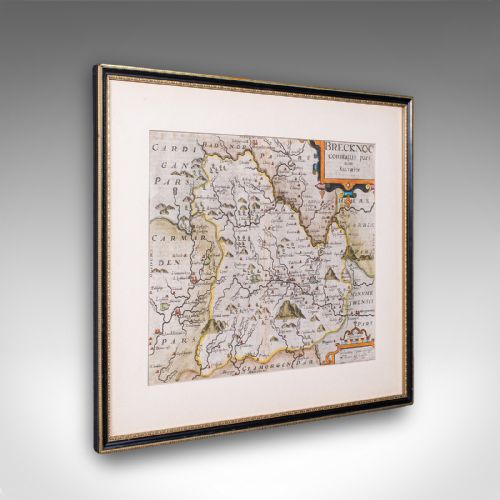
Framed wall cartography captures centuries of geography on paper, offering collectors detailed views of counties, countries and towns preserved behind glass in period timber frames.
Framed Wall Cartography
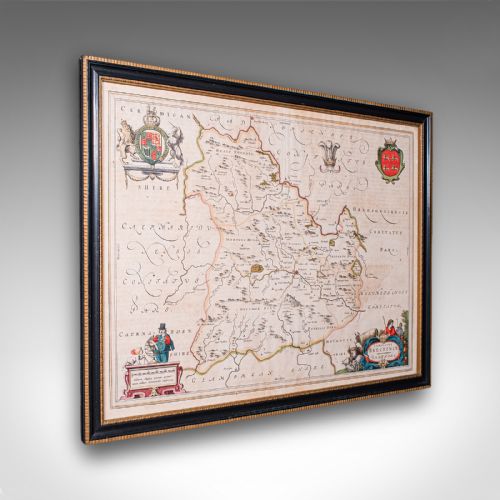
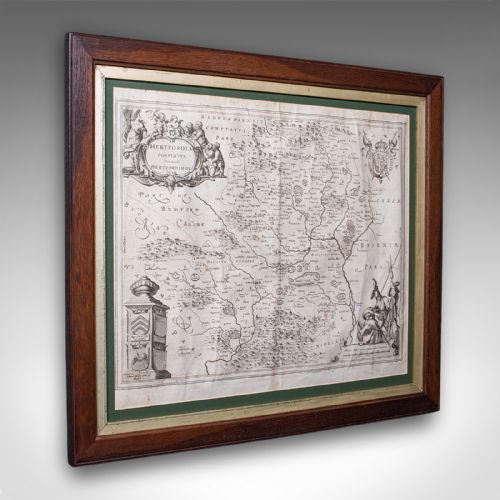
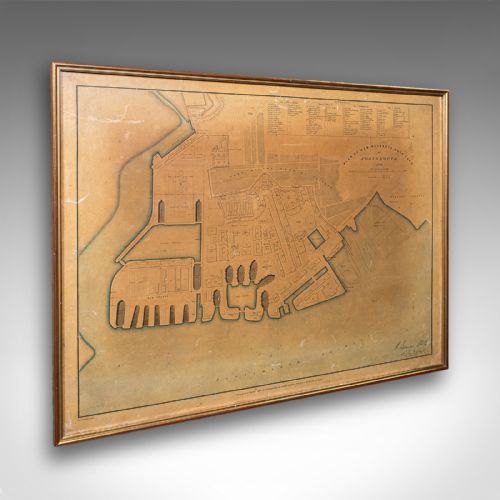
Framed wall cartography encompasses engraved and printed maps designed for display, ranging from early county surveys to continental atlases. These pieces originate predominantly from the seventeenth, eighteenth and nineteenth centuries, reflecting shifting geographical knowledge and political boundaries over time.
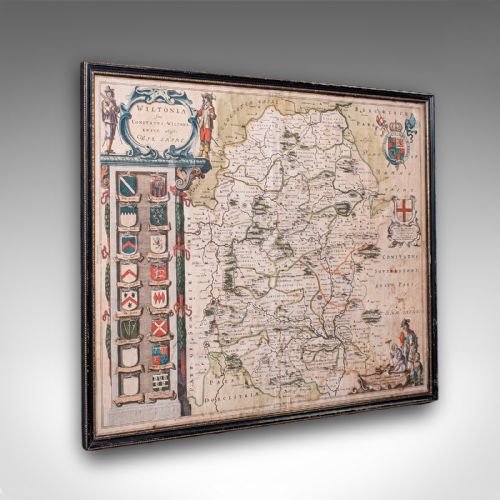
English and Dutch cartographers dominate the selection, with works by notable mapmakers such as Robert Morden, John Speed and Joan Blaeu frequently appearing. The selection includes county maps, town plans and regional charts rendered in monochrome or with period hand colouring.
Buyers encounter both single-sided sheets and double-sided leaves that preserve descriptive text on the reverse. The framing generally complements the age of the paper, utilising oak or gilt wood mouldings alongside protective glass.
Materials and Techniques
Map production relied on copperplate engraving or steel engraving on laid or wove paper, allowing fine lines and lettering to be transferred in multiple impressions. Artisans frequently applied watercolour by hand to accentuate borders, regional divisions and cartouches.
The resulting sheets were mounted within timber frames, often constructed from oak or finished in gilt wood, and secured behind glass to protect the fragile paper from atmospheric degradation.
Framed Wall Cartography Retail Price Guide 2026
Typical asking prices for framed wall cartography among the pieces listed under this phrase on Sellingantiques today, from the lower quarter to the upper quarter. They describe what is for sale here now, not the wider market.
Listings feature paper maps and charts housed in wood, oak and gilt wood frames from the seventeenth to the nineteenth centuries.
Evaluating Quality in Cartography
Quality rests upon the clarity of the impression and the precision of the engraving, where crisp lines indicate a plate pulled early in the print run. The vibrancy and accuracy of any hand colouring further distinguish standard working maps from finer decorative examples.
The preservation of the paper sheet, including adequate margins and minimal discolouration from age, dictates the desirability of the piece. Additionally, the association with renowned cartographers and publishers elevates the standing of specific maps within the medium.
John Speed·Joan Blaeu·Robert Morden·Johannes Janssonius·Eman Bowen
The Framed Wall Cartography Glossary
- Cartouche
- A decorative frame enclosing the map's title, scale bar, or publisher details. These ornamental elements often reflect the artistic style of the period in which the map was engraved.
- Copperplate engraving
- A intaglio printmaking technique where lines are incised into a copper sheet with a burin. Ink is held within these grooves and transferred under pressure to paper.
- Hand colouring
- The application of watercolours by hand to printed maps after the impression is pulled. This practice was common in commercial workshops to enhance visual appeal and geographic clarity.
- Atlas engraving
- A map specifically produced for inclusion in a bound volume of maps. These sheets often feature Latin or vernacular text on the reverse side describing the region depicted.
Framed Wall Cartography: Frequently Asked Questions
How do I date an old map?
Dating relies on internal evidence such as place names, publisher imprints, and cartographic styles attributed to known makers. Reference to historical editions or accompanying text on the reverse often narrows the decade of publication.
Paper characteristics and watermark analysis also provide supporting clues for establishing the precise period of manufacture.
Why do some maps have text on the back?
Many maps originating from historical atlases included descriptive letterpress text on the reverse side to provide context about the region. Printers saved space and bound these leaves directly into geographical volumes.
Double-sided examples require careful framing with glass on both sides to ensure the hidden text remains visible to viewers.
Are these maps original or modern reproductions?
The pieces offered are period originals printed from copper or steel plates during the seventeenth, eighteenth, or nineteenth centuries. Close inspection reveals plate marks and paper ageing consistent with genuine antique production.
Modern facsimile prints lack the distinct ink impression and paper degradation found in authentic historical cartography.
How should I care for framed maps at home?
Display framed cartography away from direct sunlight to prevent the fading of ink and watercolour pigments. Maintaining stable indoor humidity protects the paper substrate from warping or developing foxing spots over time.
Cleaning should be restricted to gentle dusting of the wood or gilt frame, avoiding direct moisture contact with the exposed paper.