



Framed Wall Art Intaglios
These framed wall art intaglios bring classical sculpture and Grand Tour history straight onto the drawing room wall.
Framed Wall Art Intaglios
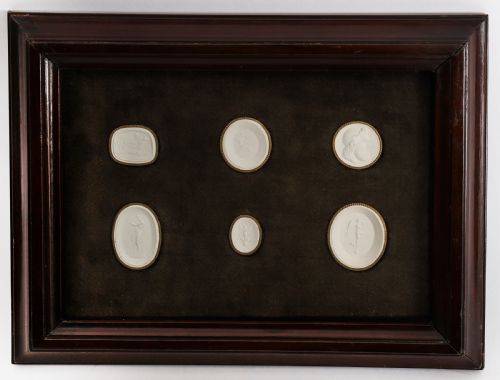
When you search for framed wall art intaglios, you encounter miniature plaster casts, carved cameos, and engraved prints arranged behind glass within wooden or gilt frames. These pieces stem from the 18th century, the 19th century, the Edwardian period, and the 1920s.
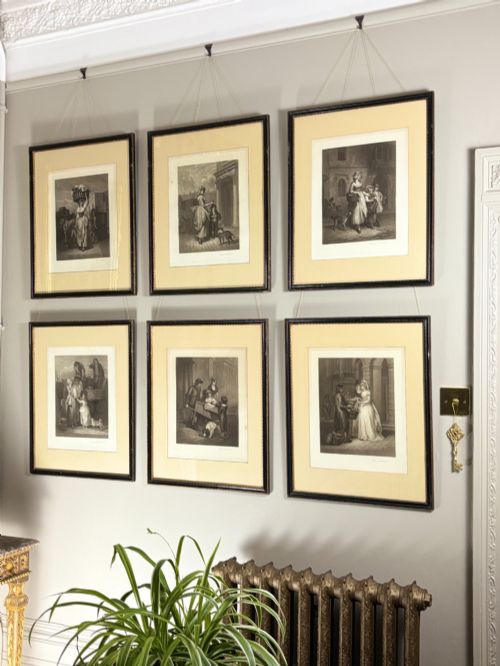
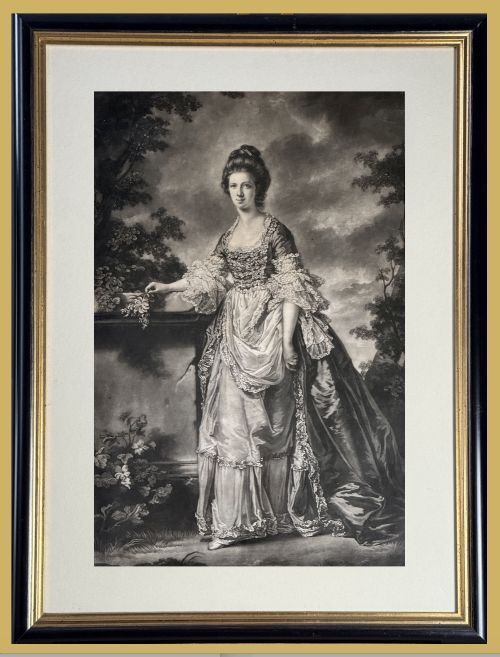
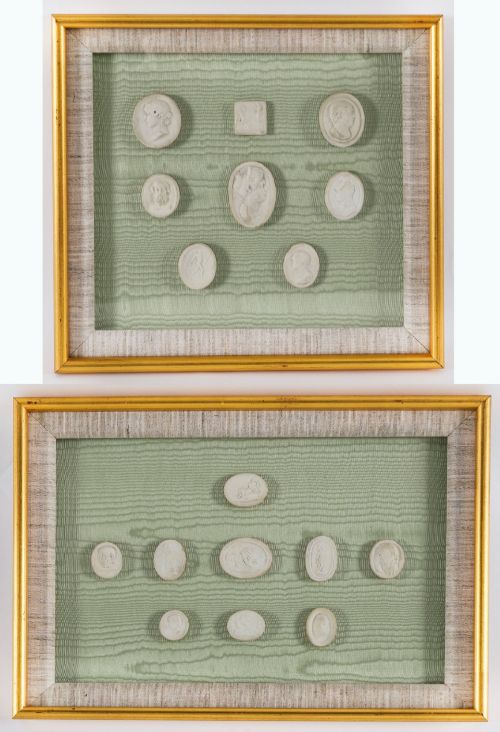
The most common examples on this page are Grand Tour collections featuring classical intaglios and gypsum cameo panels, alongside framed mezzotint prints and portrait engravings. They reflect neoclassical taste and the travels of British collectors across Europe.
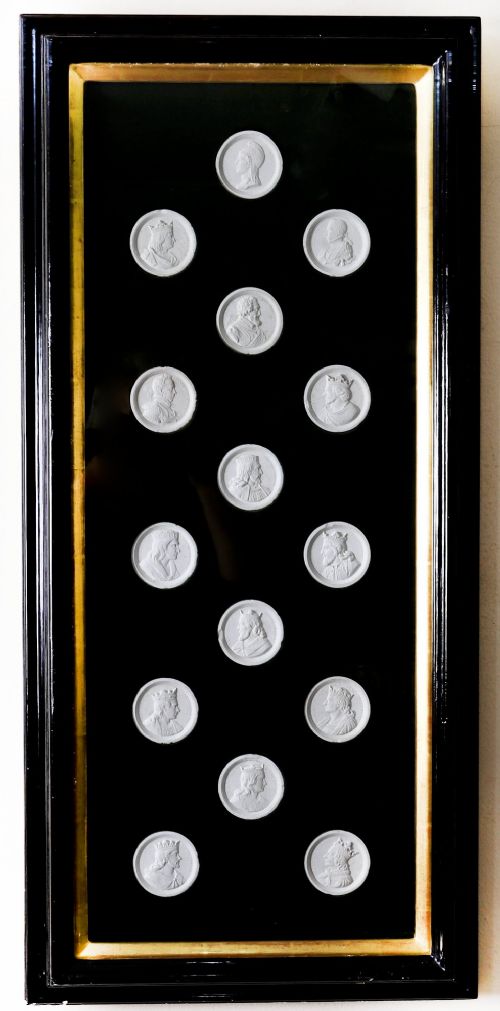
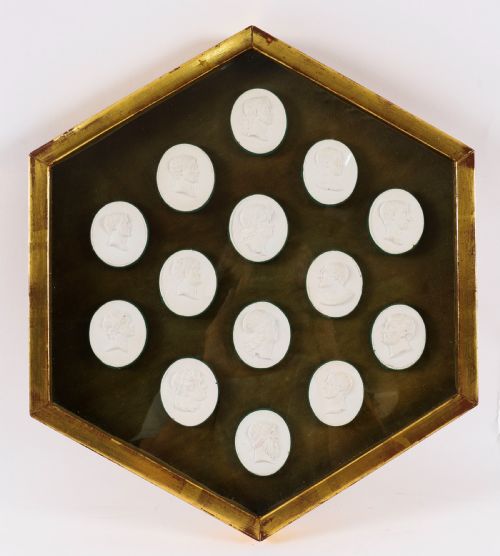
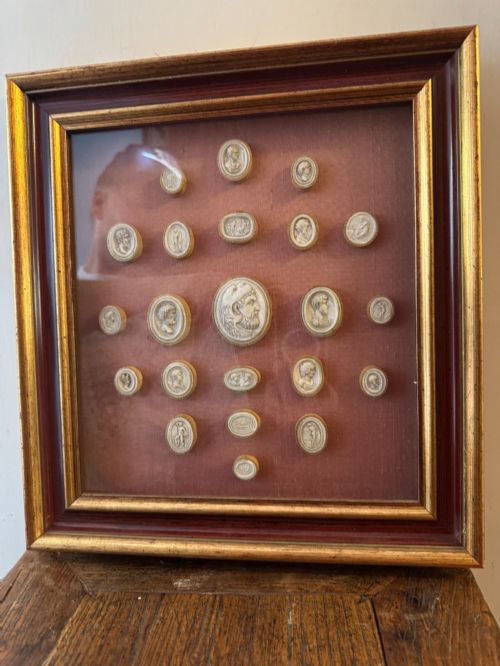
Sets range from single framed portraits to extensive box-framed arrangements of numerous medallions, often detailing French monarchs or classical mythology.
How they were made
Plaster, gypsum, and paper form the primary media, shaped into cast intaglios or printed as mezzotints using traditional engraving and stamping techniques. Makers mounted these delicate casts against velvet or fabric backgrounds.
Frames utilise wood, gilt wood, and gold leaf, often enclosing the works beneath protective glass to preserve the fine detail of the plaster casts and paper prints.
Framed Wall Art Intaglios Retail Price Guide 2026
Typical asking prices for framed wall art intaglios among the pieces listed under this phrase on Sellingantiques today, from the lower quarter to the upper quarter. They describe what is for sale here now, not the wider market.
Travellers meticulously glued miniature plaster monarch profiles into frames so friends at home thought they owned the Vatican.
What varies in quality
The refinement of the plaster casting determines the crispness of the classical relief, separating sharply defined ancient profiles from softened, worn impressions. The harmony of the velvet or fabric backing and the condition of the gilt wood frame also influence the overall visual impact.
Signatures by known printmakers or recorded makers add significant distinction to the framed mezzotints and intaglio sets compared to anonymous workshop pieces.
James Watson·Francis Cotes·Giovanni Liberotti·George Morland·W Ward·F. Petitjean
The Framed Wall Art Intaglios Glossary
- Intaglio
- A design carved into a material so that the impression sinks below the surface, similar to a seal. These were frequently cast in plaster during the Grand Tour.
- Grand Tour
- An extended journey through Europe undertaken by young upper-class Europeans during the 18th and 19th centuries to study art and antiquities.
- Mezzotint
- A printmaking process of the intaglio family where the surface is roughened to achieve rich tonal gradations and dark backgrounds. It gained popularity for portraiture.
- Cameo
- A method of carving an object such as a gem or piece of stone to show a raised figure in relief against a contrasting background.
- Gypsum
- A soft sulfate mineral used to create crisp plaster casts of classical intaglios for framing and display.
Framed Wall Art Intaglios: Frequently Asked Questions
What are framed wall art intaglios?
They are decorative framed displays containing plaster casts of classical intaglios, cameos, or antique mezzotint prints. Collectors assembled these pieces during the 18th and 19th centuries following travels abroad.
They serve as wall art, capturing neoclassical taste through miniature profiles of monarchs, mythology, and historical figures.
How were intaglio collections displayed?
Travellers brought plaster and gypsum casts back from Europe and arranged them inside wooden or gilt frames. Velvet or fabric backings held the medallions in place.
Box frames and glazed panels protected the delicate plaster work while allowing them to hang on drawing room walls.
How do I date a framed intaglio set?
Dating relies on the style of the wooden frame, the mounting fabric, and the characteristics of the paper or plaster. Grand Tour pieces typically date from the late 18th century through the Victorian era.
Signatures on accompanying mezzotints or records of makers like Giovanni Liberotti help narrow the period further.
How do I care for framed wall art intaglios?
Keep these pieces away from direct sunlight and damp environments to protect the plaster casts and fabric backgrounds. The glass front should remain sealed to prevent dust accumulation.
Clean the wooden or gilt frames gently with a dry cloth without disturbing the internal arrangement.