




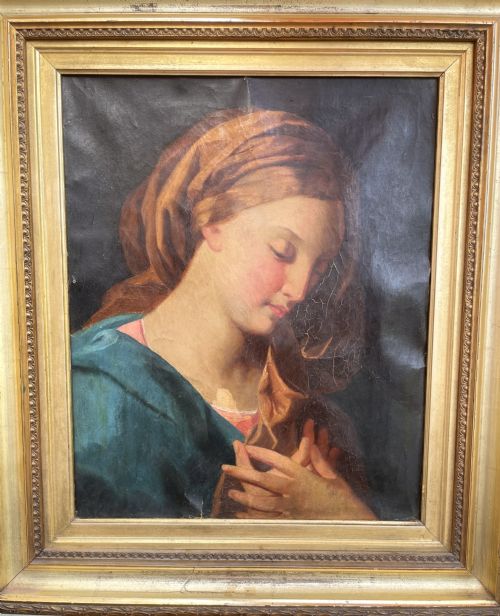
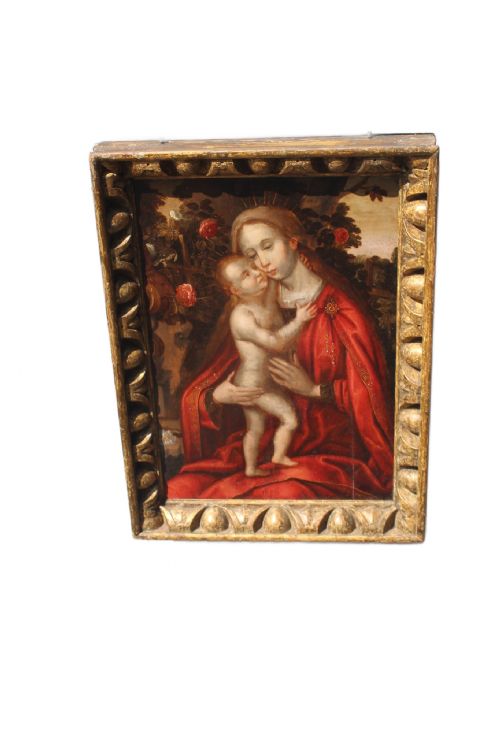


Framed Virgin Mary Portrait
A framed virgin mary portrait brings centuries of devotional art into domestic spaces, ranging from intimate miniatures to large altarpiece studies.
Framed Virgin Mary Portrait
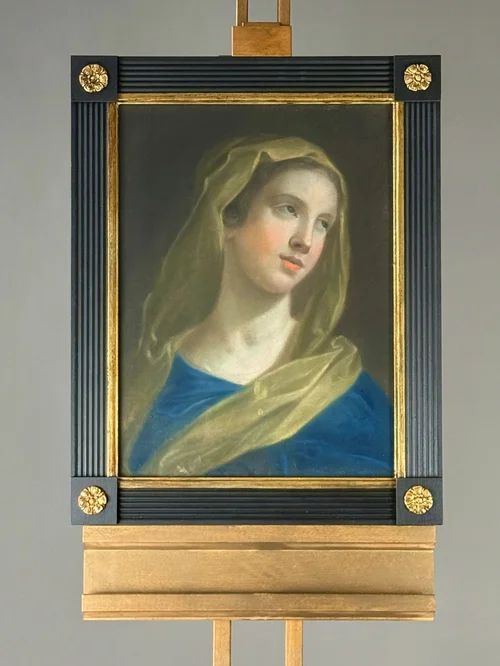
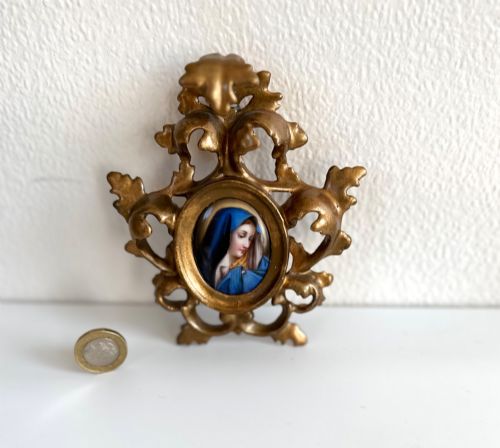
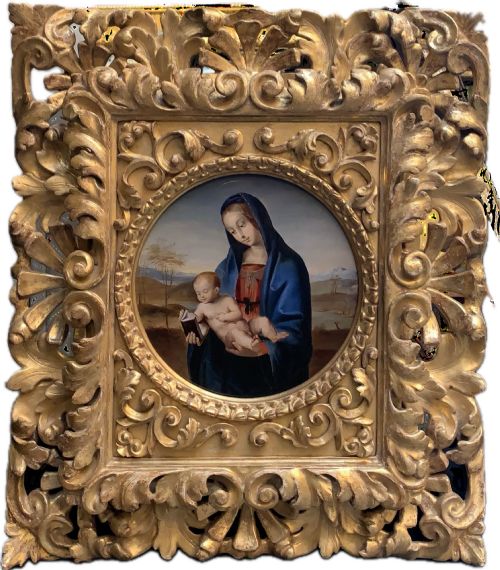
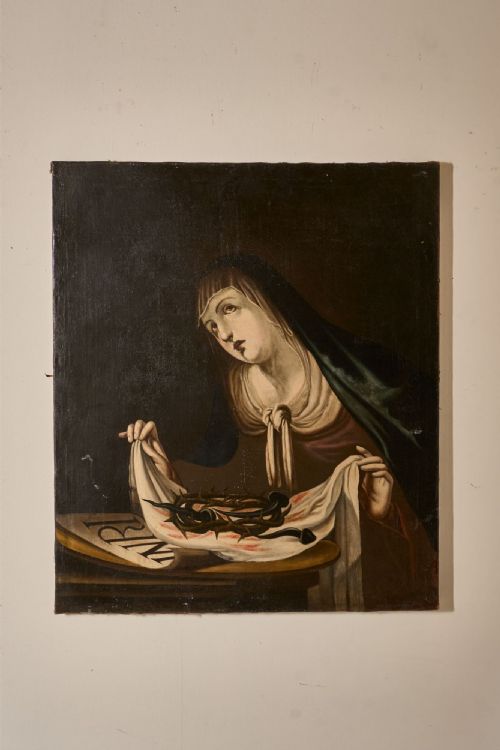
When searching for a framed virgin mary portrait, collectors encounter devotional oil paintings, pastels, and miniature portraits spanning from the sixteenth century through the Victorian era. The selection draws heavily on Italian Renaissance compositions, Spanish Baroque emotionalism, and French school traditions, often created as devotional works or later copies after masters like Raphael and Murillo.
Most pieces on offer feature the Madonna and Child, though variations include depictions of Our Lady of Sorrows, the Divine Shepherdess, and ex-voto portraits accompanied by angels or donors. These works appear in period frames fashioned from wood and gold leaf, preserving the sacred character of the original commissions in domestic formats.
How they were made
These works rely on traditional painting techniques, utilising oil paint applied to canvas or wood panels, alongside pastel on paper. Pigments are layered to create depth in drapery and flesh tones, while pastels offer a softer texture suited to intimate eighteenth-century devotional pieces.
The framing is an integral part of the construction, employing carved wood finished with gold leaf or giltwood. These heavy period frames protect the fragile painted surfaces while enhancing the religious gravity of the portrait through ornate ornamentation.
Several Madonnas keep a watchful eye over domestic life from inside rose gardens and ornate giltwood shrines.
What varies in quality
Quality also resides in the preservation of the surface and the authenticity of the accompanying frame. Original gold leaf frames that retain their early patination elevate the status of a painting far above pieces housed in later replacement mouldings.
Benedetto Luti·Bernardino Luini·Benvenuto Tisi·Costantino Frixione·Juan Ruiz Soriano·Pompeo Batoni·Ambrious Benson·Bartolomé Murillo
The Framed Virgin Mary Portrait Glossary
- Giltwood
- Wood carved and coated with gold leaf or gold paint. This finish creates a reflective, luminous border that isolates the sacred subject from the surrounding room.
- Oil on Panel
- A painting executed on a flat wooden support rather than canvas. This rigid base was favoured in earlier centuries for its stability and smooth surface.
- Ex-Voto
- A votive offering given to a saint or a divinity in fulfilment of a vow. These portraits often record gratitude for miraculous intervention.
- Madonna and Child
- A representation of the Virgin Mary with the infant Jesus. It is one of the most enduring subjects in Western religious art.
- Pastel
- A dry painting medium consisting of powdered pigment and a binder. It produces velvety surfaces with intense colour vibrancy.
Framed Virgin Mary Portrait: Frequently Asked Questions
How do I date a framed virgin mary portrait?
Dating relies on examining the stretcher frames, canvas preparation, and the ageing of the oil paint or wood panel. Stylistic clues in the clothing and framing techniques also point toward specific centuries.
Paintings from earlier periods often show distinct craquelure and hand-carved wooden supports that differ significantly from later Victorian or Edwardian workshop methods.
Are these portraits original artworks or later copies?
The selection includes both original compositions from various European schools and skilled studio copies after renowned masters like Raphael. Many bear inscriptions or stylistic markers identifying their lineage.
Workshop pieces and followers of major painters produced devotional art intended to replicate the emotional resonance of celebrated church paintings for private collection.
How should I hang a heavy giltwood frame?
Heavy period frames require secure wall anchors suited to the specific weight of the wood and gesso construction. Professional picture hangers utilise heavy-duty hooks fastened directly into wall studs.
Positioning the portrait away from direct sunlight and dramatic temperature fluctuations protects both the delicate paint layers and the vulnerable gold leaf.
What is the difference between panel and canvas portraits?
Panel paintings utilise solid wooden boards as a foundation, which tends to occur more frequently in earlier centuries. Canvas offers a flexible woven textile surface stretched over a wooden frame.
Both supports require stable indoor humidity to prevent warping in the wood or slackening in the canvas tension over time.