
Framed Textile Wall Art
Framed textile wall art brings needlework, tapestry and woven silk from the seventeenth to the twentieth centuries directly onto your walls.
Framed Textile Wall Art
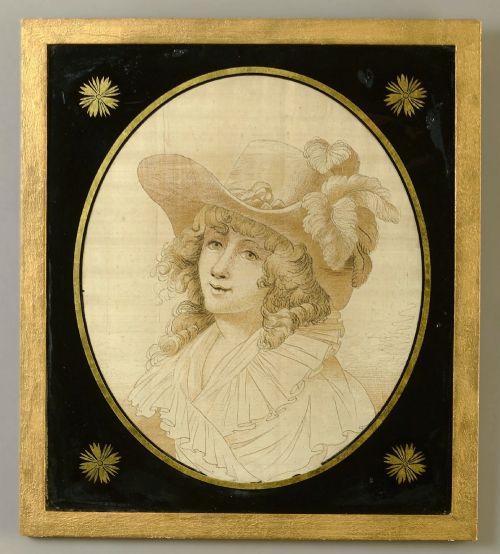
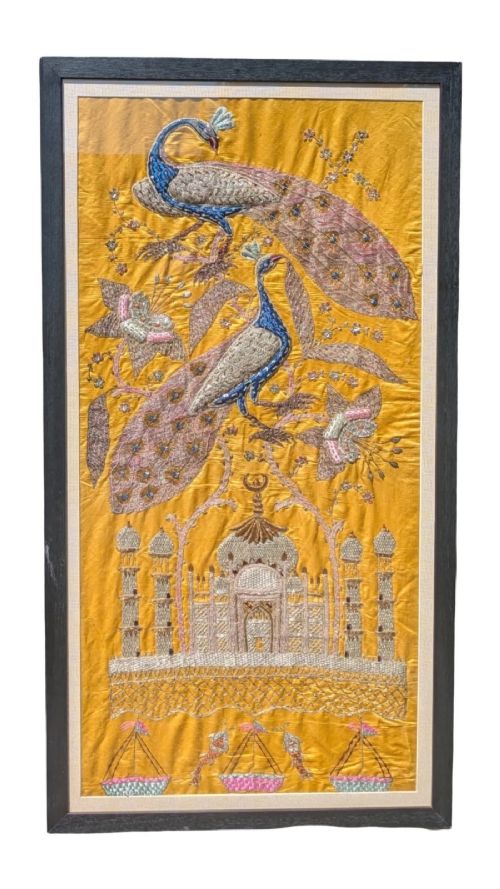
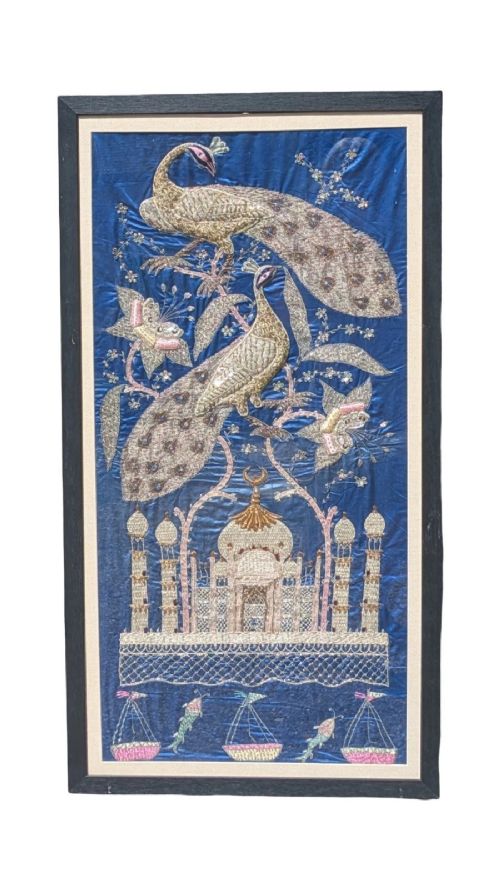
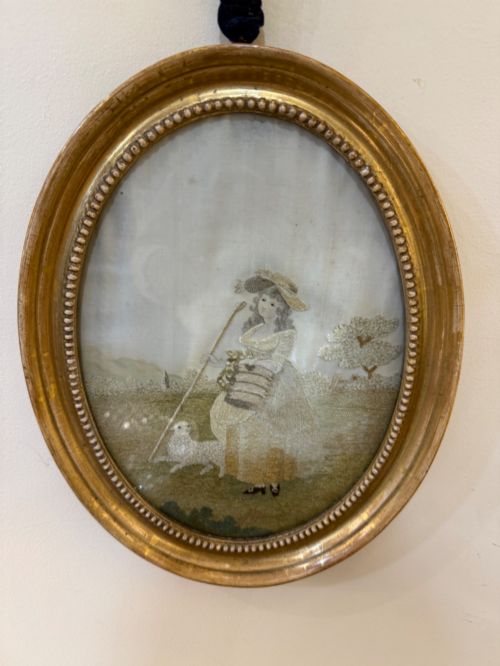
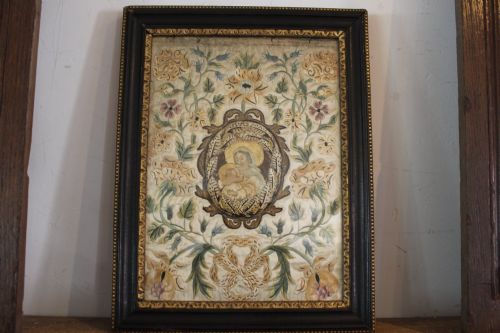
When you search for framed textile wall art, you encounter historical needlework pictures, woven silk portraits, and embroidered panels housed beneath glass in period frames. The selection spans centuries of domestic and courtly handcraft, originating from English samplers, French tapestries, and Asian textile traditions.
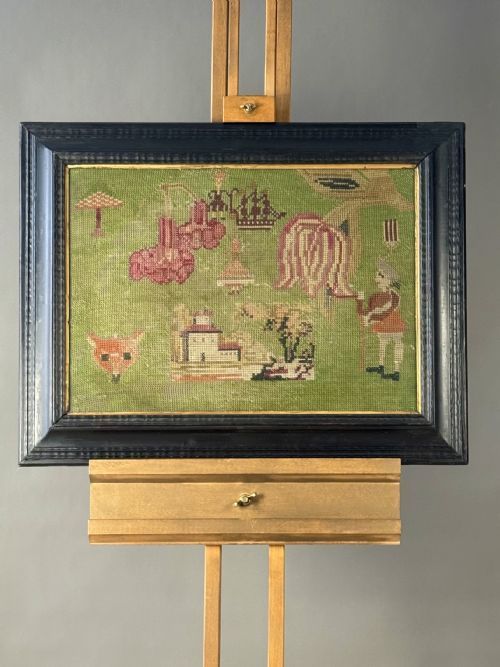
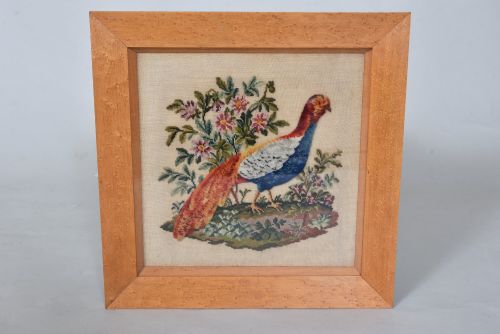
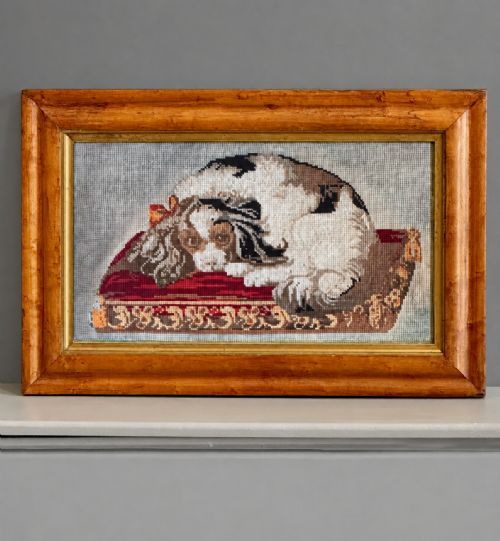
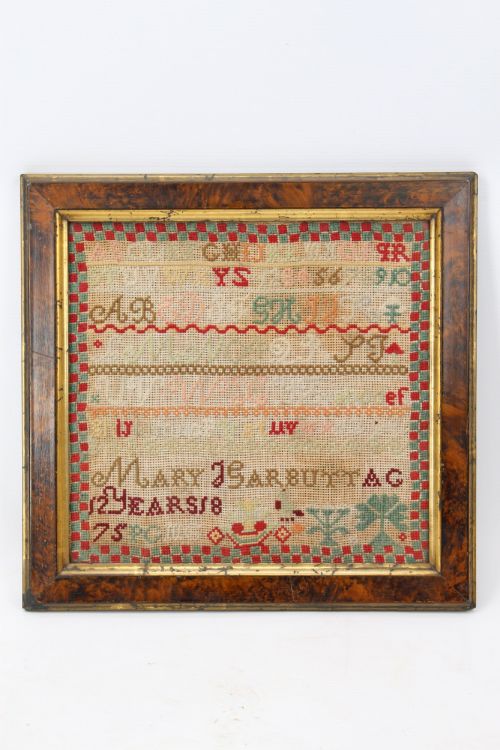
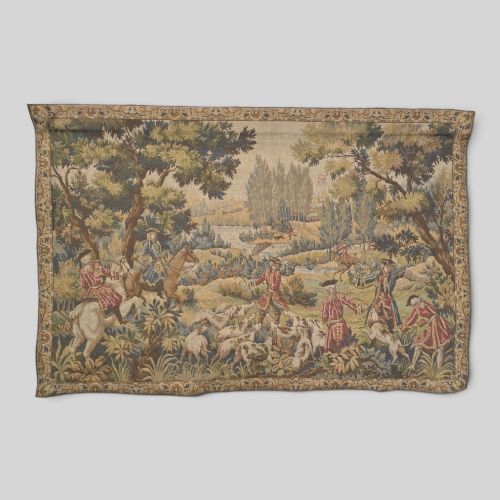
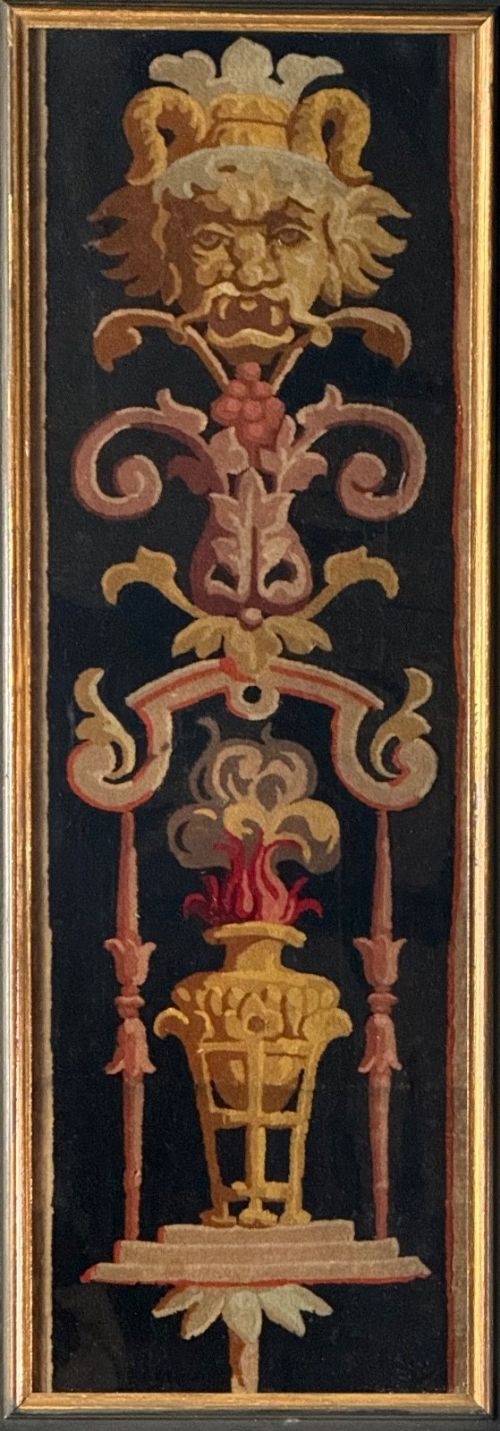
The objects most frequently met on this page include nineteenth-century wool work and needlework samplers alongside eighteenth-century embroidered panels. These pieces range from detailed Berlin work and plushwork animal studies to fragments of verdure tapestries mounted for display.
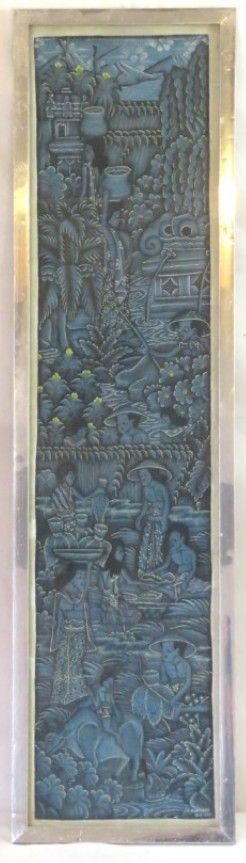
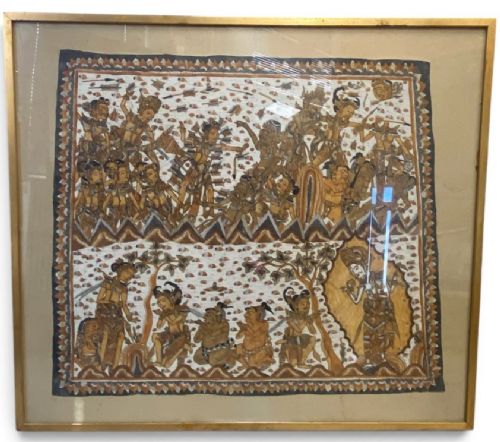
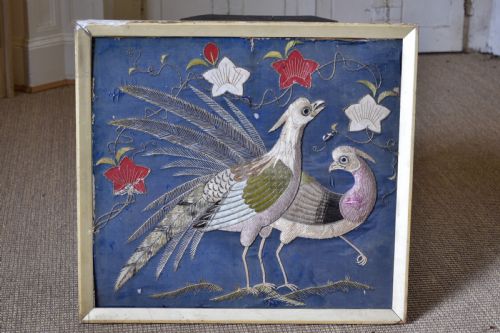
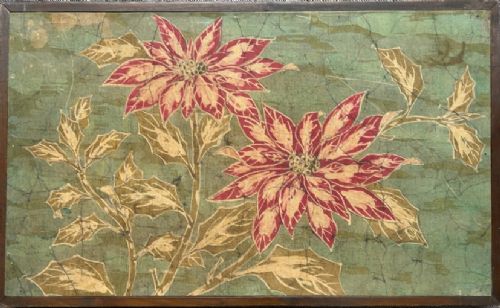
Collectors also find works spanning diverse cultural origins, including Chinese silk embroideries, Balinese textile paintings, Uzbek dowry panels, and Greek hand towel end pieces. Each form reflects the specific decorative techniques and domestic customs of its period and region.
Materials and construction methods
Makers utilised natural textile fibres including silk, wool, linen, cotton, and canvas as the foundation for their work. Metallic thread frequently appears alongside silk floss and wool yarn to add detail and reflection to embroidered motifs.
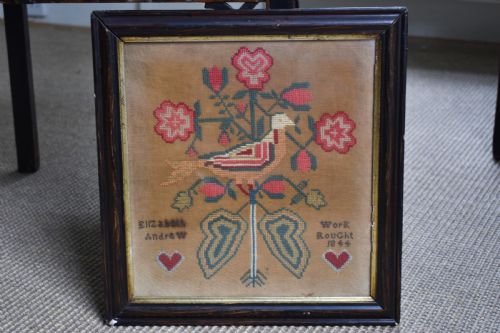
Needlework pictures and samplers rely on counted thread techniques and freehand stitching using wool or silk on linen or canvas grounds. Woven examples employ complex loom techniques, as seen in silk portraits, band samplers, and hanging tapestries.
Protective framing forms an integral part of these pieces, with many items preserved under glass within burr maple, faux tortoiseshell, or gilded wood frames. Tapestry fragments and fragile panels are frequently mounted onto linen support fabric for structural stability.
Framed Textile Wall Art Retail Price Guide 2026
Typical asking prices for framed textile wall art among the pieces listed under this phrase on Sellingantiques today, from the lower quarter to the upper quarter. They describe what is for sale here now, not the wider market.
King Charles spaniels stare out from Victorian wool work just as intently as seventeenth-century monarchs peer from raised stumpwork panels.
Distinctions in execution and preservation
The survival of original materials and framing significantly influences the character of a piece. Intact original frames, such as burr maple or gilt wood mouldings, and stable glass protection preserve the textile ground against environmental degradation.
The clarity of composition and the integrity of the textile surface determine visual impact. Pieces retaining vibrant natural dyes and secure mounting demonstrate superior historical preservation compared to heavily faded or structurally compromised fragments.
The Framed Textile Wall Art Glossary
- Sampler
- A piece of needlework produced to demonstrate proficiency in various stitches and alphabets, often worked by young girls as a record of skill.
- Stumpwork
- A raised form of seventeenth-century embroidery utilising padded underlayers to create three-dimensional figures and motifs.
- Berlin Work
- A style of nineteenth-century needlework using brightly coloured wools stitched onto canvas by following a printed and hand-coloured grid pattern.
- Rank Badge
- A square embroidered patch worn on Chinese imperial robes to denote the official status of the wearer.
- Verdure Tapestry
- A woven wall hanging depicting landscape scenes filled with foliage, trees, and occasionally animals.
- Plushwork
- A tactile embroidery technique employing looped pile stitches that are cut to resemble velvet or fur.
Framed Textile Wall Art: Frequently Asked Questions
How should I hang textile art safely?
Keep textile wall art away from direct sunlight and damp environments to protect natural fibres like silk and wool from fading and mildew.
Ensure pieces are glazed with glass to shield the delicate fabric surface from household dust and atmospheric pollutants.
What is a band sampler?
A band sampler is a long, narrow strip of linen worked with horizontal rows of varying embroidery stitches and patterns.
Originating in the sixteenth and seventeenth centuries, embroiderers used these bands as permanent reference libraries of decorative designs.
How do I identify a Victorian needlework piece?
Victorian examples often feature robust materials like Berlin wool work, plushwork animals, or inscribed children's samplers detailing ages and dates.
The frames housing these pieces frequently utilise burr maple veneers or heavy moulded wood characteristic of the nineteenth century.
Are these textiles mounted under glass?
Many framed textile works incorporate glass to protect fragile silk embroidery, painted fabrics, and paper-backed needlework from physical damage.
Larger tapestries and heavy wool work panels are sometimes mounted directly onto linen support frames without a glass cover.
What is an Uzbek ilgich?
An ilgich is a traditional embroidered hanging produced by the Lakai tribe in Central Asia for dowry and domestic decoration.
These pieces typically display bold geometric motifs and vibrant chain stitch embroidery executed on a fabric ground.