


Framed Textile Artwork
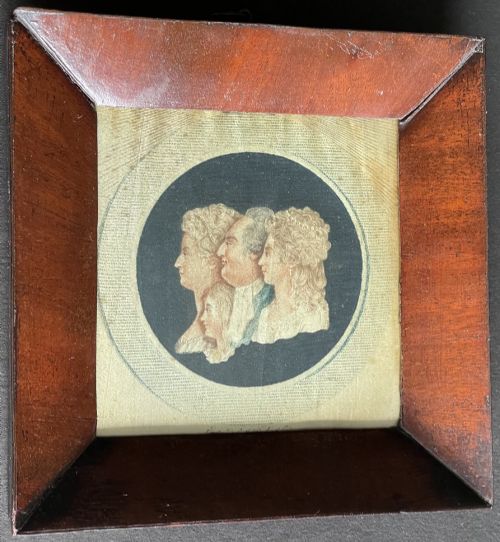
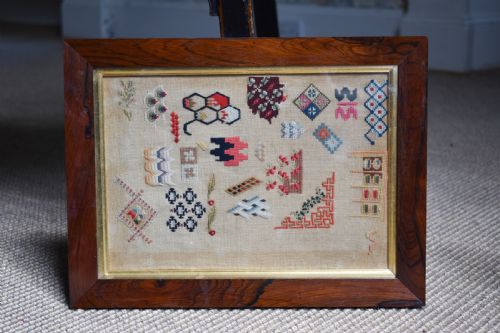
Framed textile artwork gathers needlework samplers, woven silk portraits and embroidered panels preserved beneath glass in period timber surrounds.
Framed Textile Artwork
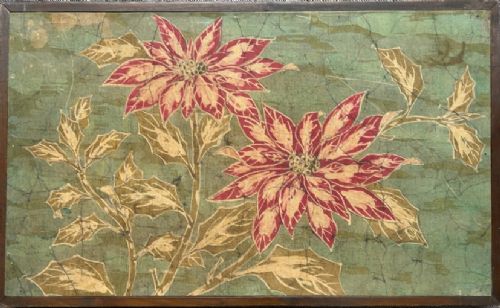
When buyers search for framed textile artwork, they encounter centuries of hand-stitched and woven expression framed for domestic display. The pieces on this page span from seventeenth-century continental embroidered panels to mid-twentieth-century batik textile art panels.
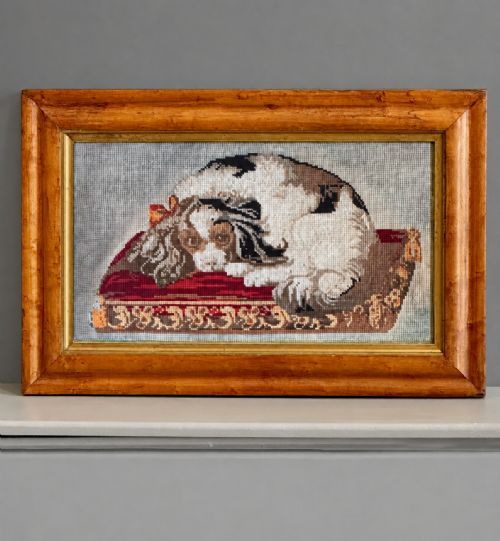
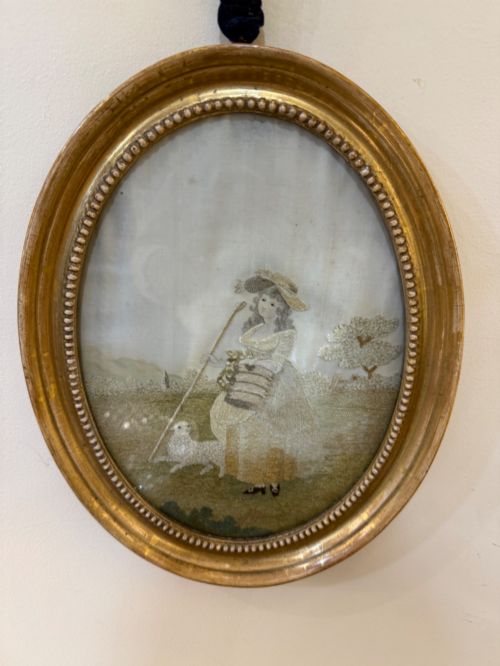
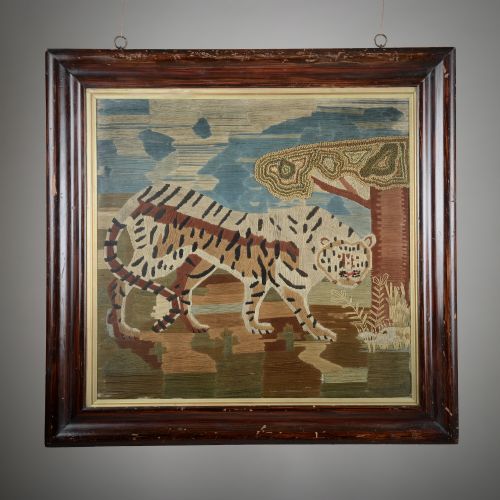
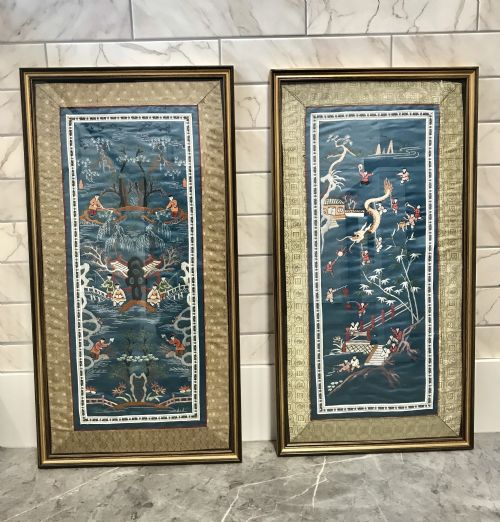
Needlework samplers, silk embroideries depicting pastoral scenes, wool work pictures of animals and Chinese hand-sewn panels dominate the selection. Most examples are housed behind glass within original wooden frames such as burr maple or giltwood.
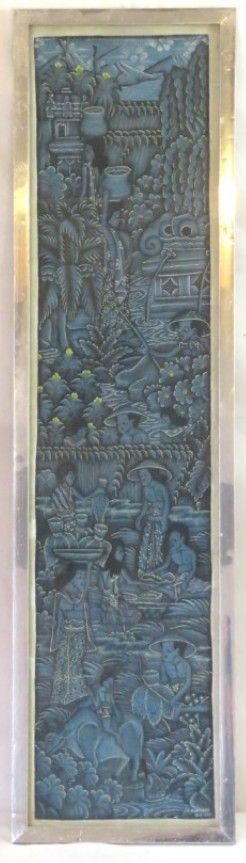
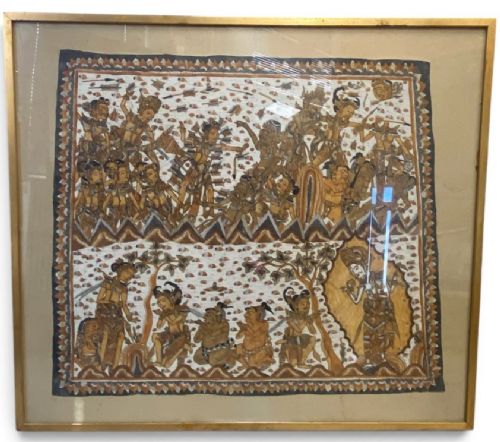
The assortment reaches from early Scottish samplers and Georgian silk embroidery to Japanese silk textile pieces and Balinese Kamasan paintings on textile. Buyers find both British works, like English silk needlework depicting horse racing, and international textiles.
Materials and technique
Maker hands utilised natural fibres including silk, wool, linen and canvas as the foundation for intricate needlework, crewel work and gros point. Threads of dyed silk and wool bring pictorial depth to pastoral farming pictures, religious needlepoint and animal studies.
Paint and print also appear upon fabric surfaces, evident in vintage Balinese water colour on fabric, Kamasan paintings on textile, and printed fabrics. These works merge textile substrates with liquid pigments.
Protection and mounting relied upon traditional joinery and glazing, enclosing fragile embroideries behind glass within wooden surrounds like gilded wood, burr maple and verre églomisé frames.
The listings feature textiles spanning the seventeenth to the mid-twentieth century, utilising materials such as silk, wool, canvas, glass and giltwood.
What varies in quality
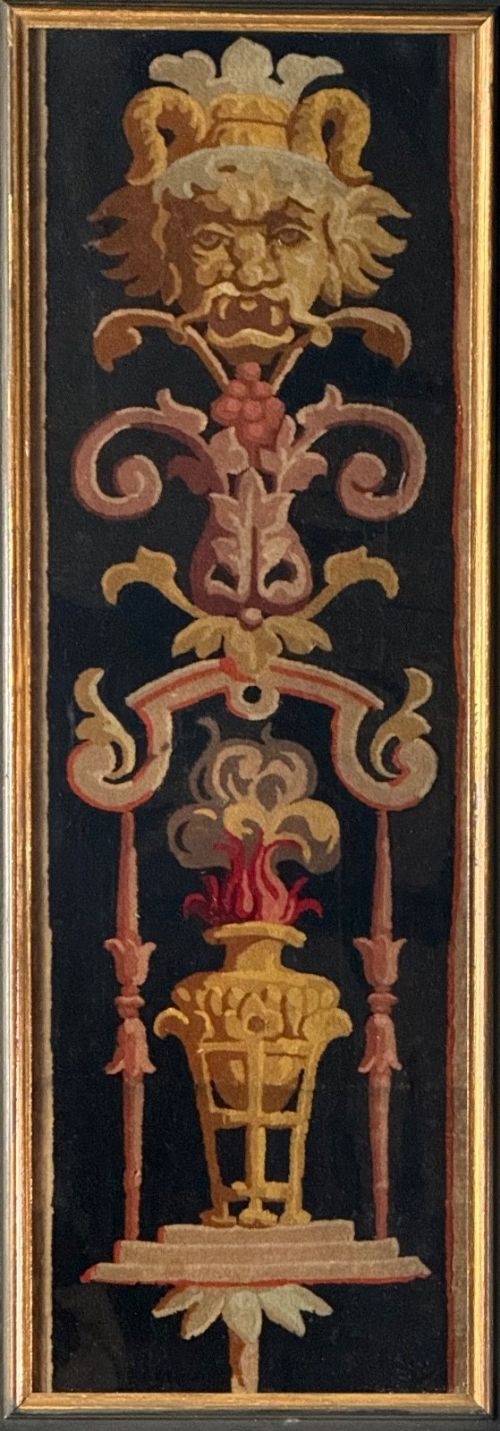
Execution and detail separate simpler domestic samplers from sophisticated pictorial needlework, such as finely rendered seventeenth-century embroidered panels featuring masks and grotesques. The precision of the hand-stitching and the realism in depicting human figures, birds or horses dictate visual success.
Survival of the original enclosure matters greatly, distinguishing works retained in contemporary burr maple or verre églomisé frames from those later rehoused. The condition of the textile itself, free from excessive fading or fabric degradation, determines the longevity of the piece.
Bela Balogh·Beatrice Saunders
The Framed Textile Artwork Glossary
- Berlin work
- A type of coloured wool needlepoint embroidery worked on canvas from printed pattern sheets, popular during the nineteenth century. It frequently depicted animals, figures or floral motifs in rich hues.
- Sampler
- A piece of needlework produced as a demonstration or test of skill in various stitches, often recording the maker's name, date and alphabet characters. Scottish and English examples from the eighteenth and nineteenth centuries are typical.
- Gros point
- A coarse type of needlepoint stitch executed on canvas using wool, producing a durable textured surface suitable for pictorial scenes. It appears on mid-nineteenth-century domestic panels.
- Verre églomisé
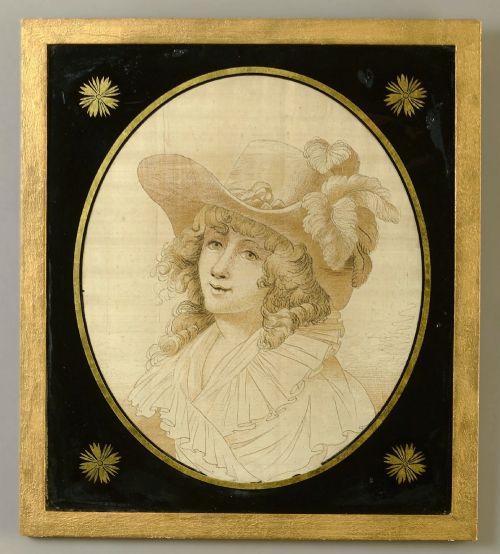
- A process of applying design and gilding to the reverse side of glass, creating a reflective metallic border. These specialised frames frequently accompany nineteenth-century oval woolwork pictures.
- Kuba cloth
- Textile panels hand-woven from raffia palm fibre by the Kuba people of Central Africa, characterised by geometric cut-pile patterns. Early twentieth-century examples represent traditional African weaving.
- Kamasan painting
- A traditional style of narrative painting from Bali, executed on textile using natural pigments. These works typically illustrate epic scenes involving warriors and deities arranged in distinct registers.
Framed Textile Artwork: Frequently Asked Questions
How do I hang a framed textile?
Hang these works away from direct sunlight to prevent the silk and wool threads from fading over time. Stable indoor humidity protects both the delicate fibres and the antique wooden frames.
Ensure the hanging wire and wall fixings safely support the weight of the glass and timber surround. Professional picture hooks suited to the wall type provide secure installation.
How do I tell an 18th century sampler apart?
Eighteenth-century examples often display specific regional lettering styles, subdued natural dye colours and characteristic linen weaves. Makers at this time integrated religious motifs alongside alphabets and numerals.
Later nineteenth-century pieces frequently utilise brighter Berlin wool yarns and printed pattern grids. Examining the reverse of the canvas often reveals older hand-spun threads distinct from industrial yarns.
What is crewel work embroidery?
Crewel work involves embroidery executed using fine wool yarn on a sturdy linen or twill ground. It produces tactile, textured surfaces with rich pictorial depth.
Historic panels utilised this technique for botanical designs, hunting scenes and classical figures. The style dates across centuries of British and continental textile production.
Why are some textiles framed in verre églomisé?
Verre églomisé incorporates gilded and painted glass panels within the framing to enhance the presentation of the central artwork. This decorative technique adds a reflective, luminous border.
Regency and Victorian makers employed these specialised surrounds for oval woolwork pictures and portraits. The method elevates the status of domestic needlework into formal wall art.