





Pair of Embroidered Pictures
A pair of embroidered pictures brings texture and historic narrative to a wall, offering matched symmetry through delicate needlework.
Pair of Embroidered Pictures
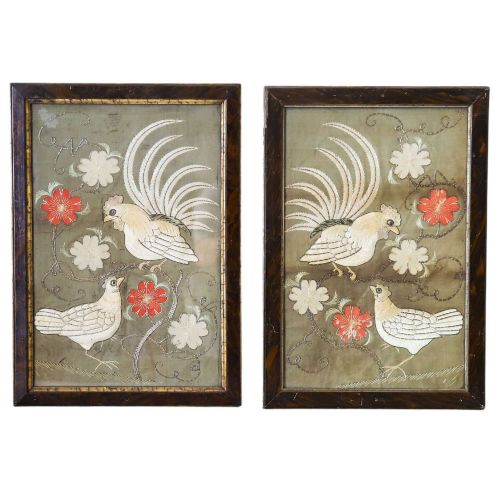
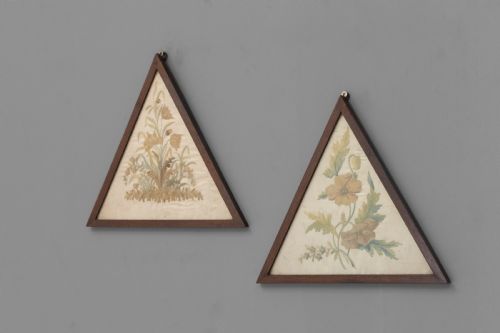
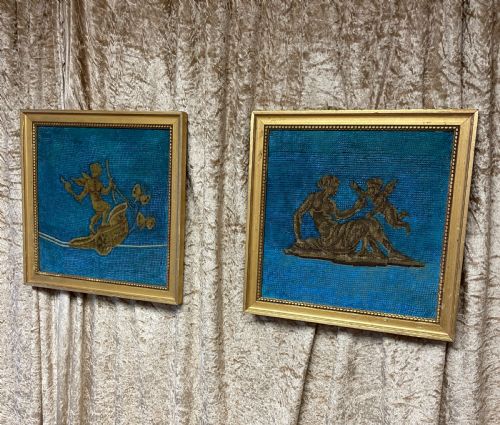
A pair of embroidered pictures comprises matched textile artworks designed to hang together, often depicting birds, florals, or figurative scenes. When searching for a pair of embroidered pictures, collectors encounter works spanning the eighteenth, nineteenth, and early twentieth centuries.
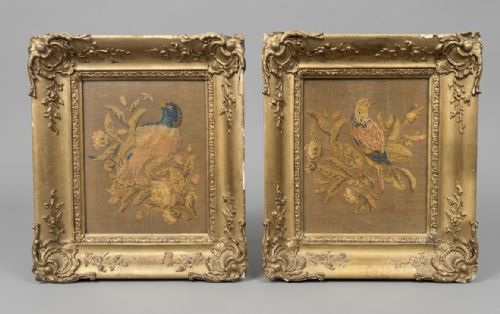
The surviving examples frequently emerge from the Georgian, Regency, and Victorian periods, often framed in period giltwood, faux tortoiseshell, or water-gilded oval frames. These matched pieces serve as wall art and textile art, bringing historic interior aesthetics into modern spaces.
Materials and construction
Makers housed the completed embroideries within specialised frames of wood, giltwood, and glass, sometimes employing gilt mezzotint frames or water-gilded oval surrounds to protect the textiles while enhancing their visual presence.
Pair of Embroidered Pictures Retail Price Guide 2026
Typical asking prices for pair of embroidered pictures among the pieces listed under this phrase on Sellingantiques today, from the lower quarter to the upper quarter. They describe what is for sale here now, not the wider market.
Listings feature silk, wool, and glass materials housed within giltwood and faux tortoiseshell frames across Georgian and Victorian periods.
Assessing quality and execution
Quality rests primarily on the tightness and dexterity of the needlework, where finer stitching and sophisticated thread blending separate accomplished execution from simpler efforts. The preservation of the silk or wool colours also determines visual success, as light exposure over centuries alters tonal subtlety.
The framing contributes significantly to the overall merit, with period water-gilded or faux tortoiseshell surrounds holding greater historic harmony than later replacements. Original glass protection and undisturbed backing papers further elevate the standing of a textile pair.
The Pair of Embroidered Pictures Glossary
- Long stitch
- An embroidery technique where stitches are laid down in parallel or graduated lines of varying lengths to cover the canvas or silk ground.
- Silkwork
- Needlework executed using silk threads, highly favoured for its lustrous sheen and capacity for delicate shading in historic pictures.
- Giltwood
- Wood that has been coated with a thin layer of gold leaf or gilt finish, commonly seen on nineteenth-century picture frames.
- Mezzotint frame
- A specific style of picture frame often associated with print and mirror surrounds of the Georgian and Regency eras, utilised here for textile housing.
- Needlework
- A broad term encompassing any work produced using a needle, including embroidery, canvas work, and stitchery.
Pair of Embroidered Pictures: Frequently Asked Questions
How should I hang embroidered pictures?
Keep textile art away from direct sunlight and damp environments to protect the delicate silk and wool threads from fading and deterioration.
Hang them at eye level using secure fixings suited to the weight of the period frames.
What periods do these pictures span?
The recorded examples primarily date from the eighteenth and nineteenth centuries, including Georgian, Regency, and Victorian eras.
Occasional pieces reach into the turn of the twentieth century.
Are original frames important?
Original giltwood, faux tortoiseshell, or water-gilded frames preserve the historic context and visual integrity of the matched panels.
Finding a pair retained in their period surrounds adds considerable character to the pieces.
What subjects appear on these pictures?
Common motifs include birds such as cockerels and hens, floral arrangements, theatrical scenes, and classical maidens.
Chinese chinoiserie designs also appear among the recorded archive.